Mastering the 2026 US Consumer Journey: A 6-Stage Blueprint for Brands
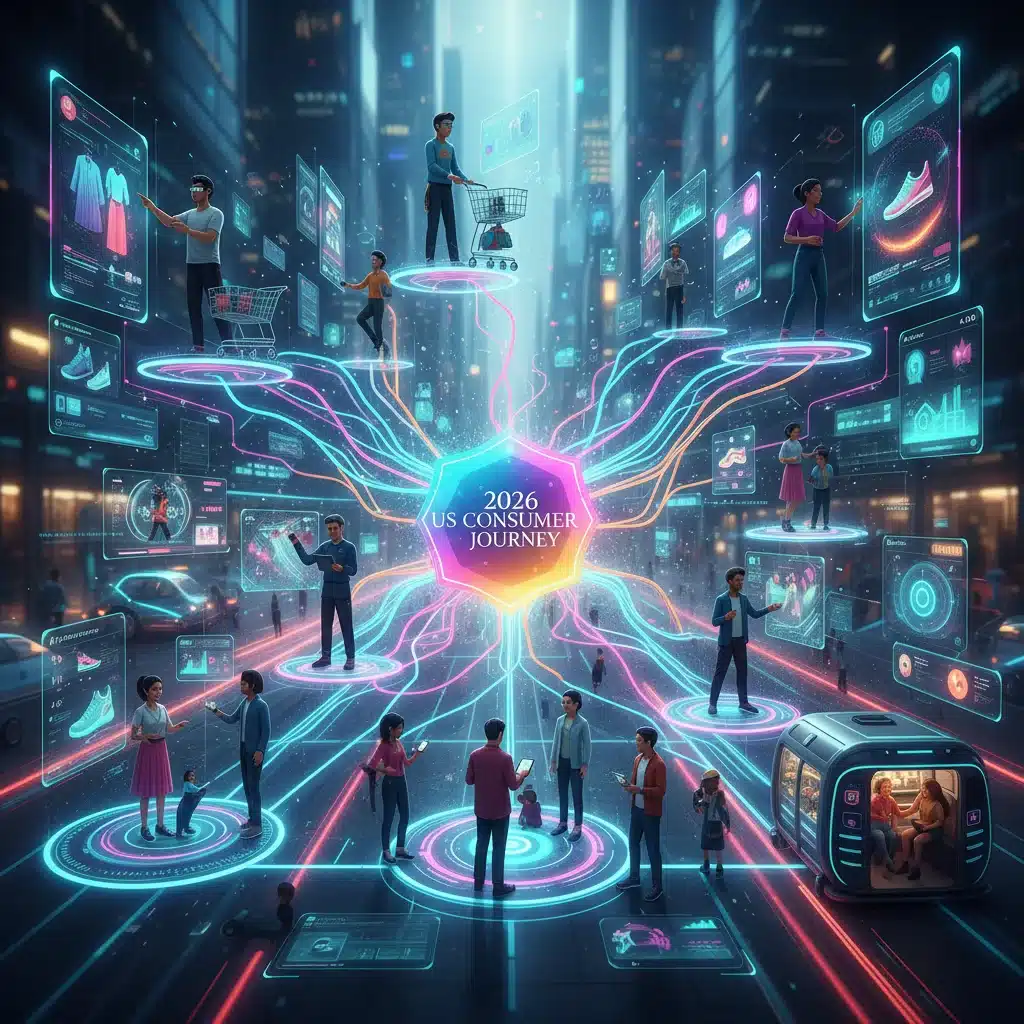
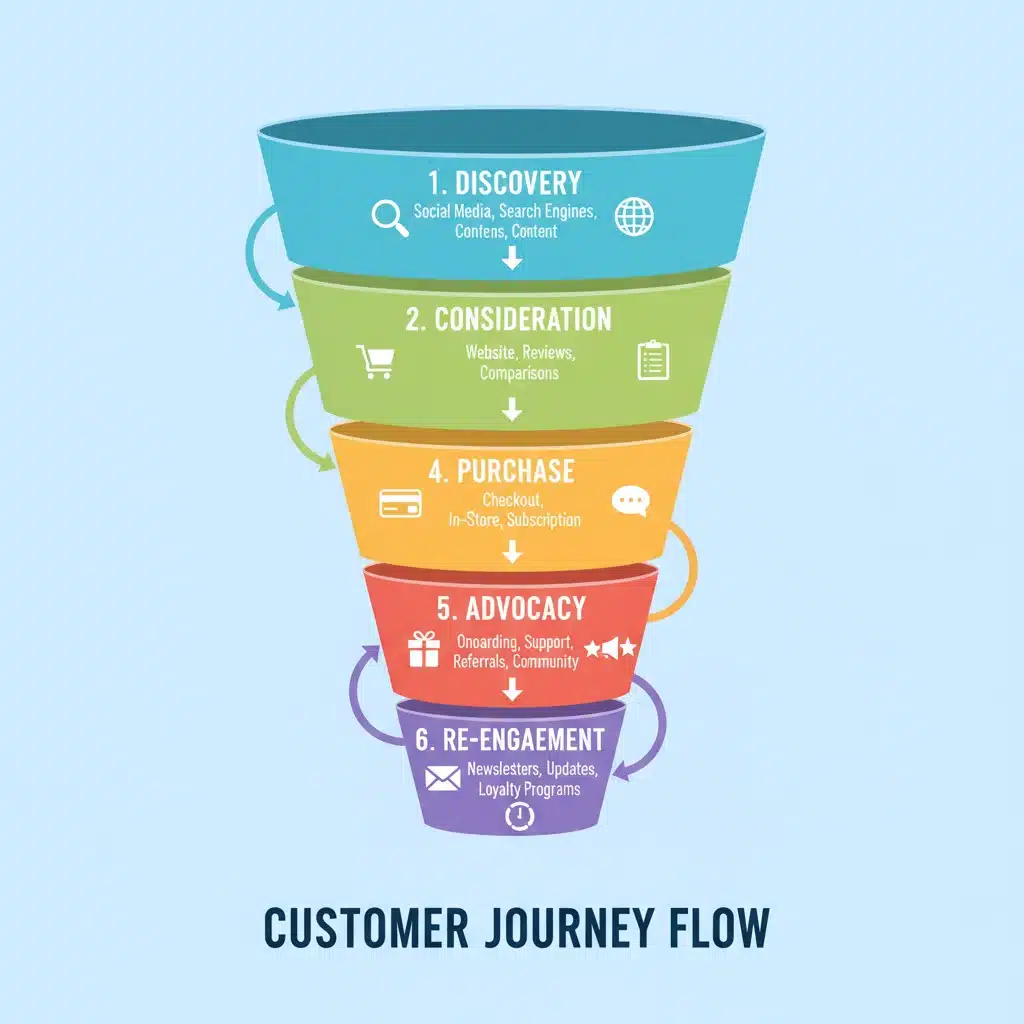
The landscape of commerce is in perpetual motion, constantly reshaped by technological advancements, societal shifts, and evolving consumer expectations. As we stride towards 2026, understanding the intricacies of the US Consumer Journey 2026 is not merely an advantage; it’s an imperative for any brand aspiring to not just survive, but thrive. The traditional linear path from awareness to purchase has long since fragmented into a complex web of interactions, touchpoints, and emotional connections. This comprehensive guide will dissect the modern US Consumer Journey 2026 into six pivotal stages, offering actionable insights for brands to engage, convert, and retain their audience effectively.
No longer can businesses rely on a one-size-fits-all approach. The discerning consumer of today, and certainly of tomorrow, demands personalization, authenticity, and seamless experiences across all channels. From the initial spark of discovery to becoming a fervent advocate, every step in the US Consumer Journey 2026 presents unique opportunities and challenges. By meticulously analyzing each stage, brands can fine-tune their strategies, optimize their resources, and ultimately build stronger, more enduring relationships with their customers.
The Evolving Landscape of the US Consumer Journey 2026
Before diving into the specific stages, it’s crucial to acknowledge the foundational shifts that are redefining the US Consumer Journey 2026. Digital fluency is now a given, with consumers seamlessly navigating between online and offline worlds. The rise of Gen Z as a significant economic force, coupled with the continued influence of Millennials, means a heightened emphasis on values-driven purchasing, social responsibility, and instant gratification. Furthermore, artificial intelligence, augmented reality, and voice search are no longer futuristic concepts but integral components of everyday consumer interactions.
Personalization, driven by sophisticated data analytics, has moved beyond basic recommendations to truly anticipate needs and preferences. Trust and transparency are paramount, with consumers increasingly scrutinizing brand ethics and sustainability practices. The proliferation of direct-to-consumer (DTC) models has also empowered consumers with more choices and higher expectations for direct engagement. These overarching trends form the backdrop against which the six stages of the US Consumer Journey 2026 unfold.
Stage 1: Discovery & Awareness – Catching the Eye in a Crowded Digital World
The first stage of the US Consumer Journey 2026, Discovery & Awareness, is about breaking through the noise. In an era of information overload, consumers are constantly bombarded with messages. For brands, this means strategically placing their offerings where potential customers are most likely to encounter them, often before they even realize they have a need.
Key Drivers in Discovery & Awareness:
- Search Engine Dominance: Organic search remains a cornerstone. Brands must invest heavily in SEO, optimizing for relevant keywords, local search, and long-tail queries. Voice search optimization, considering natural language patterns, is also becoming increasingly critical.
- Social Media Exploration: Platforms like TikTok, Instagram, and even emerging metaverse spaces are primary discovery channels. Engaging content, influencer marketing, and interactive formats (e.g., shoppable posts, live streams) are essential.
- Content Marketing Power: Educational blog posts, insightful videos, podcasts, and infographics that address consumer pain points or interests can organically introduce a brand. Thought leadership establishes credibility early on.
- Referrals and Word-of-Mouth: Trust remains the most powerful currency. Positive reviews, testimonials, and recommendations from trusted sources (friends, family, online communities) are invaluable for initial awareness.
- Programmatic Advertising: Hyper-targeted ads delivered across various digital channels, leveraging advanced data analytics, can reach specific demographics and psychographics with precision.
Brand Strategies for Discovery & Awareness:
To excel in this initial stage of the US Consumer Journey 2026, brands should focus on a multi-pronged approach. This includes creating high-quality, shareable content that resonates with target audiences, actively participating in relevant online communities, and collaborating with micro-influencers whose followers align with their brand values. Furthermore, ensuring a strong local SEO presence is vital for brick-and-mortar businesses or those with a regional focus. The goal here is not immediate conversion, but rather to pique interest and plant the seed of recognition.
Stage 2: Consideration & Research – The Deep Dive into Value
Once a consumer has discovered a brand or product, the US Consumer Journey 2026 moves into the Consideration & Research phase. This is where potential buyers actively seek more information, compare options, and evaluate whether a brand can meet their specific needs. This stage is characterized by intense information gathering and critical analysis.
Key Activities During Consideration & Research:
- Online Reviews and Ratings: Consumers heavily rely on platforms like Yelp, Google Reviews, Amazon, and specialized industry review sites. Positive peer reviews build trust, while negative ones can be deal-breakers.
- Product/Service Comparisons: Shoppers will compare features, pricing, and benefits across competitors. Brands need to clearly articulate their unique selling propositions (USPs).
- Website Exploration: A brand’s website serves as a central hub for detailed information. It must be user-friendly, mobile-optimized, and provide comprehensive product descriptions, FAQs, and transparent pricing.
- Social Proof: Beyond reviews, social proof includes case studies, testimonials, user-generated content (UGC), and endorsements from experts or celebrities.
- Video Content: Product demonstrations, ‘how-to’ guides, and unboxing videos are highly influential, allowing consumers to visualize the product in use.
- Interactive Tools: Configurators, quizzes, and virtual try-on experiences can enhance engagement and help consumers visualize how a product fits into their lives.
Brand Strategies for Consideration & Research:
Brands must provide easily accessible, comprehensive, and persuasive information. This means investing in detailed product pages, creating compelling video content, and actively managing online reviews. Responding to both positive and negative feedback demonstrates transparency and customer commitment. Offering live chat support or virtual consultations can also address specific queries and build rapport during this critical stage of the US Consumer Journey 2026.
Stage 3: Decision & Purchase – The Moment of Truth
The Decision & Purchase stage is the culmination of the prior two phases. This is the point in the US Consumer Journey 2026 where the consumer is ready to commit. While speed and efficiency are important, factors like trust, security, and a seamless checkout experience are paramount.
Key Elements Influencing Decision & Purchase:
- Seamless Checkout Process: A complicated or lengthy checkout is a major deterrent. One-click purchasing, guest checkout options, and multiple payment methods are crucial.
- Trust Signals: Security badges, clear return policies, and transparent shipping information build confidence.
- Personalized Offers: Timely discounts, loyalty program incentives, or bundled offers can often tip the scales in a brand’s favor.
- Customer Support: Accessible and responsive customer service can resolve last-minute doubts and prevent abandoned carts.
- Mobile Optimization: With a significant portion of purchases occurring on mobile devices, a fully responsive and intuitive mobile experience is non-negotiable.
- Inventory Availability & Delivery Expectations: Clear communication about stock levels and realistic delivery timelines is essential.
Brand Strategies for Decision & Purchase:
Optimizing the conversion funnel is key. Brands should conduct A/B testing on their checkout flows, offer diverse payment options (including buy-now-pay-later services), and provide robust customer support. Implementing retargeting campaigns for abandoned carts, with gentle reminders and perhaps a small incentive, can also recover lost sales. The goal is to make the purchasing experience as frictionless and reassuring as possible for the US Consumer Journey 2026.
Stage 4: Experience & Usage – Beyond the Transaction
The US Consumer Journey 2026 doesn’t end with the purchase; in fact, this is where the true relationship begins. The Experience & Usage stage encompasses everything that happens after the transaction, from shipping and delivery to the actual use of the product or service. This phase is critical for shaping customer satisfaction and future loyalty.
Key Aspects of Experience & Usage:
- Post-Purchase Communication: Order confirmations, shipping updates, and delivery notifications keep customers informed and reduce anxiety.
- Onboarding & Setup: For complex products or services, clear instructions, tutorials, and accessible support resources are vital for a positive initial experience.
- Product Performance & Quality: The core of this stage is whether the product or service lives up to its promises. Quality, durability, and functionality are paramount.
- Customer Service & Support: Easy access to help, quick resolution of issues, and friendly, knowledgeable support staff significantly impact satisfaction.
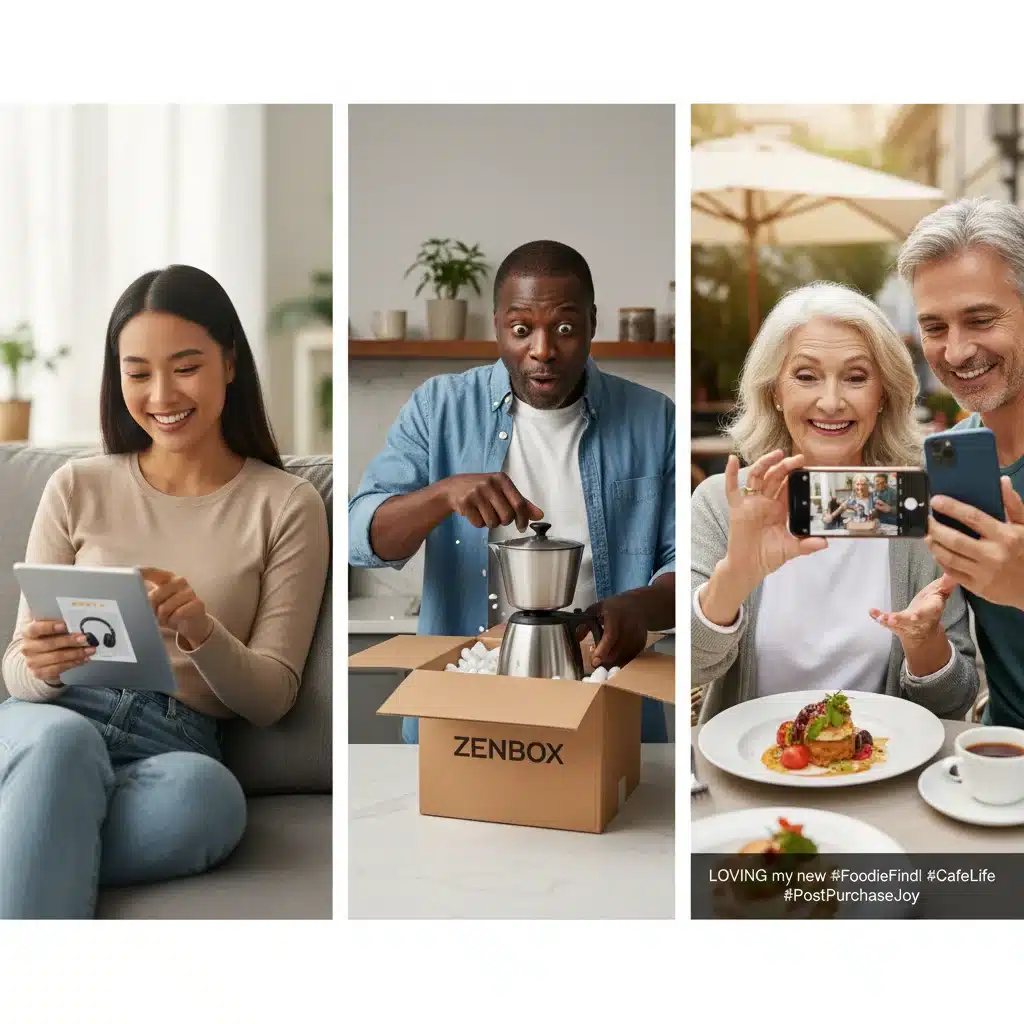
- Community & Engagement: Providing platforms for customers to connect with each other, share tips, or participate in brand-sponsored events can enhance the overall experience.
Brand Strategies for Experience & Usage:
Brands must prioritize exceptional post-purchase service. This includes proactive communication, investing in robust customer support channels (chatbots, live agents, self-service portals), and gathering feedback through surveys. Personalizing follow-up communications, offering relevant tips for product use, and inviting customers to join exclusive communities can elevate the experience. A smooth and satisfying experience here can transform a one-time buyer into a repeat customer, a crucial element of the US Consumer Journey 2026.
Stage 5: Advocacy & Loyalty – Turning Customers into Champions
In the US Consumer Journey 2026, the Advocacy & Loyalty stage represents the pinnacle of customer relationship management. This is where satisfied customers become brand champions, actively promoting the brand and making repeat purchases. This stage is built on trust, positive experiences, and a sense of belonging.
Key Manifestations of Advocacy & Loyalty:
- Repeat Purchases: The most direct indicator of loyalty is continued business.
- Positive Reviews & Testimonials: Customers willingly share their positive experiences on various platforms, influencing others.
- Social Media Engagement: Sharing brand content, tagging the brand, and recommending it to their network.
- Referrals: Actively recommending the brand to friends, family, and colleagues.
- Brand Communities: Active participation in online forums, groups, or events hosted by the brand.
- Defending the Brand: Standing up for the brand against negative comments or misinformation.
Brand Strategies for Advocacy & Loyalty:
Cultivating loyalty requires ongoing effort. Brands should implement robust loyalty programs that offer exclusive rewards, early access to new products, or personalized experiences. Actively encouraging and facilitating reviews, providing incentives for referrals, and featuring user-generated content are also powerful strategies. Creating exclusive online communities where customers can interact with each other and the brand fosters a sense of belonging. Recognizing and rewarding advocates is key to sustaining this vital stage of the US Consumer Journey 2026.
Stage 6: Re-engagement & Retention – Sustaining the Relationship
The final stage of the US Consumer Journey 2026, Re-engagement & Retention, focuses on nurturing the relationship over the long term, preventing churn, and encouraging continued interaction, even if a purchase isn’t imminent. This stage is about maintaining relevance and top-of-mind awareness.
Key Tactics for Re-engagement & Retention:
- Personalized Communication: Tailored emails, newsletters, and messages based on past purchases, browsing history, and expressed interests.
- Exclusive Content & Offers: Providing loyalty members or past customers with unique content, early access, or special discounts.
- Customer Feedback Loops: Regularly soliciting feedback and demonstrating that it’s being acted upon.
- Proactive Problem Solving: Anticipating potential issues and offering solutions before they become major problems.
- Lifecycle Marketing: Sending targeted messages at key points in the customer lifecycle (e.g., birthday discounts, anniversary rewards, reminders for replenishment).
- Educational Resources: Continuing to provide value through helpful guides, webinars, or workshops related to the product or industry.
Brand Strategies for Re-engagement & Retention:
Data analytics play a crucial role here, allowing brands to segment their audience and deliver highly relevant messages. Implementing CRM systems that track customer interactions and preferences is essential. Brands should focus on providing continuous value, not just transactional offers. Hosting virtual events, sharing behind-the-scenes content, and actively participating in conversations on social media can keep the brand relevant and engaging. The goal is to build a sustained, mutually beneficial relationship that ensures the US Consumer Journey 2026 is a continuous loop, not a finite path.
Integrating the US Consumer Journey 2026 with an Omnichannel Strategy
Successfully navigating the US Consumer Journey 2026 demands an integrated omnichannel strategy. This means providing a consistent, seamless, and personalized experience for the customer, regardless of the channel or device they use. Whether it’s browsing on a smartphone, asking a question via live chat, visiting a physical store, or receiving an email, the brand experience should feel cohesive and connected.
Elements of an Effective Omnichannel Approach:
- Unified Data: All customer data, from online browsing to in-store purchases, should be integrated into a single customer profile. This enables true personalization and a holistic view of the customer.
- Consistent Branding & Messaging: Visual identity, tone of voice, and core brand messages must be consistent across all touchpoints.
- Seamless Transitions: Customers should be able to start an interaction on one channel and continue it on another without losing context. For example, adding items to a cart on mobile and completing the purchase on a desktop.
- Personalized Experiences: Leveraging unified data to deliver tailored recommendations, content, and offers across every channel.
- Physical and Digital Harmony: For brands with brick-and-mortar stores, integrating online and offline experiences (e.g., buy online, pick up in-store; in-store returns for online purchases) is critical.
An omnichannel strategy ensures that every stage of the US Consumer Journey 2026 is supported by a comprehensive and interconnected ecosystem, enhancing customer satisfaction and driving loyalty. It’s about meeting the customer where they are, with what they need, at every moment.
The Role of Data and AI in Shaping the US Consumer Journey 2026
At the heart of optimizing the US Consumer Journey 2026 lies the intelligent use of data and artificial intelligence (AI). These technologies are not just tools; they are fundamental enablers that allow brands to understand, predict, and respond to consumer behavior with unprecedented precision.
How Data and AI Transform the Journey:
- Predictive Analytics: AI algorithms can analyze past behavior to predict future actions, allowing brands to proactively offer relevant products or address potential churn risks.
- Hyper-Personalization: Beyond basic segmentation, AI can create highly individualized experiences, from dynamic website content to tailored email campaigns and product recommendations.
- Automated Customer Service: AI-powered chatbots and virtual assistants can handle a vast array of customer inquiries 24/7, freeing up human agents for more complex issues and improving response times.
- Optimized Ad Spend: AI can analyze campaign performance in real-time, optimizing ad placements, targeting, and bidding strategies for maximum ROI.
- Sentiment Analysis: AI can monitor social media and reviews to gauge customer sentiment, allowing brands to quickly identify and address emerging issues or capitalize on positive trends.
- Supply Chain Optimization: AI can predict demand fluctuations, helping brands manage inventory more efficiently and ensure product availability, directly impacting the Experience & Usage stage.
Brands that effectively harness data and AI will gain a significant competitive edge in navigating the complex US Consumer Journey 2026. This involves investing in robust analytics platforms, ensuring data privacy and security, and developing teams capable of interpreting and acting on insights.
Challenges and Opportunities in the US Consumer Journey 2026
While the future offers immense potential, brands must also be prepared for the challenges inherent in the US Consumer Journey 2026.
Challenges:
- Data Privacy Concerns: Consumers are increasingly aware of and concerned about how their data is used. Brands must be transparent and offer control.
- Information Overload: Cutting through the constant stream of information to capture attention remains a significant hurdle.
- Rising Customer Expectations: The bar for seamless, personalized, and ethical experiences continues to rise.
- Brand Trust Erosion: Scams, misinformation, and ethical lapses can quickly damage a brand’s reputation.
- Technological Fragmentation: Keeping up with new platforms, devices, and digital trends can be resource-intensive.
Opportunities:
- Deep Personalization: The ability to tailor experiences at an individual level offers unparalleled engagement opportunities.
- Community Building: Fostering strong online and offline communities around a brand can drive immense loyalty and advocacy.
- Values-Driven Marketing: Brands that genuinely align with consumer values (e.g., sustainability, social justice) can forge deeper connections.
- Experiential Commerce: Leveraging AR/VR, interactive content, and immersive experiences to create memorable moments.
- Direct-to-Consumer (DTC) Growth: Bypassing traditional retail allows for greater control over the entire US Consumer Journey 2026.
Conclusion: A Holistic Approach to the US Consumer Journey 2026
The US Consumer Journey 2026 is a dynamic, multi-faceted expedition that requires a holistic and adaptive approach from brands. By meticulously understanding and optimizing each of the six stages – Discovery & Awareness, Consideration & Research, Decision & Purchase, Experience & Usage, Advocacy & Loyalty, and Re-engagement & Retention – businesses can build a robust framework for sustained growth.
Success in this evolving landscape is not about mastering a single channel or tactic, but about creating a seamless, personalized, and value-driven experience across the entire customer lifecycle. Leveraging the power of data and AI, embracing an omnichannel strategy, and prioritizing transparency and authenticity will be the hallmarks of brands that not only meet but exceed the expectations of the modern US consumer. The journey is complex, but with strategic foresight and a customer-centric mindset, brands can transform every interaction into an opportunity for connection and lasting loyalty in the US Consumer Journey 2026.