Gen Z Shopping Habits 2026: 3 Key Shifts for US Retailers
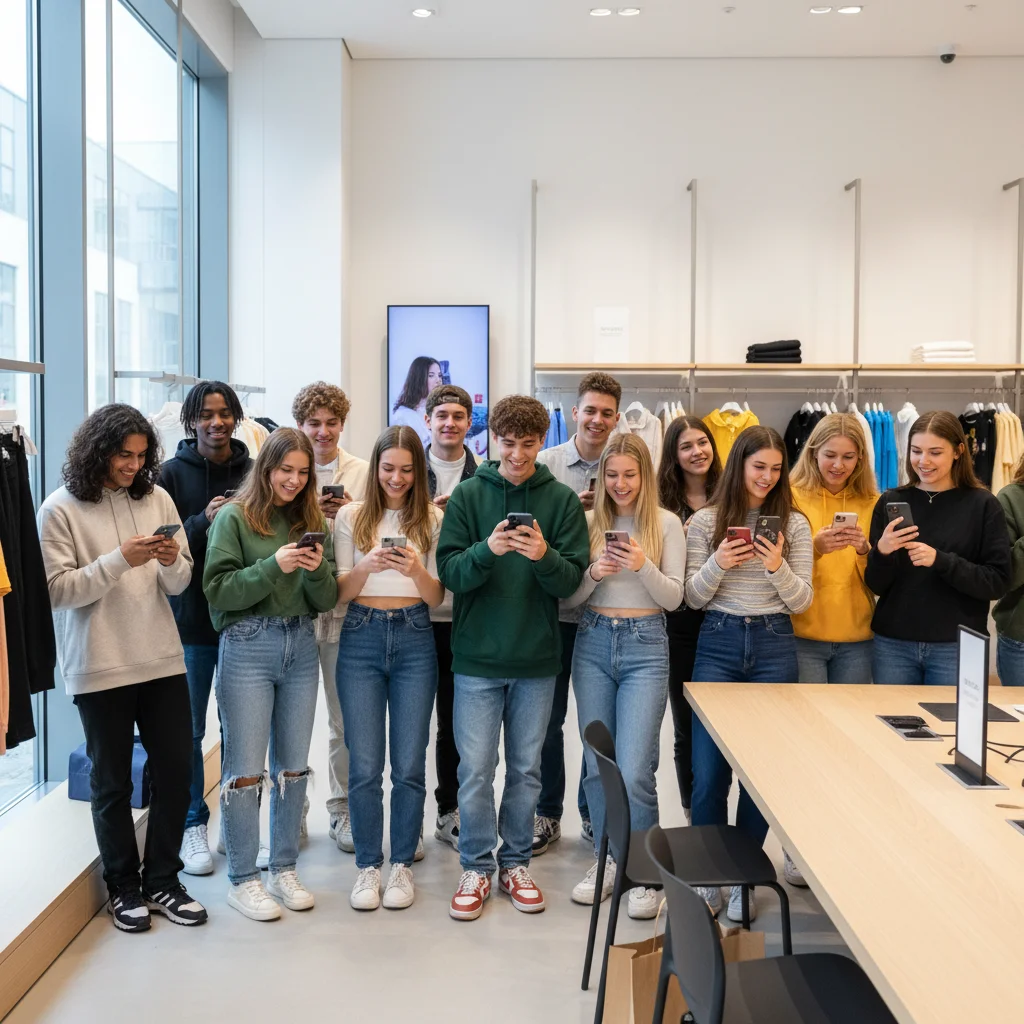
The retail landscape is in a perpetual state of flux, constantly reshaped by emerging technologies, economic shifts, and, most crucially, the evolving preferences of consumers. Among all demographic groups, Generation Z stands out as a particularly potent force, their unique values and digital fluency dictating the future direction of commerce. Born roughly between the mid-1990s and the early 2010s, this cohort is not just the next generation of consumers; they are the architects of a new retail paradigm. By 2026, their influence will be undeniable, and US retailers who fail to adapt to their distinctive shopping habits risk being left behind.
Understanding Gen Z retail shifts is not merely about tracking trends; it’s about deciphering a fundamental change in consumer psychology and behavior. This generation, having grown up entirely in the digital age, possesses an innate skepticism towards traditional marketing, a profound awareness of social and environmental issues, and an unparalleled ability to leverage digital platforms for discovery, validation, and purchase. They demand more than just products; they seek experiences, values, and authenticity. This article will delve into three pivotal Gen Z retail shifts that will define their shopping habits by 2026, offering US retailers a roadmap to effectively engage with this powerful demographic.
The Authenticity Imperative: Beyond Brand Loyalty
For previous generations, brand loyalty was often a given, built on decades of advertising and consistent product quality. For Gen Z, however, loyalty is earned, not inherited, and it hinges almost entirely on authenticity. This is one of the most significant Gen Z retail shifts US retailers must internalize. They are wary of overly polished marketing campaigns and can sniff out inauthenticity from a mile away. What does authenticity mean to this generation, and how does it translate into their shopping habits?
Firstly, authenticity for Gen Z means transparency. They want to know where products come from, how they are made, and what values the brand truly embodies. This extends beyond basic ingredient lists; they are interested in supply chain ethics, labor practices, and even the corporate culture. Brands that are opaque or attempt to hide inconvenient truths will quickly lose credibility. Conversely, brands that are open about their processes, even their imperfections, build a deeper level of trust.
Secondly, authenticity is about genuine connection. Gen Z prefers brands that feel real, human, and relatable. This often manifests in a preference for user-generated content (UGC) over professionally produced advertisements. They trust their peers, influencers they genuinely admire, and candid reviews far more than traditional brand messaging. This doesn’t mean brands should abandon professional marketing entirely, but it does mean integrating UGC and fostering a community where customers feel heard and valued is paramount.
Thirdly, authenticity involves consistency. A brand’s stated values must align with its actions. If a brand champions sustainability but its practices suggest otherwise, Gen Z will quickly call it out. They are powerful advocates for causes they believe in, but equally powerful critics of hypocrisy. This discerning approach to brand messaging means that retailers must not only articulate their values but consistently demonstrate them across all touchpoints, from product development to customer service.
How can US retailers cultivate authenticity to connect with Gen Z? It starts with a deep dive into company values and ensuring these are genuinely reflected in operations. Transparent communication, particularly regarding sourcing and environmental impact, is crucial. Engaging with consumers on social media in a personal, responsive way, rather than just broadcasting messages, builds rapport. Collaborating with micro-influencers whose values align with the brand, rather than just chasing celebrity endorsements, can also resonate more effectively. Furthermore, creating platforms for customer feedback and actively incorporating that feedback into product development or service improvements demonstrates a genuine commitment to their community.
The challenge for many established retailers lies in shedding years of polished, often impersonal, brand presentation. Gen Z demands rawness, honesty, and a willingness to engage in dialogue. Brands that embrace this vulnerability and genuinely listen to their audience will not only capture Gen Z’s attention but also earn their highly coveted loyalty in 2026 and beyond.
The Rise of Social Commerce: Shop Where You Socialize
The line between social media and e-commerce has blurred to the point of near invisibility for Gen Z. This is perhaps one of the most transformative Gen Z retail shifts. For this generation, discovery, research, and purchase are increasingly happening within the same digital ecosystems where they connect with friends, consume entertainment, and follow trends. Social commerce isn’t just a feature; it’s an ingrained behavior. By 2026, US retailers who haven’t fully embraced this shift will be missing out on a significant share of the Gen Z market.
Social commerce encompasses various activities, from shoppable posts and live stream shopping to direct purchases within messaging apps. The appeal for Gen Z is multifaceted. Firstly, it offers unparalleled convenience. Why navigate to a separate e-commerce site when you can buy directly from a post that caught your eye? This frictionless path to purchase is highly valued by a generation accustomed to instant gratification.
Secondly, social platforms are where Gen Z discovers new products. Influencers, content creators, and even their own friends play a massive role in their purchasing decisions. A recommendation from a trusted voice on TikTok or Instagram carries far more weight than a traditional advertisement. Brands that can integrate their products seamlessly into these discovery pathways, making them organically part of the social experience, will thrive.
Thirdly, social commerce taps into the desire for entertainment and community. Live shopping events, for instance, combine the thrill of a limited-time offer with interactive Q&A sessions and real-time demonstrations. This creates a sense of urgency and communal experience that traditional online shopping often lacks. It’s not just about buying a product; it’s about being part of an event, engaging with a personality, and getting immediate answers.
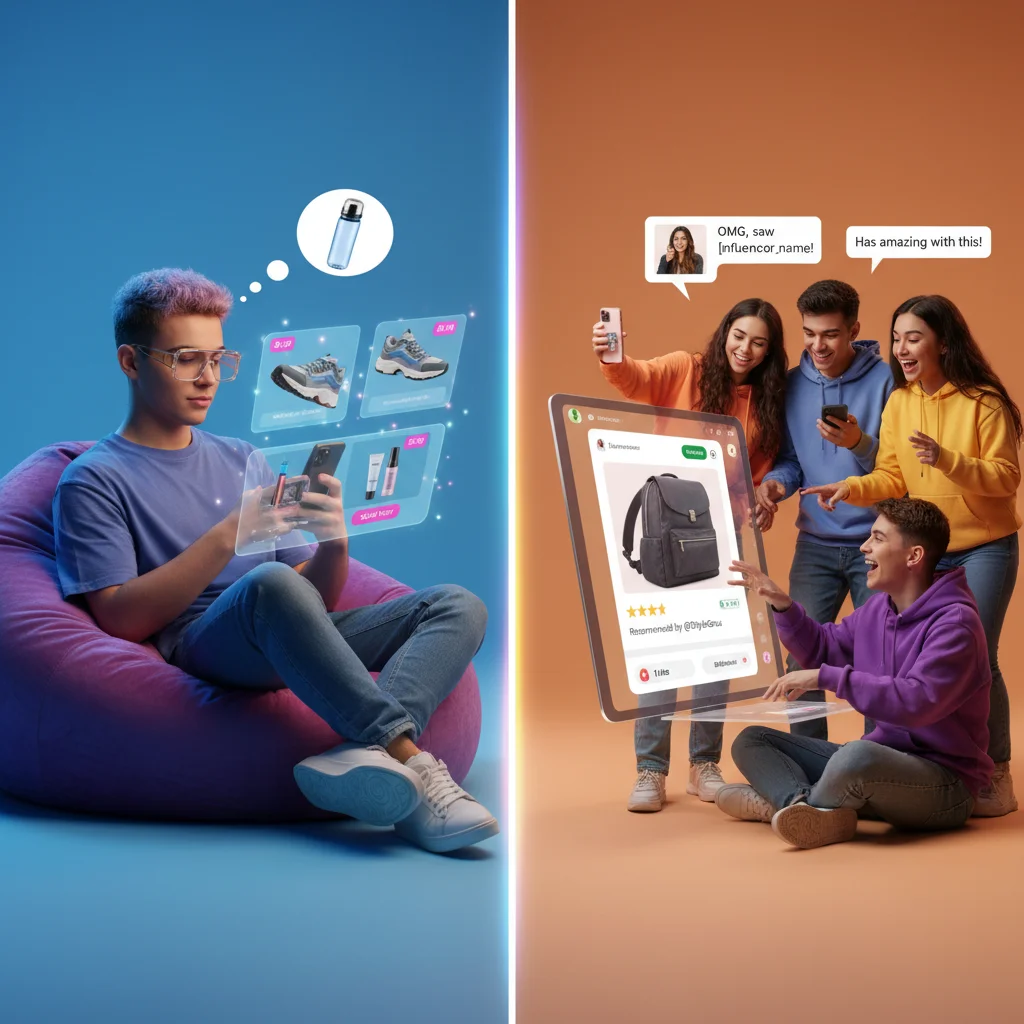
To capitalize on the rise of social commerce, US retailers need to re-evaluate their digital strategies. This means more than just having a social media presence; it means actively selling on these platforms. Investing in shoppable tags, direct-to-consumer messaging capabilities, and exploring partnerships with relevant influencers are crucial steps. Retailers should also consider experimenting with live stream shopping, creating engaging content that not only showcases products but also tells a story and builds a community around the brand.
Furthermore, understanding the nuances of each platform is key. What works on TikTok (short, engaging, often humorous videos) might not be as effective on Instagram (visually appealing posts, stories, and Reels). Tailoring content and sales approaches to the specific platform and its user base is vital. The integration of payment solutions directly within social apps also reduces friction, making the buying process as smooth as possible. By embracing social commerce as a core sales channel, retailers can meet Gen Z where they already spend a significant portion of their time and attention.
Ethical Consumption and Conscious Capitalism: Values Drive Purchases
Perhaps the most profound and far-reaching of the Gen Z retail shifts is their unwavering commitment to ethical consumption and conscious capitalism. This generation is acutely aware of the social and environmental impact of their purchasing decisions. They are not just buying products; they are voting with their wallets, supporting brands that align with their values and shunning those that don’t. By 2026, a brand’s ethical stance will be as important as its price or quality for many Gen Z consumers.
This commitment manifests in several ways. Firstly, sustainability is paramount. Gen Z is deeply concerned about climate change and environmental degradation. They actively seek out products that are eco-friendly, made from recycled or sustainable materials, have minimal packaging, and are produced using renewable energy. They want to know if a brand is truly greenwashing or genuinely committed to sustainable practices. Certifications, transparent reporting, and clear communication about environmental initiatives are highly valued.
Secondly, social responsibility is non-negotiable. This includes fair labor practices, ethical sourcing, diversity and inclusion within the company, and a commitment to giving back to communities. Gen Z is quick to research a brand’s track record on these issues and will not hesitate to boycott companies perceived as exploiting workers or engaging in unethical business practices. They expect brands to take a stand on social issues and to actively contribute to positive change.
Thirdly, conscious consumption also means a preference for quality over quantity, and often, a willingness to pay more for products that are durable, timeless, and ethically produced. Fast fashion, with its environmental and social costs, is increasingly falling out of favor. Instead, Gen Z is leaning towards brands that offer transparency in their supply chains, promote longevity, and even facilitate repair or resale programs.
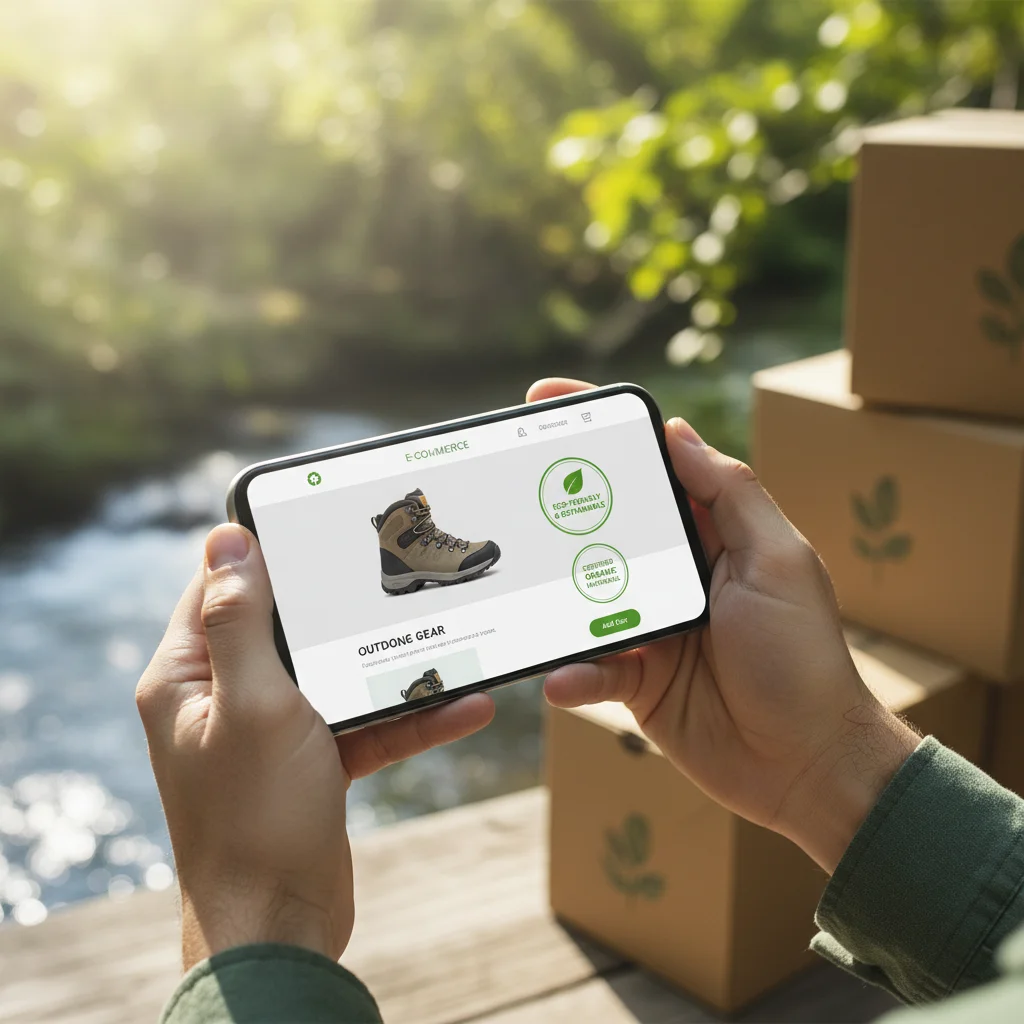
For US retailers, integrating ethical consumption into their core business model is no longer optional; it’s a strategic imperative. This means conducting thorough audits of supply chains to ensure ethical labor and environmental practices. It involves investing in sustainable materials and manufacturing processes. It also requires transparently communicating these efforts to consumers, using clear language and verifiable data rather than vague claims.
Brands should actively participate in social causes that resonate with their target audience, not just through donations but through genuine engagement and advocacy. Developing circular economy initiatives, such as take-back programs, repair services, or resale platforms, can also significantly appeal to Gen Z’s desire for sustainability and responsible consumption. This shift demands a holistic approach, where sustainability and ethics are woven into the fabric of the brand, from product design to marketing and customer engagement.
Personalization and Experiential Retail: Beyond the Transaction
While authenticity, social commerce, and ethical consumption represent the core Gen Z retail shifts, another powerful undercurrent is their demand for personalization and unique experiences. This generation, having grown up with highly personalized digital feeds and on-demand services, expects a similar level of tailored interaction from retailers. They view shopping not just as a transaction, but as an opportunity for discovery, self-expression, and engagement.
Personalization for Gen Z goes far beyond simply addressing them by name in an email. It means understanding their individual preferences, purchase history, and even their social media activity to offer highly relevant product recommendations, curated content, and exclusive offers. AI-driven recommendation engines, personalized landing pages, and customized product bundles are becoming standard expectations. The goal is to make each Gen Z shopper feel seen, understood, and valued as an individual.
Experiential retail, whether online or offline, is equally important. For this digital-native generation, physical stores are no longer just places to buy things; they are destinations for social interaction, entertainment, and brand immersion. Think interactive displays, workshops, pop-up events, and in-store technological innovations that merge the digital and physical worlds. Online, experiential retail can manifest through augmented reality (AR) try-ons, virtual stores, and highly interactive product configurators that allow for deep customization.
The convergence of personalization and experience is creating a new era of retail where the customer journey is highly individualized and engaging. Retailers who can master this will create deeper emotional connections with Gen Z, fostering a sense of belonging and community around their brand. This requires robust data analytics capabilities to understand individual preferences, coupled with creative approaches to designing memorable and interactive shopping environments, both digital and physical.
Challenges and Opportunities for US Retailers in 2026
Navigating these Gen Z retail shifts presents both significant challenges and immense opportunities for US retailers. The challenges primarily revolve around the need for fundamental operational and cultural transformations. Many traditional retail models are ill-equipped to handle the demands for radical transparency, integrated social selling, and deep ethical commitments. Re-tooling supply chains, investing in new technologies, and fostering a truly values-driven corporate culture require substantial effort and investment.
However, the opportunities are equally compelling. Retailers who successfully adapt will unlock access to a generation with significant purchasing power and a strong desire to connect with brands that truly resonate with them. Gen Z are not just consumers; they are brand advocates, content creators, and community builders. Winning their loyalty means gaining powerful allies who will champion your brand across their vast digital networks.
One key opportunity lies in leveraging technology to enhance personalization and engagement. Advanced data analytics, AI, and machine learning can help retailers understand Gen Z’s preferences at an unprecedented level, enabling hyper-personalized marketing and product offerings. Embracing AR and VR technologies can create immersive shopping experiences that bridge the gap between physical and digital, catering to Gen Z’s digital fluency.
Another opportunity is to redefine the role of the physical store. Instead of viewing it as a dying relic, retailers can transform brick-and-mortar locations into experiential hubs that complement their online presence. These spaces can become community centers, showcases for sustainable practices, or interactive showrooms where Gen Z can engage with products and brand values in a tangible way. The physical store can become a powerful tool for building brand affinity and fostering a sense of community, rather than just a point of sale.
Finally, the emphasis on ethical consumption presents an opportunity for brands to differentiate themselves and build a strong, purpose-driven identity. Retailers who genuinely commit to sustainability, social responsibility, and ethical labor practices will not only attract Gen Z but also contribute to a more responsible and equitable global economy. This shift towards conscious capitalism can lead to stronger brand reputation, increased customer loyalty, and long-term business resilience.
Conclusion: Preparing for the Gen Z-Dominated Retail Future
By 2026, the influence of Gen Z on US retail will be fully realized, demanding a fundamental re-evaluation of how brands operate, market, and connect with consumers. The three key Gen Z retail shifts – the imperative for authenticity, the dominance of social commerce, and the unwavering commitment to ethical consumption – are not fleeting trends but foundational changes in consumer behavior. Ignoring these shifts is akin to ignoring the future of retail.
For US retailers, the path forward involves a proactive and holistic approach. It means fostering radical transparency across all operations, from supply chain to marketing. It requires integrating social commerce not as an add-on, but as a core sales and discovery channel. And most importantly, it necessitates embedding genuine ethical and sustainable practices into the very DNA of the brand, demonstrating a commitment to values that resonate deeply with this generation.
The retailers who will thrive in 2026 are those who understand that Gen Z seeks more than just products; they seek purpose, connection, and an authentic reflection of their own values in the brands they choose. By embracing these Gen Z retail shifts, US businesses can not only secure their place in the evolving market but also build meaningful, lasting relationships with the most influential consumer generation of our time.