Experience Economy: Value Over Price in 2026 US Consumer Purchases
The Experience Economy: How 60% of US Consumers Prioritize Value Over Price in 2026 Purchases
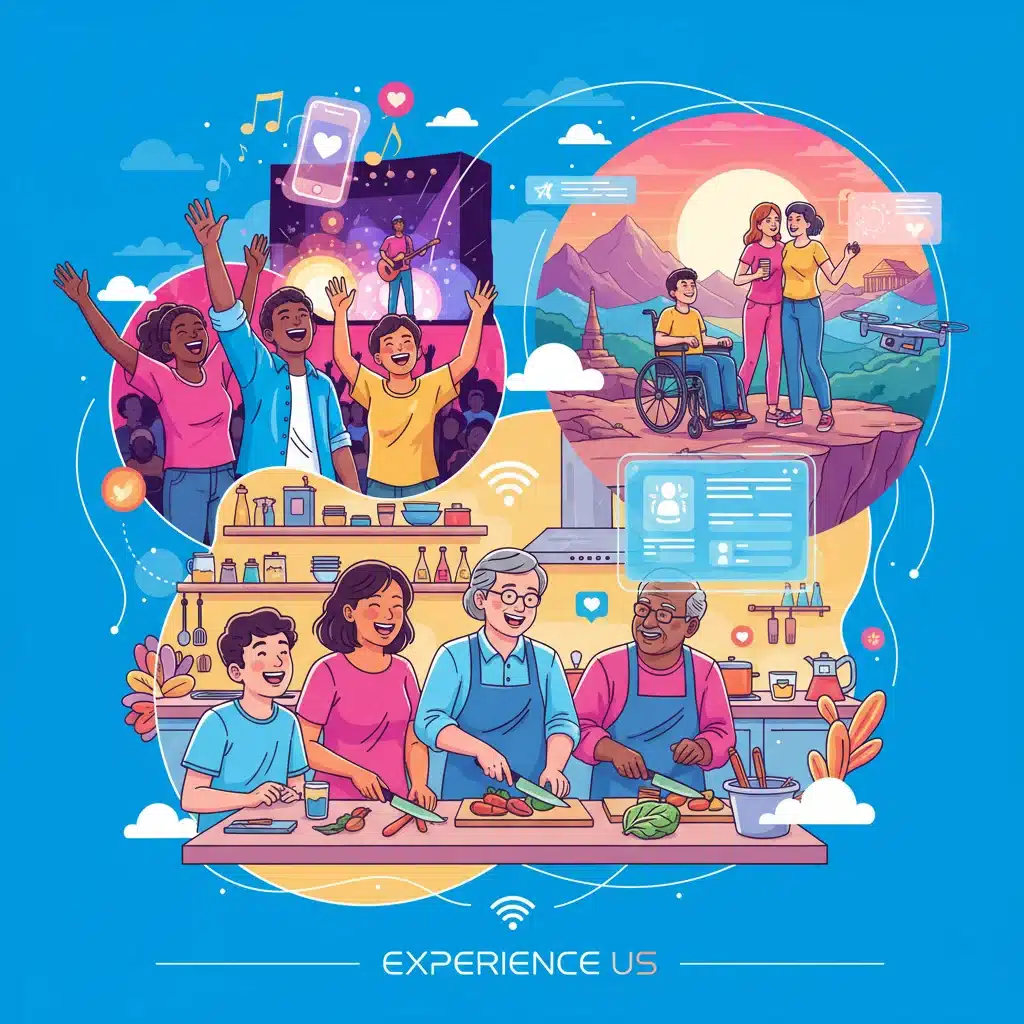
The landscape of consumer spending in the United States is undergoing a profound transformation. For decades, price has been a dominant, if not the primary, factor influencing purchasing decisions. However, a seismic shift is underway, heralding the rise of the Experience Economy. By 2026, a staggering 60% of US consumers are projected to prioritize value and the overall experience over the raw cost of a product or service. This isn’t just a trend; it’s a fundamental recalibration of consumer priorities, demanding a strategic pivot from businesses across all sectors.
This comprehensive article delves into the intricacies of this evolving market, exploring the drivers behind the Experience Economy, its implications for businesses, and actionable strategies to thrive in this new era. We’ll examine why US consumers are increasingly willing to pay a premium for memorable moments, personalized interactions, and a sense of connection, rather than simply acquiring goods. Understanding this shift is no longer optional; it’s essential for sustained growth and relevance in the coming years.
What is the Experience Economy? A New Paradigm of Value
To truly grasp the significance of this shift, we must first define the Experience Economy. Coined by Joseph Pine II and James Gilmore in their seminal 1999 book, “The Experience Economy: Work Is Theater & Every Business a Stage,” this concept posits that businesses can no longer simply offer goods or services; they must stage memorable experiences. In this economy, the experience itself becomes the primary offering, creating value beyond the tangible product or utilitarian service.
Think beyond a simple cup of coffee. In the traditional goods economy, you buy coffee beans. In the service economy, you get a barista to brew it for you. In the experience economy, you visit a unique coffee shop with a specific ambiance, personalized service, and perhaps even a live music performance, turning a mundane transaction into a cherished memory. This is the essence of prioritizing value over price.
For US consumers, this means a growing desire for engagement, personalization, and emotional connection. They seek out brands that not only meet their functional needs but also resonate with their values, provide unique opportunities for self-expression, and create lasting impressions. This shift is particularly pronounced among younger generations, but its influence is rapidly spreading across all demographics.
The Evolution from Goods to Experiences
The journey from a commodity-based economy to an experience-based one has been gradual but relentless:
- Commodity Economy: Raw materials, undifferentiated products (e.g., coffee beans).
- Goods Economy: Manufactured products, branded but still primarily functional (e.g., packaged coffee).
- Service Economy: Intangible activities performed for a customer (e.g., coffee brewed at a diner).
- Experience Economy: Staging memorable events for a customer, where the experience is the offering (e.g., a themed coffee shop with artisanal brews and engaging staff).
Each stage adds a layer of economic value, moving from basic utility to emotional and personal enrichment. The Experience Economy represents the pinnacle of this value creation, where the intangible becomes the most sought-after asset.
Why US Consumers Prioritize Value: Key Drivers of the Experience Economy
The projection that 60% of US consumers will prioritize value over price by 2026 isn’t arbitrary; it’s driven by a confluence of powerful societal, technological, and psychological factors. Understanding these drivers is crucial for businesses aiming to adapt and thrive in the burgeoning Experience Economy.
1. The Rise of the Digital Native and Social Sharing
Younger generations, particularly Millennials and Gen Z, have grown up in a digitally saturated world where experiences are not only lived but also shared. Social media platforms have become virtual stages for showcasing unique adventures, personalized products, and memorable moments. This creates a powerful feedback loop: the more people share their experiences, the more others aspire to have similar ones. A product’s utility is often secondary to its ‘shareability’ and the story it allows consumers to tell about themselves.
2. Increased Disposable Income and Shifting Priorities
While economic fluctuations exist, many US consumers, especially in certain demographics, have seen an increase in disposable income. Crucially, their priorities have shifted. Instead of accumulating more material possessions, there’s a growing inclination to invest in personal growth, well-being, and unique adventures. This isn’t about conspicuous consumption; it’s about enriching one’s life through meaningful engagements.
3. The Search for Authenticity and Connection
In an increasingly commoditized world, consumers are yearning for authenticity and genuine human connection. They are wary of generic, mass-produced offerings and are actively seeking out brands that offer transparency, ethical practices, and a sense of community. Experiences that foster genuine connection, whether with a brand, a community, or even oneself, hold immense appeal.
4. Personalization as the New Standard
Technological advancements have made personalization not just possible but expected. From tailored recommendations on streaming services to customized product configurations, consumers are accustomed to experiences designed specifically for them. Generic offerings feel impersonal and fail to capture attention in a crowded marketplace. The Experience Economy thrives on the ability to make each customer feel seen, understood, and uniquely catered to.
5. The Abundance Paradox: Too Many Choices, Not Enough Meaning
Consumers today are overwhelmed by choice. In virtually every product category, there are countless options, often with marginal differences in price or features. This abundance paradox leads to decision fatigue and a devaluation of material goods. In contrast, a well-crafted experience cuts through the noise, offering distinct meaning and a memorable narrative that transcends mere product specifications.
6. Well-being and Mental Health Awareness
There’s a growing societal emphasis on well-being, mental health, and self-care. Experiences that promote relaxation, learning, creativity, or physical activity are increasingly valued. Consumers are willing to spend on things that contribute to their overall happiness and personal development, recognizing that these intangible benefits often outweigh the fleeting satisfaction of a new material possession.
These drivers collectively underscore a fundamental shift in what constitutes ‘value’ for the modern US consumer. It’s no longer just about what something costs, but what it provides in terms of enrichment, connection, and personal satisfaction. Businesses that recognize and respond to these evolving needs are best positioned to capture the loyalty and spending power of this new consumer paradigm.
Implications for Businesses: Thriving in the Experience Economy
The shift towards the Experience Economy presents both significant challenges and immense opportunities for businesses. Companies that fail to adapt risk becoming irrelevant, while those that embrace this new paradigm can forge deeper customer relationships and unlock unprecedented growth. Here are the key implications:
1. Redefining the Customer Journey
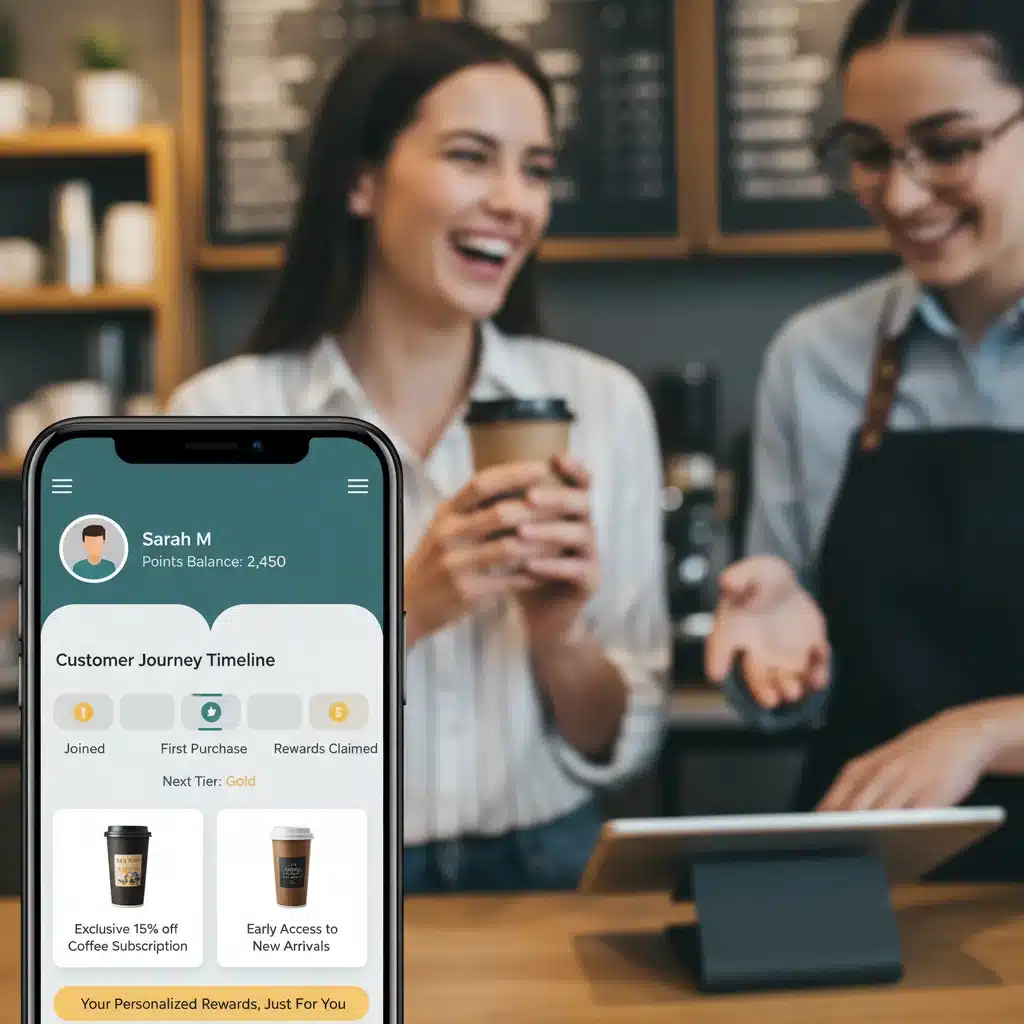
The traditional linear customer journey (awareness > consideration > purchase > loyalty) is being replaced by a more fluid, cyclical model centered around continuous engagement and experience. Every touchpoint, from initial discovery to post-purchase support, must be viewed as an opportunity to create a positive, memorable experience. This requires a holistic approach, breaking down silos between marketing, sales, and customer service.
2. Investing in Customer Experience (CX)
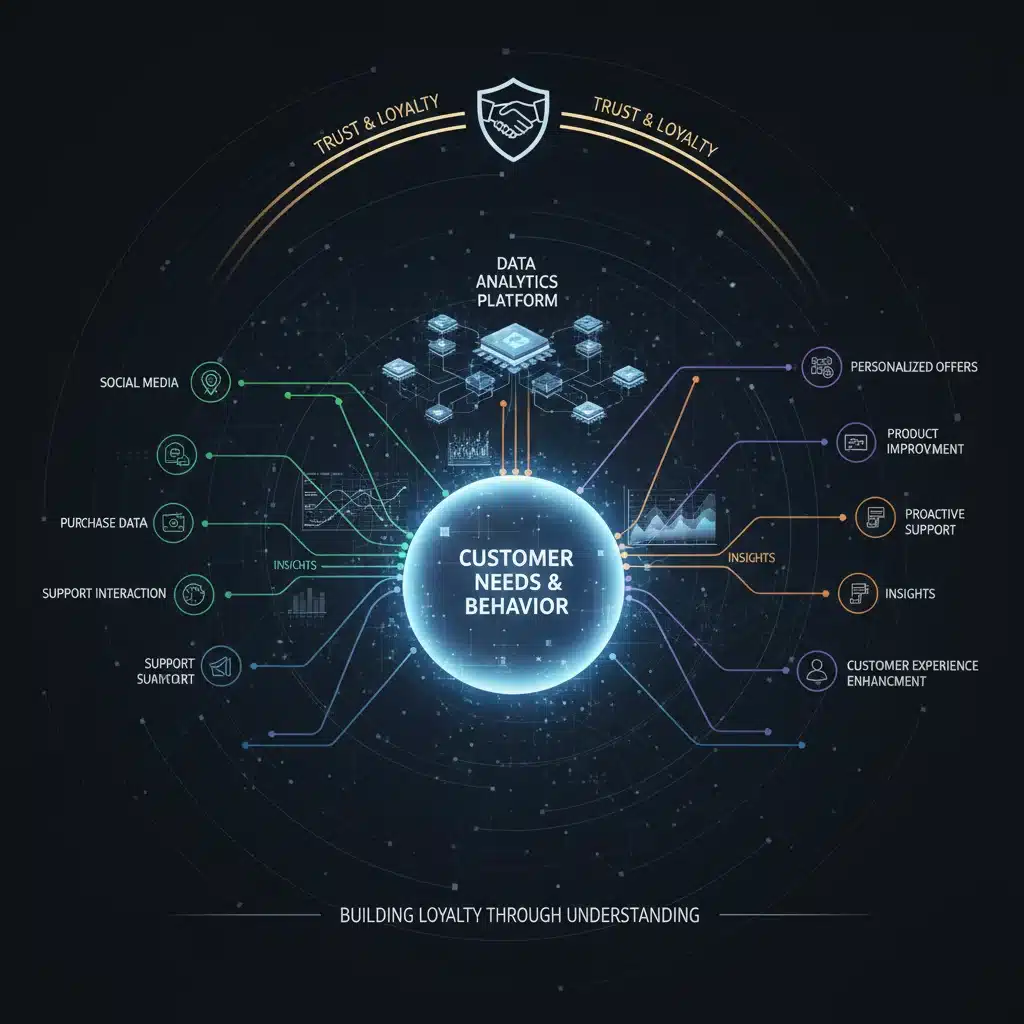
Customer Experience (CX) is no longer a buzzword; it’s a strategic imperative. Businesses must invest heavily in understanding customer needs, pain points, and desires across all channels. This involves robust data analytics, customer feedback mechanisms, and a culture that prioritizes empathy and responsiveness. Companies known for exceptional CX will gain a significant competitive advantage in the Experience Economy.
3. Personalization at Scale
Generic marketing and one-size-fits-all products are becoming obsolete. Consumers expect personalized recommendations, customized offerings, and tailored communications. Leveraging data and AI to deliver personalization at scale is crucial. This could mean anything from dynamically adjusting website content based on user behavior to offering bespoke product configurations or unique event invitations.
4. Storytelling and Brand Narrative
In a world saturated with information, compelling stories cut through the noise. Brands need to develop a strong, authentic narrative that resonates with consumers’ values and aspirations. This narrative should be woven into every aspect of the customer experience, from advertising to product design to customer service interactions. The story itself becomes part of the value proposition in the Experience Economy.
5. The Power of Co-creation
Engaging customers in the creation process can significantly enhance the perceived value of an experience. Whether it’s through user-generated content, product customization options, or community-driven initiatives, co-creation fosters a sense of ownership and deeper connection. It transforms passive consumers into active participants, amplifying the memorability and impact of the experience.
6. Measuring Experiential Value
Traditional metrics like sales volume and profit margins remain important, but businesses also need to develop new ways to measure experiential value. This could include customer satisfaction scores (CSAT), Net Promoter Scores (NPS), customer effort scores (CES), and metrics related to engagement, repeat purchases, and social sharing. Understanding the ROI of experience is key to strategic investment.
7. Employee Experience (EX) Matters
Happy employees create happy customers. In the Experience Economy, frontline staff are often the direct touchpoint for delivering memorable experiences. Investing in employee training, empowerment, and a positive work culture is paramount. Employees who feel valued and engaged are more likely to deliver exceptional service and embody the brand’s experiential promise.
The implications are clear: businesses must shift their focus from merely selling products or services to orchestrating compelling, personalized, and emotionally resonant experiences. This requires a fundamental change in mindset, strategy, and investment across the entire organization.
Actionable Strategies to Thrive in the Experience Economy
For businesses looking to capitalize on the growing Experience Economy and attract the 60% of US consumers prioritizing value, adopting a proactive and customer-centric approach is essential. Here are actionable strategies:
1. Map the Customer Journey with an Experiential Lens
Go beyond traditional journey mapping. Identify every single touchpoint a customer has with your brand, both online and offline. For each touchpoint, ask: What experience are we delivering here? Is it memorable? Is it personalized? Does it evoke positive emotions? Pinpoint pain points and opportunities for delight. This granular understanding is the foundation for crafting superior experiences.
2. Invest in Data Analytics and AI for Hyper-Personalization
Collect and analyze customer data ethically and effectively. Use AI and machine learning to understand individual preferences, predict needs, and deliver hyper-personalized experiences. This can range from tailored product recommendations and customized content to proactive customer support and unique loyalty rewards. The more relevant and timely your interactions, the stronger the customer connection.
3. Create Immersive and Multi-Sensory Environments
Whether it’s a physical store, a website, or a virtual event, design environments that engage multiple senses. Think about visual aesthetics, soundscapes, even scents or tactile elements where appropriate. For digital experiences, focus on intuitive interfaces, engaging multimedia, and interactive elements that draw users in. An immersive environment elevates a transaction into an event.
4. Foster Community and Belonging
Consumers are looking for more than just products; they’re seeking connection. Build communities around your brand, whether through online forums, exclusive events, or shared interest groups. Encourage user-generated content and facilitate interactions between customers. A strong sense of community can significantly enhance brand loyalty and perceived value in the Experience Economy.
5. Empower Employees to Be Experience Orchestrators
Your employees are your frontline experience deliverers. Provide comprehensive training that goes beyond product knowledge to focus on emotional intelligence, problem-solving, and personalized service. Empower them to make decisions that enhance the customer experience. A positive employee experience directly translates to a positive customer experience.
6. Offer Unique, Limited-Time, and Exclusive Experiences
Scarcity and exclusivity drive demand in the Experience Economy. Offer limited-edition products tied to unique events, exclusive access to content or services, or personalized invitations to special gatherings. These create a sense of urgency and make the experience feel more valuable and memorable.
7. Embrace Storytelling and Emotional Branding
Develop a compelling brand story that communicates your purpose, values, and the emotional benefits of engaging with your brand. Use this story consistently across all marketing channels. Focus on how your products or services make customers feel, rather than just what they do. Emotional connections are far more powerful than rational appeals in fostering loyalty.
8. Prioritize Seamless Omnichannel Integration
Customers interact with brands across numerous channels – social media, website, physical stores, mobile apps. Ensure a consistent, seamless, and personalized experience regardless of the channel. Information should flow freely, and customers should be able to pick up where they left off without friction. This reduces effort and enhances overall satisfaction.
9. Solicit and Act on Customer Feedback
Actively seek feedback at every stage of the customer journey. Use surveys, reviews, social listening, and direct conversations to understand what’s working and what isn’t. Crucially, demonstrate that you are listening by implementing changes based on this feedback. This builds trust and shows customers their input is valued.
10. Partner for Enhanced Experiences
Consider collaborations with other businesses or creators to offer unique, bundled experiences. A hotel might partner with a local tour operator, a restaurant with an art gallery, or a retail store with a workshop provider. These partnerships can create novel value propositions and reach new audiences, enriching the overall Experience Economy offering.
By implementing these strategies, businesses can move beyond transactional relationships to build deep, lasting connections with US consumers, ensuring their relevance and profitability in the rapidly evolving Experience Economy.
Case Studies and Examples: Brands Winning in the Experience Economy
Numerous brands are already excelling in the Experience Economy by prioritizing value over price and crafting unforgettable interactions. Their successes offer valuable lessons:
Starbucks: The Third Place
Starbucks didn’t just sell coffee; they sold an experience – the “third place” between home and work. With comfortable seating, consistent Wi-Fi, personalized orders, and a distinct ambiance, they transformed a simple commodity into a daily ritual. Their loyalty program, personalized app experience, and community involvement further solidify their position as an experience leader.
Disney Parks: Immersive Storytelling
Disney is the quintessential example of the Experience Economy. Every aspect of their theme parks is meticulously designed to immerse visitors in a story, from the themed rides and character interactions to the food and merchandise. They don’t just offer rides; they offer a complete escape into a magical world, creating lifelong memories that families are willing to pay a premium for.
Apple: Seamless Integration and Design
While known for premium products, Apple’s success also stems from its unparalleled experience. From the minimalist store design and knowledgeable staff to the intuitive user interface of its devices and seamless ecosystem integration, every touchpoint is crafted to be effortless and delightful. The unboxing experience itself is a masterclass in experiential design.
Peloton: Fitness and Community
Peloton sells exercise bikes and treadmills, but its true value lies in the immersive, community-driven fitness experience it provides. Live and on-demand classes, charismatic instructors, performance tracking, and social features create a highly engaging and motivating environment. Users aren’t just buying equipment; they’re buying into a lifestyle and a supportive community, demonstrating the power of the Experience Economy in the fitness sector.
Airbnb: Authentic Travel and Local Connection
Airbnb disrupted the hospitality industry by offering more than just a place to stay. It promised authentic, local experiences and a sense of belonging. By connecting travelers with unique accommodations and local hosts, it transformed a generic hotel stay into a personalized adventure, allowing guests to live like a local and create unique memories.
Sephora: Personalized Beauty Journey
Sephora has mastered the art of experiential retail in the beauty sector. Beyond offering a vast array of products, they provide in-store makeovers, beauty classes, virtual try-on tools, and a highly personalized loyalty program. Their focus is on empowering customers to explore, experiment, and find their perfect beauty routine, making shopping an engaging and educational experience.
These examples illustrate that success in the Experience Economy isn’t limited to a single industry. It’s about understanding customer desires for engagement, personalization, and emotional connection, and then meticulously designing every interaction to deliver on that promise. Brands that prioritize the holistic experience, rather than just the product or service, are the ones winning the hearts and wallets of US consumers.
The Future is Experiential: Preparing for 2026 and Beyond
The projection that 60% of US consumers will prioritize value over price by 2026 is not an endpoint but a significant milestone in the ongoing evolution of the Experience Economy. The trajectory indicates that this emphasis on experiences will only deepen and broaden in the years to come. Businesses that fail to recognize and adapt to this fundamental shift risk obsolescence.
Key Predictions for the Future of the Experience Economy:
- Hyper-personalization will become the norm: AI and data will enable even more granular understanding of individual preferences, leading to truly bespoke experiences across all sectors.
- Phygital experiences will dominate: The lines between physical and digital experiences will continue to blur, with augmented reality (AR), virtual reality (VR), and seamless online-to-offline journeys becoming commonplace.
- Sustainability and ethical experiences will gain prominence: Consumers will increasingly seek out brands that align with their values, prioritizing experiences that are environmentally responsible and socially conscious.
- The subscription model will evolve: Beyond access to content or goods, subscriptions will increasingly offer exclusive, curated experiences and community benefits.
- Well-being experiences will expand: From personalized wellness retreats to digital mindfulness tools, experiences focused on mental, physical, and emotional health will see continued growth.
- Gamification of everyday experiences: Elements of game design will be integrated into more consumer interactions, making routine tasks more engaging and rewarding.
For businesses, the message is clear: the future of commerce is experiential. It’s about forging emotional connections, providing meaningful interactions, and understanding that every customer touchpoint is an opportunity to create value beyond the tangible. The race is on to master the art and science of experience design.
Companies must foster a culture of innovation, agility, and deep customer empathy. They need to continuously listen to their audience, experiment with new technologies, and be willing to challenge traditional business models. Those that embrace this challenge will not only survive but thrive, building loyal customer bases and securing their place in the heart of the Experience Economy.
Conclusion: Embracing the Experiential Imperative
The data unequivocally points to a future where the Experience Economy reigns supreme, with 60% of US consumers prioritizing value and experience over mere price by 2026. This isn’t a fleeting trend; it’s a fundamental redefinition of consumer expectations and market dynamics. Businesses that cling to outdated, product-centric models will find themselves increasingly marginalized.
To succeed in this evolving landscape, organizations must commit to a profound transformation. This involves shifting from a transactional mindset to an experiential one, investing in customer journey mapping, leveraging data for hyper-personalization, empowering employees, and fostering genuine community. It’s about crafting stories, evoking emotions, and creating moments that resonate deeply with individuals.
The rewards for embracing the experiential imperative are significant: enhanced brand loyalty, increased customer lifetime value, differentiation in a crowded market, and ultimately, sustainable growth. The time to act is now. By strategically focusing on delivering unparalleled experiences, businesses can not only meet but exceed the evolving demands of the US consumer, securing their place at the forefront of the Experience Economy for years to come.