2026 Guide: Understanding Price Hikes & Avoiding Overpaying by 10%
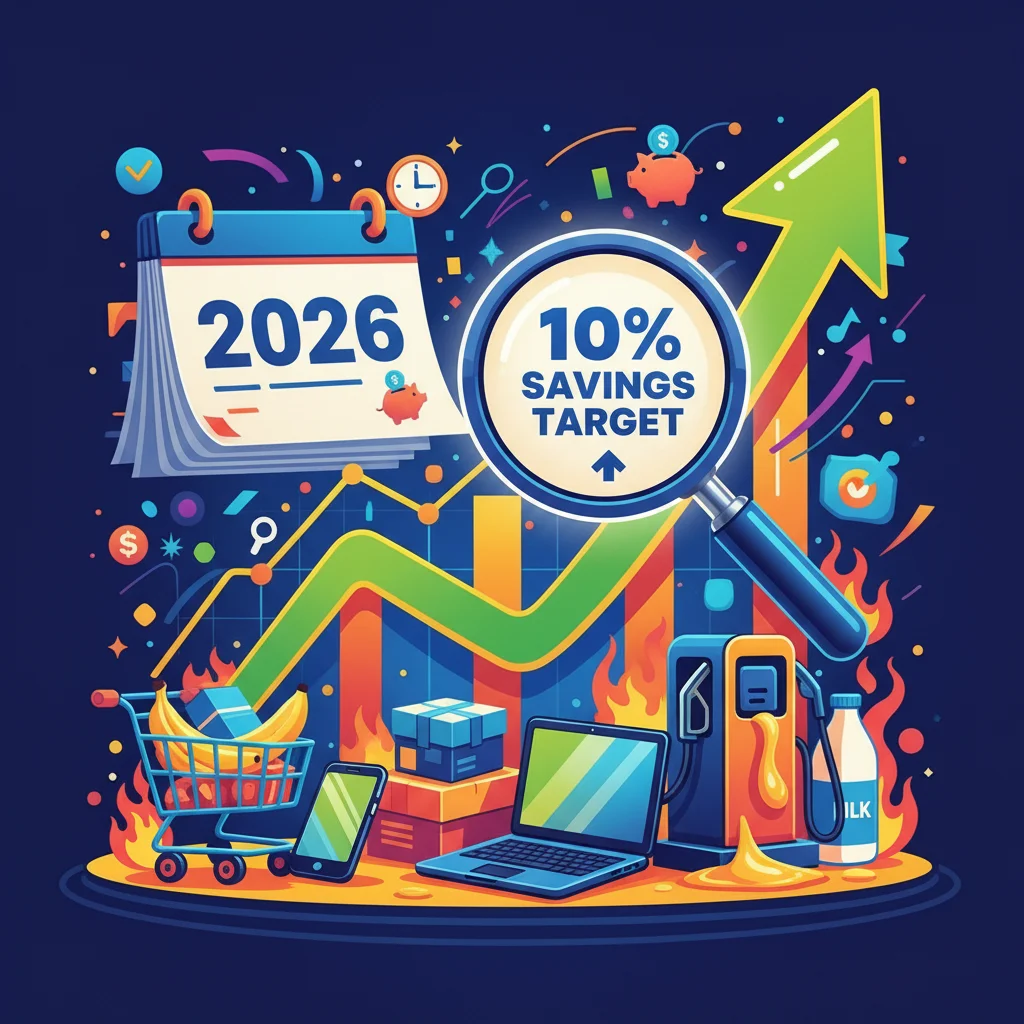
In an ever-evolving global economy, consumers are constantly navigating the complexities of market fluctuations and the persistent challenge of rising costs. The year 2026 is anticipated to bring its own set of economic shifts, making it more critical than ever to understand the dynamics behind price increases and develop robust strategies for avoiding price hikes. This comprehensive guide is designed to empower you with the knowledge and tools necessary to protect your purchasing power and avoid overpaying by as much as 10% on your essential goods and services.
The specter of inflation, supply chain disruptions, geopolitical events, and evolving consumer demands all contribute to the upward trajectory of prices. For the average household, these incremental increases can significantly erode budgets and reduce discretionary spending. By proactively understanding these forces and implementing smart consumer practices, you can mitigate the impact and maintain financial stability. This article will delve into the root causes of price hikes, explore their various manifestations across different sectors, and, most importantly, equip you with actionable strategies to become a more discerning and resilient consumer.
Whether it’s your weekly grocery bill, monthly utility payments, or larger purchases like electronics and vehicles, the potential for overpaying is ever-present. Our goal is to transform you from a reactive consumer into a proactive one, capable of identifying potential price traps and making informed decisions that save you money. Let’s embark on this journey to master the art of smart spending in 2026 and beyond, ensuring you get the most value for your hard-earned money and effectively navigate the economic currents to avoid overpaying.
Understanding the Root Causes of Price Hikes in 2026
To effectively combat rising costs and succeed in avoiding price hikes, it’s crucial to first understand what drives them. The global economy is a complex web of interconnected factors, and several key elements are expected to exert significant pressure on prices in 2026. Recognizing these underlying causes will enable you to anticipate future price movements and adjust your spending habits accordingly.
Global Economic Trends and Inflationary Pressures
Inflation remains a primary driver of price increases. It’s the rate at which the general level of prices for goods and services is rising, and subsequently, the purchasing power of currency is falling. In 2026, inflation could be influenced by a combination of factors:
- Monetary Policies: Central banks’ decisions regarding interest rates and money supply directly impact inflation. Loose monetary policies (low interest rates, quantitative easing) can inject more money into the economy, potentially leading to higher demand and, consequently, higher prices.
- Fiscal Policies: Government spending and taxation policies also play a role. Large government expenditures, especially if not offset by increased productivity, can stimulate demand and contribute to inflation.
- Wage Growth: If wages rise faster than productivity, businesses may pass these increased labor costs onto consumers in the form of higher prices, creating a wage-price spiral.
Supply Chain Disruptions and Geopolitical Instability
The fragility of global supply chains has been a recurring theme in recent years, and this vulnerability is likely to persist into 2026. Any disruption can lead to shortages, which inherently drive up prices. Key contributing factors include:
- Geopolitical Conflicts: Wars, trade disputes, and political instability in key manufacturing or resource-producing regions can severely impact the flow of goods and raw materials. This can lead to increased shipping costs, longer lead times, and higher prices for finished products.
- Natural Disasters and Climate Change: Increasingly frequent and severe weather events can disrupt production, transportation, and agricultural output, causing localized or widespread price hikes for affected goods.
- Logistical Challenges: Shortages of shipping containers, port congestion, and labor shortfalls in the transportation sector can all contribute to higher freight costs, which are ultimately passed on to the consumer. These challenges are often a significant reason for avoiding price hikes becoming more difficult without careful planning.
Energy Costs and Raw Material Fluctuations
Energy is a fundamental input for almost every industry, from manufacturing and agriculture to transportation and retail. Fluctuations in energy prices, particularly oil and natural gas, have a ripple effect across the entire economy. Similarly, the cost of raw materials—metals, timber, agricultural commodities—can significantly impact the final price of goods. Factors influencing these costs include:
- Global Demand: Increased industrial activity and economic growth worldwide can drive up demand for energy and raw materials, pushing prices higher.
- Production Levels: Supply constraints, whether due to geological factors, investment levels, or regulatory changes, can limit the availability of these essential inputs.
- Speculation: Commodity markets are often subject to speculation, which can amplify price swings independently of fundamental supply and demand.
Technological Advancements and Their Dual Impact
While technology often leads to efficiencies and cost reductions in the long run, its initial implementation can sometimes contribute to price increases. For example, the development and integration of new, advanced components in electronics can temporarily raise production costs. Moreover, the increasing demand for certain high-tech materials, such as rare earth elements, can create supply pressures. However, technology also offers solutions for avoiding price hikes, through automation and improved logistics, which we will explore later.
Consumer Behavior and Demand Shifts
Ultimately, prices are also a function of demand. Changes in consumer preferences, such as a surge in demand for sustainable products or specific brands, can give companies leverage to raise prices. Similarly, herd mentality or panic buying, often triggered by external events, can lead to artificial shortages and temporary price spikes. Understanding these demand-side pressures is key to predicting where price increases might emerge and how to best position yourself to avoid overpaying.
Identifying Sectors Prone to Price Increases in 2026
While price hikes can affect virtually any sector, some industries are more susceptible due to their inherent characteristics and sensitivity to the factors discussed above. Being aware of these vulnerable sectors will help you strategically plan your purchases and budget for 2026, further enhancing your ability to succeed in avoiding price hikes.
Food and Groceries
- Agricultural Inputs: Fertilizer costs, fuel for farming machinery, and labor wages directly impact food production costs.
- Climate Impact: Unpredictable weather patterns, droughts, and floods can significantly reduce crop yields, leading to scarcity and higher prices for fresh produce, grains, and livestock feed.
- Supply Chain Bottlenecks: Transportation and processing challenges can add to the final cost of food products.
- Packaging Costs: Rising costs of plastic, glass, and cardboard also contribute to higher grocery bills.
Energy and Utilities
- Global Oil and Gas Markets: Geopolitical tensions, OPEC+ decisions, and demand from emerging economies will continue to influence crude oil and natural gas prices, affecting gasoline, heating oil, and electricity generation.
- Renewable Energy Transition Costs: While beneficial long-term, the initial investment in renewable infrastructure can sometimes lead to temporary increases in utility rates.
- Carbon Pricing: Policies aimed at reducing carbon emissions, such as carbon taxes or cap-and-trade systems, can increase the cost of fossil fuel-based energy.
Housing and Real Estate
- Interest Rates: Central bank interest rate hikes directly impact mortgage rates, increasing the cost of homeownership for new buyers and potentially raising rental costs as landlords pass on financing expenses.
- Construction Costs: Labor shortages, rising material costs (lumber, steel, concrete), and supply chain issues can drive up the price of new homes and renovations.
- Demand vs. Supply: Persistent housing shortages in desirable areas will continue to exert upward pressure on both sales prices and rental rates.
Automotive Sector
- Raw Material Costs: Prices of steel, aluminum, copper, and especially components for electric vehicle batteries (lithium, cobalt, nickel) are subject to global market fluctuations.
- Semiconductor Shortages: While improving, the vulnerability of the semiconductor supply chain can still affect vehicle production and prices.
- Regulatory Costs: Stricter emissions standards and safety regulations can add to manufacturing costs, which are then passed on to consumers, making avoiding price hikes on new vehicles a significant challenge.
Electronics and Technology
- Chip Manufacturing: The cost of advanced semiconductor manufacturing remains high, impacting everything from smartphones to home appliances.
- Rare Earth Elements: Many high-tech products rely on rare earth minerals, whose supply and pricing can be volatile due to geopolitical factors and limited extraction sites.
- Research and Development: The continuous innovation cycle in tech requires significant R&D investment, which is often reflected in product prices.
Healthcare and Pharmaceuticals
- R&D Costs: Developing new drugs and medical technologies is incredibly expensive, and these costs are recovered through drug prices.
- Regulatory Compliance: Meeting stringent health and safety regulations adds to operational costs for healthcare providers and pharmaceutical companies.
- Labor Shortages: A scarcity of skilled healthcare professionals can drive up wages, which are then factored into service costs.
By keeping a watchful eye on these sectors, you can better anticipate where your budget might be strained and where you need to apply the strategies for avoiding price hikes that we will discuss next. Proactive monitoring and informed decision-making are your best defenses against the economic pressures of 2026.
Actionable Strategies for Avoiding Overpaying by 10%
Now that we understand the ‘why’ and ‘where’ of price hikes, let’s focus on the ‘how’ – how to actively combat these increases and avoid overpaying. The goal is to develop a multi-faceted approach that integrates smart shopping, financial planning, and a keen awareness of market dynamics. By consistently applying these strategies, you can realistically aim to save 10% or more on your annual expenses.
1. Master the Art of Price Comparison
This is perhaps the most fundamental strategy for avoiding price hikes. Never assume the first price you see is the best price. In the digital age, comparing prices is easier than ever.
- Online Comparison Tools: Utilize websites and browser extensions specifically designed to compare prices across multiple retailers for products ranging from electronics to clothing.
- Grocery Store Flyers & Apps: Before your grocery run, check weekly flyers and store apps for sales, coupons, and loyalty program discounts.
- Unit Pricing: Always pay attention to unit pricing (price per ounce, per 100g, etc.) for groceries and household essentials. Larger packages aren’t always cheaper per unit.
- Subscription Services: For recurring purchases, compare prices from different subscription providers or consider buying in bulk less frequently.

2. Embrace Strategic Shopping Habits
Your shopping habits have a significant impact on how much you spend. Small changes can lead to substantial savings over time.
- Buy in Bulk (Wisely): For non-perishable items you use frequently, bulk buying can offer significant savings. However, only buy what you will realistically use to avoid waste.
- Shop Off-Season: Purchase seasonal items (clothing, holiday decorations, garden supplies) when they are out of season and heavily discounted.
- Utilize Sales Cycles: Understand when different categories of products typically go on sale (e.g., linens in January, cars at the end of the month/quarter).
- Meal Planning: Plan your meals for the week to create a precise grocery list, reducing impulse buys and food waste.
- Generic Brands: For many products, generic or store brands offer the same quality as name brands at a fraction of the cost.
3. Leverage Technology and Digital Tools
Technology isn’t just for entertainment; it’s a powerful ally in avoiding price hikes.
- Price Tracking Apps/Websites: Set up alerts for desired products to be notified when their price drops to your target.
- Cashback Apps and Credit Cards: Use apps that offer cashback on purchases or credit cards with rewards programs that align with your spending habits. Be mindful of interest rates if you don’t pay off your balance monthly.
- Digital Coupons: Many retailers offer exclusive digital coupons through their apps or websites.
- Budgeting Software: Track your spending to identify areas where you can cut back and monitor your progress towards saving 10%.
4. Scrutinize Your Subscriptions and Services
Recurring monthly expenses can silently drain your budget. Regularly review all your subscriptions.
- Audit Regularly: Go through your bank statements and identify all recurring charges. Cancel any services you no longer use or need.
- Negotiate: Don’t be afraid to call service providers (internet, cable, insurance) and negotiate better rates. Often, they will offer discounts to retain customers.
- Bundle Services: Sometimes bundling services (e.g., internet and mobile) can lead to savings, but compare carefully to ensure it’s truly a better deal.
- Energy Efficiency: Invest in energy-efficient appliances, seal drafts, and adjust your thermostat to reduce utility bills.
5. Smart Investing and Financial Planning
While not a direct shopping strategy, sound financial planning can offset the impact of price hikes.
- Emergency Fund: A robust emergency fund prevents you from going into debt when unexpected expenses arise, debt which can be exacerbated by rising costs.
- Invest Wisely: Consider investments that can outpace inflation, such as stocks, real estate, or inflation-indexed bonds, to grow your wealth over time.
- Debt Management: Prioritize paying off high-interest debt, as rising interest rates can make debt significantly more expensive.
6. Delaying Non-Essential Purchases
Sometimes, the best way to avoid overpaying is to simply wait. If a purchase isn’t urgent, defer it. This gives you time to:
- Monitor Prices: Watch for sales or price drops.
- Re-evaluate Need: Sometimes, the desire for an item fades with time, saving you money entirely.
- Seek Alternatives: You might discover a cheaper or equally effective alternative in the interim.
7. DIY and Repair Culture
In a world of rising service costs, embracing a ‘do-it-yourself’ (DIY) approach can save a considerable amount.
- Home Repairs: Learn basic home maintenance and repair skills. YouTube tutorials and online forums are excellent resources.
- Vehicle Maintenance: Simple tasks like oil changes, tire rotations, and air filter replacements can be done at home.
- Cooking at Home: Eating out is almost always more expensive than cooking a meal at home.
- Repair Instead of Replace: Before discarding a broken item, research if it can be repaired. Many electronics, appliances, and clothing items can be fixed for less than the cost of replacement. This is a powerful tactic for avoiding price hikes on new goods.
8. Optimize Transportation Costs
Fuel and vehicle maintenance are significant expenses for many. Optimizing these can lead to substantial savings.
- Public Transport/Carpool: Reduce reliance on personal vehicles where feasible.
- Fuel Efficiency: Drive efficiently (avoid rapid acceleration/braking), keep tires properly inflated, and perform regular vehicle maintenance.
- Compare Fuel Prices: Use apps to find the cheapest gas stations in your area.
- Walk or Bike: For short distances, walking or cycling is not only free but also beneficial for health and the environment.
9. Be a Selective Consumer
Not every product or brand is created equal, nor are their price increases uniform. Develop a discerning eye for value.
- Quality vs. Cost: Sometimes, paying a little more for a higher-quality item that lasts longer can save you money in the long run by reducing replacement frequency.
- Brand Loyalty vs. Value: While brand loyalty has its place, be open to trying new brands or products that offer better value, especially if your preferred brand has significantly increased its prices.
- Read Reviews: Before making a significant purchase, read reviews to ensure the product meets your expectations and offers good value for its price.

Measuring Your Savings and Staying Accountable
Implementing these strategies is only half the battle. To truly succeed in avoiding price hikes and achieving your 10% savings goal, you need a system for tracking your progress and staying accountable.
Set Clear Goals
Define what a ‘10% saving’ means for your household. Is it 10% off your total monthly budget, or 10% off specific categories like groceries or utilities? Having a clear target makes it easier to measure success.
Track Your Spending Diligently
Use budgeting apps, spreadsheets, or even a simple notebook to record every expense. Categorize your spending to identify where your money is going and where you’ve successfully saved. Many banking apps now offer integrated spending trackers that can simplify this process.
Regularly Review and Adjust
Economic conditions and your personal circumstances can change. Schedule monthly or quarterly reviews of your budget and spending habits. Are the strategies you’re employing still effective? Are there new areas where you can cut back, or new deals you can leverage? This iterative process is crucial for long-term success in avoiding price hikes.
Celebrate Small Wins
Saving money can sometimes feel like a chore. Acknowledge and celebrate your successes, no matter how small. This positive reinforcement can keep you motivated to continue your efforts and avoid overpaying.
Educate Yourself Continuously
Stay informed about economic news, inflation forecasts, and consumer trends. The more knowledgeable you are, the better equipped you’ll be to adapt your strategies and make informed decisions, ensuring you are always ahead of the curve in avoiding price hikes.
The Long-Term Impact of Smart Consumer Choices
The strategies outlined in this guide are not just for 2026; they are lifelong skills that will serve you well in any economic climate. By consistently practicing smart consumer behavior, you are not only saving money but also building financial resilience and gaining greater control over your financial future. Avoiding price hikes by even 10% can translate into significant savings over a year, which can then be allocated to savings, investments, debt reduction, or even a well-deserved treat.
Imagine the cumulative effect of saving 10% on your expenses year after year. This seemingly modest percentage can compound into substantial financial freedom, allowing you to achieve your financial goals faster and with less stress. It’s about more than just cutting costs; it’s about making conscious decisions that reflect your values and prioritize your financial well-being.
Furthermore, by being a more informed and demanding consumer, you contribute to a more competitive marketplace. When consumers actively seek value and are willing to switch brands or delay purchases, businesses are incentivized to keep prices competitive and offer better value. Your individual actions, when multiplied across millions of consumers, can have a collective impact on market dynamics and help temper inflationary pressures.
Conclusion: Empowering Your Purchasing Power in 2026
The economic landscape of 2026, while presenting its challenges, also offers ample opportunities for the informed consumer to thrive. Price hikes are an inevitable part of economic cycles, but avoiding price hikes and minimizing their impact is entirely within your control. By understanding the underlying causes of inflation, identifying vulnerable sectors, and diligently applying the actionable strategies discussed—from mastering price comparison to embracing strategic shopping and leveraging technology—you can confidently navigate the year ahead.
Remember, the goal is not just to save money, but to optimize your spending and ensure every dollar works harder for you. Aiming to avoid overpaying by 10% is an ambitious yet achievable target that will empower your financial decisions and strengthen your economic position. Start implementing these strategies today, stay vigilant, and watch your savings grow. Your wallet will thank you, and you’ll emerge from 2026 not just surviving, but financially stronger and more resilient than ever before.