Inflation’s Grip: US Consumer Spending Forecasts for 2026
The Unfolding Economic Landscape: US Consumer Spending in 2026 Under Inflation’s Shadow
The economic narrative of the past few years has been dominated by one pervasive force: inflation. As we look ahead to 2026, its lingering effects are poised to continue shaping the decisions of millions of households across the United States. Understanding the trajectory of US consumer spending 2026 is not merely an academic exercise; it’s vital for businesses, policymakers, and individual consumers alike to navigate the evolving financial terrain. The interplay of rising prices, wage growth, interest rates, and global events will determine the purchasing power, saving habits, and overall economic sentiment of the nation. This comprehensive analysis delves into four critical insights, offering a detailed forecast of what to expect for US consumer spending 2026.
Inflation, often described as too much money chasing too few goods, has proven to be a tenacious challenge. While central banks have aggressively employed monetary policy tools to tame it, the path to price stability is rarely linear. The decisions made today, from fiscal policy to international trade agreements, will reverberate through the economy, influencing everything from the cost of groceries to the price of a new home. For consumers, this translates into tangible impacts on their daily lives, forcing adjustments in budgeting, investment strategies, and even long-term financial planning. Our focus here is to unpack these complexities, providing actionable perspectives on what 2026 holds.
Insight 1: Persistent Inflationary Pressures and Eroding Purchasing Power
One of the most critical factors influencing US consumer spending 2026 will be the persistence, or moderation, of inflationary pressures. While many economists project a gradual decline in inflation rates from their recent peaks, few anticipate a return to pre-pandemic levels of price stability in the immediate future. Several structural factors contribute to this outlook. Supply chain vulnerabilities, exacerbated by geopolitical tensions and climate-related disruptions, continue to pose challenges to efficient production and distribution. Labor market dynamics, characterized by ongoing wage demands and skill shortages in key sectors, also exert upward pressure on costs that businesses invariably pass on to consumers.
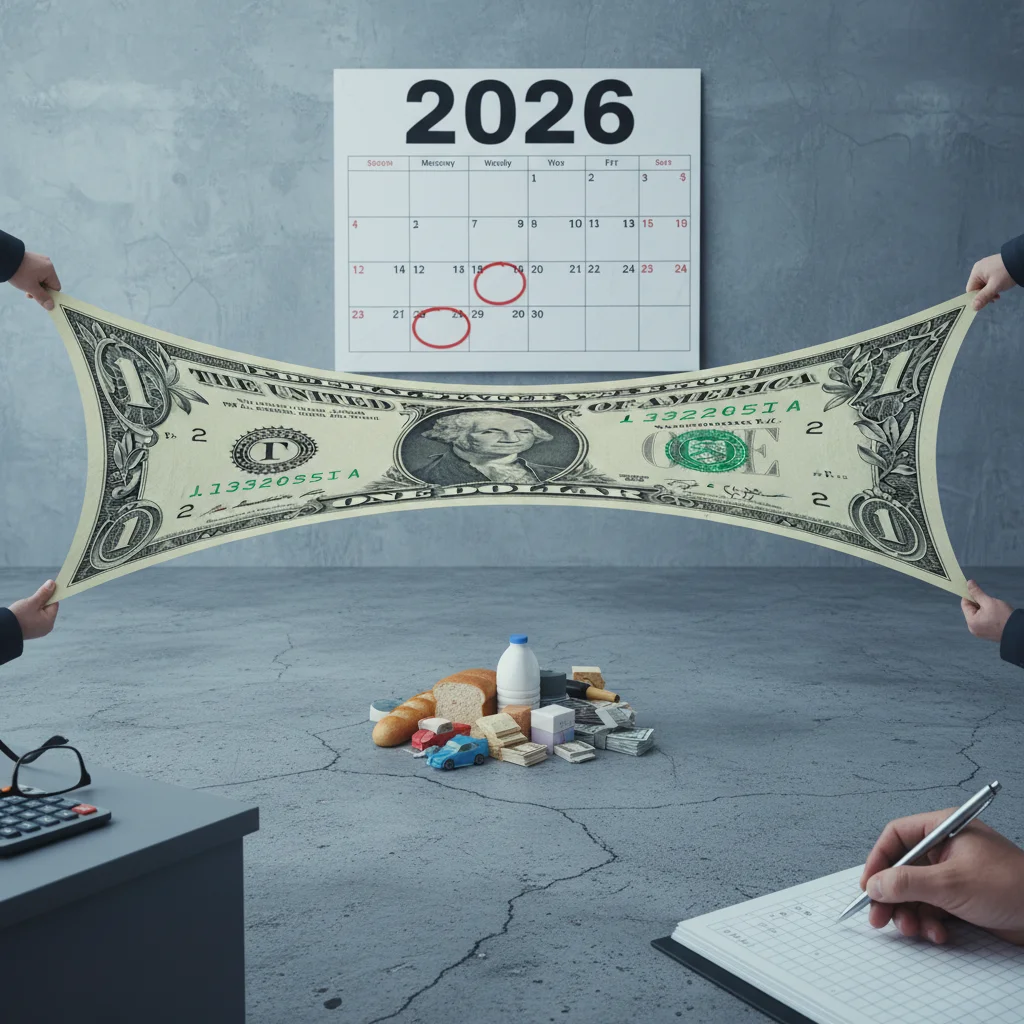
The cumulative effect of sustained inflation is a gradual erosion of purchasing power. Even if wage growth continues, it often struggles to keep pace with the rising cost of living, particularly for essential goods and services. This phenomenon, often referred to as a ‘real wage’ decline, means that a dollar buys less than it did before. Consumers, therefore, find themselves making difficult choices. Discretionary spending, which includes everything from dining out and entertainment to new electronics and vacations, is typically the first area to be cut back. Households prioritize necessities like food, housing, healthcare, and transportation, often at the expense of non-essential purchases.
For businesses, this trend implies a shift in consumer demand towards value and essential items. Brands that can offer competitive pricing, robust loyalty programs, and perceived high value for money are likely to fare better. Conversely, sectors heavily reliant on discretionary spending may face headwinds. The implications for US consumer spending 2026 are clear: a more constrained consumer base, highly sensitive to price, and increasingly focused on stretching their budgets. This environment necessitates a strategic approach from both consumers in managing their finances and businesses in adapting their offerings.
Furthermore, the psychological impact of persistent inflation cannot be overstated. When consumers anticipate further price increases, they may alter their spending patterns in complex ways. Some might accelerate purchases of big-ticket items to ‘beat’ future price hikes, while others might become more conservative, saving more as a buffer against economic uncertainty. This variability makes forecasting US consumer spending 2026 particularly challenging, requiring a nuanced understanding of both economic data and consumer sentiment.
Insight 2: The Evolving Role of Savings and Debt in Consumer Behavior
The pandemic era saw an unprecedented surge in household savings, fueled by government stimulus, reduced spending opportunities, and a precautionary motive. However, much of this ‘excess savings’ has been drawn down over the past couple of years as inflation took hold and consumers dipped into their reserves to maintain living standards. As we approach 2026, the state of household balance sheets will be a critical determinant of US consumer spending 2026.
On one hand, a significant portion of the population, particularly lower and middle-income households, has seen their savings dwindle. This leaves them with less financial flexibility to absorb further price shocks or unexpected expenses, making them more vulnerable to economic downturns and more reliant on credit. The rising interest rate environment also makes borrowing more expensive, increasing the burden of existing debt and discouraging new borrowing for non-essential purchases. Credit card debt, in particular, has seen a notable increase, signaling a potential strain on household finances.
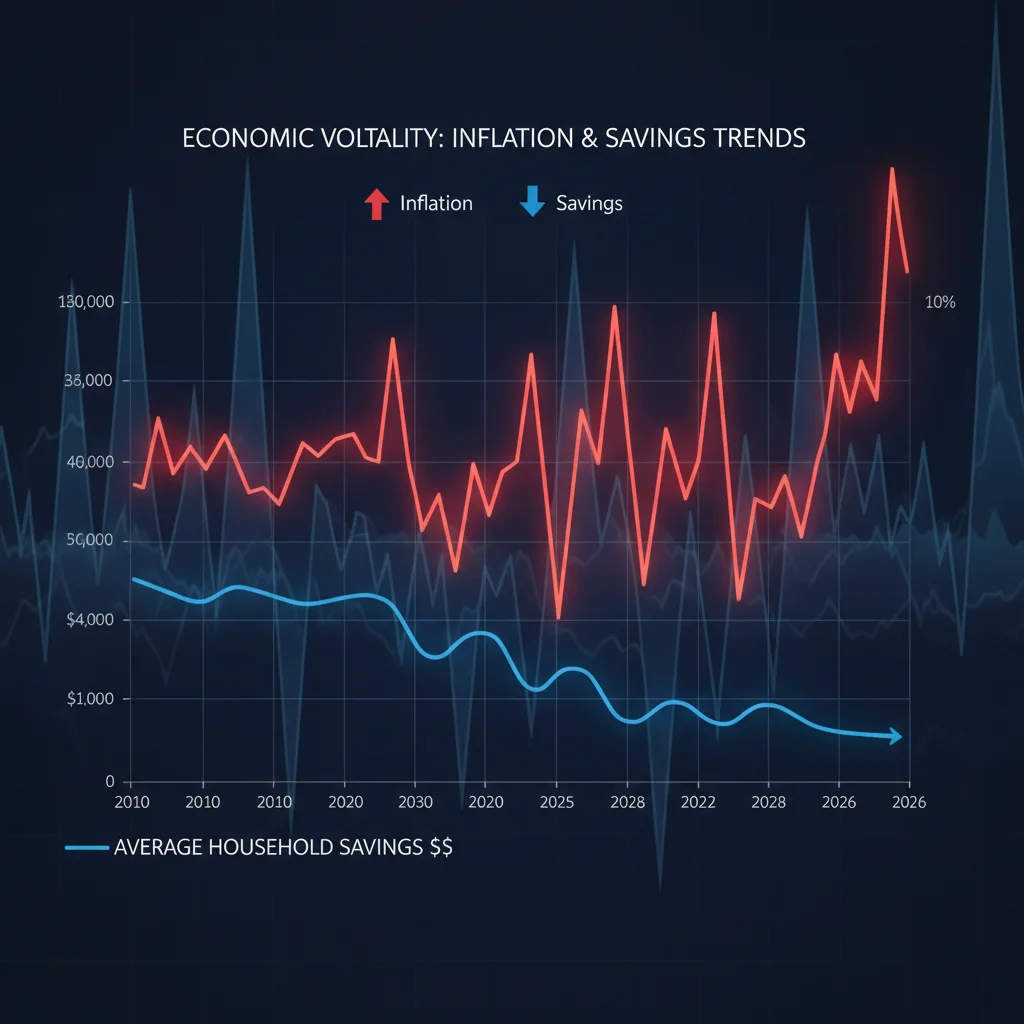
Conversely, higher-income households may still retain some of their accumulated savings, providing them with a greater buffer. This divergence in financial health could lead to a two-tiered consumer market: one segment continuing to spend, albeit more discerningly, and another segment severely restricting spending to cover basic needs and service existing debt. The overall impact on US consumer spending 2026 will depend on the relative size and spending patterns of these different segments.
Government policies and future economic conditions will also play a crucial role. Should economic growth slow significantly, or unemployment rise, the propensity to save would likely increase as a precautionary measure, further dampening consumer spending. Conversely, any new stimulus measures, though less likely than during the pandemic, could temporarily boost spending. The delicate balance between needing to spend for essentials and the desire to save for future security will define much of the consumer landscape in 2026. Businesses need to be acutely aware of these shifts in financial capacity and tailor their strategies accordingly, perhaps by offering flexible payment options or emphasizing long-term value propositions.
Insight 3: Sectoral Divergence and Redefining ‘Essential’ Spending
The impact of inflation on US consumer spending 2026 will not be uniform across all sectors. We are likely to see a continued divergence in performance, with some industries proving more resilient than others. Essential goods and services, such as groceries, utilities, and basic healthcare, will continue to command a significant portion of household budgets, often seeing inelastic demand despite price increases. However, even within these categories, consumers will likely trade down to private labels, seek out promotions, and generally become more price-conscious.
Discretionary spending categories, on the other hand, are expected to face more significant challenges. Luxury goods, high-end travel, and non-essential entertainment could see reduced demand as consumers tighten their belts. However, there might be pockets of resilience even within discretionary spending, particularly in experiences that offer high perceived value or those that can be enjoyed locally and affordably. For example, while international travel might decline, local tourism or affordable leisure activities could see a boost.
The housing market will also be a critical area to watch. While not direct consumer spending in the traditional sense, housing costs (rent or mortgage payments) represent a substantial portion of household budgets. Sustained high interest rates could continue to cool the housing market, impacting both new home purchases and refinancing activity. This, in turn, frees up or constrains funds available for other types of consumer spending. The rental market, facing its own inflationary pressures, will also influence how much disposable income remains for other purchases.
Technology and durable goods sectors present a mixed picture. While consumers may delay upgrades for items like smartphones or appliances, the necessity of connectivity and the need for functional household items mean that demand won’t disappear entirely. Here, the emphasis will shift towards durability, repairability, and energy efficiency, as consumers seek to maximize the value and longevity of their purchases. Businesses in these sectors will need to innovate not just on features but also on the overall cost of ownership and sustainability to attract discerning consumers in 2026.
The ‘redefining essential’ aspect also extends to services. While some services, like education and healthcare, remain non-negotiable, consumers might seek more affordable alternatives or delay elective procedures. The gig economy could see increased activity from both consumers looking for cost-effective services and individuals seeking additional income streams to cope with inflation. Understanding these nuanced shifts will be crucial for any business planning for US consumer spending 2026.
Insight 4: The Impact of Policy Decisions and Global Economic Factors
No forecast of US consumer spending 2026 would be complete without considering the broader macroeconomic environment, heavily influenced by policy decisions and global events. Monetary policy, primarily set by the Federal Reserve, will continue to be a dominant force. The trajectory of interest rates – whether they remain high, begin to decline, or even see further increases – will directly impact borrowing costs for consumers and businesses, influencing everything from mortgage rates to credit card APRs. Lower interest rates could provide some relief to indebted households and stimulate borrowing, potentially boosting consumer spending. Conversely, continued high rates would maintain pressure on budgets.
Fiscal policy, enacted by the government, also plays a significant role. While large-scale stimulus packages are less likely, targeted tax policies, social welfare programs, or infrastructure spending could indirectly support consumer spending by putting more money into people’s pockets or improving economic conditions. Regulatory changes, particularly in areas like housing, energy, or financial services, could also have ripple effects on household budgets and spending patterns.
Beyond domestic policies, global economic factors will cast a long shadow over US consumer spending 2026. Geopolitical instability, such as ongoing conflicts or trade disputes, can disrupt global supply chains, drive up commodity prices (especially energy and food), and dampen overall economic confidence. A slowdown in major global economies could also reduce demand for US exports, impacting domestic job growth and, consequently, consumer income and spending. The strength of the US dollar relative to other currencies can also influence import prices, directly affecting the cost of goods for American consumers.
Technological advancements and their adoption will also shape spending. The continued digital transformation of commerce, the rise of AI-powered services, and innovations in payment systems will alter how consumers interact with businesses and manage their finances. While not directly inflationary, these trends can influence efficiency, convenience, and ultimately, the value proposition that drives consumer choices. Businesses that embrace these technologies to enhance the customer experience or offer cost savings are likely to gain an edge.
In essence, the landscape for US consumer spending 2026 will be a complex tapestry woven from domestic economic policies, international relations, and technological evolution. These factors interact in dynamic ways, creating both opportunities and challenges for consumers and businesses alike. Staying informed about these broader trends will be paramount for strategic planning.
Strategies for Consumers and Businesses Navigating 2026
Given the insights into US consumer spending 2026, both individuals and businesses need to adopt proactive strategies to navigate the anticipated economic environment. For consumers, this means a renewed focus on financial resilience. Budgeting rigorously, prioritizing savings where possible, and strategically managing debt will be crucial. Exploring ways to increase income, whether through side hustles or skill development, could also provide a necessary buffer against persistent inflation. Furthermore, being a discerning shopper, comparing prices, and taking advantage of sales and loyalty programs will help stretch budgets further. Re-evaluating large expenses, such as housing or transportation, for more cost-effective alternatives might also be a prudent step.
For businesses, adaptation is key. Understanding the shifting priorities of consumers, who will likely be more value-driven and price-sensitive, is paramount. This could involve:
- Optimizing Supply Chains: Building more resilient and efficient supply chains to mitigate cost increases and ensure product availability.
- Value Proposition Reinforcement: Clearly communicating the value and benefits of products and services, perhaps through bundling, loyalty programs, or emphasizing durability and longevity.
- Flexible Pricing Strategies: Employing dynamic pricing, offering tiered options, or introducing private-label alternatives to cater to different budget segments.
- Enhanced Customer Experience: In an environment where every dollar counts, exceptional customer service can differentiate a brand and foster loyalty.
- Digital Transformation: Leveraging technology to improve operational efficiency, reduce costs, and enhance the online shopping experience.
- Targeted Marketing: Focusing marketing efforts on segments of the population that are less impacted by inflation or on communicating value to those who are.
- Innovation in Cost Savings: Developing products or services that help consumers save money in other areas of their lives, such as energy-efficient appliances or affordable home repair solutions.
The ability to anticipate and respond to these changes will determine success in the 2026 market. Businesses that can offer solutions that align with the new consumer realities – affordability, value, and reliability – will be well-positioned to thrive. Similarly, consumers who proactively manage their finances and adapt their spending habits will be better equipped to weather any economic storms.
Conclusion: A Cautious Yet Adaptive Outlook for US Consumer Spending 2026
The outlook for US consumer spending 2026 is marked by a blend of caution and adaptability. While the immediate future may still see the lingering effects of inflation, leading to more constrained household budgets and shifting spending priorities, the American consumer remains a dynamic force. The insights presented here – persistent inflationary pressures, the evolving role of savings and debt, sectoral divergence, and the influence of policy and global factors – paint a picture of a market that demands strategic foresight.
For individuals, the emphasis will be on financial prudence, smart budgeting, and seeking value. For businesses, it will be about innovation, efficiency, and a deep understanding of evolving customer needs. The economic landscape of 2026 will undoubtedly present challenges, but it will also create opportunities for those who are prepared to adapt and respond effectively. By staying informed, flexible, and strategic, both consumers and businesses can navigate the complexities of inflation’s impact and contribute to a resilient economic future.