Optimize Spending 2026: Cut Unnecessary Costs by 8%

In an ever-evolving economic landscape, the ability to effectively optimize spending 2026 is no longer just a financial goal but a necessity for both individuals and businesses. As we navigate the complexities of modern consumption and financial planning, the need to identify and eliminate unnecessary expenditures becomes paramount. This comprehensive guide will introduce you to a cutting-edge method designed to help you cut unnecessary spending by a significant 8% by the year 2026. This isn’t just about cutting back; it’s about smart, strategic financial optimization that enhances your financial well-being without compromising your quality of life.
The concept of optimizing spending often conjures images of drastic austerity measures, but our approach for 2026 is far more nuanced. We advocate for a method that combines innovative technology with time-tested financial principles, allowing you to gain unprecedented insight into your spending habits. By understanding where your money truly goes, you can make informed decisions that lead to sustainable savings. Our target of an 8% reduction is ambitious yet achievable, representing a tangible improvement that can free up capital for investments, debt reduction, or simply a greater sense of financial security.
This article will delve into the core components of this 2026 method, providing actionable strategies, practical tools, and a mindset shift necessary to achieve your financial optimization goals. From leveraging AI-powered budgeting apps to adopting mindful consumption practices, we will cover a spectrum of techniques designed to empower you. Prepare to transform your financial outlook and embark on a journey towards greater economic efficiency.
The Urgency to Optimize Spending 2026
Why is there such an emphasis on the need to optimize spending 2026 specifically? The answer lies in the confluence of several economic and technological trends. Inflationary pressures continue to erode purchasing power, while technological advancements offer new avenues for both spending and saving. The digital economy, with its myriad subscription services and impulse purchase opportunities, has made it easier than ever to spend money without a clear understanding of its impact on your overall financial health.
Furthermore, the post-pandemic economic recovery has highlighted the importance of financial resilience. Those who were able to weather economic storms often had robust financial planning and disciplined spending habits. As we look towards 2026, the global economic forecast suggests continued volatility, making proactive financial management not just advisable but essential. The 8% target is not arbitrary; it represents a realistic yet impactful reduction that, when sustained, can significantly alter your financial trajectory over time.
Beyond individual finances, businesses too are under increasing pressure to optimize their operational spending to maintain competitiveness and profitability. The principles outlined here are equally applicable to corporate budgeting, demonstrating the universal appeal and necessity of smart financial management. By embracing the 2026 method, you are not just cutting costs; you are investing in a more secure and prosperous future.
Understanding Your Current Spending Landscape
Before you can effectively optimize spending 2026, you must first understand where your money is currently going. This initial phase involves a thorough audit of your financial transactions. Many people operate under assumptions about their spending, only to find the reality is quite different. The 2026 method emphasizes data-driven insights as the foundation for all subsequent actions.
Step 1: The Comprehensive Financial Audit
Begin by gathering all your financial statements from the past three to six months. This includes bank statements, credit card statements, investment accounts, and any other sources of income or expenditure. The goal is to get a complete picture of your cash flow. Don’t shy away from the details; every transaction, no matter how small, contributes to the overall pattern.
Step 2: Categorization and Analysis
Once you have your data, categorize every expense. Common categories include housing, transportation, food, entertainment, utilities, debt payments, and personal care. Many banking apps and budgeting software now offer automated categorization, which can significantly streamline this process. However, always review these automatically assigned categories for accuracy. This step is crucial for identifying areas where you might be overspending without realizing it.
Step 3: Identify Unnecessary Spending Patterns
With categorized data in hand, look for recurring expenses that provide little to no value. This could be subscription services you no longer use, daily coffee purchases that add up significantly, or impulse buys that bring only fleeting satisfaction. The 2026 method encourages a critical evaluation of these expenditures. Ask yourself: Is this purchase essential? Does it align with my long-term financial goals? Could I achieve the same benefit at a lower cost?
Often, individuals are surprised by the cumulative effect of small, seemingly insignificant expenses. These ‘invisible’ drains on your finances are prime targets for our 8% reduction strategy. By meticulously analyzing your current spending, you lay the groundwork for targeted and effective optimization.
Leveraging Technology for Optimal Spending in 2026
The year 2026 brings with it advanced technological tools that can revolutionize how we optimize spending 2026. Artificial intelligence (AI) and machine learning (ML) are no longer futuristic concepts; they are integrated into many financial applications, offering unprecedented insights and automation capabilities. Embracing these technologies is a cornerstone of our 2026 method.
AI-Powered Budgeting Apps
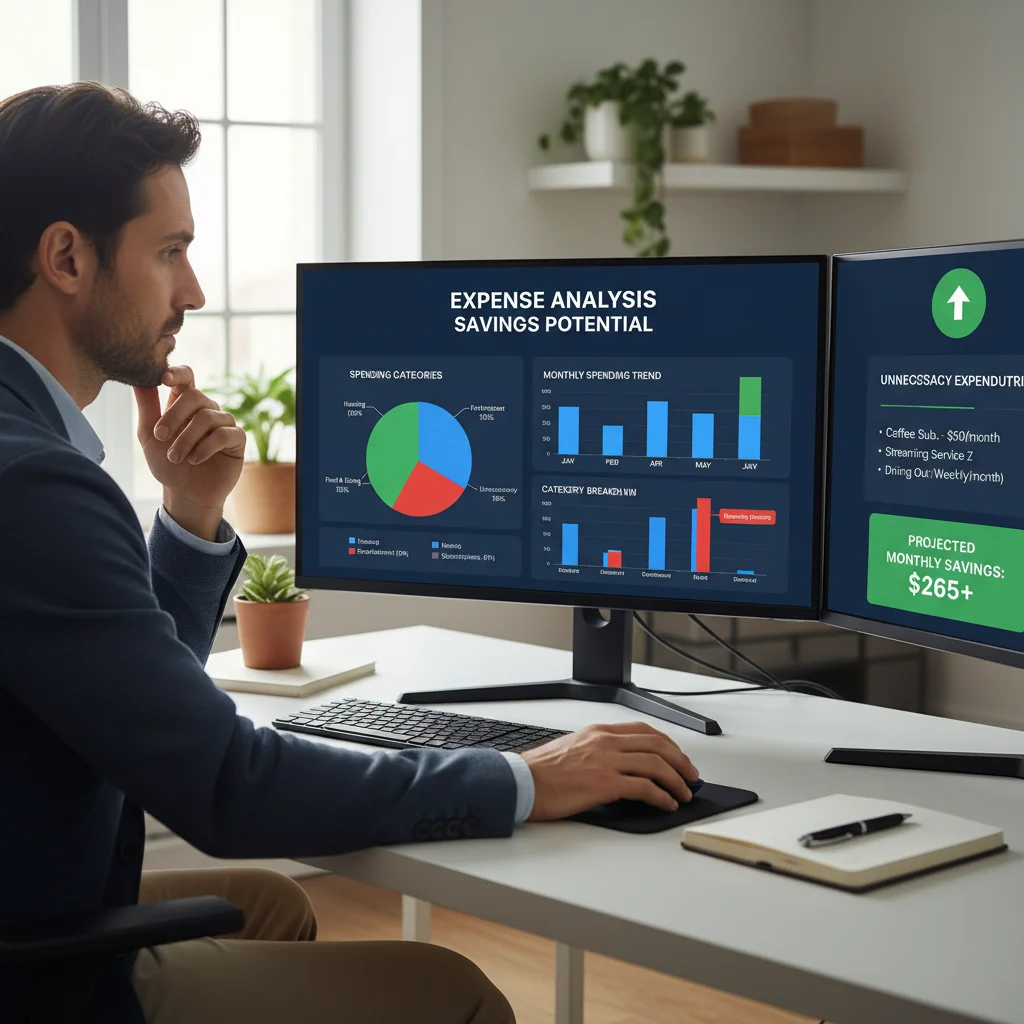
Modern budgeting apps go far beyond simple expense tracking. Many now incorporate AI to analyze your spending habits, predict future expenses, and even suggest areas for savings. These apps can identify anomalies in your spending, alert you to potential overspending in certain categories, and provide personalized recommendations. For example, an AI might notice you’re paying for two streaming services that offer similar content and suggest consolidating them.
Look for apps that offer:
- Automated Transaction Tagging: Reduces manual effort in categorizing expenses.
- Spending Trend Analysis: Provides visual breakdowns of where your money goes over time.
- Savings Goal Tracking: Helps you set and monitor progress towards financial objectives.
- Personalized Insights: Offers tailored advice based on your unique financial situation.
Smart Subscription Management Services
One of the biggest culprits of unnecessary spending in the digital age is forgotten or unused subscriptions. From streaming services to software licenses and gym memberships, these recurring charges can silently erode your budget. Several services now specialize in identifying and managing your subscriptions, often helping you cancel those you no longer need or negotiate better deals on those you wish to keep.
Automated Savings and Investment Platforms
To further optimize spending 2026, consider platforms that automate your savings and investments. These tools can round up your purchases to the nearest dollar and invest the difference, or automatically transfer a set amount from your checking to your savings or investment accounts on a regular basis. This ‘set it and forget it’ approach ensures consistent progress towards your financial goals without requiring constant manual effort.
Strategic Approaches to Cut Costs by 8%
Achieving an 8% reduction in unnecessary spending requires more than just tracking; it demands strategic action. The 2026 method focuses on targeted interventions across various spending categories. Here’s how to implement these strategies effectively:
1. Re-evaluate and Negotiate Recurring Expenses
Many recurring bills are negotiable. This includes internet, cable, phone, and insurance services. Dedicate time to call your providers and inquire about lower rates or better packages. Often, companies are willing to offer discounts to retain customers, especially if you mention competitive offers. Even a small reduction in a few bills can significantly contribute to your 8% target.
2. Mindful Consumption and the ‘Value Test’
Before making a purchase, especially discretionary ones, apply the ‘value test.’ Ask yourself:
- Do I truly need this, or do I just want it?
- What value will this item or service add to my life?
- Is there a more cost-effective alternative that provides similar value?
- How many hours did I have to work to afford this?
This mindful approach helps curb impulse buying and ensures that your spending aligns with your values and financial goals. For many, this simple shift in perspective can unlock significant savings.
3. Optimize Food Spending
Food is often one of the largest variable expenses for households. To optimize spending 2026 in this category:
- Meal Planning: Plan your meals for the week, create a grocery list, and stick to it. This reduces impulse buys and food waste.
- Cooking at Home: Eating out, even occasionally, adds up quickly. Prioritize home-cooked meals.
- Bulk Buying (Smartly): Purchase non-perishable items in bulk when they are on sale, but only if you will genuinely use them.
- Reduce Food Waste: Learn to utilize leftovers and proper food storage techniques.
4. Transportation Efficiency
Evaluate your transportation costs. Can you carpool, use public transport more often, bike, or walk for shorter distances? For car owners, maintaining your vehicle properly can prevent costly repairs, and optimizing your driving habits (e.g., avoiding aggressive acceleration) can improve fuel efficiency.
5. ‘No-Spend’ Challenges and Budgeting Games
Engage in ‘no-spend’ challenges for a week or even a month, where you only spend on absolute necessities. This can be an eye-opening exercise, revealing how much you typically spend on non-essentials. Turn budgeting into a game by setting small, achievable goals and rewarding yourself (non-financially) for meeting them. This gamified approach makes the process of cutting costs more engaging and sustainable.

Maintaining Momentum and Long-Term Optimization
Achieving an 8% reduction in unnecessary spending is a significant accomplishment, but the true goal of the 2026 method is to foster sustainable financial habits. Long-term optimization requires ongoing vigilance and adaptation. The financial landscape is dynamic, and your spending habits will naturally evolve, so your optimization strategies must evolve with them.
Regular Review and Adjustment
Make it a habit to review your budget and spending at least once a month. This isn’t about rigid adherence to a strict budget but rather about understanding if your current spending aligns with your financial goals. Are there new subscriptions you’ve forgotten? Have your income or expenses changed significantly? Adjust your budget as needed to reflect your current reality.
The Power of Automation
Continue to leverage technology for automation. Set up automatic transfers to your savings or investment accounts immediately after you receive your income. This ‘pay yourself first’ strategy ensures that your financial goals are prioritized. Automation reduces the mental effort required to save and minimizes the temptation to spend money that should be saved.
Educate Yourself Continuously
Stay informed about personal finance trends, new saving strategies, and investment opportunities. The more knowledgeable you are, the better equipped you will be to make smart financial decisions. Resources abound, from financial blogs and podcasts to online courses and books. Continuous learning is a powerful tool in your journey to optimize spending 2026 and beyond.
Celebrate Small Wins
Financial optimization can sometimes feel like a daunting task. Celebrate your progress, no matter how small. Did you successfully cut a recurring expense? Did you stick to your grocery budget for the month? Acknowledge these achievements. Positive reinforcement helps maintain motivation and makes the process more enjoyable. Remember, the 8% reduction is a cumulative effort of many small, smart decisions.
Common Pitfalls to Avoid When Optimizing Spending
While the 2026 method for optimizing spending is effective, there are common traps that can derail your efforts. Being aware of these pitfalls can help you navigate your financial journey more smoothly.
1. The ‘All or Nothing’ Mentality
Trying to cut too much too quickly can lead to burnout and a feeling of deprivation, making you more likely to revert to old habits. The 8% target is achievable because it allows for a balanced approach. Focus on sustainable changes rather than drastic, temporary cuts. Small, consistent efforts yield greater long-term results than sporadic, extreme measures.
2. Ignoring Emotional Spending Triggers
Often, spending is linked to emotions. Boredom, stress, sadness, or even happiness can trigger impulse purchases. Identify your emotional spending triggers and develop healthier coping mechanisms. This could involve finding free hobbies, exercising, or talking to a friend instead of resorting to retail therapy. Addressing the root cause of emotional spending is key to truly optimize spending 2026.
3. Neglecting Irregular Expenses
While monthly bills are easy to track, irregular expenses like car repairs, holiday gifts, or medical deductibles can wreak havoc on a budget. The 2026 method encourages anticipating these costs and setting aside money for them. Create a sinking fund for various irregular expenses, so you’re not caught off guard and forced to dip into savings or go into debt.
4. Not Tracking Your Progress
Without regularly tracking your spending and comparing it against your budget, it’s impossible to know if you’re on track to meet your 8% reduction goal. Utilize the budgeting tools mentioned earlier to keep a close eye on your finances. Regular tracking provides valuable feedback and allows you to make timely adjustments.
5. Comparing Yourself to Others
Everyone’s financial situation is unique. Comparing your spending or savings to friends, family, or social media influencers can lead to feelings of inadequacy or pressure to spend beyond your means. Focus on your own financial goals and progress. Your journey to optimize spending 2026 is personal and should be tailored to your circumstances.
The Impact of an 8% Reduction: Real-World Scenarios
To truly appreciate the power of our 2026 method, let’s consider a few real-world scenarios illustrating the impact of an 8% reduction in unnecessary spending.
Scenario 1: The Average Individual
Suppose an individual spends $3,000 per month. An 8% reduction translates to $240 in savings per month, or $2,880 per year. Over five years, this amounts to $14,400. This sum could be used to pay down a significant portion of student loan debt, build a substantial emergency fund, or make a down payment on a car or even a modest home.
Scenario 2: The Young Couple
A couple with combined monthly expenses of $5,000 could save $400 per month, totaling $4,800 annually. This money could accelerate their goal of buying a home, fund a dream vacation, or be invested to grow their wealth for retirement or their children’s education.
Scenario 3: The Small Business Owner
A small business with monthly operational expenses of $10,000 could identify $800 in unnecessary spending every month, amounting to $9,600 per year. This saved capital could be reinvested into growth initiatives, used to provide better benefits for employees, or simply improve the business’s bottom line and financial stability.
These scenarios highlight that an 8% reduction, while seemingly modest, has a profound cumulative effect. It’s not about drastic cuts that leave you feeling deprived; it’s about smart, strategic optimization that frees up valuable resources to achieve your most important financial goals. The 2026 method empowers you to take control of your financial destiny, one optimized dollar at a time.
Conclusion: Your Path to Financial Freedom in 2026
The journey to optimize spending 2026 and beyond is a continuous one, but with the right strategies, tools, and mindset, achieving an 8% reduction in unnecessary spending is well within your reach. This article has provided a comprehensive framework, from understanding your current financial landscape to leveraging cutting-edge technology and implementing strategic cost-cutting measures. Remember, financial optimization is not about deprivation; it’s about intelligent resource allocation and making your money work harder for you.
By committing to a thorough financial audit, embracing AI-powered budgeting, thoughtfully re-evaluating your recurring expenses, and practicing mindful consumption, you are setting yourself up for long-term financial success. Avoid common pitfalls by fostering sustainable habits, addressing emotional spending, and consistently tracking your progress. The cumulative impact of these actions will not only help you save a significant 8% but will also instill a greater sense of financial confidence and security.
As we move towards 2026, let this be the year you take decisive action to transform your financial habits. The power to redefine your financial future is in your hands. Start today, implement these strategies, and watch as your efforts translate into tangible savings and a more robust financial foundation. Your optimized financial future begins now.