Save $300 Annually: Smart Energy Tech for US Homes in 2026
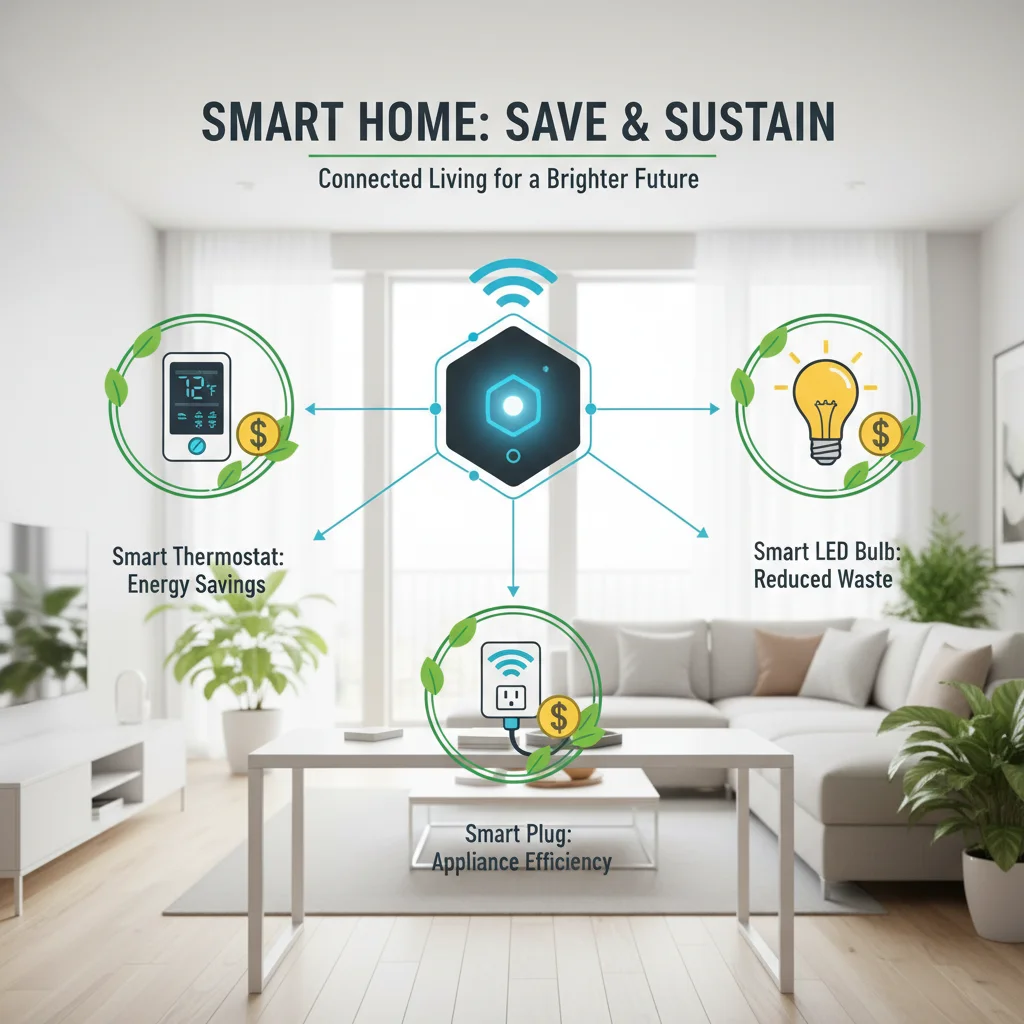
Saving Up to $300 Annually: Smart Energy Tech for Your US Home in 2026 (FINANCIAL IMPACT)
In an era where every penny counts and environmental consciousness is paramount, homeowners across the United States are constantly seeking innovative ways to reduce their expenses and carbon footprint. The year 2026 brings with it a fascinating landscape of technological advancements, particularly in the realm of smart home energy management. Imagine a world where your home intuitively manages its energy consumption, saving you money without sacrificing comfort or convenience. This isn’t a futuristic fantasy; it’s the tangible reality offered by Smart Home Energy Savings technology, and it promises to put up to $300 back into your pocket annually. This comprehensive guide will delve into the specific technologies, their financial impact, and how you can integrate them into your US home to achieve significant savings. We’ll explore not just the ‘what’ but also the ‘how’ and ‘why’ behind these revolutionary solutions, ensuring you’re well-equipped to make informed decisions for a more efficient and economical household.
The journey to a smarter, more energy-efficient home begins with understanding the potential. Utility bills, especially for heating, cooling, and lighting, represent a substantial portion of household expenses. Traditional energy consumption habits often lead to unnecessary waste – lights left on in empty rooms, thermostats set too high or too low when no one is home, and appliances drawing power even when not in use. Smart energy technology directly addresses these inefficiencies, offering precise control, automated management, and insightful data to empower homeowners. By embracing these innovations, you’re not just investing in gadgets; you’re investing in a sustainable future and a healthier bank account. Let’s embark on this exciting exploration of how Smart Home Energy Savings can transform your living space and financial outlook.
The Financial Incentive: How Smart Home Energy Savings Translate to Real Money
The promise of saving up to $300 annually isn’t an arbitrary figure; it’s a realistic estimate based on the cumulative impact of various smart energy solutions. For the average US household, energy costs can range significantly, but even a modest reduction across multiple categories can quickly add up. Consider the following breakdown of potential savings:
- Heating and Cooling (HVAC): This is often the largest energy drain in a home. Smart thermostats, as we’ll discuss, can optimize HVAC usage, leading to significant reductions. Estimates suggest savings of 10-15% on heating and cooling, which for many homes, can be over $100-$200 annually.
- Lighting: While individual smart LED bulbs are energy-efficient, the real savings come from smart lighting systems that automate usage, dim lights, and turn them off when rooms are vacant. This can contribute $30-$50 in annual savings.
- Phantom Load (Vampire Power): Many electronics consume power even when turned off but still plugged in. Smart plugs and power strips can eliminate this ‘vampire power,’ saving an estimated $20-$40 per year.
- Water Heating: Smart water heaters or devices that optimize water heating schedules can also contribute to savings, albeit often less dramatically than HVAC, potentially $10-$30 annually.
- Smart Appliances: Newer smart appliances are designed for peak energy efficiency and can be programmed to run during off-peak hours, further reducing costs.
When these individual savings are combined, reaching the $300 mark becomes not only plausible but, for many, easily surpassable. The key lies in strategic implementation and consistent utilization of these technologies. The upfront investment in smart home devices is often recouped within a few years, making them a financially sound long-term decision. Furthermore, many states and utility companies offer rebates and incentives for installing energy-efficient technologies, further sweetening the deal and accelerating your return on investment. This focus on Smart Home Energy Savings isn’t just about cutting costs; it’s about gaining control and understanding your home’s energy footprint like never before.
Unlocking Efficiency: Key Smart Home Energy Technologies for 2026
The landscape of smart home technology is constantly evolving, with new innovations emerging regularly. For 2026, several key technologies stand out as crucial for maximizing Smart Home Energy Savings. Understanding each of these components is the first step towards building an intelligent, efficient home ecosystem.
Smart Thermostats: The Brains of Your HVAC System
Perhaps the most impactful smart energy device is the smart thermostat. Beyond simply allowing you to adjust the temperature from your phone, modern smart thermostats learn your preferences, detect occupancy, and integrate with weather forecasts to optimize heating and cooling schedules. Features like geofencing can automatically adjust the temperature when you leave or approach your home, preventing wasted energy. Many models also provide detailed energy reports, giving you insights into your usage patterns and identifying areas for further optimization. Brands like Nest, Ecobee, and Honeywell Home continue to lead this segment, offering user-friendly interfaces and robust feature sets. The ability to fine-tune your home’s climate control based on real-time data and predictive algorithms is a game-changer for reducing HVAC costs, making them a cornerstone of any Smart Home Energy Savings strategy.
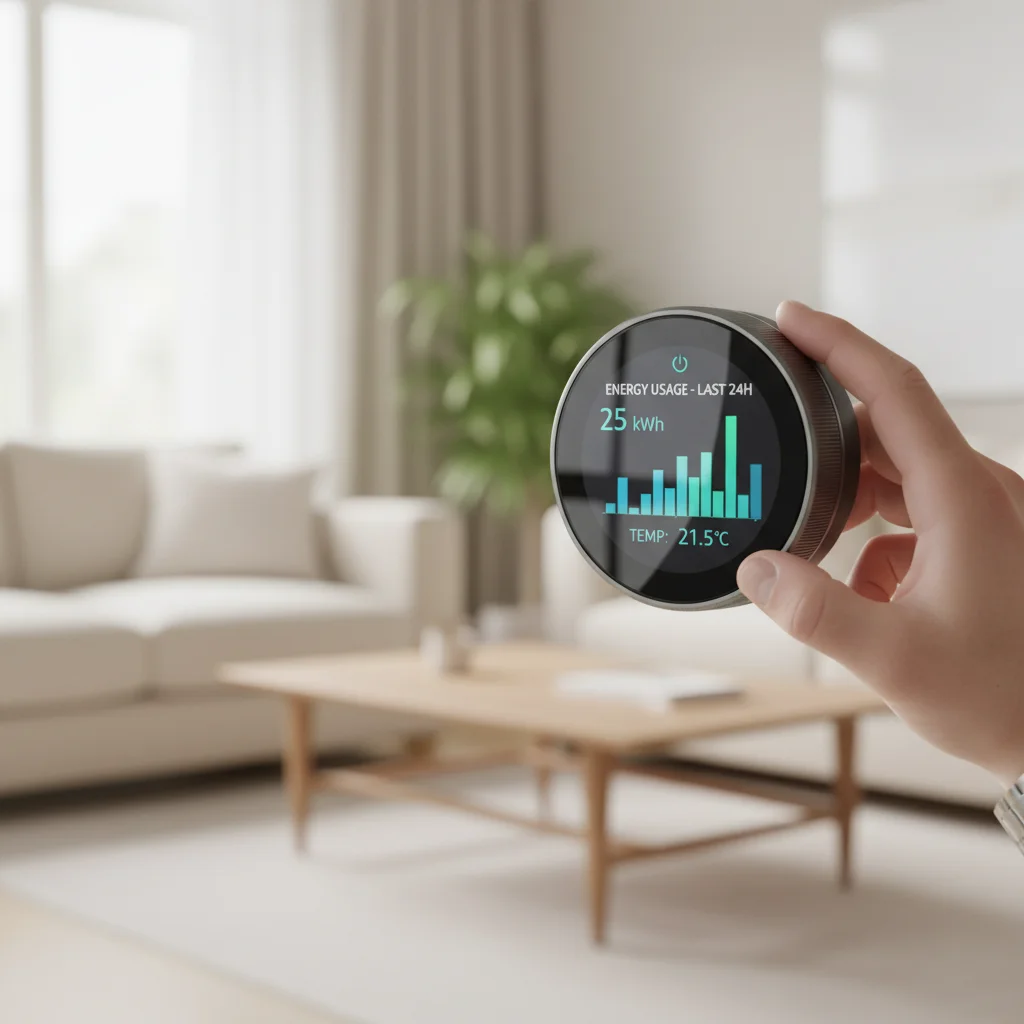
Intelligent Lighting Systems: More Than Just On/Off Switches
Gone are the days of simple light switches. Smart lighting systems, featuring LED bulbs and smart switches, offer unparalleled control and energy efficiency. You can schedule lights to turn on and off, dim them to specific levels, and even change their color temperature. Occupancy sensors can ensure lights are only on when a room is in use, while daylight harvesting sensors can adjust artificial lighting based on natural light availability. The shift from incandescent to LED bulbs alone offers significant savings, but when combined with smart controls, the efficiency gains multiply. Imagine never worrying about leaving a light on again, or having your home’s ambiance automatically adjust throughout the day – all while saving energy. This level of control is fundamental to maximizing Smart Home Energy Savings in the lighting domain.
Smart Plugs and Power Strips: Eliminating Phantom Load
The insidious ‘phantom load’ or ‘vampire power’ consumed by electronics even when they’re turned off can account for a surprising amount of wasted energy. Smart plugs and power strips provide a simple yet effective solution. These devices allow you to remotely turn off power to connected electronics, set schedules, and even monitor energy consumption from individual devices. They are particularly useful for entertainment centers, computer setups, and kitchen appliances that often draw power unnecessarily. By cutting off power completely when devices are not in use, smart plugs offer an easy way to chip away at your energy bill, contributing to your overall Smart Home Energy Savings goals without requiring complex installations.
Energy-Efficient Smart Appliances: The Next Generation of Home Utilities
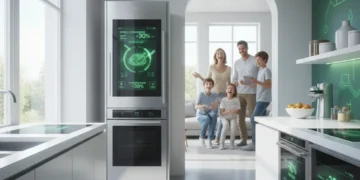
Major appliance manufacturers are increasingly integrating smart technology into their products. Smart refrigerators, washing machines, dryers, and dishwashers are not only more energy-efficient by design but also offer features that further reduce consumption. For example, smart washing machines can detect load size and fabric type to optimize water and energy use, while smart dishwashers can be programmed to run during off-peak utility hours when electricity rates are lower. Some smart appliances can even communicate with your utility provider to respond to demand response programs, automatically adjusting their operation to save you money during peak demand periods. While the initial investment might be higher, the long-term Smart Home Energy Savings and convenience often justify the cost.
Smart Blinds and Shades: Harnessing Natural Light and Insulation
Often overlooked, smart blinds and shades play a crucial role in managing your home’s thermal envelope. By automatically opening and closing based on sun exposure, time of day, or even internal temperature, they can help regulate indoor temperatures. In the summer, they can block direct sunlight to reduce cooling loads, while in the winter, they can open during sunny hours to leverage passive solar heating. This intelligent management of natural light and insulation directly impacts your HVAC usage, offering another layer of Smart Home Energy Savings. Integrating these with your smart thermostat can create a truly synergistic energy management system.
Home Energy Monitors: Gaining Insight and Control
While not directly saving energy, home energy monitors are indispensable tools for understanding your consumption. Devices like Sense or Emporia Vue connect to your electrical panel and provide real-time data on your entire home’s energy usage, breaking it down by appliance. This granular insight allows you to identify energy hogs, track the impact of your smart home changes, and make more informed decisions. Knowledge is power, and in the context of Smart Home Energy Savings, understanding where your energy goes is the first step to effectively reducing it.
Building Your Smart Home Energy Ecosystem: Integration and Automation
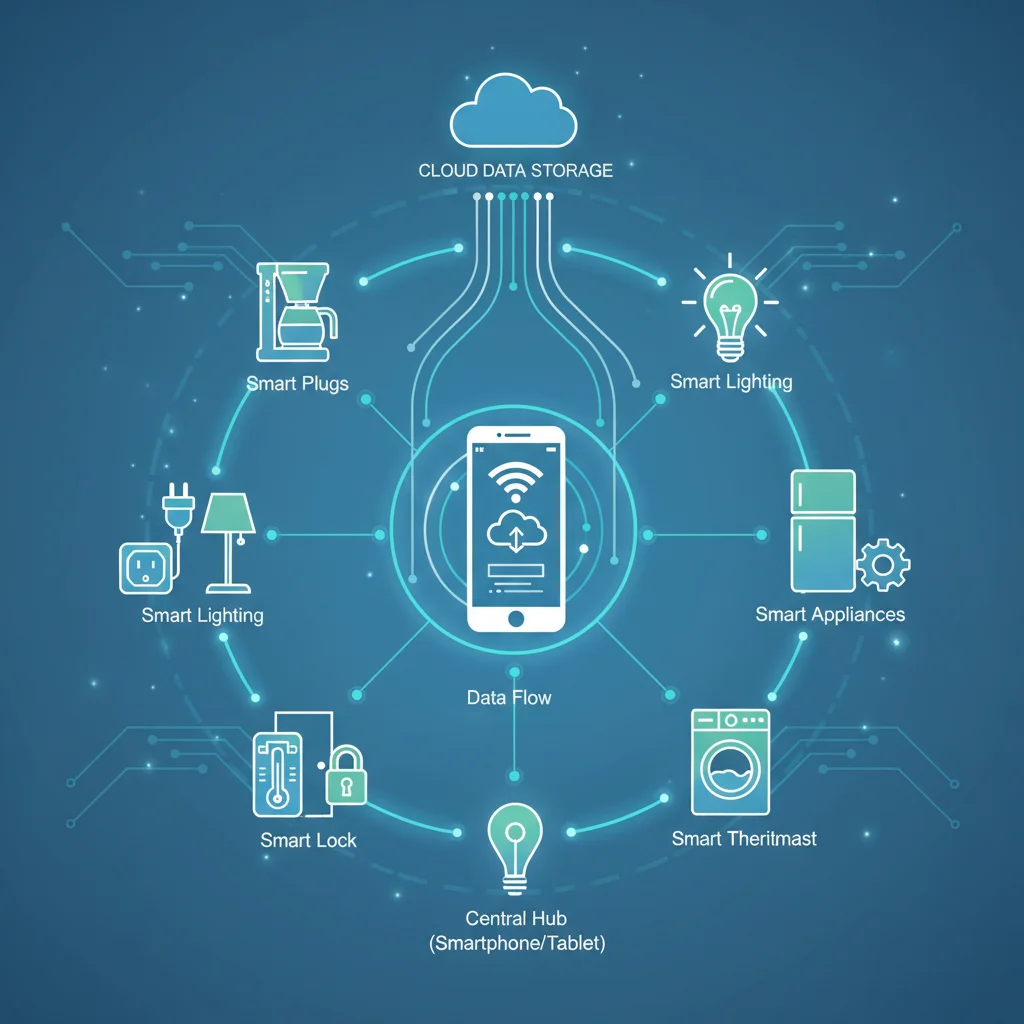
The true power of Smart Home Energy Savings lies not just in individual devices, but in how they work together as a cohesive ecosystem. Integration and automation are key to maximizing efficiency and convenience. Imagine your smart thermostat communicating with your smart blinds, or your smart lighting adjusting based on occupancy and daylight. This interconnectedness is what transforms a collection of smart gadgets into an intelligent, energy-saving home.
Central Hubs and Platforms: The Orchestrators of Your Smart Home
To achieve seamless integration, many homeowners opt for a central smart home hub or platform. Devices like Amazon Echo (Alexa), Google Home, Apple HomeKit, or Samsung SmartThings act as the command center, allowing different brands and types of smart devices to communicate with each other. These platforms enable you to create routines, scenes, and automations that trigger multiple actions based on specific conditions. For instance, a ‘Leaving Home’ routine could turn off all lights, adjust the thermostat, and arm your security system, all with a single voice command or tap on your phone. This level of orchestration is vital for realizing the full potential of Smart Home Energy Savings.
Automation and Routines: Set It and Forget It Savings
The beauty of a smart home is its ability to automate tasks, ensuring energy efficiency even when you’re not actively thinking about it. Here are some examples of powerful energy-saving automations:
- Occupancy-Based Lighting/HVAC: Use motion or occupancy sensors to ensure lights and HVAC only operate when a room is occupied.
- Geofencing for Climate Control: Your home automatically adjusts the thermostat when your smartphone leaves or enters a predefined radius.
- Time-Based Schedules: Program lights to turn off at bedtime, smart plugs to cut power to entertainment systems overnight, or your water heater to operate during off-peak hours.
- Weather-Responsive Actions: Integrate with local weather data to close blinds on hot, sunny days or pre-heat your home before a cold snap.
- Energy Usage Alerts: Receive notifications if an appliance is consuming unusual amounts of power, helping you identify problems early.
These automations not only save energy but also add a layer of convenience to your daily life. By strategically setting up routines, you can ensure your home is always operating at peak energy efficiency without constant manual adjustments. This ‘set it and forget it’ approach is a cornerstone of effective Smart Home Energy Savings.
Overcoming Challenges and Maximizing Your Smart Home Investment
While the benefits of Smart Home Energy Savings are clear, there can be initial hurdles. Understanding these and knowing how to navigate them will ensure a smoother transition to an intelligent, efficient home.
Initial Investment Costs
The primary barrier for many homeowners is the upfront cost of smart devices. While some individual items are affordable, outfitting an entire home can represent a significant investment. However, it’s crucial to view this as an investment with a clear return. As mentioned, many devices pay for themselves within a few years through reduced utility bills. Furthermore, consider starting small. Begin with a smart thermostat, then add smart plugs, and gradually expand your system as your budget allows. Many platforms are designed for modular growth.
Compatibility and Interoperability
With numerous brands and communication protocols (Wi-Fi, Zigbee, Z-Wave, Thread, Matter), ensuring compatibility between devices can sometimes be a challenge. Opting for devices that support open standards like Matter or choosing products within the same ecosystem (e.g., all Google Home compatible, or all HomeKit compatible) can simplify integration. Researching device compatibility before purchase is essential to avoid frustration and ensure your Smart Home Energy Savings ecosystem works seamlessly.
Cybersecurity Concerns
Connecting more devices to your home network naturally raises cybersecurity questions. It’s vital to choose reputable brands, use strong, unique passwords for all smart devices and your Wi-Fi network, and keep device firmware updated. Many smart home platforms offer built-in security features, but user vigilance remains key to protecting your data and your home.
Learning Curve
While most smart home devices are designed for user-friendliness, there can be a slight learning curve in setting up automations and understanding energy reports. Patience and a willingness to learn are important. Many devices come with excellent user manuals and online support communities that can help you get the most out of your investment in Smart Home Energy Savings.
Looking Ahead: The Future of Smart Home Energy in 2026 and Beyond
The year 2026 is just around the corner, and the trajectory of smart home energy technology points towards even greater sophistication and financial benefits. We can anticipate several key trends that will further enhance Smart Home Energy Savings:
- Enhanced AI and Machine Learning: Smart home systems will become even more adept at learning user habits, predicting energy needs, and proactively optimizing consumption without manual intervention.
- Grid Integration and Demand Response: Closer ties with utility companies will allow homes to automatically adjust energy use during peak demand, not only saving money but also contributing to grid stability.
- Renewable Energy Integration: Seamless integration with rooftop solar panels, home battery storage, and electric vehicle charging will become standard, allowing homes to truly become energy independent and self-sufficient.
- Hyper-Personalization: Energy management will become even more tailored to individual preferences, health metrics, and even mood, creating truly adaptive living environments.
- Predictive Maintenance: Smart systems will be able to detect potential issues with HVAC systems or appliances before they fail, allowing for proactive maintenance that prevents costly breakdowns and maintains efficiency.
These advancements will not only increase the potential for Smart Home Energy Savings beyond the $300 mark but also contribute significantly to a more sustainable and resilient energy infrastructure for the entire nation. Investing in smart energy technology today is not just about immediate savings; it’s about future-proofing your home and embracing the next generation of sustainable living.
Conclusion: Embrace Smart Home Energy Savings for a Brighter Future
The opportunity to save up to $300 annually on your US home’s energy bills in 2026 is not just a possibility; it’s a practical and achievable goal with the right smart energy technologies. From intelligent thermostats that learn your routines to smart plugs that eliminate phantom load, and integrated lighting systems that adapt to your needs, the tools are readily available to transform your home into a beacon of efficiency. Beyond the immediate financial benefits, embracing Smart Home Energy Savings contributes to a larger movement towards sustainability, reducing your carbon footprint and supporting a greener planet.
The journey towards a smarter, more energy-efficient home doesn’t have to be daunting. Start with one or two key devices, understand their impact, and gradually expand your system. The return on investment, both financially and environmentally, is substantial. As technology continues to evolve, the benefits will only grow, making your home not just a place to live, but an active participant in a more sustainable and economically sound future. Make 2026 the year you take control of your energy costs and embrace the power of Smart Home Energy Savings. Your wallet, and the planet, will thank you.