Buy Now Pay Later US 2026: Consumer Trends & Future Outlook
The ‘Buy Now, Pay Later’ Boom: A 2026 US Consumer Perspective on Flexible Payments
The financial landscape is constantly evolving, driven by technological innovation and shifting consumer demands. Among the most significant disruptors in recent years has been the meteoric rise of ‘Buy Now, Pay Later’ (BNPL) services. What started as a niche payment option has rapidly transformed into a mainstream financial tool, fundamentally altering how US consumers approach purchasing. As we cast our gaze towards 2026, the trajectory of Buy Now Pay Later US adoption suggests an even more entrenched presence in the American economic fabric. This comprehensive article delves into the current state of BNPL in the US, analyzes the driving forces behind its popularity, explores consumer behaviors and attitudes, and projects its future impact as we approach the mid-point of the decade.
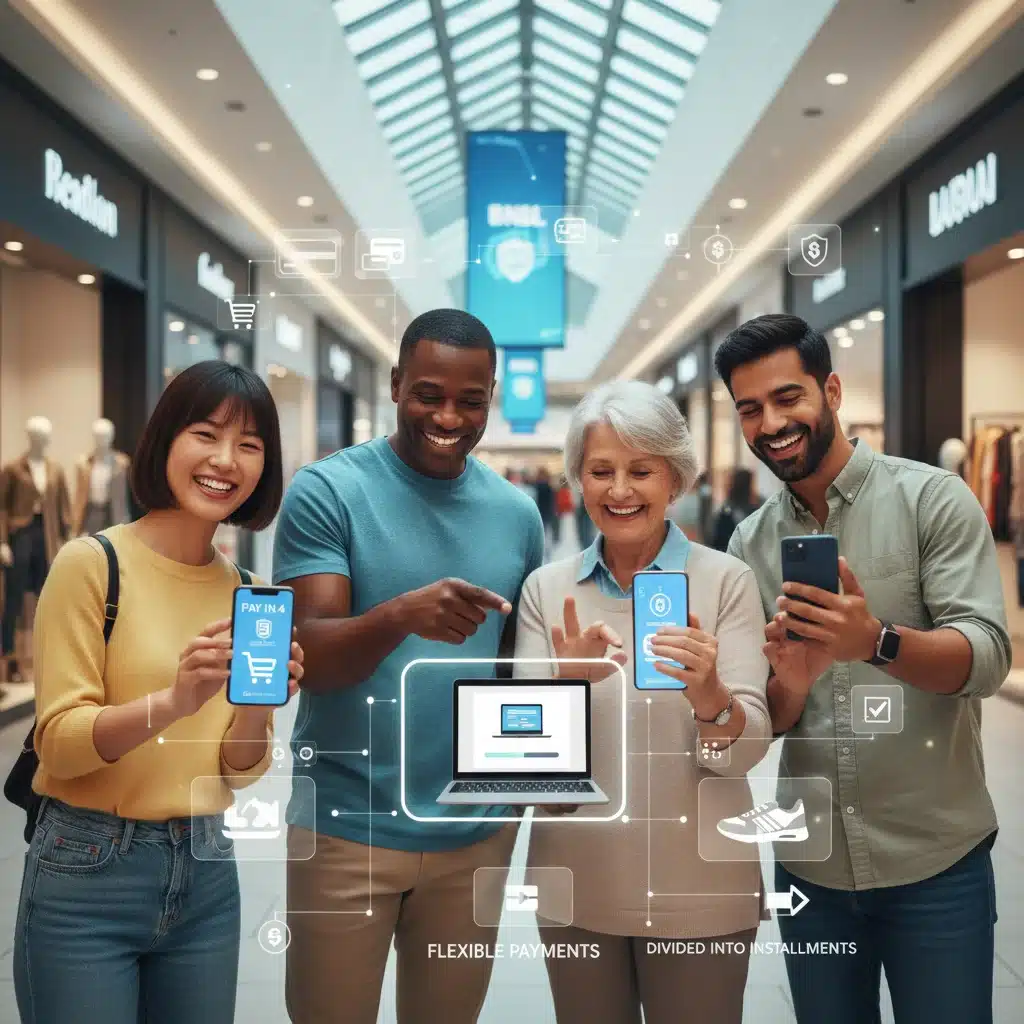
The concept of flexible payments is not new. Layaway plans and installment loans have existed for decades. However, BNPL, powered by fintech advancements, offers a modernized, often interest-free, and remarkably seamless version of these traditional models. It allows consumers to split purchases into several smaller, manageable payments, typically without interest, provided payments are made on time. This convenience, coupled with instant approval processes, has made BNPL an attractive alternative to traditional credit cards for many, especially younger demographics and those seeking greater financial control.
Understanding the BNPL Phenomenon: Why the Surge in Popularity?
The proliferation of Buy Now Pay Later US services can be attributed to a confluence of factors, each playing a crucial role in its widespread adoption. From economic shifts to technological advancements and evolving consumer mindsets, these elements have created a fertile ground for BNPL to flourish.
Accessibility and Ease of Use
One of the primary drivers of BNPL’s success is its unparalleled accessibility and ease of use. Unlike traditional credit applications that often involve lengthy forms, credit checks, and waiting periods, BNPL services typically offer instant approval at the point of sale, whether online or in-store. This frictionless experience removes significant barriers for consumers, making it simpler to manage purchases. The user interface of most BNPL platforms is intuitive, allowing for quick setup and transparent payment schedules. This ease is particularly appealing to digital-native generations who expect immediate gratification and seamless digital interactions.
Financial Flexibility and Budget Management
In an era where financial literacy is increasingly valued, and budgeting is a priority for many households, BNPL offers a valuable tool for managing finances. It allows consumers to spread the cost of larger purchases over several weeks or months without incurring interest, provided they adhere to the payment schedule. This can be particularly beneficial for essential items, unexpected expenses, or even for holiday shopping, enabling consumers to acquire goods and services without depleting their savings or relying on high-interest credit cards. For those who are credit-averse or have limited access to traditional credit, BNPL provides an alternative pathway to purchasing power.
Appeal to Younger Demographics
Millennials and Gen Z have shown a strong preference for BNPL. These generations, often burdened by student loan debt and wary of traditional credit card debt, find BNPL to be a more transparent and controllable form of credit. The interest-free nature (when paid on time) aligns with their desire for financial prudence, while the digital-first approach resonates with their lifestyle. Furthermore, the ability to make purchases without impacting their credit score (in many cases, for smaller transactions) is a significant draw, especially for those building their credit history or preferring to avoid hard inquiries.
E-commerce Integration and Retailer Adoption
The explosive growth of e-commerce, accelerated by the pandemic, has been a significant catalyst for BNPL. BNPL providers have strategically integrated their services directly into online checkout processes, making it a prominent payment option. Retailers, in turn, have embraced BNPL because it often leads to increased conversion rates, higher average order values, and reduced cart abandonment. Offering BNPL can also attract new customers who might otherwise be hesitant to make a large upfront payment. The symbiotic relationship between BNPL providers, retailers, and consumers has fueled its rapid expansion, making Buy Now Pay Later US a ubiquitous option across various retail sectors.
Macroeconomic Factors
Economic uncertainties, such as inflation and fluctuating interest rates, have also played a role. As the cost of living rises, consumers are increasingly seeking ways to manage their budgets more effectively. BNPL offers a way to defer payments and ease immediate financial strain, making it a practical solution for many in challenging economic climates. The perception of BNPL as a ‘safer’ or ‘smarter’ alternative to traditional credit has grown, especially when consumers are cautious about accumulating revolving credit card debt.
The US Consumer Landscape: Who is Using BNPL and How?
The adoption of Buy Now Pay Later US services is not uniform across all demographics, though its reach is continually expanding. Understanding the typical BNPL user and their purchasing habits provides crucial insights into the market’s dynamics.
Demographic Insights
- Age: While BNPL initially gained traction among younger consumers (Millennials and Gen Z), its appeal is broadening. Older generations are increasingly adopting BNPL for larger purchases, drawn by the interest-free structure and budgeting benefits.
- Income Levels: BNPL is utilized across various income brackets. For lower-income individuals, it can provide access to goods and services that might otherwise be unaffordable upfront. For higher-income individuals, it offers a convenient budgeting tool and a way to avoid tying up cash.
- Credit Profile: A significant portion of BNPL users are consumers with thin credit files or those who prefer not to use traditional credit cards. However, many users also possess credit cards but choose BNPL for specific purchases due to its transparency and perceived simplicity.
Common Use Cases
BNPL is no longer confined to fashion and beauty products. Its use cases have diversified significantly:
- Retail (Fashion, Electronics, Home Goods): This remains the largest segment, with consumers using BNPL for everything from clothing and accessories to laptops, furniture, and appliances.
- Travel and Hospitality: Booking flights, hotels, and vacation packages using BNPL allows consumers to spread the cost and make travel more accessible.
- Healthcare: Some medical and dental practices now offer BNPL options for elective procedures or out-of-pocket expenses, providing a much-needed payment solution for healthcare costs.
- Services: From auto repairs to educational courses, BNPL is finding its way into various service industries, allowing consumers to pay for necessary services over time.
Consumer Attitudes and Perceptions
US consumers generally view BNPL positively, citing convenience, transparency, and interest-free payments as key benefits. Many appreciate the ability to try an item before committing to the full payment. However, there is also a growing awareness of the potential pitfalls, such as late fees and the risk of overspending. Financial literacy initiatives and clear communication from BNPL providers are becoming increasingly important to ensure responsible usage and maintain consumer trust in Buy Now Pay Later US services.
The Regulatory Environment and Consumer Protection
As the Buy Now Pay Later US market expands, so does the scrutiny from regulators and consumer advocacy groups. The rapid growth of BNPL has outpaced the development of specific regulatory frameworks, leading to concerns about consumer protection, data privacy, and potential debt accumulation.
Current Regulatory Landscape
In the US, BNPL services currently operate under a patchwork of existing state and federal regulations, rather than a single, comprehensive framework. This includes laws related to lending, truth in lending, and consumer financial protection. The Consumer Financial Protection Bureau (CFPB) has been actively monitoring the BNPL market, conducting inquiries into the business practices of major providers. Their concerns primarily revolve around:
- Data Harvesting: How BNPL companies collect and use consumer data.
- Overextension of Credit: The potential for consumers to take on too many BNPL loans across different providers, leading to unmanageable debt.
- Dispute Resolution: The mechanisms in place for consumers to dispute charges or resolve issues with purchases made via BNPL.
- Late Fees and Penalties: The transparency and fairness of fees charged for missed payments.
Calls for Greater Oversight
There is a growing consensus among policymakers and consumer advocates that more tailored regulation is needed for BNPL. This could include requirements for providers to conduct more rigorous affordability assessments, report payment activity to credit bureaus (which some already do voluntarily), and provide clearer disclosures about terms and conditions. The goal is to strike a balance between fostering innovation in financial services and safeguarding consumers from potential harm.
Industry Self-Regulation
In anticipation of potential regulations, some BNPL providers are proactively implementing measures to enhance consumer protection. This includes offering financial literacy resources, improving transparency in their terms, and exploring ways to share payment data with credit bureaus to provide a more holistic view of a consumer’s financial obligations. These efforts aim to build trust and demonstrate a commitment to responsible lending practices within the Buy Now Pay Later US ecosystem.
Projected Growth and Market Trends Towards 2026
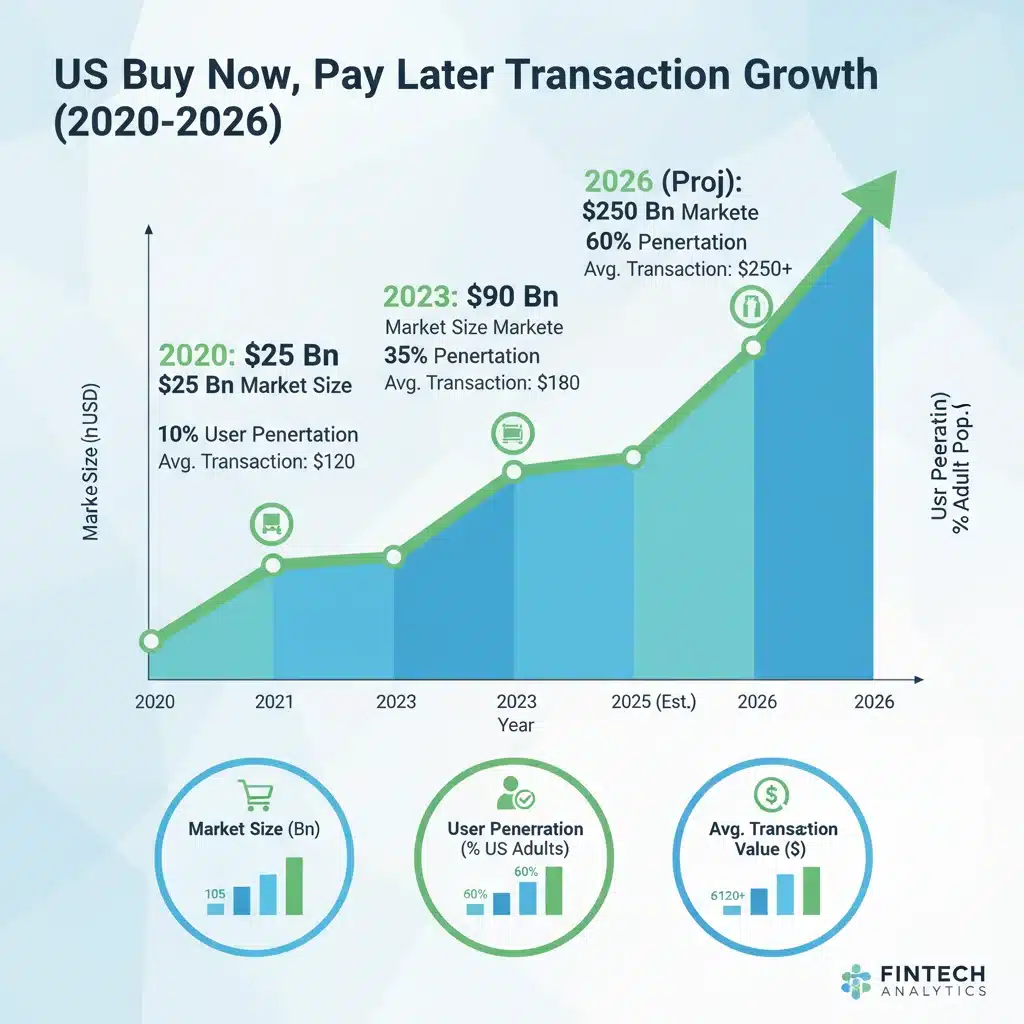
Looking ahead to 2026, the Buy Now Pay Later US market is poised for continued, albeit potentially more moderated, growth. Several key trends will shape its evolution.
Increased Market Penetration
While BNPL has already achieved significant penetration, particularly in online retail, there’s still room for expansion. We can expect to see deeper integration into brick-and-mortar stores, wider adoption across more diverse service sectors (e.g., healthcare, education, home services), and increased acceptance by small and medium-sized businesses (SMBs).
Consolidation and Competition
The BNPL space has seen a proliferation of players. As the market matures, consolidation is likely, with larger financial institutions and tech companies acquiring smaller BNPL startups. Competition will intensify, driving innovation in product offerings, customer experience, and merchant solutions. Traditional banks and credit card companies are also entering the BNPL arena, either through partnerships or by launching their own installment payment options, further blurring the lines between traditional credit and BNPL.
Diversification of Offerings
BNPL services will likely evolve beyond simple installment plans. We can anticipate more sophisticated products, such as longer payment terms for high-value items, subscription-based BNPL models, and integration with personal finance management tools. The focus will shift towards offering more personalized and flexible payment solutions tailored to individual consumer needs and financial health profiles. Some providers are already experimenting with ‘pay in X’ models that offer greater flexibility than the standard ‘pay in 4’.
Enhanced Data Analytics and AI
BNPL providers leverage vast amounts of data to assess creditworthiness and personalize offers. By 2026, the use of artificial intelligence and machine learning will become even more sophisticated, enabling more accurate risk assessments, real-time decision-making, and highly customized repayment plans. This will also play a role in identifying and preventing potential financial distress for consumers, contributing to more responsible lending.
Integration with Digital Wallets and Super Apps
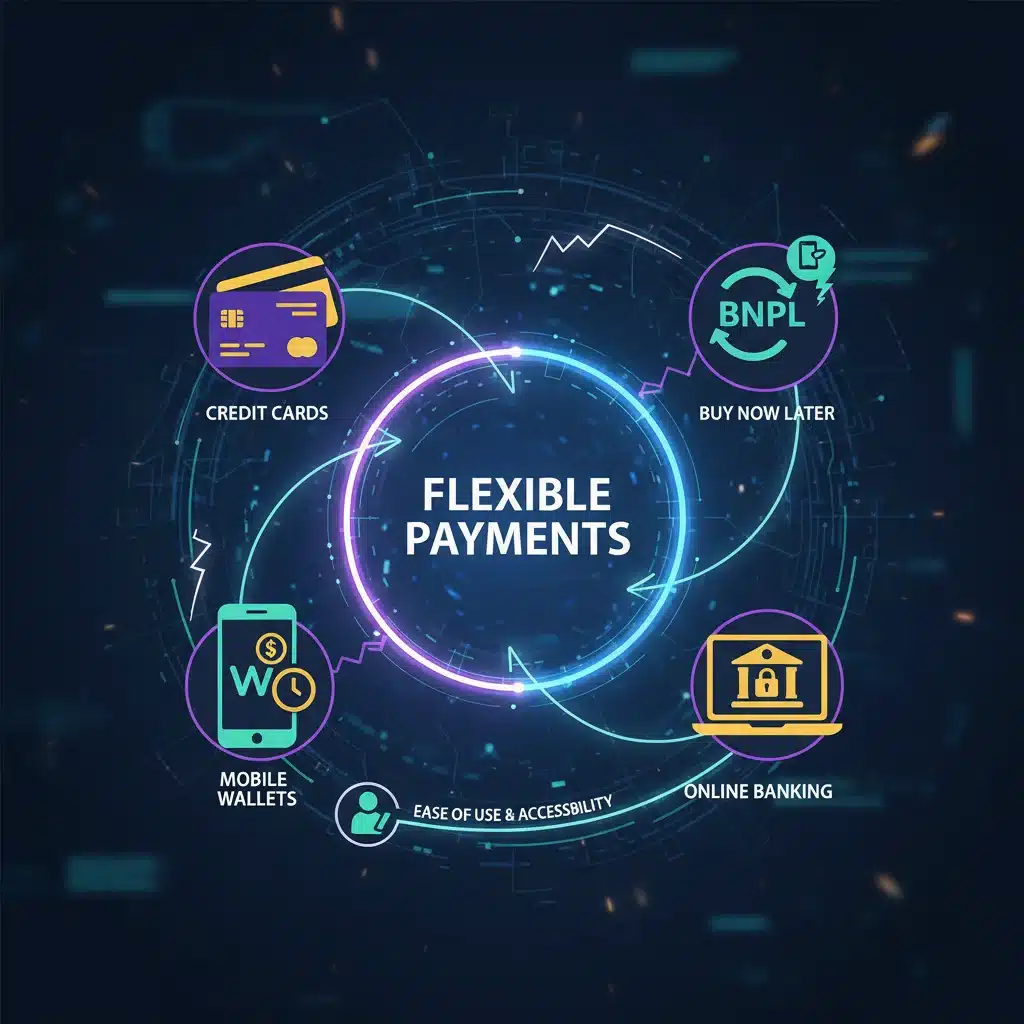
The future of Buy Now Pay Later US will be deeply intertwined with the broader digital payment ecosystem. Expect seamless integration with popular digital wallets (Apple Pay, Google Pay) and the emergence of ‘super apps’ that combine various financial services, including BNPL, banking, investments, and budgeting tools, into a single, cohesive platform. This will further enhance convenience and make BNPL an integral part of everyday digital transactions.
Challenges and Considerations for the Future
Despite its promising trajectory, the Buy Now Pay Later US market faces several challenges that will need to be addressed for sustainable long-term growth.
Risk of Consumer Over-Indebtedness
The ease of obtaining BNPL loans across multiple providers raises concerns about consumers accumulating too much debt. Without a centralized reporting system for all BNPL transactions, it can be difficult for providers to get a complete picture of a consumer’s total BNPL obligations. This risk highlights the need for robust affordability checks and consumer education on responsible usage.
Regulatory Uncertainty
The evolving regulatory landscape creates uncertainty for BNPL providers. Overly stringent regulations could stifle innovation, while insufficient oversight could lead to consumer harm. Finding the right balance will be critical for the industry’s future. Clarity on issues such as credit reporting, dispute resolution, and data privacy will be essential.
Economic Headwinds
Economic downturns, rising interest rates, or increased unemployment could impact consumers’ ability to make timely BNPL payments, leading to higher default rates for providers. The resilience of BNPL models during periods of economic stress will be a key test for the industry.
Competition from Traditional Lenders
As traditional banks and credit card companies enter the BNPL space with their own installment loan products, they bring significant resources, established customer bases, and regulatory experience. This increased competition could put pressure on the profit margins of pure-play BNPL providers and drive further innovation.
The Evolving Relationship Between BNPL and Credit Scores
Historically, many BNPL transactions did not impact a consumer’s credit score, either positively or negatively, because providers often didn’t report to major credit bureaus. This has been a double-edged sword: appealing to those wary of credit checks, but also meaning responsible BNPL use didn’t help build credit.
Shifting Dynamics
As the industry matures and regulatory scrutiny increases, this is changing. Major BNPL providers are increasingly beginning to report payment data to credit bureaus. This shift has significant implications for Buy Now Pay Later US consumers:
- Credit Building: For consumers who consistently make on-time payments, BNPL can become a valuable tool for building or improving their credit score, similar to a traditional installment loan.
- Credit Impact: Conversely, missed or late payments will likely be reported, potentially negatively impacting credit scores. This adds a layer of responsibility that was less apparent in the early days of BNPL.
- Holistic Financial Picture: Credit bureaus are working to incorporate BNPL data into their scoring models, aiming to provide a more comprehensive view of a consumer’s financial obligations and payment behavior. This helps traditional lenders assess risk more accurately.
Consumers need to be aware of which BNPL providers report to credit bureaus and the potential impact of their payment behavior. This evolving relationship underscores the growing integration of BNPL into the broader financial system and reinforces the importance of responsible financial management.
Conclusion: The Future is Flexible for US Payments
The Buy Now Pay Later US market is undeniably here to stay, and its influence on consumer spending and financial habits will only deepen by 2026. What began as a convenient alternative has quickly become a cornerstone of flexible payments, driven by consumer demand for transparency, control, and ease of access to goods and services. While challenges related to regulation, potential over-indebtedness, and economic volatility persist, the industry is adapting, innovating, and integrating more deeply into the financial ecosystem.
For consumers, BNPL offers a powerful tool for budget management and accessing purchases, provided it’s used responsibly. For retailers, it remains a vital strategy for driving sales and enhancing customer loyalty. As the lines between traditional credit and modern payment solutions continue to blur, the future of payments in the US will undoubtedly be characterized by increased flexibility, personalization, and seamless digital experiences, with BNPL playing a central and transformative role.
The journey towards 2026 will see BNPL evolve from a standalone payment option to an integrated component of a broader digital finance landscape, further empowering consumers with choices that align with their financial goals and lifestyles. Staying informed about these trends and practicing diligent financial habits will be key for navigating this exciting and dynamic future.