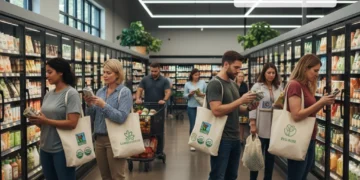
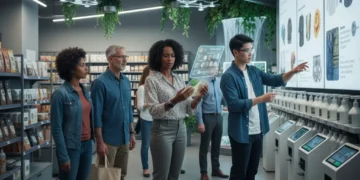
Brand Loyalty in Flux: What US Consumers Value Most in 2026
The year 2026 is not just a date on the calendar; it represents a significant milestone in the ongoing evolution of consumer behavior in the United States. As businesses navigate an increasingly complex and competitive landscape, understanding what US Consumer Values 2026 truly encapsulates is paramount to fostering enduring brand loyalty and achieving sustainable growth. The days of simple transactions are long gone; today’s consumers are more informed, more discerning, and more vocal than ever before. Their purchasing decisions are influenced by a myriad of factors, ranging from economic pressures to deeply held ethical convictions.
This comprehensive exploration delves into the core values shaping the American consumer’s mind in 2026. We will uncover the emerging trends, dissect the enduring principles, and provide actionable insights for brands looking to connect authentically and effectively with their target audience. From the growing emphasis on sustainability and ethical practices to the demand for hyper-personalization and transparent data handling, the landscape is rich with opportunities for those willing to adapt and innovate. Ignoring these shifts is not an option; embracing them is the key to thriving in the coming years.
The Economic Imperative: Affordability and Value in 2026
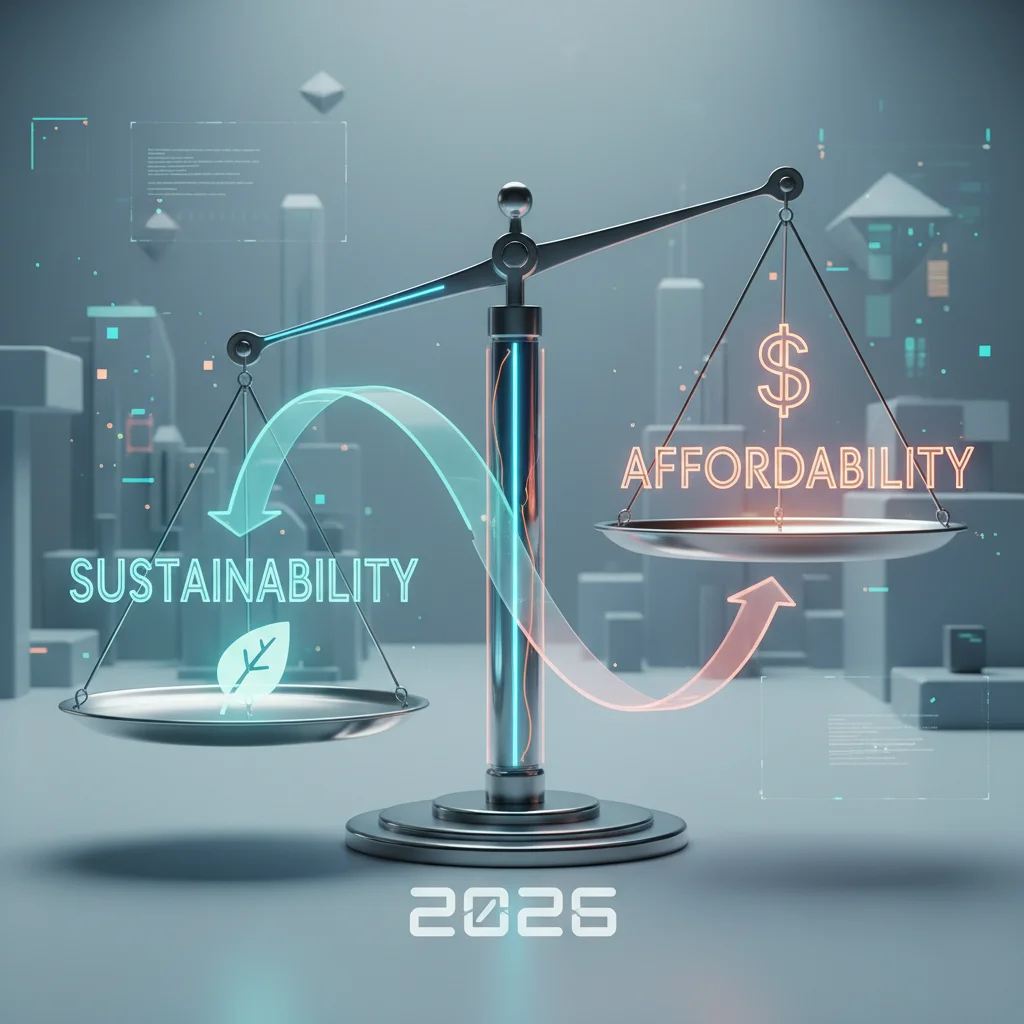
Even amidst broader societal shifts, the fundamental economic realities continue to heavily influence US Consumer Values 2026. Inflationary pressures, fluctuating employment rates, and the lingering effects of global economic instability mean that affordability remains a critical factor for a vast majority of US consumers. However, ‘affordability’ in 2026 is not merely about the lowest price; it’s about perceived value. Consumers are increasingly sophisticated in their evaluation of what constitutes a ‘good deal’. This includes not just the initial purchase price, but also the longevity of a product, its repairability, its impact on household budgets over time (e.g., energy efficiency), and the overall utility it provides.
Brands that can clearly articulate the long-term value proposition of their offerings will gain a significant edge. This might involve highlighting durability, offering comprehensive warranty programs, providing transparent cost-of-ownership details, or bundling services that enhance the product’s lifespan and usability. Discounts and promotions still play a role, but their effectiveness is amplified when they are perceived as genuine savings on a product or service that already demonstrates inherent value. Loyalty programs, when designed effectively, can also reinforce this sense of value by offering exclusive access, personalized rewards, and tiered benefits that make consumers feel appreciated and incentivized to continue their patronage.
Navigating the Price-Value Equilibrium
For many consumers, the price-value equilibrium is a delicate balance. They are willing to pay a premium for quality, convenience, or ethical production, but only if that premium is justified and clearly communicated. Brands must avoid the trap of simply cutting prices without demonstrating the underlying value. Instead, focus on storytelling around craftsmanship, innovative features, or the positive impact of your business practices. This allows consumers to mentally justify the cost, transforming a mere expense into an investment.
Furthermore, the rise of subscription models continues to shape how consumers perceive value. From streaming services to curated product boxes, subscriptions offer predictable costs and often a sense of continuous value. Brands exploring subscription models for physical goods or services must ensure that the perceived value of ongoing access or delivery consistently outweighs the recurring cost. The convenience factor, coupled with unique offerings, can make subscription services highly attractive to US Consumer Values 2026, provided they align with individual needs and budgets.
Sustainability and Ethical Consumption: More Than Just a Trend
What was once a niche concern has now become a mainstream expectation: sustainability and ethical consumption are deeply ingrained in US Consumer Values 2026. Consumers are acutely aware of the environmental and social impact of their purchasing decisions. This extends beyond simply recycling; it encompasses the entire supply chain, from sourcing raw materials to manufacturing processes, labor practices, and end-of-life disposal.
Brands that demonstrate genuine commitment to environmental stewardship and social responsibility are increasingly favored. This means transparent communication about carbon footprints, sustainable sourcing, fair labor practices, and initiatives that give back to communities. Greenwashing, or making unsubstantiated environmental claims, is met with skepticism and can severely damage brand reputation. Consumers in 2026 are savvy; they will research, cross-reference, and hold brands accountable for their pronouncements.
The Rise of Conscious Capitalism
Conscious capitalism, a philosophy that emphasizes businesses acting ethically and pursuing positive social and environmental outcomes alongside profits, is increasingly resonating with US Consumer Values 2026. This involves more than just corporate social responsibility (CSR) initiatives; it’s about embedding purpose into the very fabric of the business model. Brands that align their values with those of their customers, and actively work towards a better world, will build stronger emotional connections and foster deeper loyalty.
Examples include companies using recycled materials, offering repair services to extend product life, investing in renewable energy, or ensuring fair wages and safe working conditions throughout their global operations. Certifications from reputable third-party organizations (e.g., B Corp, Fair Trade) can provide external validation and build trust. The challenge for brands is to integrate these practices authentically and communicate them effectively, demonstrating that their commitment is not merely marketing rhetoric but a core part of their identity.
The Demand for Personalization and Seamless Experiences
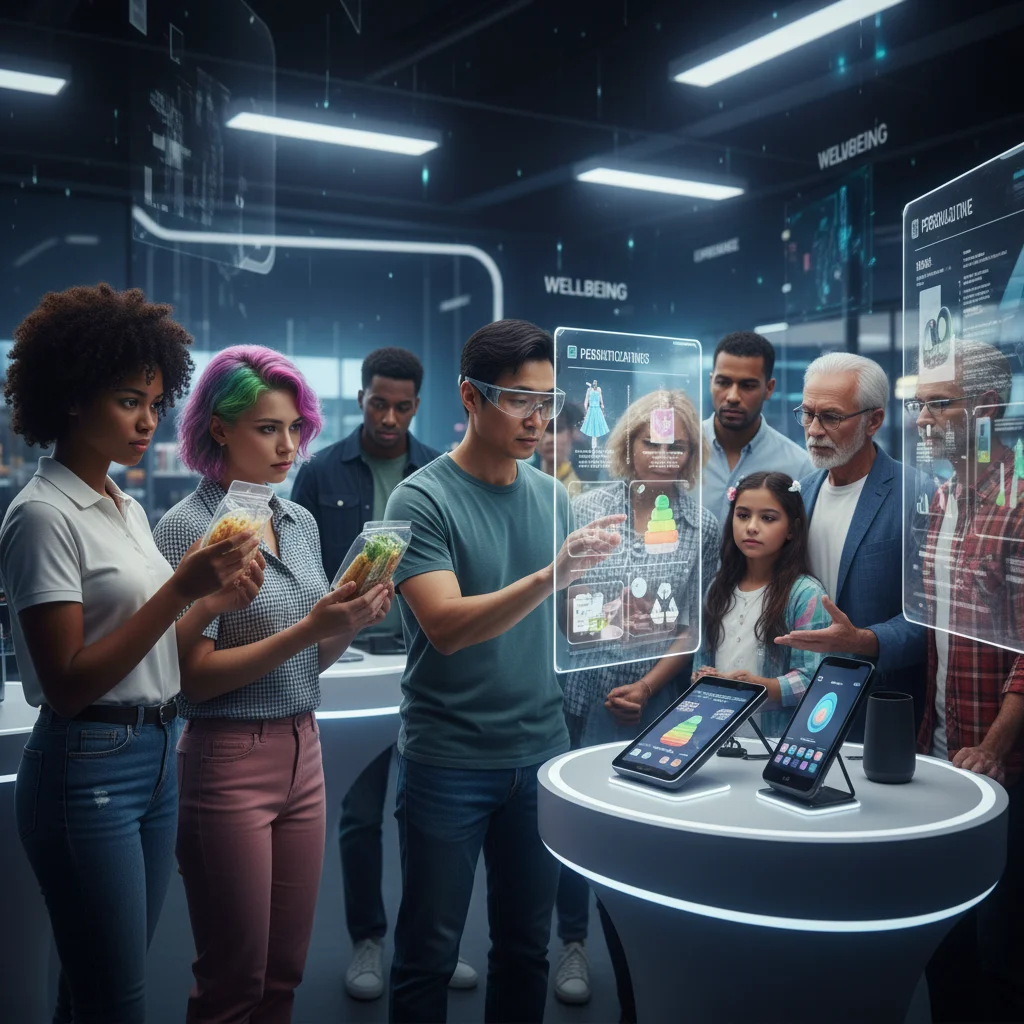
In an age of abundant choice, personalization is no longer a luxury but an expectation. US Consumer Values 2026 dictate that brands should understand their individual needs, preferences, and even their moods. This goes beyond simply addressing customers by their first name in an email; it involves tailoring product recommendations, customizing service interactions, and offering unique content that resonates with specific segments of the audience.
The foundation of effective personalization lies in data. Brands that can ethically collect, analyze, and leverage customer data to create truly bespoke experiences will stand out. This includes personalized product suggestions based on past purchases and browsing history, customized marketing messages that speak directly to individual pain points or aspirations, and even adaptive user interfaces on websites and apps that learn from user behavior.
Beyond Personalization: Hyper-Personalization and Anticipatory Service
Looking ahead, the trend is moving towards hyper-personalization and anticipatory service. This means predicting customer needs before they even articulate them. Imagine a smart home device suggesting a refill of a frequently used product when supplies are low, or a clothing retailer recommending outfits based on local weather forecasts and upcoming events in your calendar. While still nascent in many sectors, this level of proactive engagement will be a significant differentiator for brands seeking to capture and retain US Consumer Values 2026.
However, the drive for personalization must always be balanced with respect for privacy. Consumers are increasingly wary of how their data is collected and used. Brands must be transparent about their data practices, offer clear opt-out options, and ensure robust security measures are in place. A breach of trust in this area can be catastrophic for brand loyalty.
Trust and Transparency: The Bedrock of Brand Loyalty
In an era characterized by misinformation and a general erosion of trust in institutions, transparency has become a non-negotiable aspect of US Consumer Values 2026. Consumers want to know where their products come from, how they are made, who benefits, and what a company truly stands for. Opacity breeds suspicion, while openness fosters confidence and loyalty.
This transparency extends to pricing, ingredient lists, sourcing practices, labor conditions, and even corporate governance. Brands that are willing to be vulnerable, admit mistakes, and clearly communicate their efforts to improve will earn the respect of consumers. This is particularly true for younger generations who are digitally native and adept at uncovering information and sharing their findings.
Building Trust Through Authenticity
Authenticity is closely linked to transparency. Consumers can detect disingenuous marketing from a mile away. Brands must ensure that their stated values align with their actions. This means consistent messaging across all touchpoints, from advertising to customer service interactions. Employee advocacy, where staff genuinely believe in and promote the brand’s mission, can be a powerful testament to authenticity.
Furthermore, transparent communication in times of crisis is crucial. How a brand responds to unforeseen challenges, product recalls, or public criticism can either solidify or shatter consumer trust. A swift, honest, and empathetic response, coupled with clear steps to rectify the situation, goes a long way in preserving loyalty among US Consumer Values 2026.
Data Privacy and Security: A Paramount Concern
As consumers increasingly live their lives online, the protection of their personal data has become a paramount concern. The proliferation of data breaches and the growing awareness of how personal information is used (and sometimes misused) have elevated data privacy and security to a top-tier value for US Consumer Values 2026. Consumers expect brands to be diligent custodians of their data, not just compliance-driven entities.
Brands must invest heavily in robust cybersecurity measures and clearly communicate their privacy policies in easy-to-understand language. Offering customers granular control over their data – allowing them to choose what information they share, how it’s used, and the ability to opt-out – will be a significant trust-builder. Simply stating compliance with regulations like GDPR or CCPA is no longer sufficient; brands must demonstrate a proactive and ethical approach to data handling.

The Paradox of Personalization vs. Privacy
There’s an inherent tension between the desire for personalized experiences and the demand for data privacy. Brands must navigate this paradox carefully. The key lies in obtaining informed consent and demonstrating a clear value exchange. If consumers understand that sharing certain data will lead to genuinely better, more relevant experiences, and if they trust the brand to protect that data, they are more likely to opt-in.
However, any perceived overreach or misuse of data will quickly erode this trust. Brands should prioritize privacy-by-design principles, embedding data protection into the very architecture of their products and services. Educating consumers about the benefits and risks of data sharing, and empowering them with control, will be essential for maintaining a positive relationship with US Consumer Values 2026.
Convenience and Efficiency: The Ever-Present Demand
While new values emerge, the timeless demand for convenience and efficiency remains a cornerstone of US Consumer Values 2026. In a fast-paced world, consumers seek products and services that save them time, effort, and cognitive load. This translates into expectations for seamless online and offline shopping experiences, quick delivery options, intuitive user interfaces, and responsive customer support.
Brands that can streamline processes, reduce friction points, and make every interaction effortless will win over busy consumers. This includes everything from one-click purchasing and easy returns to efficient appointment scheduling and readily available self-service options. Technology plays a crucial role here, enabling innovations like AI-powered chatbots for instant support, augmented reality for virtual product try-ons, and predictive logistics for faster deliveries.
The Rise of the ‘Effortless Economy’
The ‘effortless economy’ describes a market where consumers gravitate towards brands that minimize the effort required to achieve their desired outcome. This often means investing in robust digital infrastructure, optimizing mobile experiences, and integrating various touchpoints to create a unified and consistent customer journey. For example, a customer starting a purchase on their phone should be able to seamlessly complete it on their desktop, or vice-versa, without re-entering information.
Furthermore, convenience extends to customer service. Long wait times, complex IVR systems, and unhelpful support agents are major deterrents. Brands that offer multiple channels for support (chat, email, phone, social media) and ensure prompt, knowledgeable assistance will significantly enhance the customer experience and reinforce positive US Consumer Values 2026 around efficiency.
Community and Belonging: The Search for Connection
Despite an increasingly digital world, or perhaps because of it, US Consumer Values 2026 place a growing emphasis on community and belonging. Consumers are looking for brands that not only provide products or services but also foster a sense of connection, shared identity, or collective purpose. This can manifest in various ways, from online forums and social media groups to local events and loyalty programs that build a community around a brand.
Brands that successfully cultivate a sense of belonging often tap into deeper psychological needs. They create spaces where customers can interact with each other, share experiences, offer advice, and feel like they are part of something larger than themselves. This communal aspect can be a powerful driver of brand loyalty, transforming customers into advocates.
Building Brand Communities in the Digital Age
Leveraging social media platforms and dedicated online forums to build and nurture brand communities is a key strategy. Brands can host exclusive events for members, solicit feedback on new products, and empower loyal customers to become brand ambassadors. User-generated content, where customers share their experiences and creations related to the brand, is also an incredibly effective way to foster community and authenticity. This approach resonates strongly with US Consumer Values 2026, particularly among younger demographics who value peer recommendations and authentic interactions.
Moreover, brands can align with causes or movements that resonate with their target audience, creating a shared sense of purpose. When consumers feel that by supporting a brand, they are also contributing to a larger good or an ideal they believe in, their loyalty deepens significantly. This is a powerful way to move beyond transactional relationships to truly meaningful connections.
The Role of Technology and Innovation
Technology continues to be a transformative force, profoundly influencing US Consumer Values 2026. From artificial intelligence and augmented reality to blockchain and the metaverse, consumers are increasingly interacting with brands through advanced digital interfaces. This means that brands must not only adopt new technologies but also integrate them in ways that enhance the customer experience, rather than complicate it.
Innovation is expected, but it must be purposeful. Consumers are looking for technology that solves real problems, offers genuine convenience, or provides unique forms of engagement. Early adopters are often keen to try new tech, but widespread acceptance hinges on ease of use and tangible benefits. Brands that can demonstrate how their technological advancements align with consumer needs and values will gain a competitive advantage.
Ethical AI and Responsible Innovation
As AI becomes more prevalent, ethical considerations around its use are becoming paramount for US Consumer Values 2026. Consumers are concerned about bias in algorithms, the potential for job displacement, and the transparency of AI decision-making processes. Brands deploying AI must do so responsibly, ensuring fairness, accountability, and explainability in their systems. Communicating these efforts can build trust and differentiate a brand in a crowded market.
Similarly, ventures into emerging technologies like the metaverse or NFTs must be approached with caution and a clear value proposition. While these technologies offer exciting possibilities for immersive brand experiences and new forms of ownership, consumers will only engage if they perceive genuine utility or unique experiences that align with their evolving values.
Conclusion: Adapting to the Evolving US Consumer Values 2026
The landscape of US Consumer Values 2026 is dynamic and multifaceted. While economic considerations like affordability and value remain foundational, there is a clear and accelerating shift towards ethical consumption, personalization, transparency, data privacy, and a desire for community. Brands that wish to not only survive but thrive in this evolving environment must embrace these shifts proactively and authentically.
Success in 2026 and beyond will hinge on a brand’s ability to demonstrate genuine purpose, build unwavering trust, deliver seamless and personalized experiences, and foster meaningful connections with its audience. It requires a holistic approach that integrates these values into every aspect of the business, from product development and supply chain management to marketing and customer service. By understanding and responding to what US consumers truly value, businesses can cultivate deep, lasting loyalty and secure their position in the marketplace for years to come.