Decoding Consumer Value: What Matters to US Shoppers in 2026
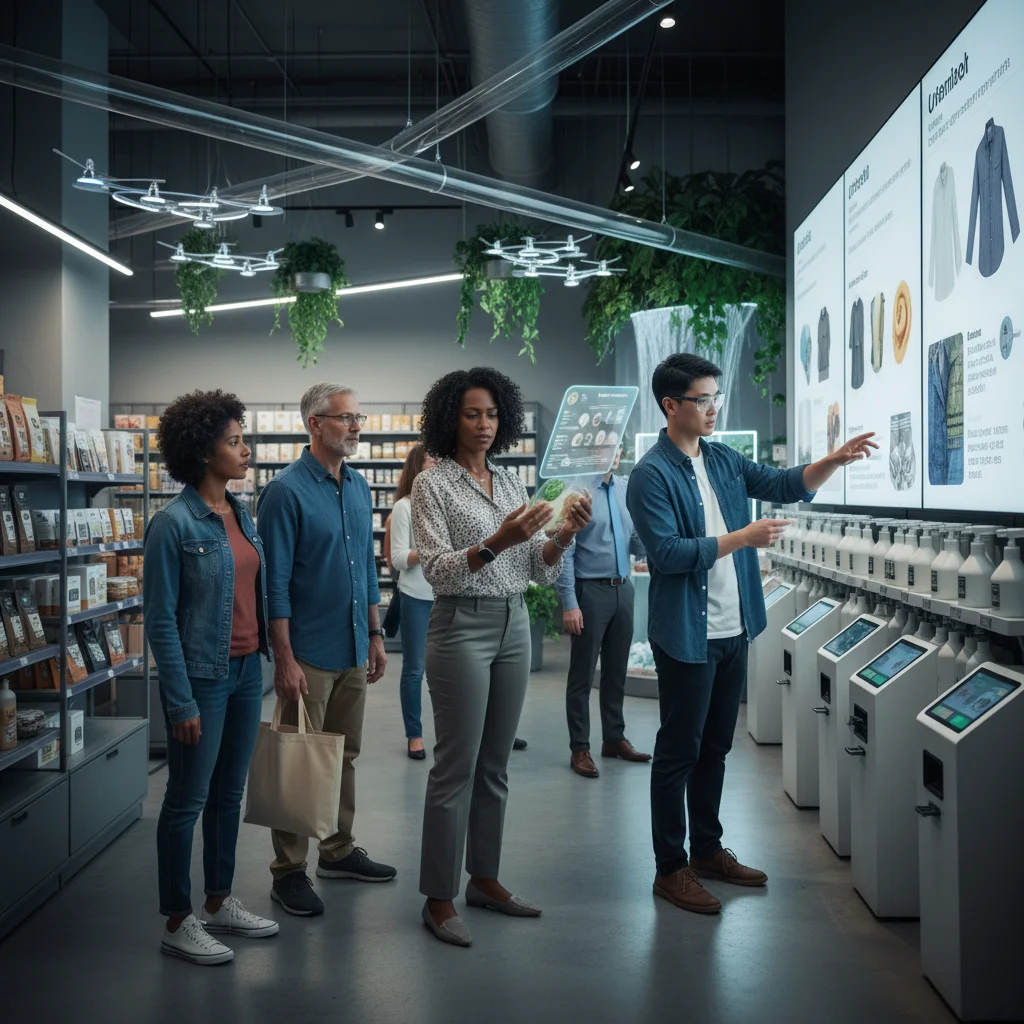
The Evolving Definition of Value: What Matters to US Consumers in 2026
The landscape of consumer behavior is a dynamic canvas, constantly repainted by technological advancements, societal shifts, and evolving priorities. As we stride further into the 21st century, understanding what constitutes true US Consumer Value in 2026 is paramount for businesses aiming not just to survive, but to thrive. The days of price being the sole determinant of value are long gone. Today, and even more so in the near future, consumers are looking beyond the price tag, scrutinizing a myriad of factors that collectively shape their perception of worth. This comprehensive guide delves into the multifaceted definition of value for American shoppers, offering insights and strategies for brands to align with these changing expectations.
Beyond Price: The New Pillars of US Consumer Value
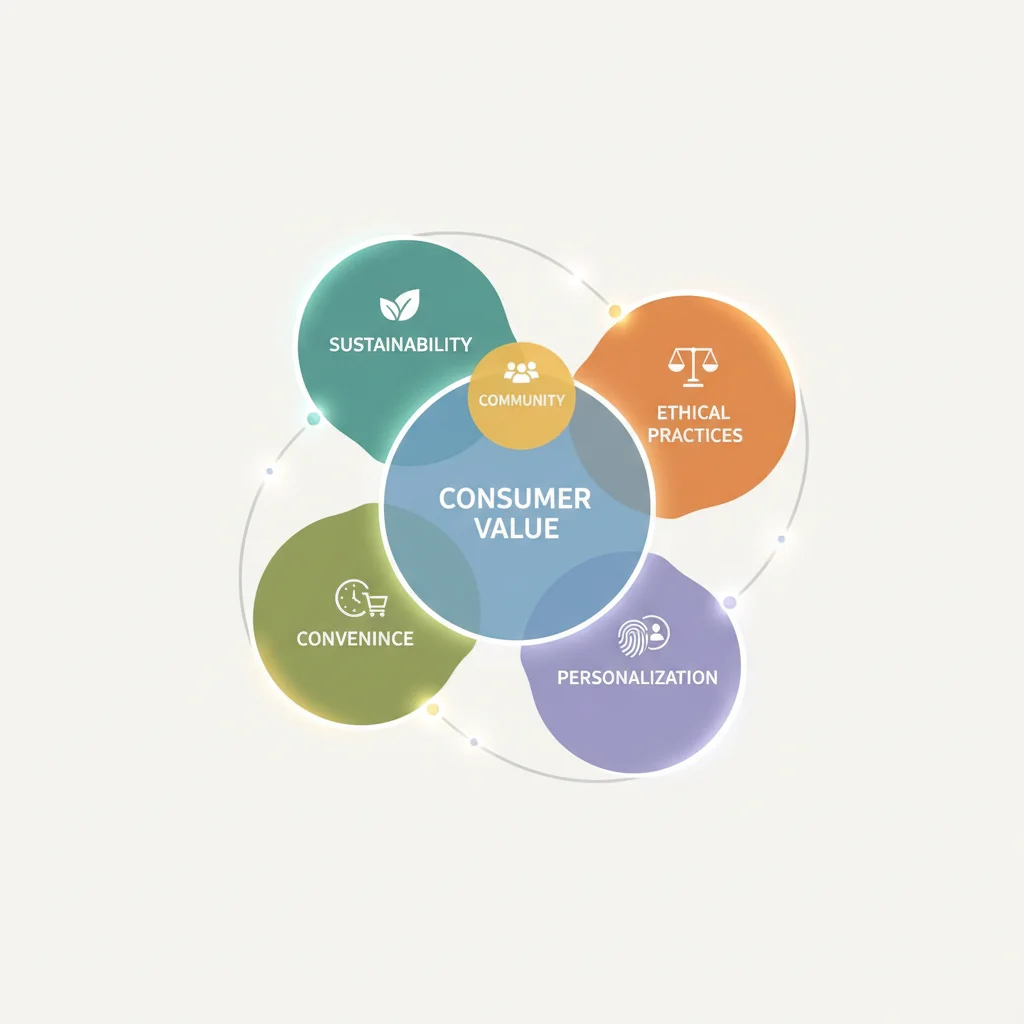
For decades, value was largely synonymous with affordability. While cost remains a significant consideration, especially in an economically volatile world, it no longer holds unchallenged supremacy. In 2026, US Consumer Value is a complex interplay of ethical considerations, personalized experiences, convenience, and genuine impact. Consumers are more informed, more connected, and more conscious than ever before. They demand transparency, authenticity, and a sense of purpose from the brands they choose to support.
Ethical Consumption and Sustainability: Non-Negotiable Factors
One of the most profound shifts in US Consumer Value is the rise of ethical consumption and sustainability as core purchasing drivers. Environmental concerns, social justice issues, and fair labor practices are no longer niche interests; they are mainstream expectations. Consumers, particularly younger generations, are actively seeking out brands that demonstrate a genuine commitment to these values. This includes everything from sustainable sourcing and production methods to transparent supply chains and fair wages.
Brands that fail to address these concerns risk alienating a significant portion of the market. Conversely, those that embed sustainability and ethical practices into their core operations and communicate them effectively are building stronger, more resilient relationships with their customers. This isn’t just about PR; it’s about authentic action that resonates with the consumer’s personal values. The environmental footprint of a product, its recyclability, and the social impact of its creation are becoming as important as its functionality or aesthetic appeal.
The Power of Personalization: Tailoring the Experience
In an increasingly crowded marketplace, generic offerings fall flat. The modern US Consumer Value proposition heavily relies on personalization. Consumers expect brands to understand their individual needs, preferences, and even their moods, delivering tailored experiences that feel unique and relevant. This goes beyond simply addressing them by name in an email. It encompasses personalized product recommendations, customized marketing messages, bespoke service options, and even products that can be adapted to individual specifications.
Advanced data analytics and artificial intelligence are fueling this personalization revolution. Brands that leverage these technologies effectively can create highly engaging and satisfying customer journeys, fostering a sense of loyalty and making consumers feel truly valued. The ability to anticipate needs and offer solutions before the consumer even articulates them is a significant differentiator in 2026. This level of personalization transforms a transactional relationship into a more meaningful interaction, significantly boosting perceived US Consumer Value.
Convenience and Seamless Experiences: The Ultimate Time-Saver
Time is a precious commodity, and consumers are willing to pay a premium for convenience. In 2026, US Consumer Value is intrinsically linked to the ease and seamlessness of the entire purchasing process. This includes everything from intuitive online shopping interfaces and efficient delivery options to hassle-free returns and responsive customer service. The rise of omnichannel retail, where physical and digital experiences blend seamlessly, is a direct response to this demand for convenience.
Mobile commerce continues to dominate, with consumers expecting to complete transactions and interact with brands effortlessly from their smartphones. Voice commerce is also gaining traction, offering another layer of convenience. Brands that can streamline their operations to offer instant gratification, whether through same-day delivery or immediate digital access, will capture a larger share of the market. Any friction in the customer journey, no matter how small, can detract significantly from the perceived value and lead to customer churn.
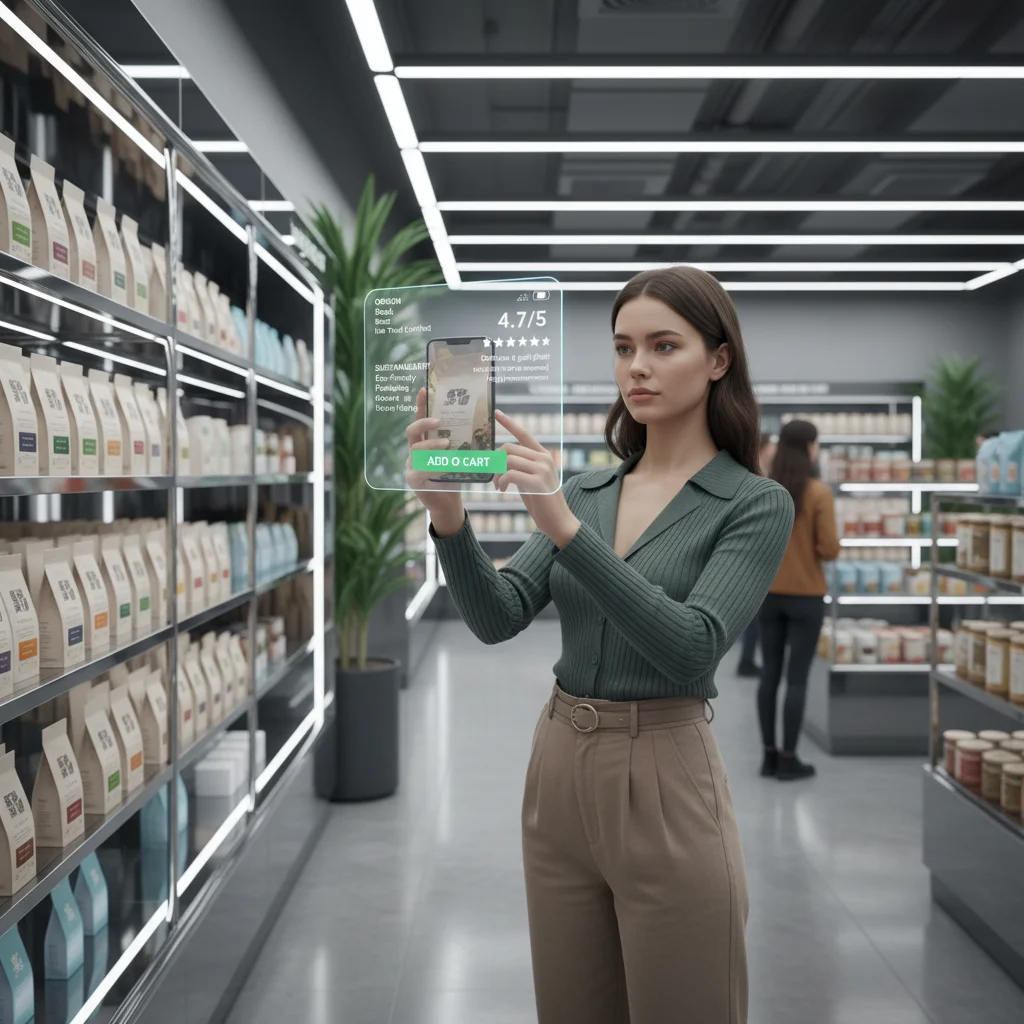
Transparency and Trust: The Foundation of Brand Loyalty
In an era of information overload and often, misinformation, transparency and trust are more critical than ever before. Consumers in 2026 are wary of opaque practices and hidden agendas. They demand to know where their products come from, how they are made, and what impact the brand has on the world. This extends to data privacy as well; consumers expect brands to be transparent about how their personal information is collected, used, and protected.
Building trust requires consistent, honest communication and a commitment to ethical conduct. Brands that are open about their challenges as well as their successes often resonate more strongly with consumers. Authenticity is key; consumers can quickly spot performative gestures versus genuine commitment. A brand’s reputation, built on a foundation of trust and transparency, is a priceless asset that directly contributes to its perceived US Consumer Value.
The Role of Community and Connection
Humans are inherently social beings, and the desire for connection extends to their relationships with brands. In 2026, US Consumer Value is increasingly influenced by a brand’s ability to foster a sense of community. This can manifest in various ways, from online forums and social media groups where customers can interact with each other and the brand, to exclusive events and loyalty programs that create a feeling of belonging.
Brands that successfully cultivate a community around their products or services often benefit from increased engagement, brand advocacy, and customer retention. Consumers want to feel like they are part of something larger than themselves, and brands that facilitate this connection tap into a powerful emotional driver. This sense of shared identity and purpose adds a significant layer of intrinsic value that transcends the tangible product or service.
Experience Over Ownership: The Shift in Priorities
While product ownership remains important, there’s a growing trend towards valuing experiences over mere possessions. This shift impacts how consumers perceive US Consumer Value. Instead of just buying a product, consumers are often looking for the experience associated with it – whether it’s the joy of cooking with premium ingredients, the adventure facilitated by outdoor gear, or the knowledge gained from an online course. Subscription models, rental services, and experiential retail are all manifestations of this trend.
Brands that can articulate and deliver compelling experiences are well-positioned for success. This requires a deeper understanding of the customer’s lifestyle and aspirations. It’s not just about selling a drill; it’s about selling the perfectly hung picture and the satisfaction of a well-decorated home. By focusing on the outcomes and emotions their products enable, brands can significantly enhance their perceived US Consumer Value.
Economic Realities and Value Perception
While the non-monetary aspects of value are gaining prominence, economic factors continue to shape purchasing decisions. Inflationary pressures, economic uncertainties, and fluctuating disposable incomes mean that consumers are more discerning than ever about how they spend their money. However, this doesn’t necessarily mean a race to the bottom on price. Instead, it means a heightened focus on getting the most ‘bang for their buck’ across all dimensions of value.
For some, this will translate into seeking out durable, high-quality products that last longer, reducing the need for frequent replacements. For others, it might mean prioritizing brands that offer excellent customer service and support, ensuring their investment is protected. The key for businesses is to clearly articulate the long-term benefits and overall worth of their offerings, beyond the initial purchase price, to reinforce their US Consumer Value proposition.
The Digital Divide and Inclusivity in Value
As technology becomes more integrated into the consumer journey, it also highlights the importance of inclusivity. Not all consumers have equal access to or comfort with digital tools. Brands must consider the digital divide when crafting their US Consumer Value strategies. While offering advanced digital experiences is crucial, it’s equally important to ensure that those who prefer traditional methods are not left behind.
This means providing multiple touchpoints and channels for interaction, from physical stores and telephone support to sophisticated online platforms. An inclusive approach to value recognizes the diverse needs and capabilities of the entire consumer base, ensuring that every customer can access and appreciate the brand’s offerings. This commitment to accessibility and equity further enhances a brand’s reputation and broadens its appeal.
Strategies for Businesses to Adapt to Evolving US Consumer Value
Understanding these shifts is only the first step. Businesses must actively adapt their strategies to align with the evolving definition of US Consumer Value. Here are key areas of focus:
- Invest in Transparency and Ethical Practices: Go beyond mere compliance. Implement verifiable sustainable practices, ensure fair labor, and communicate these efforts openly. Obtain relevant certifications and share impact reports.
- Prioritize Data-Driven Personalization: Utilize AI and machine learning to understand individual customer preferences. Develop dynamic content, product recommendations, and tailored service offerings across all touchpoints.
- Optimize for Seamless Omnichannel Experiences: Integrate online and offline channels to create a frictionless customer journey. Invest in user-friendly websites, mobile apps, and efficient logistics for delivery and returns.
- Build and Nurture Community: Create platforms and initiatives that allow customers to connect with each other and the brand. Foster a sense of belonging through loyalty programs, social media engagement, and exclusive content.
- Focus on Experiential Value: Shift marketing and product development to highlight the experiences and benefits products provide, rather than just their features. Offer demonstrations, workshops, or content that showcases product usage in real-life scenarios.
- Communicate Value Holistically: Move beyond price-centric messaging. Articulate the full spectrum of value, including durability, ethical sourcing, customer support, and the positive impact of choosing your brand.
- Embrace Agility and Adaptability: The consumer landscape will continue to evolve. Businesses must be agile enough to monitor trends, gather feedback, and rapidly adapt their offerings and strategies.
- Champion Inclusivity and Accessibility: Ensure that products, services, and communication channels are accessible to a diverse range of consumers, regardless of their technological proficiency or physical abilities.
- Educate and Empower Consumers: Provide consumers with the information they need to make informed decisions. Explain the ‘why’ behind your practices and products, empowering them to choose brands that align with their personal values.
The Future of US Consumer Value: A Holistic Perspective
By 2026, the concept of US Consumer Value will be more holistic and demanding than ever. Consumers will expect brands to be not just providers of goods and services, but partners in their pursuit of a better, more meaningful life. This means brands will need to transcend traditional commercial roles and become advocates for positive change, facilitators of connection, and purveyors of authentic experiences.
The brands that succeed will be those that deeply understand their customers, not just as purchasers, but as individuals with values, aspirations, and a desire for genuine connection. They will be the brands that seamlessly blend ethical responsibility with technological innovation, personal touch with scalable efficiency, and tangible products with intangible experiences. The journey to mastering US Consumer Value in 2026 is continuous, requiring constant listening, learning, and adaptation. But for those willing to embark on it, the rewards will be immense, fostering deep loyalty and sustainable growth in a rapidly changing world.
Conclusion: Redefining Success in the Consumer Market
In conclusion, the definition of US Consumer Value in 2026 is a rich tapestry woven from threads of ethics, personalization, convenience, trust, and community. Businesses that recognize and respond to these evolving priorities will not only meet customer expectations but exceed them, building lasting relationships and securing their place in the hearts and minds of American shoppers. The future of retail and consumer goods is not just about what you sell, but how you sell it, and the broader impact you have on the world. By embracing this holistic view of value, brands can redefine success and flourish in the years to come.