Future Tech Trends: Reshaping US Daily Life by 2026

From Concept to Reality: 2 Emerging Future Tech Trends Reshaping US Daily Life by 2026 (INSIDER KNOWLEDGE)
The pace of technological advancement is accelerating at an unprecedented rate, transforming our world in ways that were once confined to the realm of science fiction. As we hurtle towards 2026, two future tech trends stand out as particularly transformative, poised to fundamentally reshape US daily life: the pervasive integration of Artificial Intelligence (AI) and the rapid advancements in biotechnology. These aren’t just buzzwords; they represent foundational shifts that will impact everything from our commutes and healthcare to how we work, learn, and interact with the world around us. Understanding these emerging forces is not just for tech enthusiasts; it’s essential for every individual and organization seeking to thrive in the coming years. This article delves deep into these two pivotal future tech trends, offering an insider’s perspective on their potential and challenges.
By 2026, the United States will be a vastly different landscape, shaped by the subtle yet profound influences of these technological revolutions. We’ll explore how AI is moving beyond niche applications to become an invisible, yet indispensable, part of our daily routines, and how biotechnology is transitioning from laboratory breakthroughs to personalized medical solutions. The implications are far-reaching, touching upon ethical considerations, economic shifts, and societal norms. Prepare to gain a comprehensive understanding of the forces that will define your near future.
The Pervasive Integration of Artificial Intelligence (AI): Beyond the Hype
Artificial Intelligence, once a concept relegated to academic research and futuristic movies, has now permeated nearly every facet of our digital existence. However, by 2026, its integration will move beyond mere convenience to become truly pervasive, fundamentally altering how we interact with technology and the world. This isn’t just about smarter smartphones; it’s about an intelligent layer woven into the fabric of our infrastructure, our homes, and our personal lives.
AI in Daily Operations: The Invisible Hand
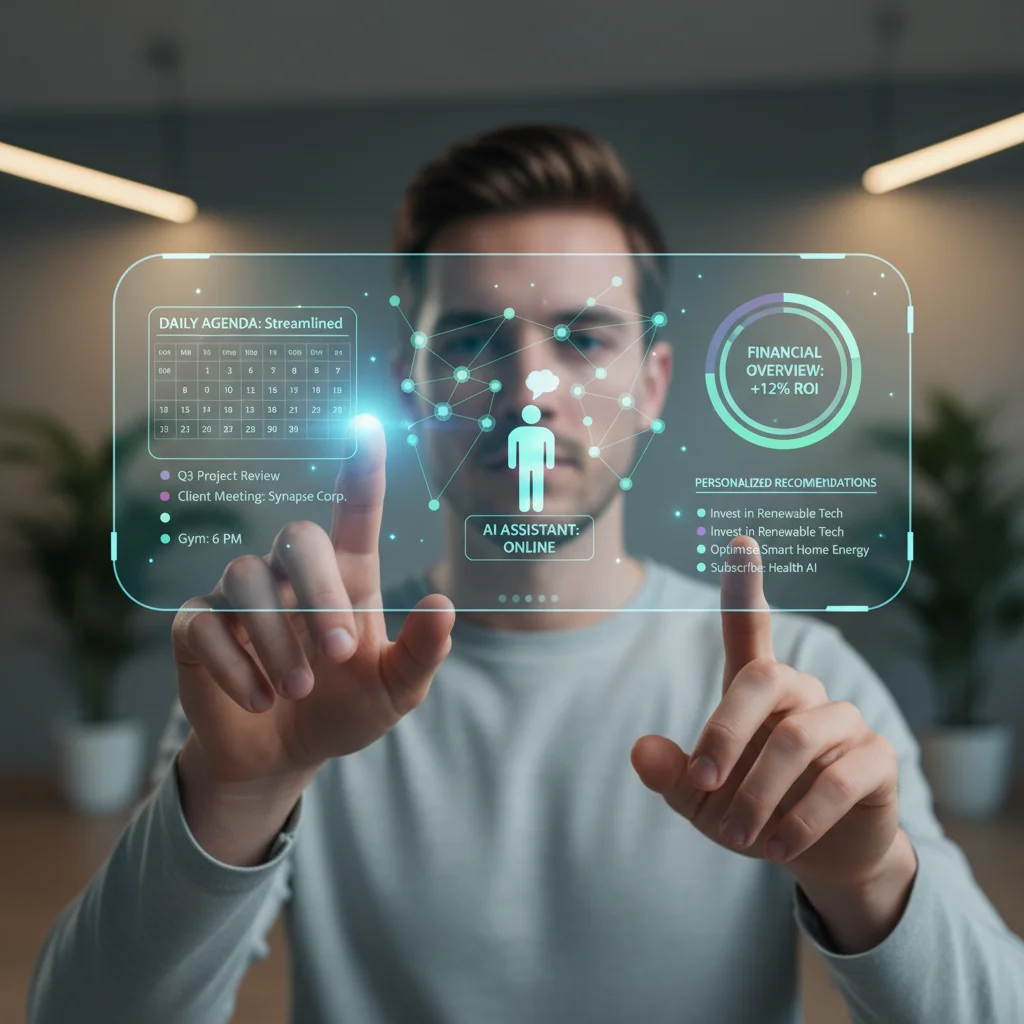
Imagine a world where your home anticipates your needs before you even articulate them. Your smart thermostat doesn’t just learn your preferences; it predicts them based on weather patterns, your daily schedule, and even your mood, adjusting the environment for optimal comfort and energy efficiency. Your refrigerator reorders groceries not when you run out, but when it detects a change in your consumption patterns or upcoming events. This level of proactive, predictive intelligence will be a hallmark of AI’s pervasive integration.
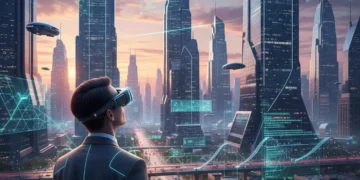
In urban environments, AI will be the invisible hand guiding traffic flow, optimizing public transportation, and managing city resources with unprecedented efficiency. Smart traffic lights will adjust in real-time based on vehicle density, accident reports, and pedestrian movement, reducing commute times and fuel consumption. Waste management systems will leverage AI to optimize collection routes, minimizing environmental impact and operational costs. These are not distant dreams but tangible applications that are already in pilot phases and will be widespread by 2026.
Personalized Experiences: From Recommendations to Companionship
The current generation of AI-powered recommendation engines, which suggest movies or products, is merely the tip of the iceberg. By 2026, AI will offer hyper-personalized experiences across all platforms. Education will be tailored to individual learning styles and paces, with AI tutors providing customized content and feedback. Healthcare will see AI-driven personalized wellness programs, offering dietary advice, exercise routines, and mental health support based on real-time biometric data and genetic predispositions.
Furthermore, AI will play an increasingly significant role in companionship and support. Advanced conversational AIs will move beyond simple chatbots to become sophisticated virtual assistants capable of understanding complex emotions, offering empathetic responses, and even assisting with cognitive tasks for the elderly or those with disabilities. These AI companions will not replace human interaction but will augment it, providing consistent support and engagement.
AI in the Workplace: Augmentation, Not Replacement
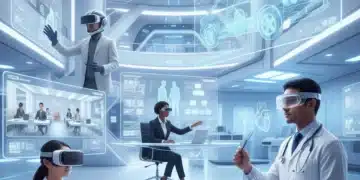
The fear of AI replacing human jobs has been a pervasive concern. However, by 2026, the dominant narrative will shift towards AI as an augmenting force in the workplace. Routine, repetitive tasks will increasingly be automated, freeing up human workers to focus on more creative, strategic, and interpersonal aspects of their roles. AI will become a powerful tool for data analysis, trend prediction, and decision support, enabling professionals across all sectors to perform their jobs with greater efficiency and insight.
For example, in law, AI will sift through vast legal documents and precedents, identifying relevant cases and patterns far faster than any human. In creative industries, AI will assist with generating initial concepts, refining designs, and optimizing content for specific audiences. The key will be collaboration between humans and AI, leveraging the strengths of each to achieve superior outcomes. Training and upskilling the workforce to effectively utilize these AI tools will be a critical societal challenge and opportunity.
Ethical Considerations and Governance of AI
As AI becomes more deeply integrated into daily life, the ethical implications become increasingly critical. Questions of data privacy, algorithmic bias, accountability, and the potential for misuse will be at the forefront. By 2026, we will see significant progress in developing regulatory frameworks and ethical guidelines for AI development and deployment. Governments and international bodies will work to establish standards for transparency, fairness, and human oversight in AI systems. The public’s trust in AI will hinge on the successful implementation of these ethical safeguards.
Explainable AI (XAI) will become a crucial field, ensuring that the decisions made by AI systems are understandable and justifiable to humans. This transparency will be vital in sectors like healthcare and finance, where AI-driven decisions have profound impacts on individuals’ lives. The ongoing dialogue between technologists, ethicists, policymakers, and the public will shape the responsible evolution of AI.
Advanced Biotechnology: Precision, Prevention, and Personalization
While AI reshapes our digital and operational landscapes, advanced biotechnology is poised to revolutionize our physical well-being and the very definition of life itself. By 2026, breakthroughs in genomics, gene editing, personalized medicine, and bio-manufacturing will move from experimental stages to practical applications, offering unprecedented opportunities for health improvement, disease prevention, and extended longevity.
Genomic Revolution: Tailored Healthcare and Disease Prevention
The cost of genomic sequencing continues to plummet, making it increasingly accessible. By 2026, personal genome sequencing will be a more common tool for proactive health management. Doctors will use genomic data to tailor preventative care, identifying predispositions to certain diseases years in advance. This will enable highly personalized lifestyle interventions, dietary recommendations, and early screening protocols, moving healthcare from reactive treatment to proactive prevention.
Pharmacogenomics, the study of how genes affect a person’s response to drugs, will become standard practice. This means medications will be prescribed not based on population averages, but on an individual’s unique genetic makeup, maximizing efficacy and minimizing adverse side effects. This level of precision will transform drug development and patient care, making treatments far more effective and safer.
Gene Editing (CRISPR) and Beyond: Curing the Uncurable
CRISPR gene-editing technology has already demonstrated remarkable potential in correcting genetic defects. By 2026, we can expect to see the first wave of approved gene therapies for a broader range of genetic disorders, moving beyond rare diseases to potentially addressing more common conditions. Imagine a future where diseases like cystic fibrosis, sickle cell anemia, or even certain forms of cancer could be effectively treated or even cured by directly editing faulty genes.
While the ethical debates surrounding germline editing (editing genes that can be passed on to future generations) will continue, somatic gene editing (editing non-reproductive cells) will see significant advancements. These therapies hold the promise of eliminating the root cause of many diseases rather than just managing symptoms, leading to truly transformative health outcomes. The regulatory landscape will evolve rapidly to ensure safe and ethical deployment of these powerful technologies.
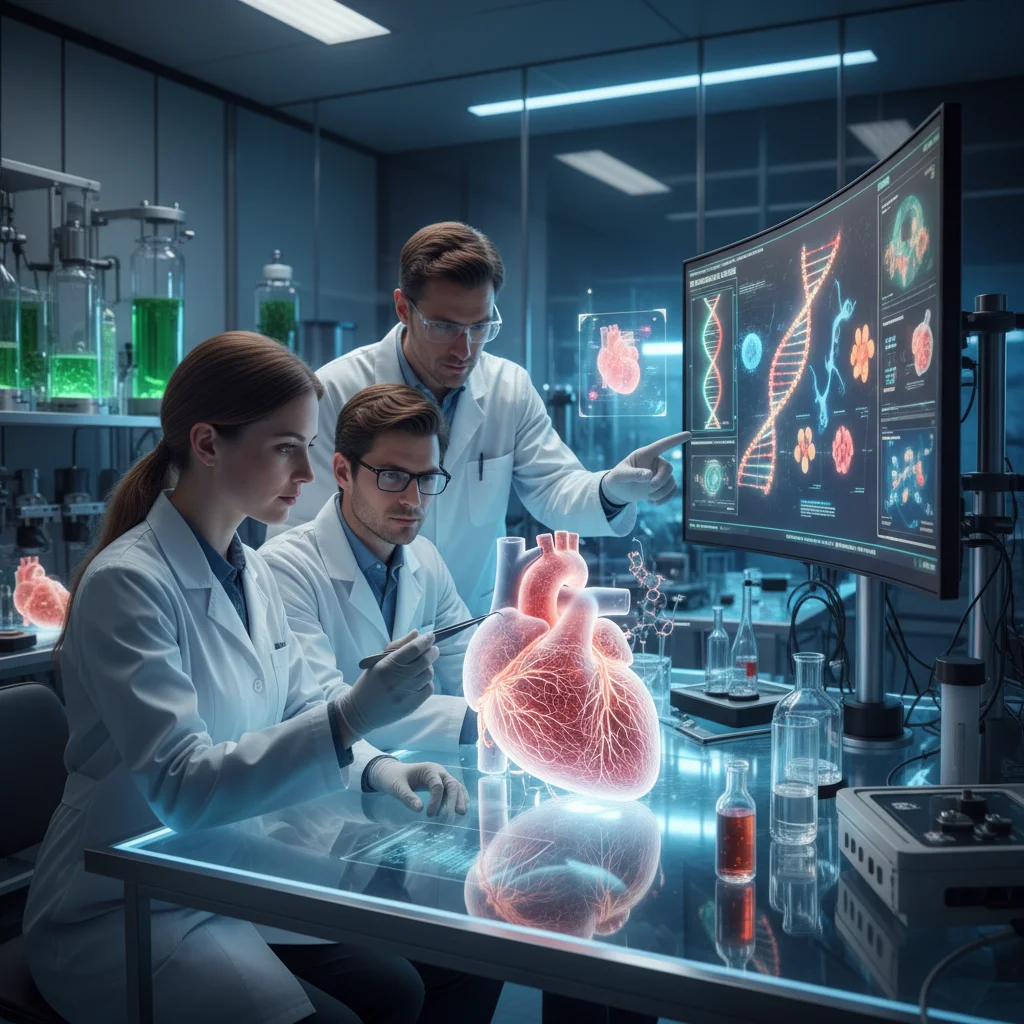
Beyond CRISPR, other gene-editing tools and techniques are emerging, offering even greater precision and flexibility. These advancements will accelerate the development of new therapies and diagnostic tools, pushing the boundaries of what’s medically possible.
Bio-Manufacturing and Regenerative Medicine: Organs on Demand and Lab-Grown Products
The field of bio-manufacturing is experiencing a renaissance, driven by advances in 3D bioprinting and cellular agriculture. By 2026, we may see significant progress in the ability to 3D print functional tissues and even rudimentary organs for transplantation, addressing the critical shortage of donor organs. This could revolutionize transplant medicine, reducing waiting lists and improving patient outcomes.
Cellular agriculture, which involves growing meat, dairy, and other animal products from cell cultures rather than traditional livestock, will also gain traction. This technology offers a sustainable and ethical alternative to conventional farming, reducing environmental impact and animal suffering. While widespread adoption might take longer, by 2026, lab-grown products will likely be more accessible and accepted in niche markets, paving the way for broader integration.
Brain-Computer Interfaces (BCIs) and Neurotechnology: Bridging Mind and Machine
Though still in early stages, brain-computer interfaces (BCIs) and other neurotechnologies will see significant advancements by 2026, particularly in medical applications. Devices that allow paralyzed individuals to control prosthetic limbs with their thoughts, or restore sight and hearing through direct neural stimulation, will become more sophisticated and widely available. These technologies hold immense promise for restoring lost functions and improving the quality of life for millions.
Beyond medical applications, early forms of non-invasive BCIs might begin to emerge in consumer electronics, offering novel ways to interact with devices. While full-fledged mind-reading or telepathy remains firmly in the realm of science fiction, the ability to control interfaces with minimal physical effort will become a tangible reality, blurring the lines between thought and action.
Societal and Economic Impacts: Navigating the New Frontier
The convergence of these future tech trends—pervasive AI and advanced biotechnology—will undoubtedly bring about profound societal and economic shifts. Understanding and preparing for these changes is crucial for individuals, businesses, and governments.
Economic Transformation: New Industries and Job Markets
The rise of AI and biotech will spur the creation of entirely new industries and job categories. We will see increased demand for AI ethicists, data scientists specializing in genomic data, bioinformaticians, gene therapy developers, and AI-human collaboration specialists. While some traditional jobs may be automated, the growth in these new sectors will offer significant opportunities for economic expansion and innovation.
Investment in R&D for these fields will skyrocket, leading to new economic powerhouses and a redefinition of global competitiveness. Countries and regions that foster environments conducive to AI and biotech innovation will likely lead the next wave of economic growth.
Ethical and Regulatory Challenges: A Delicate Balance
Both AI and biotechnology raise complex ethical questions. For AI, these include concerns about privacy, surveillance, algorithmic bias, and the potential for autonomous decision-making in critical systems. For biotechnology, the debates around gene editing, human enhancement, data security of genomic information, and equitable access to life-saving therapies will intensify.
Governments will face the monumental task of creating regulatory frameworks that encourage innovation while safeguarding public health, privacy, and ethical norms. Striking this delicate balance will require continuous dialogue, expert input, and adaptive policies. Public education and engagement will also be vital to ensure informed societal discourse on these critical issues.
Social Equity and Access: Bridging the Divide
A significant challenge will be ensuring equitable access to the benefits of these future tech trends. If advanced AI tools and personalized biotech therapies are only available to the wealthy, it could exacerbate existing social inequalities, creating a deeper divide between those who can afford cutting-edge health and efficiency solutions and those who cannot. Policy initiatives aimed at universal access, subsidized programs, and ethical pricing will be essential to prevent a two-tiered society.
Furthermore, digital literacy and public understanding of these complex technologies will be crucial. Educational reforms are needed to prepare future generations for a world deeply integrated with AI and advanced biotech, ensuring that everyone has the opportunity to participate in and benefit from the technological revolution.
The Future of Human Identity and Interaction
As AI becomes more sophisticated and biotechnology enables us to modify our own biology, questions about what it means to be human will inevitably arise. How will our relationships with AI companions evolve? What are the implications of genetic enhancements for human diversity and identity? These philosophical and societal questions will become increasingly pertinent by 2026 and beyond.
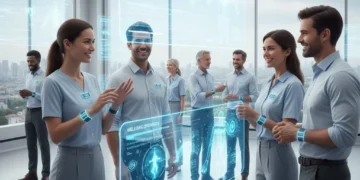
The way we interact with each other will also be influenced. AI-powered communication tools might break down language barriers and facilitate global collaboration, but they could also introduce new forms of digital isolation or manipulation. Understanding and consciously shaping these interactions will be key to harnessing the positive potential of these technologies.
Preparing for 2026: Strategies for Individuals and Organizations
To navigate the landscape shaped by these future tech trends, proactive strategies are indispensable for both individuals and organizations.
For Individuals: Lifelong Learning and Adaptability
The most important skill for individuals will be adaptability and a commitment to lifelong learning. Staying informed about technological advancements, understanding their implications, and acquiring new skills relevant to AI and biotech will be crucial for career longevity and personal empowerment. Embracing digital literacy and critical thinking will help individuals discern credible information from misinformation in an increasingly complex technological world.
Furthermore, cultivating uniquely human skills—creativity, emotional intelligence, critical thinking, and complex problem-solving—will become even more valuable as AI handles routine tasks. These are the areas where human ingenuity will continue to shine.
For Businesses: Innovation, Ethics, and Strategic Investment
Businesses must embed AI and biotech strategies into their core operations. This means investing in research and development, fostering a culture of innovation, and exploring partnerships with tech innovators. Companies that fail to adapt risk being left behind in a rapidly evolving market.
Prioritizing ethical AI development and responsible biotech practices will not only be a moral imperative but also a strategic advantage, building trust with consumers and stakeholders. Companies that demonstrate a commitment to ethical innovation will stand out in a crowded marketplace. Furthermore, businesses need to invest in upskilling their workforce, preparing employees for collaboration with AI and for roles in emerging biotech sectors.
For Governments: Proactive Policy and Public Engagement
Governments must adopt a proactive approach to policymaking, anticipating the challenges and opportunities presented by AI and biotech. This includes developing agile regulatory frameworks, investing in public infrastructure to support these technologies, and funding fundamental research.
Public engagement and education initiatives will be vital to foster informed discussions and build societal consensus around the ethical deployment of these powerful tools. International cooperation will also be essential to address global challenges and opportunities presented by these universally impactful future tech trends.
Conclusion: The Dawn of a New Era
By 2026, the United States will be well into a new technological era, profoundly shaped by the pervasive integration of Artificial Intelligence and the transformative advancements in biotechnology. These are not isolated phenomena but interconnected forces that will redefine our daily lives, our economy, our healthcare, and even our understanding of what it means to be human.
From personalized medicine that prevents disease before it starts, to intelligent systems that seamlessly manage our urban environments and personal schedules, the future is arriving faster than ever. While challenges related to ethics, equity, and societal adaptation are real, the potential for these future tech trends to improve human well-being, foster innovation, and create a more efficient and sustainable world is immense.
As we move forward, an informed and adaptable populace, coupled with responsible innovation and proactive governance, will be key to harnessing the full potential of these groundbreaking technologies. The journey to 2026 promises to be one of unprecedented change and exciting possibilities, and by understanding these core future tech trends, we can better prepare to shape a future that is both technologically advanced and deeply human.