Quantum Computing Outlook: 3-Month Forecast for US Tech Enthusiasts
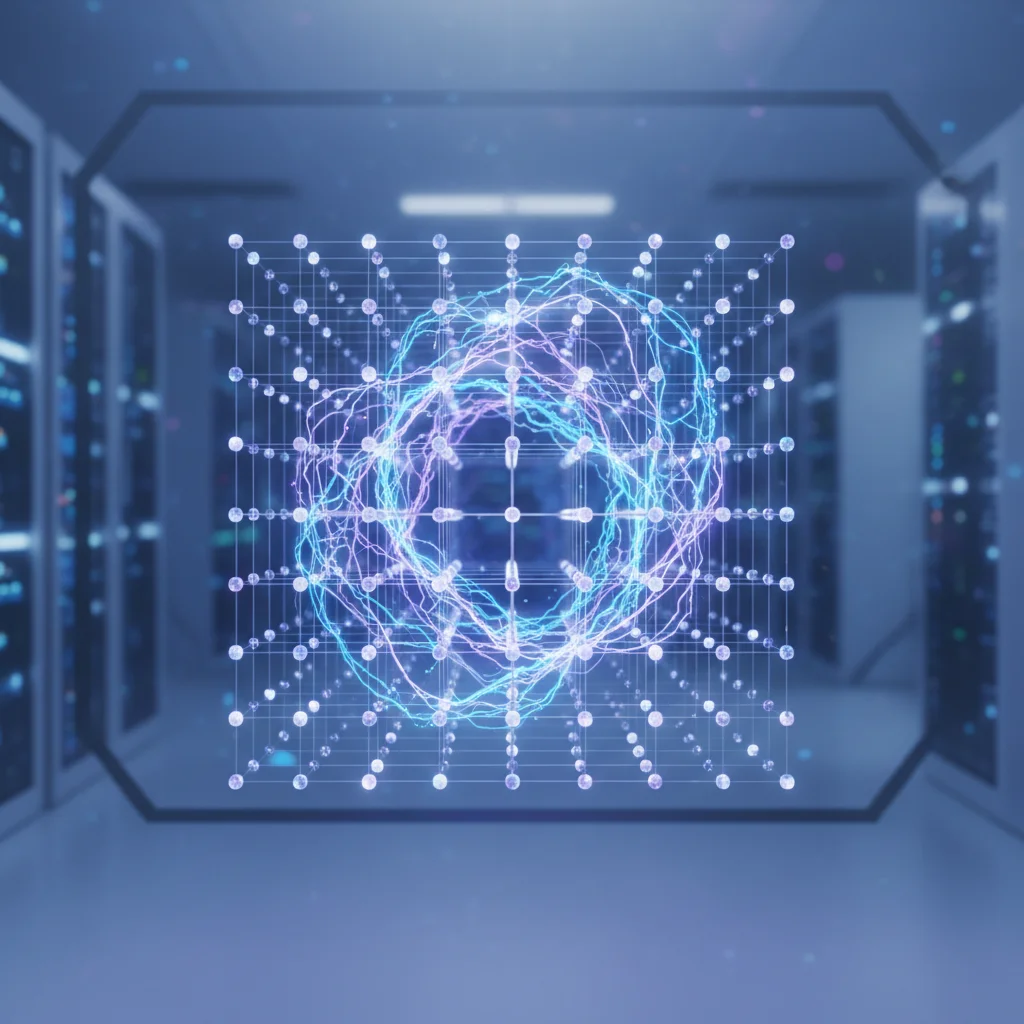
The Immediate Quantum Computing Outlook: A 3-Month Forecast for US Tech Enthusiasts
The pace of innovation in quantum computing is accelerating at an unprecedented rate, making it a critical area of focus for technology enthusiasts, researchers, and industry leaders across the United States. What was once considered purely theoretical is now manifesting in tangible prototypes and groundbreaking experiments. For US tech enthusiasts, understanding the immediate quantum computing outlook is not just about staying informed; it’s about anticipating the next wave of disruption and identifying opportunities in a rapidly evolving landscape. This article delves into a time-sensitive, 3-month forecast, highlighting the critical developments, potential impacts, and key areas to watch in the world of quantum technology.
The field of quantum computing, built on the enigmatic principles of quantum mechanics, promises to solve problems currently intractable for even the most powerful classical supercomputers. From drug discovery and materials science to financial modeling and cryptography, the potential applications are vast and transformative. However, the journey from theoretical promise to practical application is fraught with challenges, including qubit stability, error correction, and the sheer complexity of building and maintaining quantum systems. Over the next three months, we expect to see significant strides in addressing these challenges, particularly within the competitive and innovation-driven US tech ecosystem.
Understanding the Current State of Quantum Computing in the US
Before peering into the immediate future, it’s crucial to grasp the current landscape of quantum computing in the US. The nation stands at the forefront of quantum research and development, with significant investments from both government agencies and private corporations. Institutions like IBM, Google, Microsoft, and numerous startups are pushing the boundaries of what’s possible, focusing on different qubit technologies, from superconducting circuits to trapped ions and photonic systems. Each approach has its unique advantages and hurdles, contributing to a diverse and dynamic research environment.
The US government, through initiatives like the National Quantum Initiative Act, has solidified its commitment to maintaining leadership in quantum science and technology. This act fosters collaborations between universities, national labs, and industry, accelerating research and development while also focusing on workforce development. This strategic approach ensures a continuous pipeline of talent and resources, which is vital for sustained progress in such a complex field. The immediate quantum computing outlook is heavily influenced by these foundational investments and collaborative efforts.
Recent breakthroughs have demonstrated increasingly complex quantum computations, albeit still within a noisy intermediate-scale quantum (NISQ) era where error rates are significant. However, advancements in error mitigation techniques are steadily improving the reliability of quantum operations. For tech enthusiasts, this means that while fully fault-tolerant quantum computers are still years away, the capabilities of current quantum devices are expanding, opening doors for exploratory research and the development of new quantum algorithms.
Key Players and Their Recent Contributions
- IBM: Continues to lead in superconducting qubit technology, consistently releasing new processors with increasing qubit counts and improved performance metrics. Their cloud-based quantum platforms provide invaluable access for researchers and developers worldwide.
- Google: Known for its ‘quantum supremacy’ experiment, Google is also heavily invested in superconducting qubits and is pushing the envelope in quantum error correction research.
- Microsoft: Focusing on topological qubits, which promise inherent error resistance, Microsoft is also building a comprehensive quantum ecosystem with its Azure Quantum platform.
- IonQ: A prominent player in trapped-ion quantum computing, IonQ has demonstrated high-fidelity operations and is making strides in commercializing quantum systems.
- Honeywell (Quantinuum): Another leader in trapped-ion technology, Quantinuum has shown remarkable progress in quantum volume, a metric for overall quantum computer performance.
These entities, among many others, are shaping the immediate quantum computing outlook by driving innovation in both hardware and software, making the next three months particularly exciting for observing their progress.
3-Month Forecast: What to Expect in Quantum Hardware
The next three months are poised to bring incremental but significant advancements in quantum hardware. The focus will largely remain on increasing qubit counts, improving qubit coherence times, and reducing error rates. While a revolutionary leap in qubit technology might not occur within such a short timeframe, the cumulative effect of continuous improvements will be substantial.
Increased Qubit Counts and Connectivity
Expect announcements regarding new quantum processors boasting higher qubit numbers. While simply adding more qubits doesn’t automatically translate to more powerful quantum computers, improved connectivity between qubits and better control mechanisms are equally vital. Researchers will be working on optimizing chip architectures to enable more complex quantum circuits. This ongoing race for higher qubit counts is a strong indicator of the competitive nature of the quantum computing outlook.
Enhanced Qubit Coherence and Fidelity
One of the biggest challenges in quantum computing is maintaining the delicate quantum state of qubits. Over the next quarter, expect to see continued efforts and reported improvements in qubit coherence times – how long a qubit can maintain its quantum state – and gate fidelity – the accuracy of quantum operations. These improvements are critical for running longer and more reliable quantum algorithms, moving us closer to practical applications. Innovations in cryogenic cooling and shielding technologies will play a significant role here.
Progress in Error Mitigation and Correction
The NISQ era is defined by the need for error mitigation techniques. While full quantum error correction is a long-term goal, the next three months will likely see further development and refinement of error mitigation strategies. These techniques aim to reduce the impact of noise without requiring the massive overhead of fully fault-tolerant error correction. For tech enthusiasts, these developments mean that the results from quantum experiments will become increasingly trustworthy and reproducible, enhancing the practical value of current quantum devices and shaping the quantum computing outlook.

Emerging Trends in Quantum Software and Algorithms
Hardware advancements are only one side of the quantum coin; software and algorithmic development are equally crucial. Over the next three months, the focus in quantum software will be on making quantum computers more accessible and on developing algorithms that can leverage the unique capabilities of current and near-future quantum hardware.
Development of Hybrid Quantum-Classical Algorithms
Given the limitations of current quantum hardware, hybrid algorithms that combine classical computing with quantum processing are gaining traction. These algorithms offload computationally intensive parts of a problem to quantum processors while classical computers handle the optimization and control. Expect to see new research and demonstrations of hybrid algorithms in areas like optimization, machine learning, and simulations. This approach is key to extracting meaningful results from NISQ devices and will heavily influence the immediate quantum computing outlook for practical applications.
Improved Quantum Programming Tools and Frameworks
Accessibility is vital for expanding the quantum computing ecosystem. Companies and open-source communities will continue to refine and release more user-friendly quantum programming tools, SDKs, and frameworks. These tools aim to abstract away some of the low-level complexities of quantum mechanics, allowing a broader range of developers to experiment with quantum algorithms. Python-based libraries like Qiskit (IBM) and Cirq (Google) will likely see new updates and features, making quantum programming more intuitive.
Early Applications and Use Cases
While large-scale commercial applications are still distant, the next three months will bring more proof-of-concept demonstrations in specific domains. Look for small-scale quantum simulations in chemistry and materials science, initial explorations in quantum machine learning for specific data sets, and continued research into quantum finance models. These early applications, though limited, provide valuable insights into the potential of quantum computing and refine our understanding of its true impact. They are crucial for validating the quantum computing outlook.
Impact on Key Industries and Tech Sectors
The ripple effects of quantum computing advancements are beginning to be felt across various industries. While widespread commercial adoption is still some time away, the next three months will see increased strategic planning and initial exploratory projects within several key sectors.
Cybersecurity: The Quantum Threat and Opportunity
The most immediate and talked-about impact of quantum computing is on cybersecurity. Shor’s algorithm, a quantum algorithm, could theoretically break current public-key encryption standards, posing a significant threat to secure communications. Over the next three months, expect heightened discussions and increased investment in post-quantum cryptography (PQC) solutions. The US National Institute of Standards and Technology (NIST) is leading the charge in standardizing PQC algorithms, and companies will be evaluating and beginning to implement these new cryptographic primitives. This proactive stance is essential for securing digital infrastructure against future quantum attacks and is a critical part of the quantum computing outlook for national security.
Pharmaceuticals and Materials Science
Quantum computing’s ability to simulate molecular interactions at an unprecedented level of detail holds immense promise for drug discovery and materials science. In the coming quarter, we anticipate more academic and industrial collaborations exploring quantum simulations for specific chemical reactions or material properties. While not leading to immediate drug breakthroughs, these early simulations will refine the computational models and provide valuable data for future research. This sector benefits immensely from the granular insights quantum computing can offer.
Financial Services and Optimization
The financial sector is keenly interested in quantum computing for tasks like portfolio optimization, risk analysis, and fraud detection. Quantum algorithms, particularly those for optimization problems, could offer significant speedups. Over the next three months, expect to see more financial institutions investing in quantum research teams or partnering with quantum computing providers to explore these applications. Small-scale pilot projects focusing on specific optimization challenges are likely to emerge, offering a glimpse into the future of quantitative finance and impacting the long-term quantum computing outlook for financial markets.
Artificial Intelligence and Machine Learning
Quantum machine learning (QML) is a burgeoning field that seeks to combine the power of quantum computing with AI. While still in its infancy, QML could potentially accelerate training times for complex models, enhance pattern recognition, and enable new forms of AI. The next quarter will likely see continued theoretical advancements in QML algorithms and small-scale demonstrations on current quantum hardware, particularly in areas like quantum neural networks and quantum support vector machines. These early explorations are laying the groundwork for a future where quantum-enhanced AI could revolutionize data processing and decision-making.
Challenges and Considerations for the Next 3 Months
Despite the rapid progress, several challenges and considerations will shape the quantum computing outlook over the coming months. These include technological hurdles, economic factors, and the ongoing need for skilled talent.
Technological Hurdles: Noise and Scalability
The inherent fragility of qubits and the difficulty in scaling quantum systems remain significant technological hurdles. While error mitigation is improving, noise in current quantum devices still limits the complexity and depth of quantum circuits that can be reliably executed. The challenge of building stable, interconnected quantum processors with hundreds or thousands of qubits is immense and will continue to be a primary focus for researchers in the short term. Any breakthroughs in overcoming these physical limitations will be closely watched.
Economic Viability and Investment
Quantum computing requires substantial investment in research, development, and infrastructure. The economic viability of current quantum solutions is still largely theoretical, as practical, commercially beneficial applications are few. Over the next three months, venture capital and government funding will continue to flow into promising startups and research initiatives. However, there will also be increased scrutiny on demonstrating tangible progress and clear pathways to commercialization. This economic pressure will influence which research avenues receive the most attention and funding, thereby shaping the quantum computing outlook.
Talent Gap and Workforce Development
The specialized nature of quantum computing means there’s a significant talent gap. There’s a high demand for physicists, computer scientists, and engineers with expertise in quantum mechanics, quantum algorithms, and quantum hardware. Universities and industry will continue to expand educational programs and training initiatives to address this shortage. For tech enthusiasts, this highlights a potential career path with immense growth opportunities, and a key factor in the long-term success of quantum computing will be the ability to cultivate a skilled workforce.
What US Tech Enthusiasts Should Do Now
For US tech enthusiasts eager to engage with this transformative technology, the next three months offer crucial opportunities to learn, experiment, and prepare. Staying informed and actively participating can provide a significant edge as the field matures.
Stay Informed and Follow Key Developments
Regularly follow news from leading quantum computing companies, academic institutions, and government agencies. Subscribing to newsletters, attending virtual seminars, and reading research papers will keep you abreast of the latest breakthroughs in the quantum computing outlook. Key conferences and workshops, often held virtually, are excellent sources of cutting-edge information.
Explore Quantum Programming Platforms
Many quantum computing providers offer free access to their quantum processors via cloud platforms. Services like IBM Quantum Experience, Google’s Cirq, or Microsoft’s Azure Quantum allow users to write and run quantum code. Experimenting with these platforms, even with basic tutorials, can provide invaluable hands-on experience and demystify the complexities of quantum programming. Understanding how to interact with quantum systems is a critical skill for anyone looking at the future of tech.
Learn Quantum Mechanics Fundamentals
A basic understanding of quantum mechanics (superposition, entanglement, quantum tunneling) is essential for truly grasping how quantum computers work. Numerous online courses, textbooks, and educational resources are available to help enthusiasts build this foundational knowledge. While you don’t need to be a quantum physicist, a conceptual understanding will significantly enhance your ability to interpret developments and anticipate future trends in the quantum computing outlook.
Network with the Quantum Community
Engage with the growing quantum computing community. Online forums, social media groups, and local meetups (where available) provide excellent opportunities to connect with researchers, developers, and fellow enthusiasts. Networking can lead to collaborative projects, learning opportunities, and insights into emerging trends that might not be widely publicized yet. This community engagement is vital for anyone serious about understanding the evolving landscape.
Conclusion: A Dynamic and Promising 3 Months Ahead
The immediate quantum computing outlook for US tech enthusiasts over the next three months is one of dynamic progress and growing anticipation. While we won’t see a sudden, widespread commercialization of quantum computers, the period will be marked by steady advancements in hardware capabilities, refinement of algorithms, and increasing exploration of early applications across critical industries. From hardening cybersecurity defenses with post-quantum cryptography to simulating complex molecular structures, the foundational work being done now is laying the groundwork for a quantum-powered future.
For those within the US tech community, this is a pivotal time to pay close attention. The investments in research, the competitive drive among tech giants, and the strategic governmental support all point towards a continued acceleration of quantum development. By staying informed, engaging with available tools, and understanding the underlying science, tech enthusiasts can position themselves to not just witness, but actively participate in, the quantum revolution. The next 90 days will be a testament to the relentless pursuit of innovation, further solidifying quantum computing’s place as one of the most exciting and impactful technologies of our time.