Cybersecurity Threats 2026: Protecting US Consumer Data (UPDATED GUIDE)

Is Your Data Safe? Understanding the Latest Cybersecurity Threats for US Consumers in 2026 (RECENT UPDATES)
In the rapidly evolving digital landscape, the question of data safety is more pertinent than ever for US consumers. As we navigate through 2026, the sophistication and frequency of cyberattacks continue to escalate, posing significant risks to personal information, financial assets, and digital identities. This comprehensive guide delves into the most pressing cybersecurity threats 2026 presents, offering insights into how these dangers manifest and, more importantly, how you can fortify your digital defenses. Understanding these evolving threats is not just about avoiding inconvenience; it’s about safeguarding your entire digital life.
The digital world, while offering unparalleled convenience and connectivity, also opens doors to a myriad of malicious actors. From state-sponsored groups to individual cybercriminals, the motivations behind these attacks are diverse, ranging from financial gain and espionage to disruption and reputational damage. For the average US consumer, this means a constant need for vigilance and a proactive approach to cybersecurity. The strategies that worked even a year or two ago might no longer be sufficient against the advanced tactics employed by today’s cyber adversaries. This article aims to equip you with the knowledge and tools necessary to navigate this complex environment securely.
The Evolving Landscape of Cybersecurity Threats 2026
The year 2026 marks a significant shift in the nature of cybersecurity risks. While traditional threats like phishing and malware persist, new vectors have emerged, often leveraging advancements in artificial intelligence, quantum computing, and the proliferation of IoT devices. These developments create a more complex and interconnected attack surface, making it harder for individuals to identify and mitigate risks.
AI-Powered Attacks and Deepfakes
One of the most alarming developments in cybersecurity threats 2026 is the rise of AI-powered attacks. Artificial intelligence, while a boon for many industries, can also be weaponized by cybercriminals. AI can be used to generate highly convincing phishing emails, tailor social engineering attacks with unprecedented precision, and even automate the exploitation of vulnerabilities at scale. Deepfakes, a particularly insidious application of AI, are becoming increasingly sophisticated. These synthetic media, where a person’s image or voice is manipulated to say or do something they never did, are being used for various malicious purposes. From impersonating executives in business email compromise (BEC) schemes to creating fake compromising content for extortion, deepfakes erode trust and make it difficult to discern truth from fabrication. Consumers might encounter deepfake scams in the form of fake customer service representatives, fraudulent video calls from ‘banks,’ or even fabricated news reports designed to spread misinformation and panic.
Quantum Computing’s Double-Edged Sword
While still in its nascent stages, the potential of quantum computing casts a long shadow over current encryption standards. Many of the cryptographic algorithms that secure our online transactions, communications, and data today could theoretically be broken by powerful quantum computers. While a fully realized quantum computer capable of such feats might still be a few years away from widespread deployment, the prospect of ‘harvest now, decrypt later’ attacks is a real concern. Cybercriminals and state actors could be collecting encrypted data today, intending to decrypt it once quantum computing technology matures. This highlights the urgent need for research and implementation of post-quantum cryptography, but for consumers, it means understanding that the long-term security of some of their data might be at risk if not properly protected with future-proof methods.
IoT Vulnerabilities and Smart Home Insecurity
The proliferation of Internet of Things (IoT) devices in homes, from smart thermostats and security cameras to voice assistants and connected appliances, has significantly expanded the potential attack surface. Many IoT devices are designed with convenience over security, often lacking robust authentication, encryption, and regular security updates. This makes them prime targets for cybercriminals. Compromised IoT devices can be used to launch distributed denial-of-service (DDoS) attacks, serve as entry points into home networks, or even spy on residents. Imagine a smart camera being hijacked to monitor your daily activities or a smart lock being remotely disabled. As the number of connected devices in the average US home grows, so does the potential for these vulnerabilities to be exploited, making IoT security a critical component of addressing cybersecurity threats 2026.
Traditional Threats with a Modern Twist
While new threats emerge, the classics are also evolving. Phishing, malware, and ransomware continue to be prevalent, but with enhanced sophistication.
Advanced Phishing and Social Engineering
Phishing attacks are no longer solely characterized by poorly worded emails from Nigerian princes. Today, phishing campaigns are highly sophisticated, personalized, and often indistinguishable from legitimate communications. Spear phishing, which targets specific individuals, and whaling, which targets high-profile executives, are becoming more common. Attackers leverage publicly available information, social media profiles, and AI-driven language models to craft messages that are incredibly convincing. These attacks often lead to credential theft, where users unknowingly surrender their login details for banking, email, or social media accounts, giving attackers direct access to sensitive information. Social engineering, the art of manipulating people into divulging confidential information, remains a cornerstone of these attacks, often enhanced by AI to create more persuasive and contextually relevant lures.
Ransomware 2.0: Double Extortion and Beyond
Ransomware continues to be a devastating threat, but its tactics have evolved. In 2026, we see a rise in ‘double extortion’ ransomware, where attackers not only encrypt data but also exfiltrate it before encryption. If the victim refuses to pay the ransom for decryption, the attackers threaten to publish the stolen data on the dark web, adding reputational damage and regulatory fines (e.g., under data privacy laws like CCPA) to the financial burden. This significantly increases the pressure on victims to pay. Furthermore, ransomware-as-a-service (RaaS) models make it easier for less technically skilled criminals to launch sophisticated attacks, democratizing access to these destructive tools. The focus is no longer just on critical infrastructure or large corporations; individual consumers with valuable digital assets, from personal photos to financial documents, are also at risk.
Malware Evolution: Fileless and Evasive Threats
Traditional malware often relies on executable files, making it easier for antivirus software to detect. However, modern malware, particularly fileless malware, operates differently. It resides directly in a computer’s memory or uses legitimate system tools to execute malicious code, leaving minimal traces on the disk. This makes it incredibly difficult to detect with conventional antivirus solutions. Polymorphic and metamorphic malware also continue to evolve, constantly changing their code to evade signature-based detection. These evasive tactics mean that even with antivirus software, consumers need to be vigilant about suspicious activities and maintain up-to-date security practices.
Data Breaches and Privacy Concerns
Data breaches remain a constant threat, and the implications for consumer privacy are growing, especially with the increasing value of personal data.
Supply Chain Attacks
Many cybersecurity threats 2026 stem not from direct attacks on consumers, but from vulnerabilities within the supply chain of the software and services they use. A supply chain attack occurs when a cybercriminal infiltrates a vendor or supplier’s network to compromise their products or services, which are then delivered to customers. For example, malicious code could be injected into a software update, or a compromised component could be used in a hardware device. When consumers install these compromised products or updates, their own systems become vulnerable. This type of attack is particularly insidious because it exploits the trust users place in legitimate vendors, making it extremely difficult for individuals to detect or prevent.
The Dark Side of Data Monetization
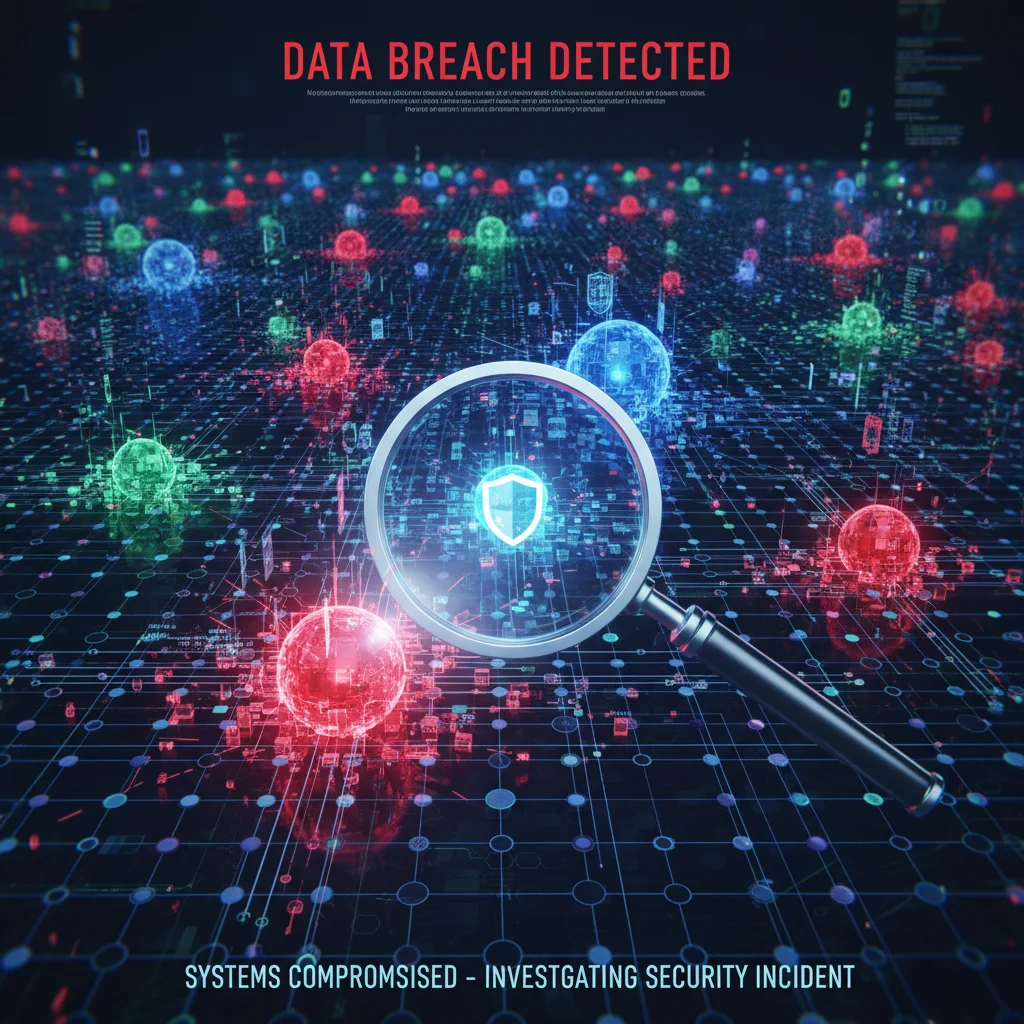
In our increasingly data-driven world, personal information is a valuable commodity. Companies collect vast amounts of data on consumer behavior, preferences, and demographics. While much of this is used for legitimate purposes like targeted advertising, the sheer volume of data collected creates a honey pot for cybercriminals. When these databases are breached, the impact on consumers can be severe, leading to identity theft, financial fraud, and targeted scams. Furthermore, the practice of data brokers buying and selling personal information, often without explicit consumer consent, raises significant privacy concerns. Consumers often have little control over who possesses their data and how it is used, making them vulnerable to secondary exploitation even if they haven’t been directly breached.
Identity Theft and Synthetic Identity Fraud
Identity theft remains a pervasive threat, but it’s evolving. Beyond simply stealing existing identities, cybercriminals are increasingly engaging in synthetic identity fraud. This involves combining real and fake information to create entirely new, fraudulent identities. For example, a criminal might use a real Social Security number (often obtained from a data breach) with a fictitious name and address to open new lines of credit. These synthetic identities can be used to commit various financial crimes, and because they don’t belong to a single real person, they are incredibly difficult to track and resolve, causing significant headaches for financial institutions and impacting the credit scores of unwitting individuals whose legitimate information was used in the creation of the synthetic identity.
Protecting Yourself: Essential Strategies for US Consumers in 2026
Given the complexity and variety of cybersecurity threats 2026 presents, a multi-layered approach to security is crucial. Here are actionable steps US consumers can take to protect themselves:
1. Strong and Unique Passwords + Multi-Factor Authentication (MFA)
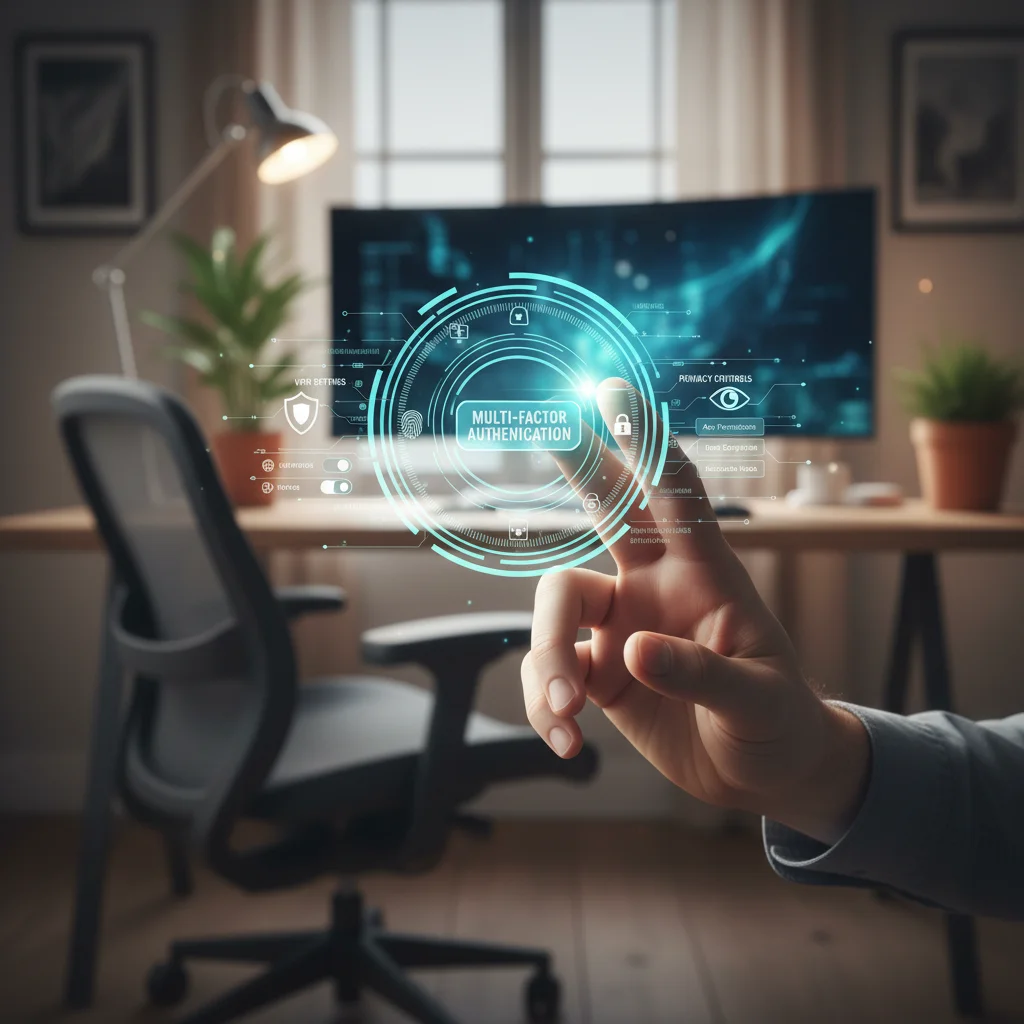
This is foundational. Use long, complex, and unique passwords for every online account. A password manager can help you manage these effectively. More importantly, enable Multi-Factor Authentication (MFA) or Two-Factor Authentication (2FA) wherever possible. This adds an extra layer of security, typically requiring a code from your phone or a biometric scan in addition to your password. Even if a cybercriminal steals your password, they won’t be able to access your account without the second factor.
2. Be Skeptical: Sharpen Your Phishing Detection Skills
Assume every unsolicited email, text, or call could be a phishing attempt. Look for red flags: grammatical errors, urgent language, suspicious links (hover over them to see the true URL before clicking), and requests for personal information. Verify the sender’s identity through an alternative, known channel (e.g., call the company using a number from their official website, not one provided in the suspicious message). Never click on suspicious links or download attachments from unknown sources.
3. Keep Software and Devices Updated
Software updates often include critical security patches that fix vulnerabilities exploited by cybercriminals. Enable automatic updates for your operating system, web browser, antivirus software, and all applications. Regularly check for firmware updates for your routers, smart home devices, and other IoT gadgets. Outdated software is a common entry point for malware and other attacks.
4. Secure Your Home Network and IoT Devices
Change the default password on your Wi-Fi router. Use a strong, unique password for your network. Enable WPA3 encryption if your router supports it. For IoT devices, change default passwords, disable unnecessary features, and isolate them on a separate guest network if possible. Research the security track record of IoT devices before purchasing them. Regularly check for firmware updates for all connected devices.
5. Understand and Manage Your Privacy Settings
Review and adjust the privacy settings on all your social media accounts, apps, and online services. Limit the amount of personal information you share publicly. Be cautious about granting permissions to apps, especially those requesting access to your contacts, microphone, or camera. Understand how your data is being collected and used by the services you interact with. Consider using privacy-focused browsers and search engines.
6. Back Up Your Data Regularly
In the event of a ransomware attack, hardware failure, or accidental deletion, a recent backup can be your savior. Implement a 3-2-1 backup strategy: three copies of your data, on two different media types, with one copy off-site (e.g., cloud storage, external hard drive stored elsewhere). This ensures that even if one backup is compromised, you have others to fall back on.
7. Use Reputable Antivirus and Anti-Malware Software
While not a silver bullet, a good antivirus solution provides an essential layer of defense against known threats. Ensure it’s always running, up-to-date, and performs regular scans. Consider additional anti-malware tools for a more comprehensive approach. Be wary of free or unknown security software, as some can be malicious themselves.
8. Be Wary of Public Wi-Fi
Public Wi-Fi networks can be insecure and are often targeted by cybercriminals to intercept data. Avoid conducting sensitive transactions (like online banking or shopping) on public Wi-Fi. If you must use it, employ a Virtual Private Network (VPN) to encrypt your internet traffic and protect your privacy.
9. Educate Yourself Continuously
The landscape of cybersecurity threats 2026 is dynamic. Stay informed about the latest scams, vulnerabilities, and best practices. Follow reputable cybersecurity news sources, attend webinars, and share knowledge with your family and friends. A well-informed user is the strongest defense against cybercrime.
10. Monitor Your Financial Accounts and Credit Reports
Regularly review your bank statements, credit card statements, and credit reports for any suspicious activity. Identity theft can go unnoticed for months if you’re not diligent. Many banks offer alerts for unusual transactions, which you should enable. Consider using a credit monitoring service to be alerted to new accounts opened in your name.
11. Think Before You Share
In the age of oversharing, remember that anything you post online can potentially be used against you. Cybercriminals scour social media for personal details that can be used in social engineering attacks or for identity theft. Be mindful of the information you share, especially details about your location, travel plans, or personal life.
12. Consider a VPN
A Virtual Private Network (VPN) encrypts your internet connection, making it difficult for third parties to intercept your data. This is particularly useful when using public Wi-Fi, but it also adds a layer of privacy and security to your regular home internet usage by masking your IP address and encrypting your traffic. Choose a reputable VPN provider with a strong no-logs policy.
The Role of Government and Industry in Consumer Cybersecurity
While individual responsibility is paramount, the fight against cybersecurity threats 2026 also requires concerted efforts from governments and the tech industry. Regulatory bodies are increasingly implementing stricter data protection laws, such as the California Consumer Privacy Act (CCPA) and emerging federal privacy legislation, to give consumers more control over their data and hold companies accountable for its security. Industry leaders are investing heavily in advanced security technologies, secure-by-design product development, and threat intelligence sharing to proactively counter evolving threats. Initiatives to develop post-quantum cryptography and enhance AI-driven threat detection are underway, aiming to build a more resilient digital infrastructure for everyone.
However, the pace of innovation in cybercrime often outstrips the pace of defense. This necessitates a collaborative approach where consumers, businesses, and governments work together. Educational campaigns, accessible security tools, and clear reporting mechanisms for cyber incidents are all vital components of a robust national cybersecurity strategy. As consumers, our collective adherence to best practices strengthens the overall digital ecosystem, making it a less hospitable environment for cybercriminals.
Conclusion: Staying Ahead in 2026
The digital world of 2026 is a landscape of incredible opportunity and significant risk. The proliferation of AI-powered attacks, the looming shadow of quantum computing, and the ever-expanding IoT attack surface mean that cybersecurity threats 2026 are more diverse and sophisticated than ever before. For US consumers, navigating this environment safely requires a blend of awareness, proactive measures, and continuous education.
By adopting strong password practices, enabling MFA, staying vigilant against phishing and social engineering, keeping software updated, and securing your home network, you can significantly reduce your risk exposure. Regularly backing up your data, understanding your privacy settings, and monitoring your financial accounts are also non-negotiable steps. The key is to view cybersecurity not as a one-time task but as an ongoing commitment. The digital world will continue to evolve, and so too must our defenses.
Empower yourself with knowledge, practice good digital hygiene, and remain skeptical. In 2026, your best defense against the myriad of cybersecurity threats is a proactive and informed approach to your digital life. The safety of your data and your peace of mind depend on it.