The Experience Economy: Why US Consumers Prioritize Experiences in 2026
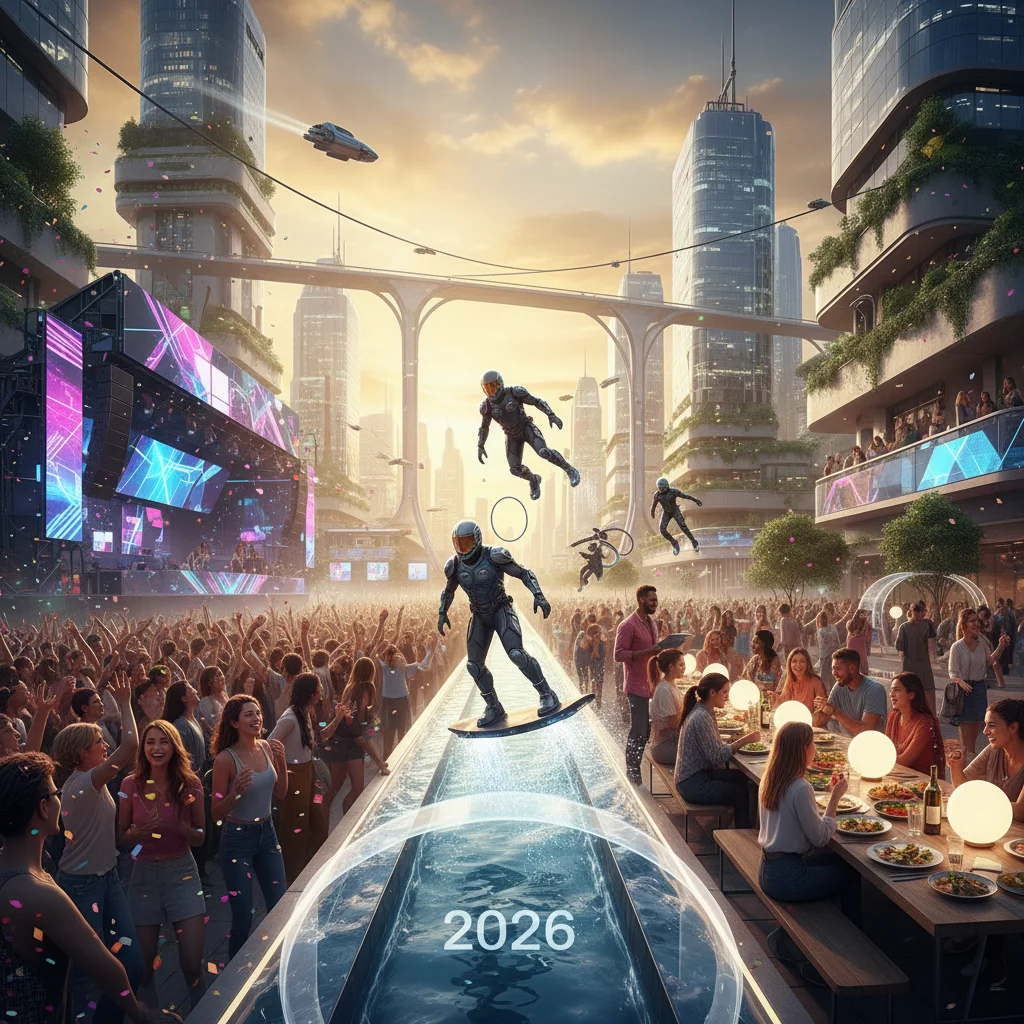
In an increasingly digitized and product-saturated world, a profound shift in consumer behavior is underway, particularly within the United States. We are witnessing the undeniable rise of what economists and marketers term the ‘Experience Economy.’ This isn’t a fleeting trend; it’s a fundamental recalibration of priorities, where the pursuit of memorable moments, personal growth, and authentic connections is eclipsing the desire for material possessions. By 2026, this shift is projected to be a dominant force, dictating consumer spending habits and redefining success for businesses across virtually every sector. Understanding these experience economy trends is no longer optional; it’s imperative for survival and growth.
For decades, consumerism was largely defined by acquisition – the accumulation of goods, from cars and homes to gadgets and fashion. Status was often measured by what one owned. However, a confluence of factors – technological advancements, evolving demographics, a post-pandemic re-evaluation of values, and a growing awareness of sustainability – has propelled experiences to the forefront of consumer desire. People are increasingly realizing that true fulfillment often comes not from things, but from the memories created, the skills learned, the adventures undertaken, and the connections forged. This article will delve deep into the ‘Experience Economy’: why US consumers are prioritizing experiences over products in 2026, the underlying drivers of this transformation, and the strategic implications for businesses navigating this dynamic new landscape.
The Genesis of the Experience Economy: A Historical Context
While the term ‘Experience Economy’ was popularized by B. Joseph Pine II and James H. Gilmore in their 1999 book, its roots trace back much further. Historically, economies evolved from commodities (raw materials) to goods (manufactured products), then to services (intangible activities). Pine and Gilmore argued that the next logical progression is experiences – a distinct economic offering where the service itself is staged and personalized to create a memorable event for the customer. Think of a cup of coffee: a commodity is the beans, a good is packaged coffee, a service is a diner serving coffee, and an experience is a themed café offering unique brewing methods, ambiance, and a narrative around the coffee’s origin. The experience economy trends highlight this evolution.
Fast forward to the 21st century, and several societal shifts have accelerated this progression. The digital revolution, paradoxically, has made human connection and authentic, offline experiences more valuable. Social media, while often criticized for fostering superficiality, has also become a platform for sharing experiences, fueling a desire for unique, ‘Instagrammable’ moments. The pandemic, with its forced isolation and restrictions, further amplified the yearning for real-world engagement, travel, and shared activities, cementing the importance of these experience economy trends.
Key Drivers Behind the Shift: Why Experiences Reign Supreme in 2026
Understanding the ‘why’ behind these experience economy trends is crucial for businesses looking to adapt and thrive. Several interconnected factors are propelling this consumer preference:
1. The Pursuit of Authenticity and Personal Growth
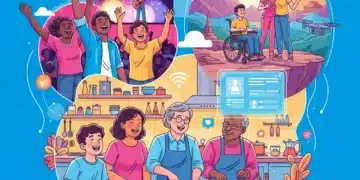
In an age of endless digital content and curated online personas, consumers, especially younger generations, are craving authenticity. They seek experiences that feel real, unique, and offer genuine personal enrichment. This could be anything from a hands-on cooking class, a wilderness survival retreat, a cultural immersion trip, or a DIY workshop. These experiences offer opportunities for learning, skill-building, and self-discovery that material goods simply cannot provide. The narrative of ‘doing’ rather than ‘having’ resonates deeply with this desire for personal evolution.
2. The Value of Memories Over Material Possessions
Psychological research consistently shows that experiential purchases tend to lead to greater long-term happiness than material purchases. Memories associated with experiences – a breathtaking view, a shared laugh with friends, the thrill of an adventure – are often more enduring and less prone to hedonic adaptation (where the pleasure from a new possession fades over time). In an era of minimalist movements and decluttering, consumers are increasingly realizing that their most valuable assets are not their belongings, but their memories and the stories they can tell. This fundamental shift in perceived value is a cornerstone of the experience economy trends.
3. The Influence of Social Media and FOMO (Fear of Missing Out)
While some might argue it’s a superficial driver, the pervasive influence of social media cannot be ignored. Platforms like Instagram, TikTok, and Facebook are essentially visual diaries of experiences. Seeing friends and influencers engage in exciting activities – from exotic travels to unique dining – creates a powerful social currency around experiences. This fuels a desire to participate and share, making experiences not just personal enjoyments but also social statements. Businesses that can tap into this shareability factor are well-positioned within the experience economy.
4. Demographic Shifts: Millennials and Gen Z Leading the Charge
Millennials and Gen Z, now the largest consumer groups, have grown up in a world vastly different from their predecessors. They are often burdened with student debt, less inclined to traditional markers of success like homeownership, and are highly digitally native. For these generations, flexibility, freedom, and personal fulfillment often trump material acquisition. They value experiences that align with their values, offer novelty, and provide opportunities for connection. Their spending habits are heavily weighted towards travel, cultural events, dining out, and unique entertainment – all hallmarks of the experience economy trends.
5. The Search for Connection in a Disconnected World
Despite being hyper-connected digitally, many individuals feel increasingly isolated. Experiences, particularly those that are communal or interactive, offer a powerful antidote to this loneliness. Group activities, festivals, workshops, and immersive events provide opportunities for genuine human connection, shared laughter, and a sense of belonging. This yearning for community and shared moments is a significant driver shaping experience economy trends.
6. Sustainability and Conscious Consumption
A growing segment of consumers is becoming more environmentally and socially conscious. They are questioning the impact of rampant material consumption and are opting for choices that have a smaller ecological footprint. Experiences, by their very nature, often align better with sustainable living principles than the continuous production and disposal of goods. This ethical dimension further strengthens the appeal of the experience economy.
The Experience Economy in Practice: Sector-Specific Transformations
The impact of these experience economy trends is not confined to a single industry; it’s a pervasive force reshaping how businesses operate across the board.
Travel and Tourism: From Sightseeing to Immersion
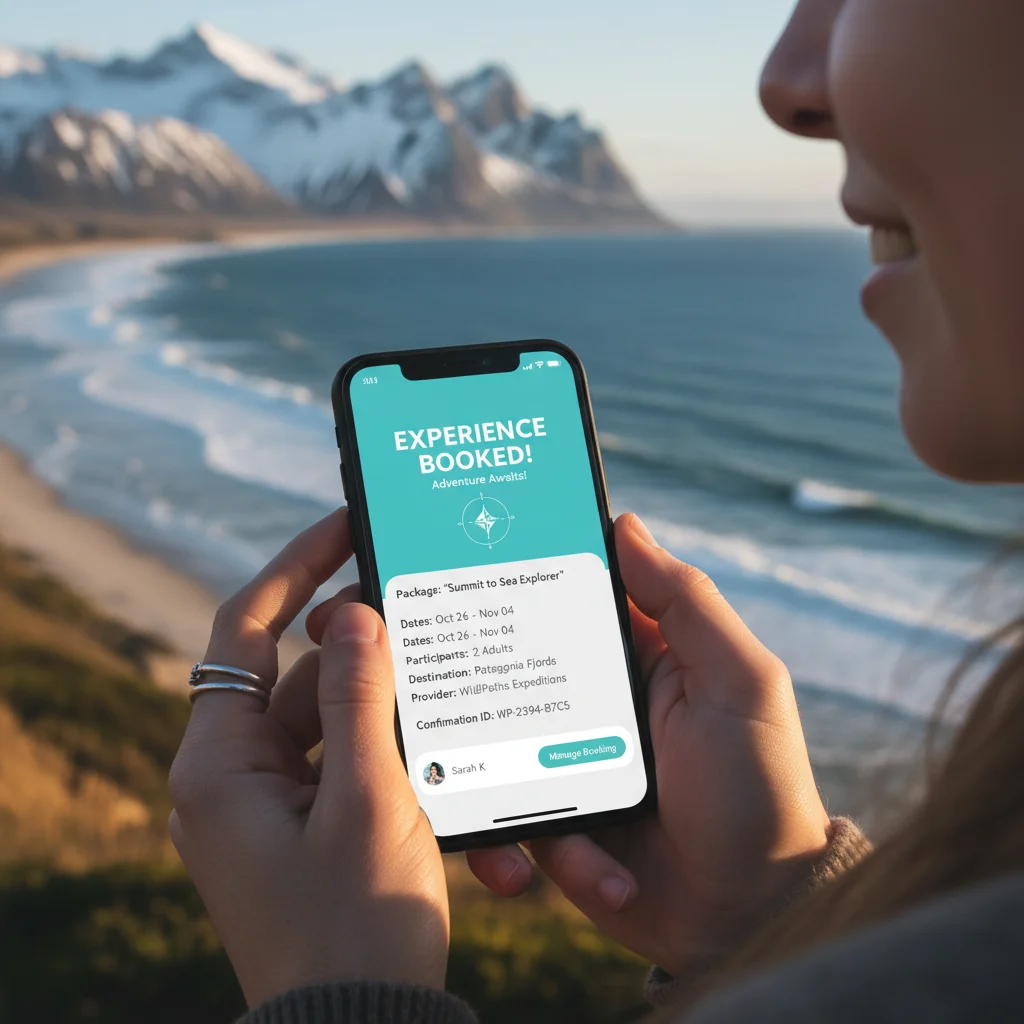
The travel industry has long been an experience provider, but the shift is towards deeper, more authentic immersion. Tourists are no longer content with just visiting landmarks; they want to live like locals, learn new skills (e.g., cooking classes in Italy, surfing lessons in Hawaii), engage in adventure tourism, or participate in voluntourism. Personalized itineraries, unique accommodations (boutique hotels, glamping), and local-led tours are thriving. The focus is on crafting a holistic journey that tells a story and creates lasting personal impact. This is a prime example of experience economy trends.
Retail: From Transactions to Engagements
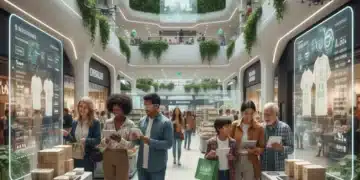
Traditional retail stores, once purely transactional spaces, are transforming into experiential hubs. Flagship stores offer interactive displays, workshops, cafes, and exclusive events. Brands are creating pop-up experiences, virtual reality showrooms, and personalized styling sessions to engage customers beyond just selling products. The goal is to build brand loyalty and create a memorable "third place" where consumers feel a connection to the brand, even if they don’t make an immediate purchase. This is a critical adaptation to experience economy trends.
Food and Beverage: Beyond Sustenance to Culinary Journeys
Dining out has always been an experience, but the bar has been raised. Consumers seek unique culinary adventures – experimental menus, themed restaurants, farm-to-table dining with storytelling, chef’s tasting menus, and interactive cooking experiences. Food festivals, gastronomic tours, and even home-delivery meal kits that offer a "chef at home" experience are flourishing. The focus is on sensory delight, social connection, and the narrative behind the food. These are powerful experience economy trends.
Entertainment and Events: Immersive and Interactive
Concerts, movies, and theme parks are evolving to become more immersive. Live events are incorporating elaborate stage designs, interactive elements, and personalized fan experiences. Escape rooms, augmented reality games, interactive art installations, and multi-sensory exhibitions are booming. The line between audience and participant is blurring, with consumers wanting to be part of the story rather than just passive observers. These innovations are central to the experience economy.
Wellness and Health: Holistic and Personalized Journeys
The wellness industry is shifting from purely physical fitness to holistic well-being. Consumers are investing in retreats, mindfulness workshops, personalized coaching, digital wellness platforms offering guided meditations, and experiential fitness classes that combine exercise with adventure or community. The emphasis is on long-term health and personal development through engaging and tailored experiences. This encapsulates the broader experience economy trends.
Implications for Businesses in 2026: Navigating the Experience Economy
For businesses, ignoring these experience economy trends is a perilous path. Embracing them, however, opens up vast opportunities for innovation, differentiation, and building deeper customer loyalty. Here are key strategies for success:
1. Prioritize "Experience Design"
Every customer touchpoint – from online interaction to in-person service – should be viewed through the lens of experience design. This means intentionally crafting moments that are engaging, memorable, and emotionally resonant. Businesses need to think like stage directors, orchestrating every detail to create a cohesive and impactful narrative for the customer. This requires cross-functional collaboration and a deep understanding of customer psychology.
2. Personalization is Key
Generic experiences won’t cut it. Consumers expect personalized interactions and offerings that cater to their individual preferences and needs. Leveraging data analytics, AI, and CRM systems to understand customer profiles and tailor experiences – whether it’s recommending a specific travel itinerary, customizing a product, or providing bespoke service – is crucial. Personalization elevates a mere service into a truly unique experience, a defining characteristic of experience economy trends.
3. Foster Community and Connection
Create opportunities for customers to connect with each other and with your brand. This could involve hosting events, creating online forums, facilitating user-generated content, or designing spaces that encourage social interaction. Brands that can build a sense of belonging and shared identity around their offerings will cultivate fiercely loyal customers. This communal aspect is vital in the experience economy.
4. Embrace Technology for Enhanced Experiences, Not Just Efficiency
Technology should be seen as an enabler of richer experiences, not just a tool for cost-cutting or efficiency. Virtual and augmented reality can offer immersive previews or extensions of physical experiences. AI can power personalized recommendations and intelligent customer service. Seamless digital booking and payment systems reduce friction and enhance the overall customer journey. The goal is to use technology to amplify the human element, not replace it, which is central to experience economy trends.
5. Tell Compelling Stories
Every experience has a story, and businesses need to become adept storytellers. Whether it’s the origin story of a product, the narrative behind a travel destination, or the journey of a culinary creation, compelling storytelling adds depth, meaning, and emotional resonance to the experience. This helps customers connect with the brand on a deeper level and remember their interactions more vividly.
6. Measure Experiential ROI
While traditional metrics like sales and conversions remain important, businesses must also develop ways to measure the return on investment for experiences. This might include tracking customer satisfaction (CSAT), Net Promoter Score (NPS), social media engagement, repeat bookings, and qualitative feedback on emotional impact. Understanding what makes an experience truly valuable will guide future investments in experience economy trends.

7. Adapt to the "Phygital" Realm
The future is increasingly "phygital" – a seamless blend of physical and digital experiences. Businesses need to design journeys that fluidly transition between online and offline touchpoints. An online booking system for a physical event, a digital guide for an in-person tour, or a virtual extension of a physical product are all examples. The goal is to create a holistic experience that leverages the strengths of both realms, addressing current experience economy trends.
Challenges and Opportunities in the Experience Economy
While the experience economy presents immense opportunities, it also comes with its own set of challenges. The bar for customer expectations is constantly rising, demanding continuous innovation and a deep understanding of evolving desires. Businesses must guard against "experience fatigue," where too many similar offerings dilute the perceived value. Differentiation through genuine creativity and authenticity will be paramount.
Furthermore, the inherent intangibility of experiences can make them harder to market and sell than physical products. Businesses need to become adept at conveying the emotional and personal value of their offerings through compelling storytelling, user-generated content, and influencer collaborations. Building trust and credibility will be essential, as consumers are investing not just money, but also their time and emotions into these experiences.
However, the opportunities far outweigh the challenges. Businesses that successfully pivot to an experience-centric model can achieve higher customer lifetime value, stronger brand loyalty, reduced price sensitivity, and a powerful competitive advantage. The experience economy fosters a deeper, more meaningful relationship between brands and their customers, moving beyond transactional exchanges to genuine emotional connections.
The Future is Experiential: Preparing for 2026 and Beyond
By 2026, the experience economy will not just be a niche market; it will be the prevailing paradigm for consumer spending in the US. The shift from "what I own" to "what I do" is irreversible, driven by fundamental human desires for connection, authenticity, growth, and memorable moments. Businesses that understand and embrace these experience economy trends – by designing compelling experiences, personalizing interactions, fostering community, and leveraging technology thoughtfully – will be the ones that capture the hearts, minds, and wallets of American consumers.
The future belongs to those who can create, curate, and deliver extraordinary experiences. It’s a call to innovation, empathy, and a deep commitment to understanding the evolving human spirit. As we move further into the 21st century, the greatest value will be found not in the goods we accumulate, but in the rich tapestry of experiences that shape our lives and define who we are. The experience economy is here to stay, and its influence will only continue to grow.