The Rise of Conscious Consumers: Ethical Brands Set to Dominate by 2026

The Rise of Conscious Consumers: Ethical Brands Set to Dominate by 2026
The consumer landscape is undergoing a profound transformation, driven by an increasing awareness of social, environmental, and ethical issues. What was once considered a niche market is rapidly becoming the mainstream, with a significant shift towards conscious consumerism. This isn’t just a fleeting trend; it’s a fundamental change in how people perceive their purchasing power and its impact on the world. Projections indicate that by 2026, a staggering 40% of US consumers will actively prioritize ethical brands, profoundly reshaping market dynamics and forcing businesses to adapt or risk obsolescence. Understanding these conscious consumerism trends is no longer optional for businesses; it’s a critical imperative for survival and growth.
For decades, purchasing decisions were primarily dictated by price, quality, and convenience. While these factors remain important, a new layer of consideration has emerged: values. Consumers, particularly younger generations, are increasingly scrutinizing the ethical footprint of the brands they support. They want to know where products come from, how they are made, who makes them, and what impact their creation and disposal have on the planet. This deep dive into a brand’s integrity is the hallmark of the conscious consumer, and their collective influence is creating a powerful mandate for corporate responsibility. The emphasis on conscious consumerism trends is pushing businesses to rethink every aspect of their operations, from supply chain transparency to labor practices and environmental stewardship.
Defining Conscious Consumerism: More Than Just a Buzzword
Conscious consumerism, at its core, refers to the practice of making purchasing decisions based on a company’s social, environmental, and ethical practices. It’s about aligning personal values with spending habits. This goes beyond simply buying ‘green’ products; it encompasses a holistic view of a brand’s entire lifecycle and its broader impact. For conscious consumers, a product’s journey from raw material to end-of-life disposal is as important as its functionality or aesthetic appeal. They are actively seeking out brands that demonstrate genuine commitment to sustainability, fair labor practices, community engagement, and transparent operations. The growth of conscious consumerism trends signals a demand for authenticity and accountability from corporations.
This movement is fueled by several interconnected factors. Firstly, increased access to information through the internet and social media has empowered consumers to research brands more thoroughly. News of unethical labor practices, environmental damage, or corporate scandals can spread rapidly, leading to boycotts and reputational damage. Conversely, stories of brands making a positive impact can garner widespread support and loyalty. Secondly, a growing sense of urgency regarding global challenges like climate change, social inequality, and resource depletion has spurred individuals to seek ways to contribute positively through their daily choices. Finally, the rise of purpose-driven marketing has also played a role, with many brands actively communicating their values and commitments, further educating and influencing consumers. These conscious consumerism trends are not just about individual choice but also about collective impact.
The Pillars of Ethical Brand Prioritization
When conscious consumers prioritize ethical brands, they often consider a range of factors. These pillars form the foundation of what it means to be an ethical and responsible business in the eyes of this growing demographic:
- Environmental Sustainability: This is perhaps the most visible aspect. Consumers are looking for brands that minimize their ecological footprint. This includes using renewable energy, reducing waste, adopting circular economy principles, sourcing sustainable materials, and minimizing carbon emissions. Certifications like B Corp, Fair Trade, and various organic labels play a crucial role here, providing verifiable proof of environmental commitment.
- Social Responsibility & Fair Labor: Conscious consumers care deeply about how workers are treated throughout the supply chain. This means fair wages, safe working conditions, no child labor, and respect for human rights. Transparency in the supply chain is paramount, as consumers want assurance that their purchases aren’t contributing to exploitation.
- Animal Welfare: For many, ethical consumption extends to the treatment of animals. This translates to a preference for cruelty-free products, vegan options, and sustainably sourced animal products where applicable. The absence of animal testing and the use of ethical farming practices are key considerations.
- Transparency & Authenticity: Consumers are wary of ‘greenwashing’ – brands making unsubstantiated claims about their ethical practices. They demand genuine transparency, clear communication about sourcing, manufacturing processes, and impact reports. Brands that are open about their challenges and efforts to improve often gain more trust than those claiming perfection.
- Community Engagement & Giving Back: Brands that actively contribute to their communities, support social causes, or have philanthropic initiatives resonate strongly with conscious consumers. This demonstrates a commitment beyond profit, showing that the company genuinely cares about improving society.
These conscious consumerism trends are driving a comprehensive re-evaluation of corporate responsibility, making it a central tenet of brand identity and consumer appeal.
Statistical Insights: The Growing Dominance of Conscious Consumerism
The prediction that 40% of US consumers will prioritize ethical brands by 2026 isn’t plucked from thin air. It’s based on observable data and accelerating trends. Recent studies consistently show a significant and increasing preference for brands that align with consumer values. For instance, a considerable percentage of consumers are willing to pay more for sustainable products, and a growing number actively seek out brands with strong ethical reputations. This willingness to pay a premium underscores the depth of conviction behind these purchasing decisions. The impact of conscious consumerism trends is undeniable.
Millennials and Gen Z are at the forefront of this movement. These generations, having grown up with heightened awareness of global issues, are inherently more inclined to integrate their values into their consumption patterns. They are also highly influential, shaping cultural norms and expectations for older generations. As these demographics gain more purchasing power, their preferences will continue to dictate market direction. Their digital savviness also means they are adept at researching brands and sharing their findings, amplifying the effects of both positive and negative brand actions. Understanding these demographic shifts is crucial for any business hoping to capture the conscious consumer market. The conscious consumerism trends are particularly strong within these younger cohorts, who are using their wallets as a form of activism.

The Economic Power of Ethical Choices
It’s a common misconception that prioritizing ethics comes at the expense of profitability. On the contrary, businesses that genuinely embrace ethical practices often see significant long-term benefits. Enhanced brand reputation, increased customer loyalty, and the ability to attract top talent are just a few advantages. Conscious consumers are not just one-time buyers; they are often fiercely loyal advocates for brands that mirror their values, leading to sustained revenue and positive word-of-mouth marketing. This loyalty translates into a more stable customer base, reducing marketing costs and increasing customer lifetime value. Furthermore, ethical practices can lead to operational efficiencies, such as reduced waste and lower energy consumption, which can positively impact the bottom line. The intertwining of conscious consumerism trends and economic viability is becoming clearer every day.
Moreover, the investment community is also increasingly factoring environmental, social, and governance (ESG) criteria into their decisions. Companies with strong ESG performance are often viewed as less risky and more sustainable in the long run, attracting responsible investors. This creates a powerful feedback loop: consumer demand for ethical products drives corporate change, which in turn attracts investment, further amplifying the impact of conscious consumerism. The market is increasingly rewarding companies that prioritize purpose alongside profit, making conscious consumerism trends a key driver of modern business strategy.
Challenges and Opportunities for Businesses
The rise of conscious consumerism presents both significant challenges and unparalleled opportunities for businesses. Navigating this evolving landscape requires strategic foresight, genuine commitment, and a willingness to adapt.
Challenges: Avoiding Greenwashing and Ensuring Authenticity
One of the primary challenges is avoiding the trap of ‘greenwashing’ – making misleading claims about environmental or ethical practices. Conscious consumers are highly astute and can quickly detect insincere efforts. Brands that are exposed for greenwashing face severe reputational damage and loss of trust, which can be incredibly difficult to rebuild. Authenticity is key; any ethical initiatives must be deeply embedded in the company’s DNA, not just a marketing ploy. This requires significant investment in transparent supply chains, ethical sourcing, and verifiable certifications. The scrutiny around conscious consumerism trends means that businesses must be prepared to back up their claims with action and evidence.
Another challenge lies in the complexity of global supply chains. Ensuring ethical practices from raw material extraction to final product delivery can be incredibly difficult, especially for multinational corporations. This often requires significant investment in auditing, tracking, and collaborating with suppliers to ensure compliance with ethical standards. The cost associated with these changes can also be a barrier, particularly for smaller businesses. However, overcoming these challenges is essential for long-term success in a market increasingly dominated by conscious consumerism trends.
Opportunities: Building Brand Loyalty and Innovation
Despite the challenges, the opportunities presented by conscious consumerism are immense. Brands that successfully integrate ethical practices into their core operations can build incredibly strong brand loyalty. Consumers who feel a genuine connection to a brand’s values are more likely to become repeat customers, recommend the brand to others, and even forgive minor missteps. This emotional connection goes far beyond transactional relationships, creating a powerful competitive advantage. The conscious consumerism trends are fostering a new kind of brand-consumer relationship built on shared values.
Furthermore, the drive for sustainability and ethical production can spur innovation. Companies are forced to rethink traditional processes, leading to the development of new materials, more efficient manufacturing techniques, and novel business models like circular economy initiatives. This innovation can not only reduce environmental impact but also lead to cost savings and create entirely new market segments. For example, the demand for plant-based products has driven innovation in food technology, creating a thriving new industry. Embracing conscious consumerism trends can therefore be a catalyst for growth and differentiation.
Strategies for Businesses to Embrace Conscious Consumerism
For businesses looking to thrive in this new era, adopting a conscious consumer-centric approach is no longer optional. Here are key strategies to consider:
1. Prioritize Transparency and Traceability
Be open and honest about your supply chain, sourcing, and manufacturing processes. Use technology to track products from origin to shelf and share this information with consumers. Certifications from reputable third-party organizations can add credibility. Transparency builds trust, which is the cornerstone of loyalty for conscious consumers. This aligns perfectly with evolving conscious consumerism trends.
2. Invest in Sustainable Practices
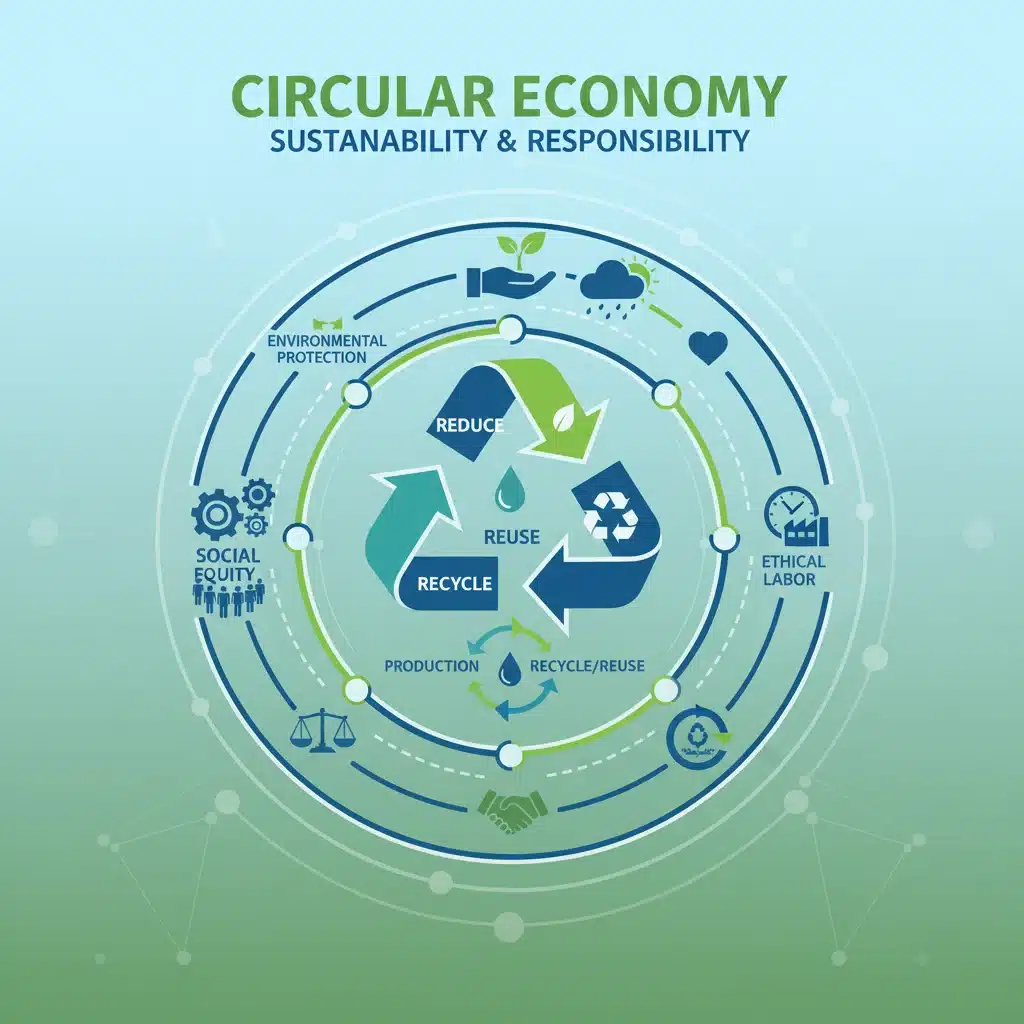
From reducing waste and energy consumption in your operations to sourcing eco-friendly materials and designing products for longevity and recyclability, sustainability should be integrated into every aspect of your business. Consider adopting circular economy principles to minimize environmental impact. These efforts directly address the core concerns of conscious consumerism trends.
3. Ensure Ethical Labor Practices
Commit to fair wages, safe working conditions, and respect for human rights throughout your entire supply chain. Conduct regular audits of your suppliers and be prepared to address any issues promptly and effectively. Ethical treatment of workers is a non-negotiable for many conscious consumers. This is a fundamental aspect of conscious consumerism trends.
4. Communicate Your Values Clearly and Authentically
Articulate your company’s mission and values beyond just profit. Share your sustainability goals, social impact initiatives, and progress reports. Use storytelling to connect with consumers on an emotional level, demonstrating your genuine commitment. Avoid jargon and focus on clear, verifiable actions. Effective communication is vital for engaging with conscious consumerism trends.
5. Engage with Your Community and Social Causes
Support local communities, partner with non-profits, or dedicate a portion of your profits to social or environmental causes that align with your brand’s values. This demonstrates a commitment to making a positive impact beyond your products or services. Such engagement resonates deeply with conscious consumerism trends.
6. Innovate for Good
Embrace innovation that solves environmental or social problems. This could involve developing new sustainable materials, creating more energy-efficient products, or finding creative ways to reduce waste. Innovation driven by purpose can differentiate your brand and attract conscious consumers. This proactive approach is key to staying ahead of conscious consumerism trends.
The Future Landscape: What 2026 and Beyond Holds
The projection of 40% of US consumers prioritizing ethical brands by 2026 is not an endpoint, but rather a significant milestone in an ongoing evolution. The conscious consumerism trends are only set to intensify. As environmental and social challenges become more pressing, consumer demand for responsible business practices will continue to grow. This means that businesses that fail to adapt will find themselves increasingly out of sync with market expectations, risking declining relevance and profitability.
We can expect to see further advancements in technology that enhance transparency, such as blockchain for supply chain tracking, making it even easier for consumers to verify ethical claims. Regulatory bodies may also introduce stricter guidelines for sustainability and corporate social responsibility, further leveling the playing field and encouraging widespread adoption of ethical practices. The shift towards conscious consumerism is not just about individual purchasing choices; it’s about a broader societal movement demanding greater accountability from corporations. The conscious consumerism trends will continue to shape policy and corporate governance.
The Role of Education and Advocacy
The continued growth of conscious consumerism will also rely on ongoing education and advocacy. Consumers need access to clear, unbiased information to make informed decisions. Organizations dedicated to ethical consumption, environmental protection, and social justice will continue to play a vital role in raising awareness and holding brands accountable. As consumers become more educated, their demands for ethical products and services will become more sophisticated and insistent. This educational aspect is integral to the sustained momentum of conscious consumerism trends.
Furthermore, businesses themselves have a role to play in educating their customers. By clearly communicating the benefits of their ethical practices – not just for the planet or society, but for the consumer themselves (e.g., healthier ingredients, durable products, supporting local economies) – they can further accelerate the shift towards conscious consumption. This proactive engagement helps solidify the conscious consumerism trends as a permanent fixture in the market.
Conclusion: A New Era of Purpose-Driven Business
The rise of conscious consumerism is more than just a passing fad; it represents a fundamental paradigm shift in the relationship between consumers and brands. With 40% of US consumers projected to prioritize ethical brands by 2026, the message is clear: purpose-driven business is the future. Companies that genuinely embrace sustainability, social responsibility, and transparency will not only meet consumer expectations but will also build stronger, more resilient brands that are better positioned for long-term success.
For businesses, this means moving beyond superficial gestures and embedding ethical considerations into every aspect of their operations. It requires a commitment to continuous improvement, open communication, and a willingness to innovate for good. Those who proactively respond to these conscious consumerism trends will not only capture a growing market share but will also contribute to a more sustainable and equitable world. The power of the conscious consumer is undeniable, and their influence will continue to shape the trajectory of commerce for years to come. Embracing these conscious consumerism trends is not just good for business; it’s essential for the planet and its people.