Conscious Consumption: The Rise of Sustainable Brands in the U.S.
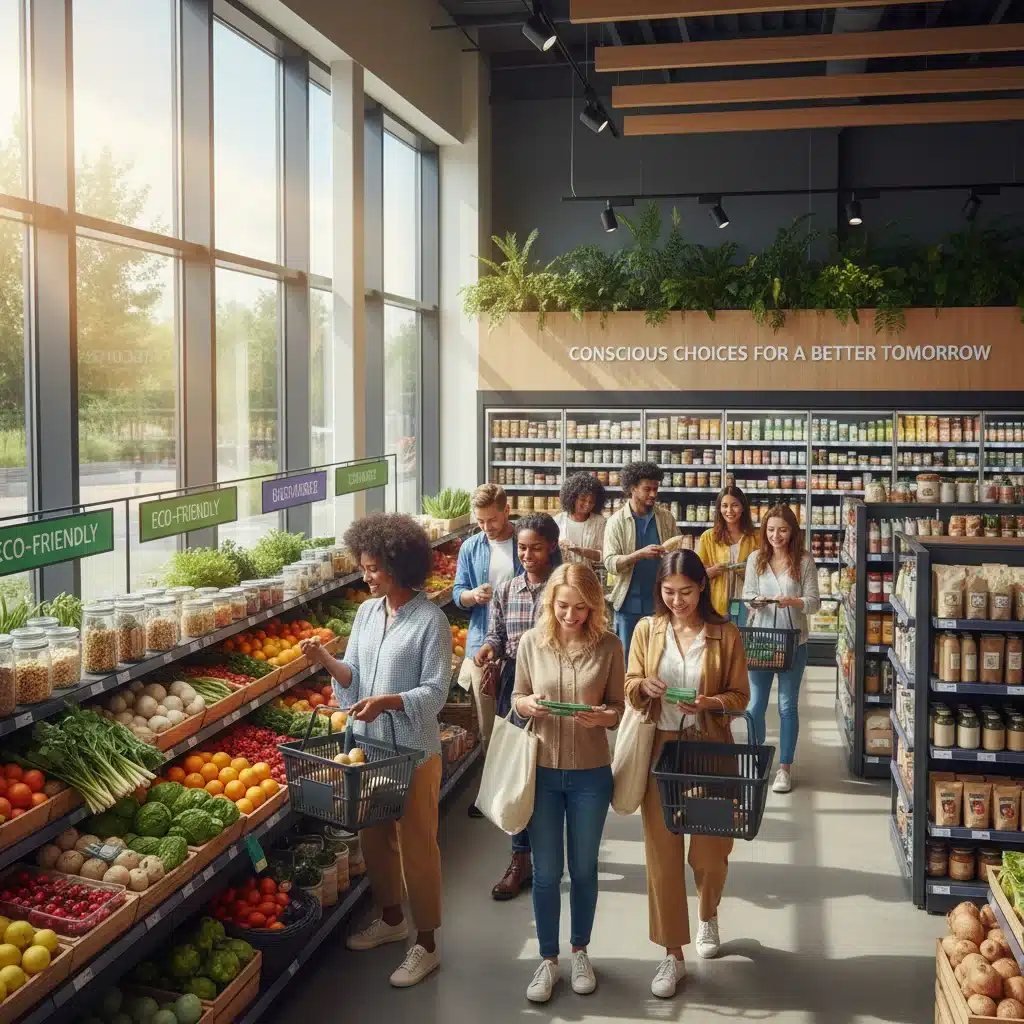
The Rise of Conscious Consumption: How 70% of U.S. Shoppers Prioritize Sustainable Brands in 2026
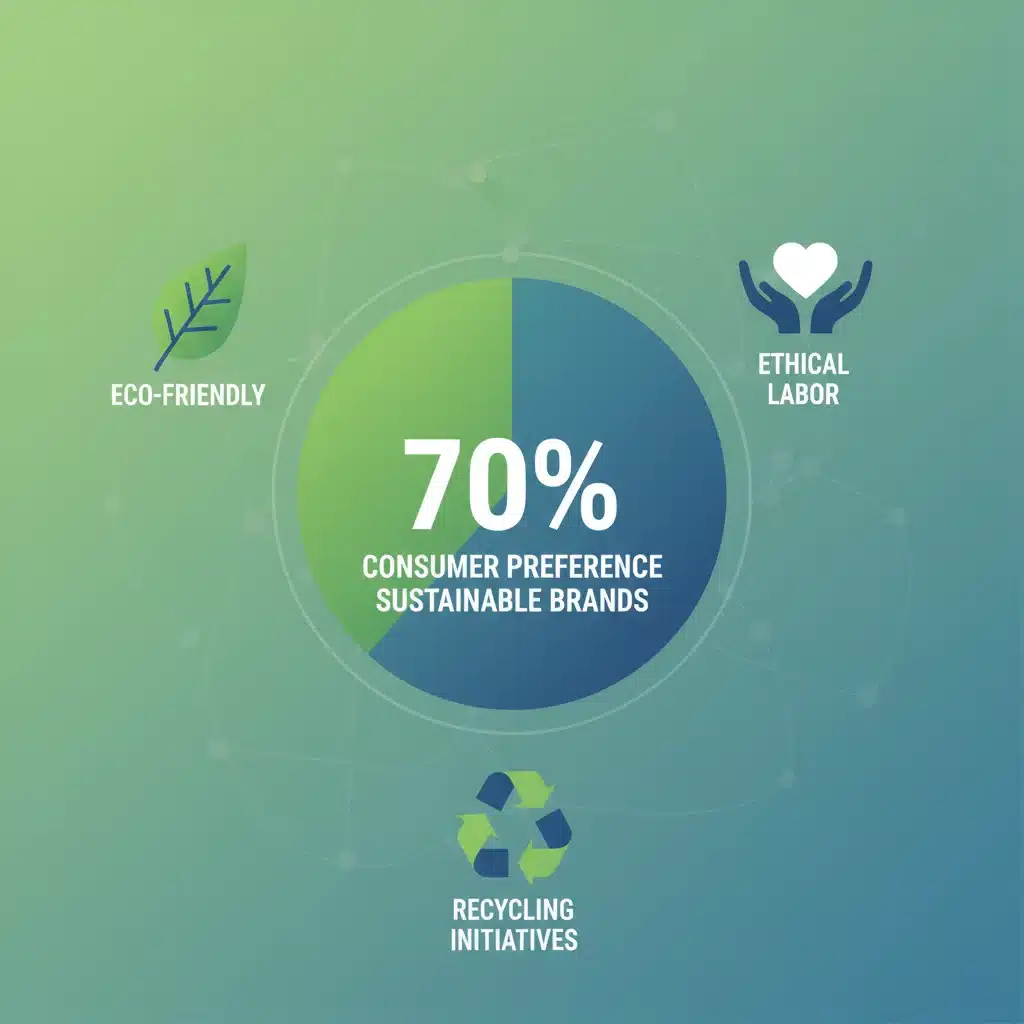
In an era defined by growing environmental awareness and social responsibility, a profound shift is reshaping the consumer landscape. The concept of conscious consumption trends is no longer a niche movement but a mainstream imperative, with a staggering 70% of U.S. shoppers projected to prioritize sustainable brands by 2026. This isn’t just a trend; it’s a fundamental transformation in how consumers view their purchases, demanding more from the businesses they support. As individuals become increasingly aware of the environmental and social impact of their choices, the demand for products and services that align with their values is skyrocketing. This article delves deep into the multifaceted phenomenon of conscious consumption, exploring its drivers, its impact on industries, and the strategies businesses must adopt to thrive in this new ethical marketplace.
Understanding the Drivers Behind Conscious Consumption Trends
The acceleration of conscious consumption trends is fueled by a confluence of factors, each playing a crucial role in shaping consumer behavior. At its core, the desire for transparency and accountability from brands is paramount. Consumers, especially younger generations like Gen Z and Millennials, are no longer content with surface-level claims; they demand verifiable proof of ethical practices, sustainable sourcing, and genuine commitment to social good. The proliferation of information through social media and independent reporting has empowered shoppers to research and scrutinize brands like never before. This increased access to information means that companies can no longer hide behind vague marketing messages; their actions, or lack thereof, are quickly brought to light.
Environmental Concerns: The Tipping Point
Climate change, plastic pollution, and resource depletion are no longer abstract concepts; they are tangible realities impacting daily lives. This heightened environmental awareness is arguably the most significant driver of conscious consumption trends. Consumers are witnessing the direct consequences of unsustainable practices and are actively seeking ways to mitigate their personal impact. This translates into a preference for products with reduced carbon footprints, made from recycled or sustainably sourced materials, and packaged minimally or with biodegradable alternatives. The urgency of environmental issues has instilled a sense of responsibility in consumers, leading them to consciously choose brands that demonstrate a genuine commitment to planetary health. They understand that every purchase is a vote for the kind of world they want to live in, and they are increasingly voting for a sustainable future.
Social Responsibility and Ethical Sourcing
Beyond environmental impact, ethical considerations regarding labor practices, fair wages, and community engagement are deeply embedded in conscious consumption trends. Consumers are increasingly concerned about the human cost of production, seeking assurance that products are made under fair conditions, free from exploitation. This extends to the entire supply chain, from the raw materials to the manufacturing process. Brands that can demonstrate transparent and ethical supply chains gain a significant competitive advantage. Certifications like Fair Trade, B Corp, and various organic standards serve as crucial signals to consumers that a brand meets specific ethical benchmarks. The rise of social enterprises and mission-driven businesses further exemplifies this shift, proving that profitability and purpose can coexist.
Health and Wellness: A Personal Connection
While often discussed separately, the health and wellness movement is intrinsically linked to conscious consumption trends. Consumers are becoming more discerning about what they put into and onto their bodies, leading to a demand for natural, organic, and chemical-free products. This personal health focus often extends to an understanding that planetary health directly impacts human health. For example, concerns about pesticides in food or microplastics in water naturally lead to a preference for brands that prioritize ecological well-being. This holistic view reinforces the idea that sustainable choices benefit not only the planet but also individual health and well-being, creating a powerful personal incentive for conscious purchasing.
The Impact of Conscious Consumption on Businesses
The surge in conscious consumption trends presents both immense challenges and unprecedented opportunities for businesses across all sectors. Companies that fail to adapt risk losing market share and relevance, while those that embrace sustainability as a core value stand to gain loyal customers and a stronger brand reputation.
Innovation and Product Development
The demand for sustainable products is spurring remarkable innovation. Businesses are investing in research and development to create eco-friendly materials, optimize production processes to reduce waste and energy consumption, and design products with extended lifespans or end-of-life recyclability in mind. This includes everything from plant-based alternatives in food and fashion to circular economy models that minimize waste. For example, the fashion industry, historically a major polluter, is seeing a rise in brands using recycled fabrics, natural dyes, and on-demand manufacturing to reduce their environmental footprint. The automotive industry is shifting towards electric vehicles and sustainable battery technologies. This push for innovation is not just about meeting demand; it’s about pioneering new ways of doing business that are inherently more sustainable.
Supply Chain Transformation
Meeting the demands of conscious consumption trends necessitates a complete overhaul of traditional supply chains. Transparency is key, requiring companies to trace their products from raw material extraction to the final consumer. This involves rigorous auditing of suppliers, ensuring ethical labor practices, and minimizing environmental impact at every stage. Technology, such as blockchain, is increasingly being used to provide immutable records of a product’s journey, offering consumers unprecedented visibility. Companies are also exploring localized supply chains to reduce transportation emissions and support local economies, further enhancing their sustainability credentials. The complexity of global supply chains makes this a significant undertaking, but one that is essential for long-term viability.

Marketing and Communication Strategies
Authenticity is paramount in communicating sustainability efforts. Greenwashing – making unsubstantiated or misleading claims about environmental practices – is quickly identified and severely damages brand trust. Brands must transparently share their sustainability journey, including both successes and challenges. Storytelling plays a vital role, allowing consumers to connect with the brand’s mission and impact. This could involve highlighting the farmers who grow organic cotton, the communities benefiting from fair trade practices, or the engineers developing innovative recycling solutions. Effective communication also involves educating consumers on how their choices contribute to a larger positive impact, empowering them to be part of the solution. The message must be consistent across all channels, from product packaging to social media campaigns, reinforcing the brand’s commitment to conscious consumption.
Brand Reputation and Customer Loyalty
In a competitive marketplace, a strong commitment to sustainability can be a powerful differentiator. Brands that genuinely embody conscious consumption trends attract and retain customers who share their values. These customers are often willing to pay a premium for ethical products and become vocal advocates for the brand. A positive brand reputation built on integrity and social responsibility can lead to increased customer loyalty, stronger employee engagement, and a more resilient business model. Conversely, brands with poor environmental or social records face boycotts, negative publicity, and a significant decline in consumer trust. The stakes are higher than ever, making sustainability not just a moral choice but a strategic imperative.
Challenges and Opportunities for Businesses Embracing Conscious Consumption
While the shift towards conscious consumption trends offers significant advantages, businesses also face considerable challenges in adapting their operations and offerings. Navigating these obstacles effectively is crucial for success in the evolving market.
The Cost of Sustainability
Implementing sustainable practices often involves higher initial costs, from investing in eco-friendly materials and technologies to overhauling supply chains. Organic farming, fair trade certifications, and renewable energy sources can be more expensive than conventional alternatives. This cost can sometimes translate into higher retail prices, which might deter some price-sensitive consumers. However, as demand for sustainable products grows and economies of scale are achieved, these costs are expected to decrease. Furthermore, businesses can frame these higher costs as an investment in quality, durability, and ethical production, justifying the premium to conscious consumers who value these attributes.
Measuring and Communicating Impact
Quantifying and communicating the environmental and social impact of products can be complex. Businesses need robust systems to track metrics like carbon emissions, water usage, waste generation, and fair labor practices across their entire value chain. Presenting this information to consumers in an understandable and credible way is another challenge. Simplified labels, QR codes linking to detailed reports, and clear, concise messaging are essential to avoid overwhelming consumers while still providing the transparency they demand. This is where tools and certifications from reputable third-party organizations become invaluable, lending credibility to a brand’s claims.
Consumer Education and Engagement
While 70% of U.S. shoppers are projected to prioritize sustainable brands, there’s still a significant portion of the market that may be less informed or motivated. Businesses have an opportunity, and arguably a responsibility, to educate consumers about the benefits of sustainable choices and the impact of their purchasing decisions. This can involve engaging content, interactive experiences, and partnerships with environmental organizations. By making sustainability accessible and relatable, brands can further accelerate the adoption of conscious consumption trends and expand their customer base.
The Future of Retail: A Conscious Marketplace
Looking ahead to 2026 and beyond, the influence of conscious consumption trends is only expected to strengthen. This will lead to a fundamentally different retail landscape, characterized by greater transparency, circularity, and purpose-driven commerce.
Circular Economy Models
The traditional linear ‘take-make-dispose’ model is unsustainable. The future of conscious consumption will increasingly embrace circular economy principles, where products are designed for durability, repairability, and recyclability. This includes initiatives like product-as-a-service models (e.g., renting instead of buying), take-back programs for end-of-life products, and robust recycling infrastructure. Brands that can innovate in this space will not only reduce their environmental footprint but also create new revenue streams and foster deeper customer relationships. The shift from ownership to access, driven by environmental concerns, is a powerful force reshaping consumer habits.
Regulatory and Policy Support
As conscious consumption becomes more widespread, governments and regulatory bodies are likely to introduce policies that support sustainable practices and penalize unsustainable ones. This could include stricter environmental regulations, incentives for eco-friendly businesses, and mandatory transparency requirements. Forward-thinking businesses will proactively align with these emerging regulations, viewing them not as burdens but as opportunities to lead the market and gain a competitive edge. Policy changes will further cement the importance of sustainable business models.
The Role of Technology
Technology will continue to play a pivotal role in enabling and accelerating conscious consumption trends. AI and machine learning can optimize supply chains for efficiency and reduce waste. IoT devices can monitor product usage and facilitate repair services. Augmented reality (AR) can provide consumers with immersive information about a product’s sustainability credentials in real-time. From personalized recommendations for eco-friendly products to transparent blockchain-backed supply chains, technology will empower both businesses and consumers to make more informed and sustainable choices.
The Empowered Consumer
The consumer of 2026 will be more informed, more demanding, and more influential than ever before. Social media and online communities will continue to amplify consumer voices, holding brands accountable for their actions. This empowered consumer base will drive continuous innovation in sustainability, pushing brands to constantly improve their environmental and social performance. Brands that genuinely listen to their customers and co-create solutions with them will build enduring relationships and thrive in this conscious marketplace. The power dynamic has shifted, placing the consumer’s values at the forefront of purchasing decisions.
Conclusion: Embracing the Conscious Revolution
The projection that 70% of U.S. shoppers will prioritize sustainable brands by 2026 underscores a fundamental and irreversible shift in consumer values. The era of conscious consumption trends is here to stay, transforming industries, challenging traditional business models, and redefining the relationship between brands and their customers. For businesses, this is not merely an optional add-on but a strategic imperative for long-term survival and success. Those that proactively embrace sustainability as a core principle, integrating it into their operations, products, and communication, will be the leaders of tomorrow. They will build trust, foster loyalty, and contribute to a more sustainable and equitable future. The conscious revolution is underway, and every business has a role to play in shaping its trajectory. By understanding the drivers, adapting to the impact, and seizing the opportunities presented by conscious consumption, businesses can not only meet consumer demand but also become powerful agents of positive change in the world.