US Consumer Path to Purchase 2026: Online to In-Store Evolution
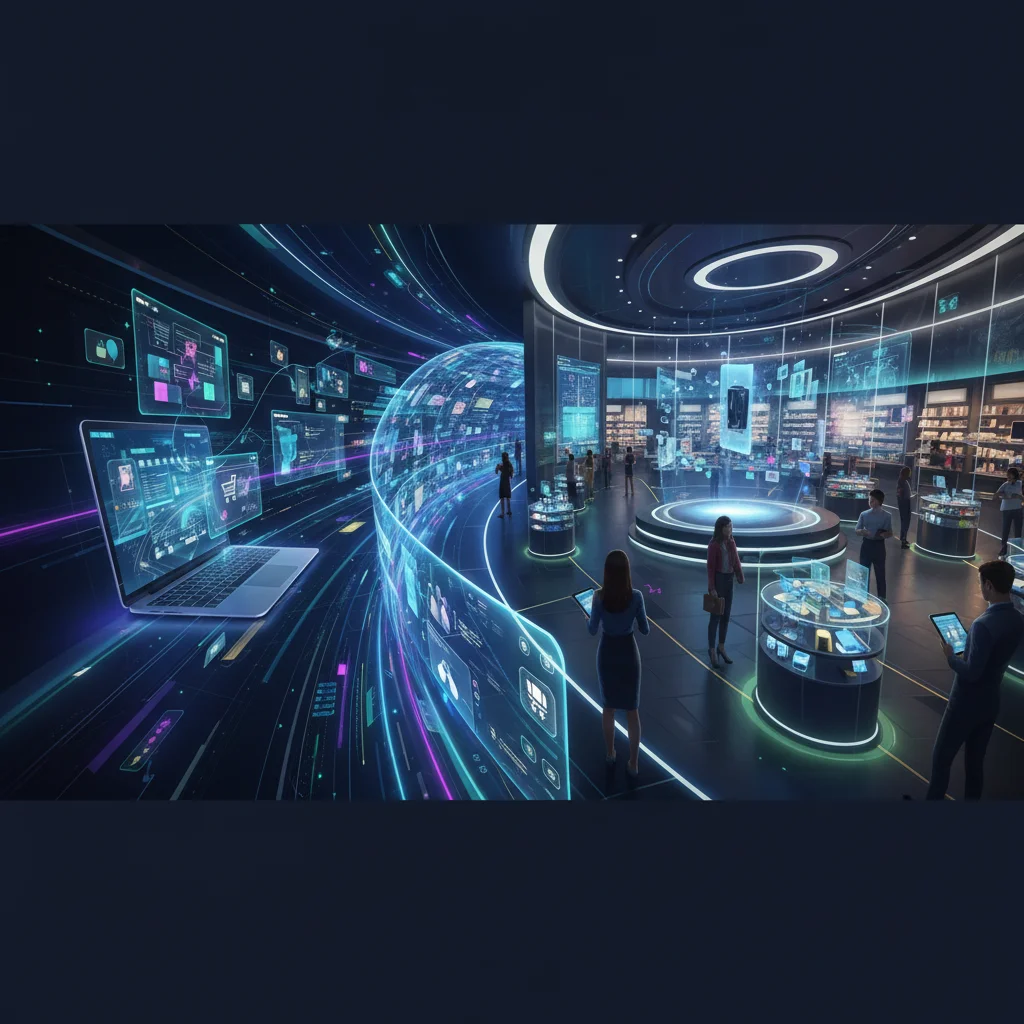
The Evolving US Consumer Path to Purchase in 2026: Navigating Online to In-Store Integration
The retail landscape is perpetually in motion, but the pace of change has accelerated dramatically over the past few years. As we look towards 2026, the US consumer path to purchase 2026 is no longer a linear trajectory from discovery to conversion. Instead, it’s a complex, multi-faceted journey that seamlessly blends digital exploration with physical interaction. Businesses that understand and adapt to this evolving dynamic will be best positioned for success in the coming years. This comprehensive guide delves into the key shifts, technological drivers, and strategic imperatives shaping how US consumers will shop in 2026.
Understanding the Modern US Consumer Journey: Beyond Omnichannel
For years, ‘omnichannel’ has been the buzzword, signifying a unified brand experience across all touchpoints. While the core principle remains, by 2026, the concept has matured into something more fluid and intuitive. Consumers aren’t just moving between channels; they’re expecting a truly integrated experience where the lines between online and offline blur completely. The US consumer path to purchase 2026 is characterized by a high degree of personalization, convenience, and experiential value.
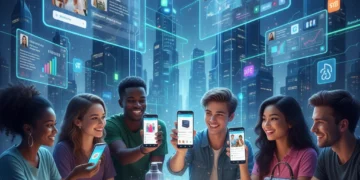
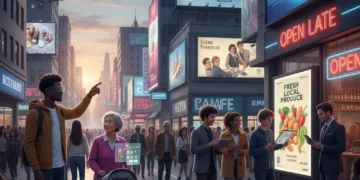
Consider a typical scenario: A consumer sees an advertisement for a new smart home device on social media (online discovery). They then research product reviews and specifications on the brand’s website (online exploration). Next, they might use a store locator to find a nearby retailer where they can see the product in person, interact with it, and ask questions of a sales associate (in-store experience). They may even use their phone in-store to compare prices or read additional reviews before making a purchase, either directly in the store or later online for home delivery. This intricate dance between digital and physical touchpoints is the new normal.
Key Drivers Shaping the US Consumer Path to Purchase in 2026:
- Digital Natives’ Dominance: Younger generations, who have grown up with the internet and mobile technology, are entering their prime spending years. Their expectations for seamless digital integration and instant gratification are setting the standard for all consumers.
- Technological Advancements: AI, machine learning, augmented reality (AR), virtual reality (VR), and IoT are no longer nascent technologies. They are becoming integral to personalizing experiences, streamlining operations, and enhancing both online and in-store environments.
- Heightened Expectations for Convenience: Consumers expect shopping to fit into their lives, not the other way around. This translates to demands for faster shipping, flexible pickup options (BOPIS – Buy Online, Pick Up In Store), easy returns, and intuitive digital interfaces.
- The Experience Economy: Beyond just products, consumers are seeking experiences. This drives demand for engaging in-store environments, personalized recommendations, and brand interactions that go beyond a simple transaction.
- Sustainability and Ethical Consumption: A growing segment of the US consumer base is making purchasing decisions based on a brand’s environmental and social impact. Transparency and ethical practices are becoming non-negotiable.
The Resurgence of Physical Retail: Not Dead, But Different
Despite the continued growth of e-commerce, predictions of the ‘death of retail’ have proven to be greatly exaggerated. By 2026, physical stores will play a crucial, albeit transformed, role in the US consumer path to purchase 2026. They are evolving from transactional hubs to experiential centers, brand showrooms, and convenient fulfillment points.
The Role of In-Store Experiences in 2026:
- Experiential Showrooms: Stores are becoming places where consumers can interact with products, receive personalized advice, attend workshops, or simply immerse themselves in the brand’s ethos. Think Apple Stores, but for virtually every category.
- Fulfillment Hubs: Physical locations are increasingly serving as micro-fulfillment centers, supporting BOPIS, curbside pickup, and even local delivery services. This allows for faster access to products and reduces shipping costs for retailers.
- Personalized Service: Equipped with data from online interactions, store associates can offer highly personalized recommendations and assistance, bridging the gap between digital insights and human connection.
- Community Spaces: Some retailers are transforming their stores into community gathering places, hosting events, co-working spaces, or cafes, fostering deeper brand loyalty.
- Sensory Engagement: Physical stores offer the invaluable opportunity for consumers to touch, feel, smell, and try products – experiences that digital channels cannot fully replicate.
Technology as the Backbone: Enabling Seamless Journeys
Technology is not merely an add-on; it’s the fundamental infrastructure enabling the sophisticated US consumer path to purchase 2026. From advanced analytics to immersive digital tools, innovation is driving both efficiency and engagement.
Key Technologies Shaping the Path to Purchase:
Artificial Intelligence (AI) and Machine Learning (ML):
- Personalized Recommendations: AI algorithms analyze browsing history, purchase patterns, and demographic data to offer highly relevant product suggestions, both online and in-store (via associate tablets).
- Predictive Analytics: ML helps retailers forecast demand, optimize inventory, and personalize marketing messages, ensuring the right product is available at the right time.
- Chatbots and Virtual Assistants: AI-powered chatbots provide instant customer service, answer queries, and guide consumers through the purchase process 24/7.
Augmented Reality (AR) and Virtual Reality (VR):
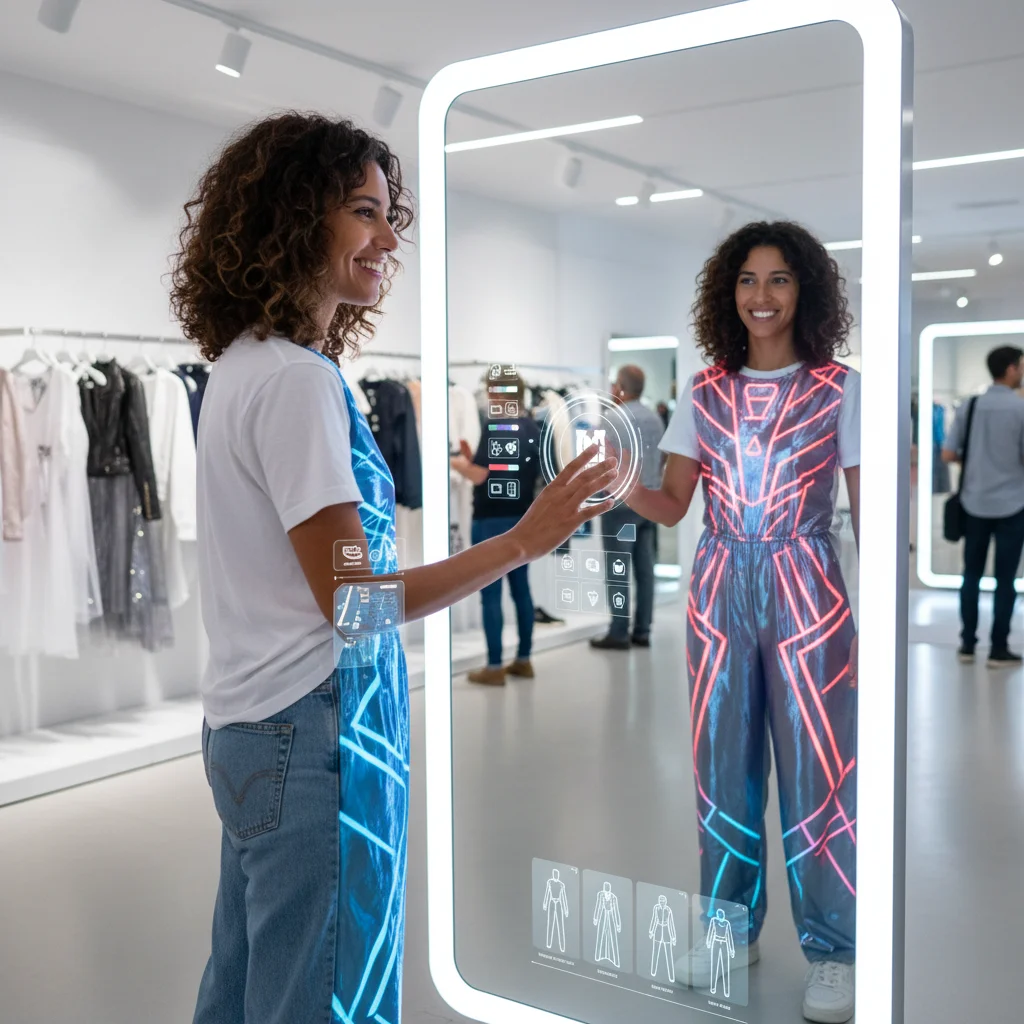
- Virtual Try-Ons: AR allows consumers to virtually try on clothes, makeup, or even place furniture in their homes using their smartphone cameras. This reduces returns and enhances confidence.
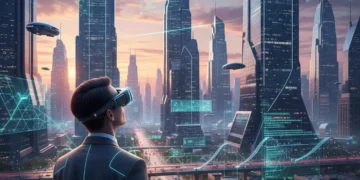
- Immersive Product Demos: VR can transport consumers to virtual showrooms or allow them to experience a product in a simulated environment, offering a richer understanding before purchase.
- In-Store Navigation: AR-powered apps can guide shoppers through large stores, highlight promotions, and provide product information as they browse.
IoT (Internet of Things) and Smart Devices:
- Smart Shelves: IoT sensors can track inventory levels in real-time, alert staff to restocking needs, and even provide data on popular products.
- Personalized Beacons: Beacons can send personalized offers or product information to a consumer’s smartphone as they walk through a store, based on their preferences and location.
- Connected Homes: Smart home devices can facilitate re-orders of consumables or integrate with retail apps for a more seamless experience.
Blockchain Technology:
- Supply Chain Transparency: Blockchain can provide immutable records of a product’s journey from origin to store, appealing to consumers concerned with ethical sourcing and authenticity.
- Loyalty Programs: Secure and transparent loyalty programs can be built on blockchain, offering new ways to reward and engage customers.
Strategies for Businesses to Thrive in the 2026 Retail Landscape
To successfully navigate the evolving US consumer path to purchase 2026, businesses must adopt a holistic and forward-thinking approach. It’s no longer enough to just have an online store and a physical presence; true integration and customer-centricity are paramount.
1. Invest in a Unified Customer Data Platform (CDP):
A robust CDP is essential for collecting, unifying, and activating customer data from all touchpoints – online browsing, purchase history, in-store interactions, customer service inquiries, and social media engagement. This 360-degree view of the customer enables hyper-personalization across the entire journey. Understanding the US consumer path to purchase 2026 requires deep data insights.
2. Enhance the Digital-Physical Bridge:
- Seamless BOPIS/Curbside Pickup: Optimize these services with dedicated pickup areas, efficient notification systems, and easy returns processes.
- In-Store Technology Integration: Equip sales associates with tablets that provide customer profiles, inventory data, and product information. Implement interactive displays, AR mirrors, and self-checkout options.
- Endless Aisle: Allow in-store shoppers to access your full online catalog, enabling them to order items not available in physical stock for home delivery or store pickup.
3. Prioritize Experiential Retail:
Design your physical stores to be destinations. Focus on creating memorable experiences that encourage engagement and brand loyalty. This could include:
- Interactive product demonstrations.
- Workshops or classes related to your products.
- Comfortable lounge areas for browsing and consultation.
- Pop-up events and collaborations.
4. Embrace Hyper-Personalization:
Leverage AI and data to deliver personalized content, offers, and recommendations. This extends beyond product suggestions to personalized customer service interactions, tailored marketing campaigns, and even customized in-store experiences. The US consumer path to purchase 2026 is deeply personal.
5. Optimize for Mobile-First Experiences:
Mobile devices are central to the modern consumer journey. Ensure your website is fully responsive, your app is intuitive and feature-rich, and that mobile payments are seamless. Many consumers will use their phones for research, price comparison, and loyalty program access even when physically in a store.
6. Focus on Speed and Convenience:
Expedited shipping options, same-day delivery, and efficient returns processes are no longer differentiators; they are expectations. Invest in supply chain optimization and last-mile delivery solutions to meet these demands.
7. Build Trust Through Transparency and Sustainability:
Clearly communicate your brand’s values, ethical sourcing practices, and sustainability efforts. Consumers are increasingly willing to pay a premium for brands that align with their values. Provide detailed product information, including origin and environmental impact where applicable.
8. Empower Your Store Associates:
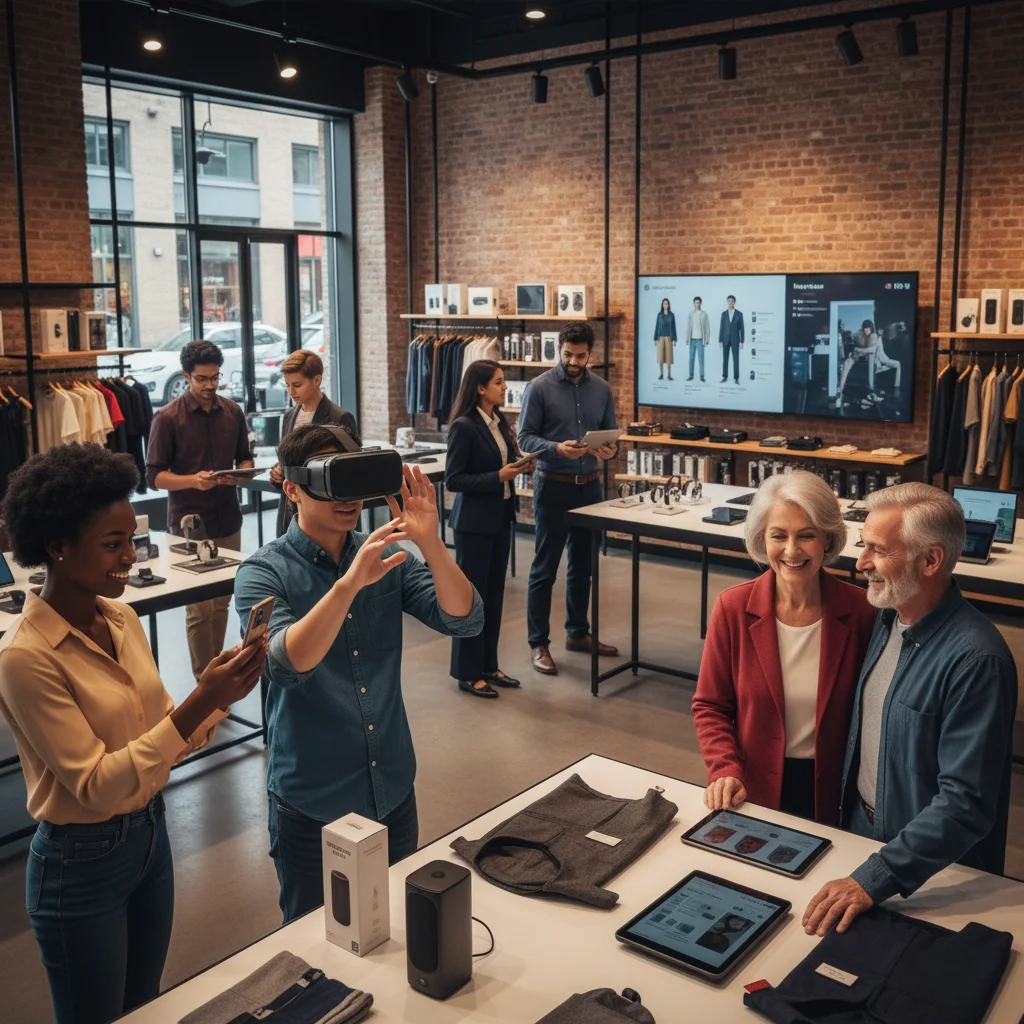
Your in-store staff are critical brand ambassadors. Provide them with the training and technology (e.g., mobile POS systems, customer data access) to offer exceptional, personalized service. They are key to converting digital interest into physical sales.
9. Leverage Social Commerce:
Social media platforms are increasingly becoming direct sales channels. Invest in social commerce strategies, including shoppable posts, live shopping events, and influencer partnerships, to capture consumers where they spend their time online.
10. Continuously Innovate and Adapt:
The retail landscape will continue to evolve rapidly. Businesses must foster a culture of continuous innovation, experimenting with new technologies, engaging with customer feedback, and adapting their strategies to stay ahead of the curve. The US consumer path to purchase 2026 is dynamic, requiring constant vigilance and evolution.
Challenges and Opportunities on the US Consumer Path to Purchase 2026
While the future of retail presents exciting opportunities, it also comes with its share of challenges. Businesses must be prepared to address these head-on.
Challenges:
- Data Privacy Concerns: As personalization becomes more sophisticated, so do consumer concerns about data privacy. Retailers must be transparent about data collection and usage, and ensure robust security measures are in place.
- Supply Chain Disruptions: Global events can still impact supply chains, leading to stockouts and delivery delays. Resilient and diversified supply chain strategies are crucial.
- Talent Acquisition and Retention: The demand for skilled retail technology professionals and highly trained store associates will intensify.
- Maintaining Brand Consistency: Ensuring a consistent brand message and experience across all online and offline touchpoints can be complex.
- Measuring ROI: Attributing sales to specific touchpoints in a non-linear journey can be challenging, requiring advanced analytics and attribution models.
Opportunities:
- Deeper Customer Relationships: By understanding the US consumer path to purchase 2026, businesses can build stronger, more meaningful relationships with their customers through personalized interactions and valuable experiences.
- Enhanced Brand Loyalty: A seamless, convenient, and engaging shopping experience fosters loyalty, turning one-time buyers into lifelong advocates.
- New Revenue Streams: Innovative technologies and experiential offerings can open up new avenues for revenue generation, such as subscription services, curated experiences, or exclusive access.
- Operational Efficiencies: Technology adoption, from AI-powered inventory management to automated customer service, can lead to significant cost savings and improved operational efficiency.
- Market Expansion: A strong digital presence combined with strategic physical locations can allow businesses to reach wider audiences and expand into new markets more effectively.
Conclusion: The Future is Integrated and Customer-Centric
The US consumer path to purchase 2026 is a testament to the ongoing evolution of retail. It’s a journey defined by the convergence of online and in-store experiences, powered by advanced technology, and driven by increasingly sophisticated consumer expectations. Businesses that embrace this integration, prioritize customer experience, and continuously innovate will not only survive but thrive in this dynamic landscape. The future belongs to those who understand that every touchpoint, whether digital or physical, is an opportunity to connect, engage, and delight the modern consumer.
By focusing on data-driven personalization, seamless technology integration, and compelling experiential offerings, retailers can craft a consumer journey that is not just efficient but truly memorable, cementing their place in the hearts and wallets of US consumers for years to come.