Inflation’s Lingering Effect: 3 Smart Consumer Strategies for Budgeting in the US Market, Q1 2026
As we navigate through Q1 2026, the specter of inflation continues to loom large over the US economy, profoundly impacting consumer purchasing power and household budgets. What was once considered a transient phenomenon has proven to be more persistent, forcing individuals and families to rethink their financial strategies. The rising cost of living, from groceries and fuel to housing and healthcare, demands a proactive and intelligent approach to money management. This article delves into the core challenges presented by ongoing inflation and, more importantly, outlines three smart consumer strategies for effective inflation budgeting strategies that can help you not just survive, but thrive in this evolving economic landscape.
Understanding the current economic climate is the first step towards building financial resilience. While economic forecasts often paint a complex picture, the reality for the average American consumer is simpler: every dollar buys less than it used to. This erosion of purchasing power necessitates a shift from traditional budgeting methods to more dynamic and adaptive financial planning. Our focus here is to provide actionable insights and practical tools that empower you to take control of your finances, mitigate the adverse effects of inflation, and secure your financial future in Q1 2026 and beyond. These inflation budgeting strategies are designed to be comprehensive, addressing various facets of personal finance from spending habits to long-term savings.
The Persistent Challenge of Inflation in Q1 2026
Before we dive into the solutions, it’s crucial to understand the nature of the beast. Inflation in Q1 2026 isn’t just a number reported by economic agencies; it’s a lived experience for millions. It manifests in the higher price at the gas pump, the increased cost of a weekly grocery run, and the rising utility bills. Several factors contribute to this persistence, including ongoing supply chain disruptions, geopolitical tensions affecting energy prices, robust consumer demand in certain sectors, and wage growth that, while positive, often struggles to keep pace with soaring costs. This creates a challenging environment where every budgeting decision carries more weight and requires careful consideration. The traditional ‘set it and forget it’ budgeting approach is no longer sufficient; instead, consumers must adopt flexible and responsive inflation budgeting strategies.
The impact of inflation is not uniform across all demographics. Lower-income households often feel the pinch most acutely, as a larger proportion of their income is spent on necessities like food, housing, and transportation, which tend to be highly susceptible to inflationary pressures. Middle-income families might find their discretionary spending significantly curtailed, impacting their quality of life and ability to save for future goals. Even higher-income individuals, while perhaps not struggling with basic needs, may see their investment returns eroded and their long-term financial plans disrupted. Therefore, effective inflation budgeting strategies must be adaptable to individual circumstances while addressing universal principles of financial prudence.
Moreover, the psychological impact of inflation cannot be underestimated. Constant worry about rising costs can lead to financial stress, anxiety, and a sense of uncertainty about the future. This emotional toll can sometimes hinder rational financial decision-making. By implementing sound inflation budgeting strategies, consumers can regain a sense of control and reduce this stress, allowing them to make more informed choices about their money. This article aims to empower you with the knowledge and tools to navigate these turbulent economic waters with confidence and strategic foresight.
Strategy 1: Hyper-Detailed Expense Tracking and Categorization
The first and perhaps most fundamental strategy for combating inflation is to gain an absolute mastery over your spending. In an inflationary environment, where prices are constantly shifting, a general overview of your expenses is simply not enough. You need to know precisely where every dollar is going. This involves moving beyond broad categories like ‘groceries’ or ‘entertainment’ and delving into hyper-detailed expense tracking and categorization. This is one of the most critical inflation budgeting strategies you can adopt.
Leveraging Technology for Precision
Modern budgeting apps and software are your best friends here. Tools like Mint, YNAB (You Need A Budget), Personal Capital, or even advanced spreadsheet templates can automate much of this process. Connect your bank accounts and credit cards, and let the software categorize your transactions. However, don’t rely solely on automated categorization. Take the time to review and refine. For example, instead of just ‘groceries,’ break it down: ‘staple groceries,’ ‘impulse buys at checkout,’ ‘organic produce,’ ‘meat and poultry.’ For ‘transportation,’ differentiate between ‘fuel,’ ‘public transport fares,’ ‘ride-sharing services,’ and ‘car maintenance.’ This granular detail provides unparalleled insight into your spending patterns.
Why is this level of detail so crucial for inflation budgeting strategies? Because it allows you to identify specific areas where inflation is hitting hardest and where you have the most leverage to make adjustments. If you see that ‘organic produce’ costs have surged by 20% in the last quarter, you can make an informed decision to switch to conventional produce for a period, or seek out cheaper alternatives. If ‘impulse buys’ are consistently adding 15% to your grocery bill, you know exactly where to trim. This precision empowers you to make targeted cuts without feeling like you’re depriving yourself across the board.
The Power of Regular Review and Adjustment
Hyper-detailed tracking is not a one-time setup; it requires regular review and adjustment. Set aside time weekly or bi-weekly to scrutinize your spending. Look for trends. Are certain categories consistently over budget? Are there subscriptions you’re no longer using but still paying for? The goal is to create a living budget that adapts to your current financial reality and the prevailing inflationary pressures. This continuous feedback loop is what makes this one of the most effective inflation budgeting strategies.
Moreover, this detailed tracking helps you differentiate between needs and wants more effectively. In an inflationary environment, many ‘wants’ can quickly become luxury items. By seeing their exact cost, you can consciously decide if that expenditure aligns with your financial goals and priorities. This strategy isn’t about deprivation; it’s about conscious spending and maximizing the value of every dollar you earn.

Strategy 2: Dynamic Spending Optimization and Price Comparison
Once you know where your money is going, the next step in effective inflation budgeting strategies is to actively optimize your spending. This means constantly seeking out better deals, alternative products, and more cost-effective ways to fulfill your needs. In a high-inflation environment, prices are not static, and neither should your shopping habits be. This dynamic approach to spending is vital for maintaining your purchasing power.
Embrace Aggressive Price Comparison
Gone are the days of brand loyalty at any cost. For Q1 2026, aggressive price comparison is not just smart; it’s essential. Before making any significant purchase, and even for routine grocery runs, compare prices across multiple retailers. Utilize online comparison tools, store apps, and loyalty programs. For groceries, this might mean splitting your shopping between two different stores to get the best prices on different items. For larger purchases like electronics or appliances, compare online and in-store prices, and don’t hesitate to ask for price matching.
Consider generic or store-brand alternatives for everyday items. Often, the quality difference is negligible, but the price difference can be substantial. This simple switch can save you hundreds of dollars annually, directly offsetting some of the inflationary increases. This is a cornerstone of effective inflation budgeting strategies.
Rethink Your Consumption Habits
Dynamic spending optimization also involves a critical look at your consumption habits. Can you reduce your energy consumption by being more mindful of heating, cooling, and appliance usage? Can you carpool, use public transport more often, or consolidate errands to save on fuel? Can you cook more meals at home and reduce reliance on expensive takeout or restaurant dining? These small changes, when consistently applied, can lead to significant savings. Batch cooking, meal planning, and utilizing leftovers are powerful tools in your inflation budgeting strategies arsenal.
Furthermore, evaluate your subscription services. Many households accumulate numerous streaming services, gym memberships, and other recurring charges that may no longer be essential or fully utilized. Conduct a quarterly audit of all your subscriptions and cancel those that don’t provide significant value. The savings from just a few cancelled subscriptions can be redirected to more pressing needs or savings goals.
Strategic Use of Discounts and Rewards
Become a savvy shopper who actively seeks out discounts, coupons, and reward points. Sign up for loyalty programs at your most frequented stores. Look for cash-back opportunities through credit card rewards or apps. Timing your purchases around sales events (e.g., seasonal clearances, Black Friday in Q4 2025 for items you need in Q1 2026) can also lead to substantial savings. While these might seem like minor adjustments, collectively, they contribute significantly to mitigating the impact of inflation on your budget. Mastering these techniques is crucial for successful inflation budgeting strategies.
Strategy 3: Debt Management and Financial Resilience Building
In an inflationary environment, managing debt effectively and building financial resilience are paramount. High-interest debt can quickly become a major drain on your finances, especially when interest rates rise in response to inflation. Simultaneously, having a robust emergency fund and diversified savings can act as a buffer against unexpected costs and further economic volatility. This dual approach forms the third pillar of our smart inflation budgeting strategies.
Aggressive High-Interest Debt Reduction
Prioritize paying down high-interest debt, such as credit card balances. The interest rates on these debts can often outpace inflation, creating a vicious cycle that makes it harder to get ahead financially. Consider strategies like the ‘debt snowball’ or ‘debt avalanche’ method to tackle these balances systematically. The debt snowball focuses on paying off the smallest debts first for motivational wins, while the debt avalanche prioritizes debts with the highest interest rates to save the most money over time. Both are effective inflation budgeting strategies for debt reduction.
If possible, explore options for consolidating high-interest debt into a lower-interest loan, such as a personal loan or a balance transfer credit card with a 0% introductory APR. Be cautious with balance transfers, ensuring you can pay off the balance before the promotional period ends to avoid high deferred interest. Reducing your debt burden frees up more of your monthly income, which can then be allocated to essential spending, savings, or investments, thereby enhancing your financial flexibility in an inflationary period.
Building and Fortifying an Emergency Fund
An emergency fund is always important, but its significance is amplified during periods of inflation and economic uncertainty. Aim to have at least three to six months’ worth of essential living expenses saved in an easily accessible, high-yield savings account. This fund provides a critical safety net, preventing you from falling into debt if unexpected expenses arise, such as job loss, medical emergencies, or car repairs. Without an adequate emergency fund, these unforeseen costs can quickly derail your budgeting efforts and force you to rely on high-interest credit, exacerbating the impact of inflation. This is a non-negotiable component of robust inflation budgeting strategies.
Even if you’re starting small, consistently contributing to your emergency fund should be a priority. Automate transfers from your checking account to your savings account each payday to make it a habit. As inflation increases the cost of living, periodically review and adjust the target amount for your emergency fund to ensure it still covers an adequate number of months of expenses.
Diversifying Savings and Investments
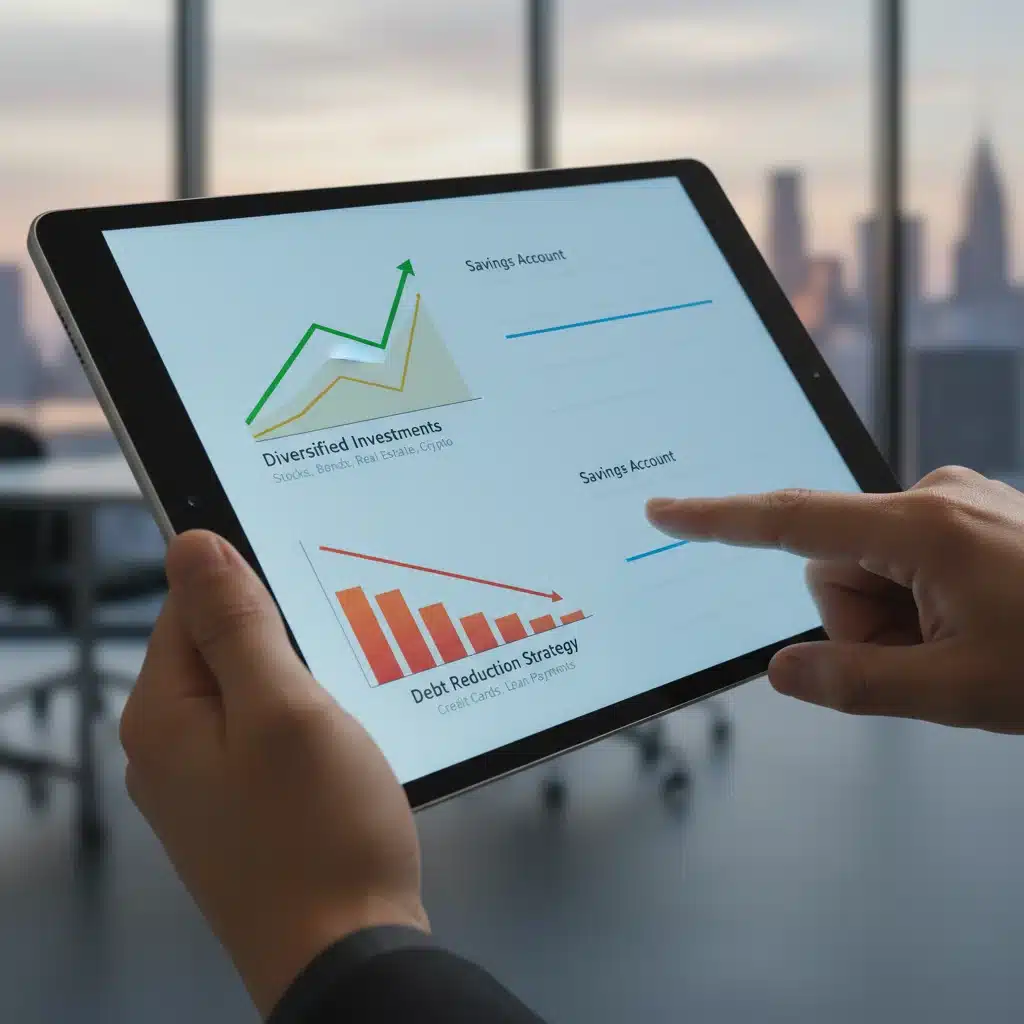
While an emergency fund should be in liquid cash, for long-term savings and wealth building, consider diversifying your investments to protect against inflation’s corrosive effects. Traditional savings accounts often yield returns that are lower than the inflation rate, meaning your money loses purchasing power over time. Explore investment vehicles that have historically performed well during inflationary periods, such as Treasury Inflation-Protected Securities (TIPS), real estate, commodities, or dividend-paying stocks. Consult with a financial advisor to create a diversified portfolio that aligns with your risk tolerance and financial goals.
It’s also wise to consider investing in yourself through education or skill development. Increasing your earning potential can be one of the most powerful long-term inflation budgeting strategies, as it provides a direct counter to rising costs by boosting your income. This strategic investment in human capital can offer returns that far outstrip traditional financial investments during volatile economic times.
Integrating the Strategies for Maximum Impact
These three inflation budgeting strategies are most effective when integrated into a cohesive financial plan. They are not isolated tactics but interconnected components of a comprehensive approach to managing your money in an inflationary environment. Think of them as layers of defense against the erosion of your financial well-being.
Start with hyper-detailed expense tracking. This gives you the data. Use that data to inform your dynamic spending optimization, making conscious choices about where and how you spend. The savings generated from optimization and the insights from tracking then fuel your debt management and financial resilience building efforts, allowing you to pay down high-interest debt and bolster your emergency fund and investments. This cyclical process ensures that your financial plan is continuously refined and strengthened.
Regularly review your progress. Are your strategies working? Are you meeting your financial goals? The economic landscape can change rapidly, so your budgeting strategies must remain agile. What worked in Q1 2026 might need slight adjustments by Q2 or Q3. Stay informed about economic news, interest rate changes, and consumer price trends to anticipate potential impacts on your budget. This proactive monitoring is a crucial element of successful inflation budgeting strategies.
Beyond the Numbers: The Mindset Shift
While the practical aspects of inflation budgeting strategies are important, a crucial, often overlooked, element is the mindset shift required. Navigating inflation successfully demands patience, discipline, and a willingness to adapt. It’s about consciously choosing financial prudence over instant gratification, understanding that every small decision contributes to your overall financial health.
Cultivate a mindset of resourcefulness. Can you repair something instead of replacing it? Can you borrow instead of buying? Can you find free or low-cost alternatives for entertainment? This shift in perspective can unlock numerous opportunities for savings that might not be apparent with a traditional consumer mindset. Embrace the challenge as an opportunity to become more financially literate and resilient.
Furthermore, communicate openly about your financial situation with your household members. Inflation affects everyone, and a unified approach to budgeting and spending can significantly enhance the effectiveness of your inflation budgeting strategies. Family discussions about financial goals, spending priorities, and collective efforts to save can foster a sense of shared responsibility and mutual support.
The Long-Term Outlook: Preparing for the Future
The inflation budgeting strategies discussed here are not just for Q1 2026; they are foundational principles for long-term financial stability. While inflation may eventually recede, economic cycles are a constant. By embedding these habits into your financial routine, you are not just reacting to current conditions but building a robust framework that can withstand future economic fluctuations, whatever they may be.
Consider the long-term implications of your choices. For example, reducing high-interest debt now not only saves you money today but also improves your credit score, potentially opening doors to better loan rates for future needs like a mortgage or car loan. Building a substantial emergency fund provides peace of mind and prevents financial setbacks from turning into crises. Diversifying investments protects your wealth against the erosion of purchasing power over decades.
Education is also a continuous process. Stay informed about personal finance best practices, economic trends, and new financial products that can aid your budgeting efforts. Attend webinars, read reputable financial blogs, and consider seeking advice from certified financial planners for personalized guidance. The more knowledgeable you are, the better equipped you will be to make astute financial decisions in any economic climate.
Conclusion: Empowering Your Financial Future Amidst Inflation
The persistent inflation in the US market as of Q1 2026 presents undeniable challenges for consumers. However, by adopting smart inflation budgeting strategies, you can transform these challenges into opportunities for greater financial control and resilience. Hyper-detailed expense tracking and categorization provides the clarity you need. Dynamic spending optimization and aggressive price comparison empower you to make every dollar count. And robust debt management coupled with strategic financial resilience building offers a strong defense against economic shocks.
Remember, financial health is not about perfection, but about consistent, informed effort. By implementing these three core strategies, adapting them to your unique circumstances, and cultivating a proactive financial mindset, you can navigate the current inflationary environment with confidence. Take control of your finances, make conscious spending decisions, and build a secure foundation for your future. The time to act is now, and with these inflation budgeting strategies, you are well-equipped to face Q1 2026 and beyond.