Bulk Buying vs. Individual Purchases: Smart Savings on Groceries

Bulk Buying vs. Individual Purchases: When to Save 25% on Groceries and Household Essentials
In the quest for financial freedom and smarter spending, one area consistently offers significant savings: your grocery bill. The age-old debate of bulk buying groceries versus making individual purchases is more relevant than ever. With rising inflation and the constant pressure on household budgets, understanding when and how to leverage bulk purchases can be a game-changer, potentially saving you upwards of 25% on your annual spending on food and household essentials. This comprehensive guide will delve deep into the strategy, benefits, and potential pitfalls of bulk buying, equipping you with the knowledge to make informed decisions and maximize your savings.
We’ll explore the items that are genuinely worth buying in bulk, discuss essential storage solutions, and provide practical tips for integrating this money-saving strategy into your lifestyle. Whether you’re a seasoned bulk shopper or considering it for the first time, prepare to transform your shopping habits and significantly reduce your expenses.
The Core Principle: Why Bulk Buying Groceries Works
The fundamental reason why bulk buying groceries can lead to substantial savings is simple: economies of scale. When manufacturers produce larger quantities of a single product, their per-unit cost decreases due to reduced packaging, processing, and transportation expenses. These savings are often passed on to the consumer in the form of a lower unit price for bulk items.
Understanding Unit Price: Your Best Friend in Savings
The key to successful bulk buying isn’t just buying a large box; it’s understanding the unit price. This metric, usually displayed on the shelf label, tells you the cost per ounce, pound, sheet, or other standard unit. Always compare the unit price of a bulk item to its smaller counterpart. Often, a larger package that initially seems more expensive might actually be cheaper per unit, making it the more economical choice.
The “25% Savings” Myth or Reality?
The claim of saving 25% or more isn’t an exaggeration for many families. By strategically purchasing non-perishable goods, frequently used items, and household essentials in larger quantities when they are on sale or at warehouse clubs, you can indeed see your overall grocery spending drop significantly. This isn’t about buying things you don’t need; it’s about optimizing purchases for items you regularly consume.
What to Buy in Bulk: The Smart Shopper’s List
Not everything is suitable for bulk purchase. Perishable items, unless consumed quickly or stored properly, can lead to waste, negating any potential savings. Here’s a breakdown of categories that are generally excellent candidates for bulk buying groceries:
1. Pantry Staples: Non-Perishable Food Items
- Grains and Pasta: Rice (white, brown, basmati), pasta (spaghetti, penne, macaroni), oats (rolled, steel-cut), quinoa, lentils, dried beans. These items have a long shelf life and are versatile in cooking.
- Baking Supplies: Flour, sugar, salt, baking soda, baking powder, yeast. If you bake frequently, these can be significant savings.
- Canned Goods: Tomatoes, beans, vegetables, tuna, chicken. Check expiration dates, but most canned goods last for years.
- Oils and Vinegars: Olive oil, vegetable oil, apple cider vinegar, white vinegar. Larger containers often offer a better unit price.
- Spices and Herbs: While individual jars are small, buying larger bags of frequently used spices can save money, especially if you cook a lot. Store them in airtight containers away from heat and light.
- Coffee and Tea: If you’re a daily drinker, bulk coffee beans or tea bags can lead to substantial savings.
2. Frozen Foods
- Meat and Poultry: Chicken breasts, ground beef, fish fillets. Portion and freeze immediately upon purchase.
- Fruits and Vegetables: Frozen berries, mixed vegetables, spinach. Great for smoothies, cooking, and ensuring you always have produce on hand.
- Bread and Baked Goods: Bread, bagels, muffins. These freeze well and can be thawed as needed.
3. Household Essentials
- Paper Products: Toilet paper, paper towels, facial tissues. These never expire and are always needed.
- Cleaning Supplies: Laundry detergent, dish soap, all-purpose cleaner. Many come in concentrated forms that offer even greater value.
- Personal Care Items: Soap, shampoo, toothpaste, dental floss, razors. These are used daily and have a long shelf life.
- Pet Food and Supplies: If you have pets, buying large bags of food, litter, or treats can be very cost-effective.
- Batteries: Always useful to have on hand, and bulk packs are usually cheaper per unit.
4. Beverages
- Bottled Water, Seltzer, Soda: If you regularly consume these, buying cases is almost always cheaper than individual bottles.
- Juice Boxes/Pouches: For families with children, bulk packs are a staple.
When to Think Twice Before Bulk Buying
While bulk buying groceries offers many advantages, it’s not a one-size-fits-all solution. There are certain items and situations where individual purchases might be more sensible:
1. Highly Perishable Items
- Fresh Produce: Unless you have a large family or plan to preserve it immediately, buying large quantities of fresh fruits and vegetables can lead to spoilage and waste.
- Dairy Products: Milk, yogurt, and some cheeses have a limited shelf life. Only buy in quantities you can consume before expiration.
- Baked Goods: Fresh bread, pastries, and cakes go stale quickly.
2. Items with Short Expiration Dates
Always check the ‘best by’ or ‘use by’ dates on bulk items. If you can’t consume the entire quantity before it expires, you’re not saving money; you’re wasting it.
3. Products You Don’t Use Frequently
A great deal on a bulk package of a specialty ingredient you only use once a year isn’t a deal at all if it sits in your pantry taking up space and eventually expires.
4. Limited Storage Space
If your pantry, freezer, or general living space is small, bulk buying can lead to clutter and disorganization, making it difficult to find items and track inventory.
5. Initial Outlay vs. Long-Term Savings
While bulk buying saves money in the long run, it often requires a larger upfront investment. Ensure your budget can comfortably handle the initial cost without putting a strain on other essential expenses.
Practical Tips for Successful Bulk Buying Groceries
To truly harness the power of bulk buying groceries and achieve those 25% savings, strategic planning and execution are key. Here are some actionable tips:
1. Assess Your Consumption Habits
Before you even step into a warehouse club, take stock of what your household actually consumes. What items do you run out of regularly? What do you use in large quantities? A simple inventory list and a few weeks of tracking your purchases can provide invaluable insights.
2. Master the Unit Price Calculation
This cannot be stressed enough. Always compare the unit price. Many stores now display this on the shelf tag, but if not, it’s a simple calculation: total price divided by the number of units (e.g., ounces, pounds, sheets).
3. Invest in Proper Storage Solutions
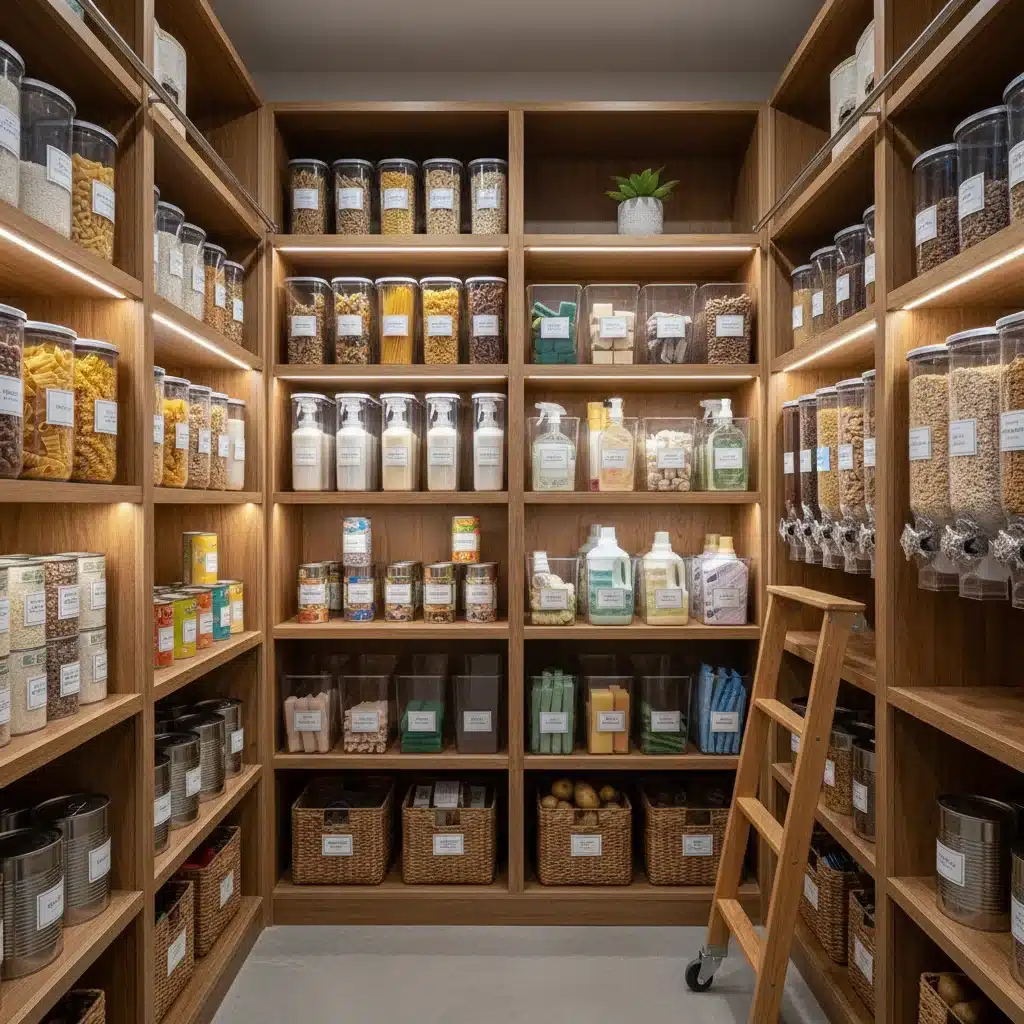
This is crucial for preventing spoilage and maintaining organization. Airtight containers, vacuum sealers, and a well-organized pantry or freezer are essential. Consider:
- Airtight Bins/Containers: For grains, flour, sugar, pasta, and dried beans to keep pests out and maintain freshness.
- Freezer Bags/Vacuum Sealer: For portioning and freezing meats, baked goods, and even some vegetables.
- Shelving Units: To maximize vertical space in your pantry, garage, or basement.
- First-In, First-Out (FIFO) System: Place newer items at the back and older items at the front to ensure you use things before they expire.
4. Plan Your Meals
Meal planning goes hand-in-hand with bulk buying. If you know what you’ll be cooking for the week or month, you can buy ingredients in bulk with confidence, knowing they will be used. This reduces waste and ensures you’re always prepared.
5. Shop Sales and Coupons Strategically
Even bulk stores have sales. Combine bulk pricing with manufacturer coupons or store discounts for even greater savings. Keep an eye out for seasonal sales on items you frequently purchase.
6. Consider Sharing with Friends or Family
If you find a fantastic deal on a bulk item that’s too large for your household, consider splitting it with a friend, neighbor, or family member. This allows everyone to benefit from the bulk price without the burden of excessive quantity.
7. Monitor Expiration Dates
Regularly check the expiration dates of your bulk purchases. Rotate your stock and plan meals around items that are nearing their ‘best by’ date to prevent waste.
8. Don’t Get Seduced by the Big Box
Just because something is sold in a large quantity doesn’t automatically mean it’s a good deal. Always do the unit price comparison. Sometimes, a sale at a regular grocery store can beat the bulk price.
The Environmental Aspect of Bulk Buying
Beyond the financial savings, bulk buying groceries also offers significant environmental benefits. By purchasing larger quantities, you:
- Reduce Packaging Waste: Fewer individual packages mean less plastic, cardboard, and other materials ending up in landfills.
- Lower Carbon Footprint: Less frequent shopping trips mean reduced fuel consumption. Additionally, the consolidated shipping of bulk goods by manufacturers can be more efficient.
- Minimize Food Waste: With proper planning and storage, bulk buying can help reduce food waste by ensuring you have ingredients on hand and use them before they spoil.
Where to Buy in Bulk: Your Shopping Destinations
Several types of stores cater to bulk shoppers:
1. Warehouse Clubs (e.g., Costco, Sam’s Club, BJ’s Wholesale Club)
These are the quintessential destinations for bulk buying. Membership fees are typically required, but the savings, especially on high-volume items, often pay for themselves quickly. They offer a vast array of groceries, household goods, electronics, and even services.
2. Discount Grocery Stores
Stores like Aldi or Lidl often have competitive prices on staple items, sometimes rivaling or even beating bulk prices from warehouse clubs, especially when combined with their weekly specials.
3. Local Co-ops and Specialty Stores
Many co-ops and health food stores offer bulk bins for grains, nuts, seeds, dried fruits, and spices. You can bring your own containers, further reducing waste, and buy exact quantities you need, which is excellent for trying new ingredients without committing to a huge bag.
4. Online Retailers
Websites like Amazon, Boxed, or even direct-from-manufacturer sites now offer bulk options for many non-perishable goods, often with competitive pricing and the convenience of home delivery. Factor in shipping costs when comparing unit prices.
5. Farmer’s Markets (Seasonal Bulk)
During peak season, some farmer’s markets allow you to buy certain produce (e.g., tomatoes for canning, apples forauce) in larger quantities at a reduced price. This requires immediate preservation, but the quality and freshness are often unmatched.
Overcoming Common Bulk Buying Challenges
While the benefits are clear, some challenges can deter potential bulk buyers. Let’s address them:
Challenge 1: The Initial Cost
Solution: Start small. Don’t try to overhaul your entire pantry in one go. Pick 2-3 items you consistently use and buy them in bulk. Gradually expand as your budget allows and you become more comfortable with the process. Think of it as an investment that pays off over time.
Challenge 2: Limited Space
Solution: Get creative with storage. Utilize under-bed storage, vertical shelving, or even a corner of a closet for non-food items. For food, focus on items that can be stored in a freezer if pantry space is limited. Consider items that condense well, like concentrated cleaners.
Challenge 3: Expiration and Spoilage
Solution: Implement the FIFO rule rigorously. Label everything with the purchase date and ‘best by’ date. Plan meals that prioritize using items nearing their expiration. If you have a large family or frequently entertain, this challenge is less pronounced.
Challenge 4: Impulse Buying at Warehouse Clubs
Solution: Stick to a list! Warehouse clubs are designed to encourage impulse purchases. Go in with a clear plan of what you need to buy in bulk. Avoid browsing aisles for items you don’t typically use or haven’t researched for unit price. Don’t be swayed by seemingly good deals on things you don’t need.
The Long-Term Impact on Your Budget
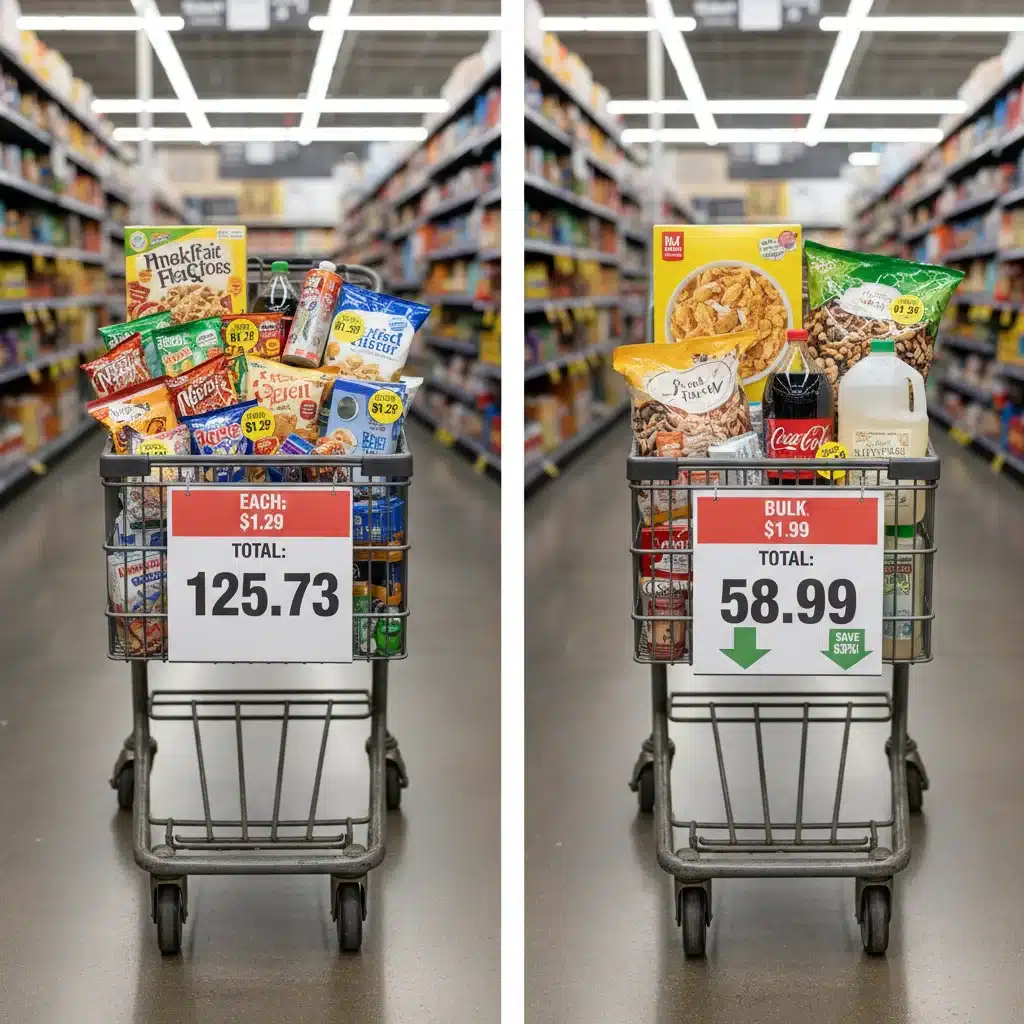
Imagine saving 25% on your grocery and household essential budget. For a family spending $800 a month on these items, that’s $200 in savings each month, or $2,400 per year! This isn’t just pocket change; it’s money that can be redirected to savings, debt repayment, investments, or even a much-needed vacation.
Beyond the direct financial benefit, bulk buying groceries fosters a more mindful approach to consumption. It encourages meal planning, reduces impulse purchases, and makes you more aware of unit prices and expiration dates. These habits, once formed, extend to other areas of your financial life, leading to greater overall financial discipline.
Conclusion: Embrace Smart Shopping for Greater Savings
The decision to engage in bulk buying groceries versus individual purchases is a personal one, influenced by your household size, storage capacity, and consumption patterns. However, for many, the benefits far outweigh the challenges. By focusing on non-perishable staples, household essentials, and frequently consumed items, and by diligently comparing unit prices, you can indeed unlock significant savings – potentially 25% or more – on your annual spending.
Start small, be strategic, and invest in good storage. With a little planning, bulk buying can transform your grocery budget, reduce waste, and contribute to a more financially secure and sustainable lifestyle. Happy smart shopping!