Unlock 2026’s Top 5 Smart Buying Strategies for Household Essentials: Save Up To 15% Annually
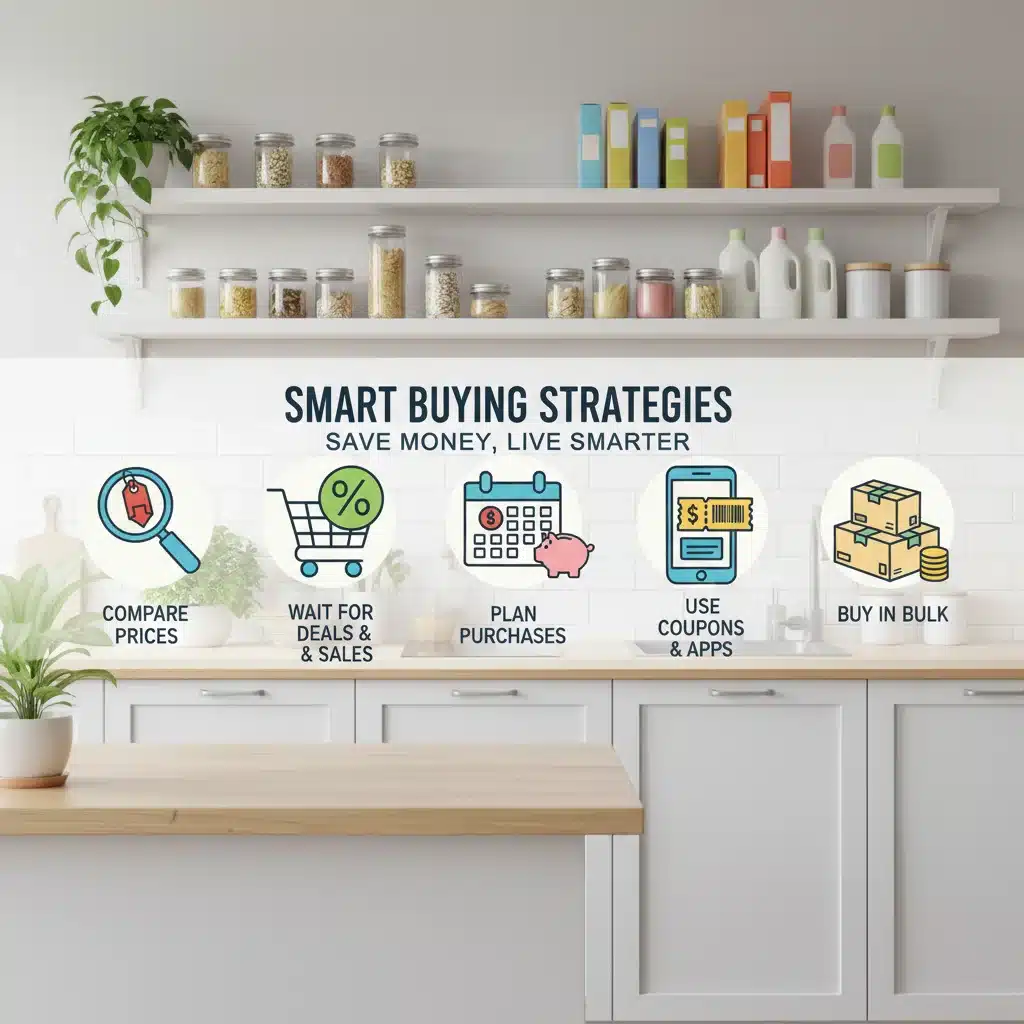
In an ever-evolving economic landscape, mastering smart buying strategies for household essentials isn’t just a suggestion—it’s a necessity. As we look towards 2026, consumers are more empowered than ever with tools and insights to optimize their spending. This comprehensive guide will delve into five pivotal strategies that can help you significantly reduce your annual expenditure, potentially saving you up to 15% on everyday necessities. From groceries to cleaning supplies, personal care items to home maintenance products, understanding and implementing these techniques will transform your shopping habits from reactive to proactive, ensuring every dollar stretches further.
The concept of smart spending isn’t new, but its application in the digital age, coupled with economic shifts, demands a refined approach. Inflation, supply chain variations, and the proliferation of shopping platforms mean that a casual approach to purchasing household essentials can lead to unnecessary financial drain. By adopting these smart buying strategies, you’ll not only save money but also gain a deeper understanding of your consumption patterns, leading to more sustainable and mindful living.
This article will guide you through each strategy, offering actionable tips, real-world examples, and insights into how technology can be your best ally. Prepare to redefine your relationship with shopping and embark on a journey towards significant annual savings. Let’s unlock the secrets to smarter spending in 2026!
The Urgency of Adopting Smart Buying Strategies in 2026
Before we dive into the specific strategies, it’s crucial to understand why 2026 presents a unique opportunity—and a compelling need—to sharpen your smart buying strategies. The global economy continues to navigate complexities, with fluctuating prices, evolving consumer trends, and an increased emphasis on sustainability. For the average household, this translates into a higher cost of living if not managed effectively. The cumulative effect of small, unoptimized purchases can significantly impact your annual budget, often without you even realizing it.
Consider the impact of inflation on everyday items. A 2-3% increase might seem negligible on a single item, but when applied across all your household essentials over a year, it can amount to hundreds, if not thousands, of dollars. This is where smart buying strategies come into play. They act as your financial shield, protecting your purchasing power and ensuring that your hard-earned money retains its value.
Moreover, the rise of e-commerce and direct-to-consumer brands has flooded the market with choices, making it both easier and harder to make informed decisions. While competition can drive down prices, the sheer volume of options can be overwhelming, leading to impulse buys or overlooking better deals. Our strategies are designed to cut through this noise, providing a clear path to optimal savings.
Finally, there’s the environmental aspect. Smart buying strategies often align with sustainable practices, such as reducing waste, buying in bulk to minimize packaging, and choosing durable, long-lasting products. By making conscious purchasing decisions, you not only benefit your wallet but also contribute positively to the planet. It’s a win-win scenario that underscores the importance of a thoughtful approach to consumption.
Understanding this context sets the stage for appreciating the power and necessity of the five smart buying strategies we are about to explore. Each strategy is a building block in your journey towards financial mastery and a more efficient household budget.
Strategy 1: Master the Art of Price Comparison and Deal Tracking
One of the most fundamental yet often underutilized smart buying strategies is rigorous price comparison. In 2026, this goes far beyond checking prices at two local supermarkets. The digital landscape offers an unparalleled ability to compare prices across various retailers, both online and brick-and-mortar, with minimal effort.
Leveraging Technology for Price Comparison
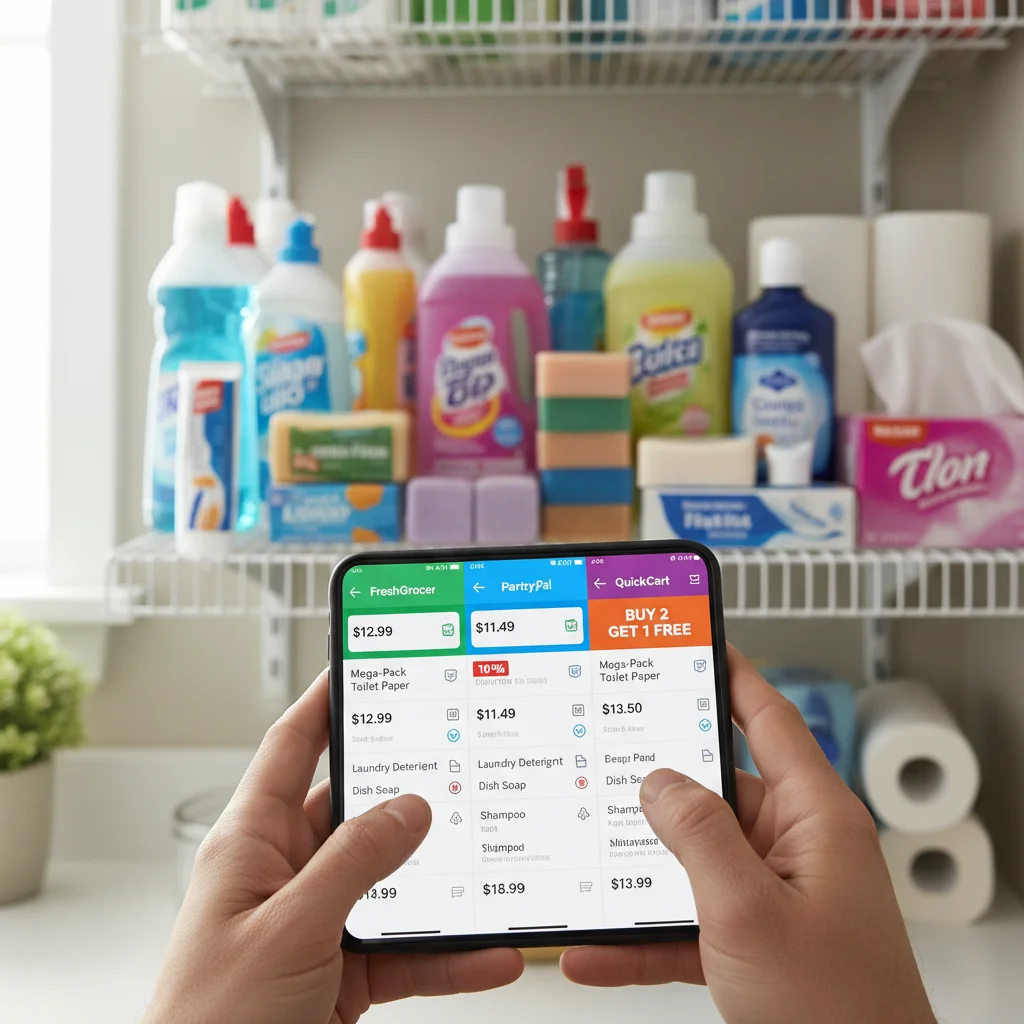
The first step is to embrace price comparison apps and websites. Tools like Google Shopping, CamelCamelCamel (for Amazon), and dedicated grocery comparison apps can instantly show you where to find the best deals on specific household essentials. These platforms often track price history, allowing you to see if a current ‘sale’ is genuinely a good deal or just a cyclical fluctuation.
Actionable Tip: Before making any significant purchase, especially for non-perishable household items, spend five minutes using a price comparison tool. You might be surprised by the price discrepancies for the same product across different retailers. Set up price alerts for items you frequently buy; many apps will notify you when the price drops to your desired level.
Deal Tracking and Loyalty Programs
Beyond direct price comparison, actively tracking deals and utilizing loyalty programs is a cornerstone of effective smart buying strategies. Sign up for newsletters from your favorite stores, follow their social media accounts, and keep an eye on weekly circulars (both physical and digital). Many retailers offer exclusive discounts to subscribers or loyalty program members.
Actionable Tip: Create a dedicated email address for store newsletters and promotions to keep your main inbox clutter-free. Regularly check this inbox for coupons, special offers, and early access to sales. Don’t underestimate the power of loyalty points; they can accumulate quickly and be redeemed for significant savings, especially on your most frequently purchased items.
Remember, the goal isn’t just to find the lowest price today but to understand market trends and position yourself to buy when prices are at their lowest. This proactive approach is a hallmark of truly smart buying strategies.
Strategy 2: Embrace Bulk Buying and Strategic Stockpiling
Bulk buying, when done correctly, is one of the most impactful smart buying strategies for household essentials. It leverages the principle that larger quantities often come with a lower per-unit cost. However, it requires careful planning and consideration to avoid waste and ensure genuine savings.
Identifying Suitable Items for Bulk Purchase
Not all household essentials are ideal for bulk buying. Perishable items with short shelf lives are generally not good candidates unless you have a large family and consume them rapidly. Focus on non-perishable goods, such as:
- Toilet paper and paper towels
- Cleaning supplies (detergent, dish soap, multi-surface cleaner)
- Personal care items (shampoo, soap, toothpaste, deodorant)
- Long-lasting pantry staples (rice, pasta, canned goods, dried beans)
- Batteries and light bulbs
Actionable Tip: Calculate the ‘unit price’ (cost per ounce, sheet, or count) to truly assess the savings. A larger package might seem cheaper, but a smaller, on-sale package could sometimes offer a better unit price. Always do the math!
Strategic Stockpiling and Storage
Bulk buying naturally leads to stockpiling. This doesn’t mean hoarding, but rather maintaining a reasonable reserve of frequently used items to avoid last-minute, full-price purchases. Effective stockpiling is a key component of smart buying strategies.
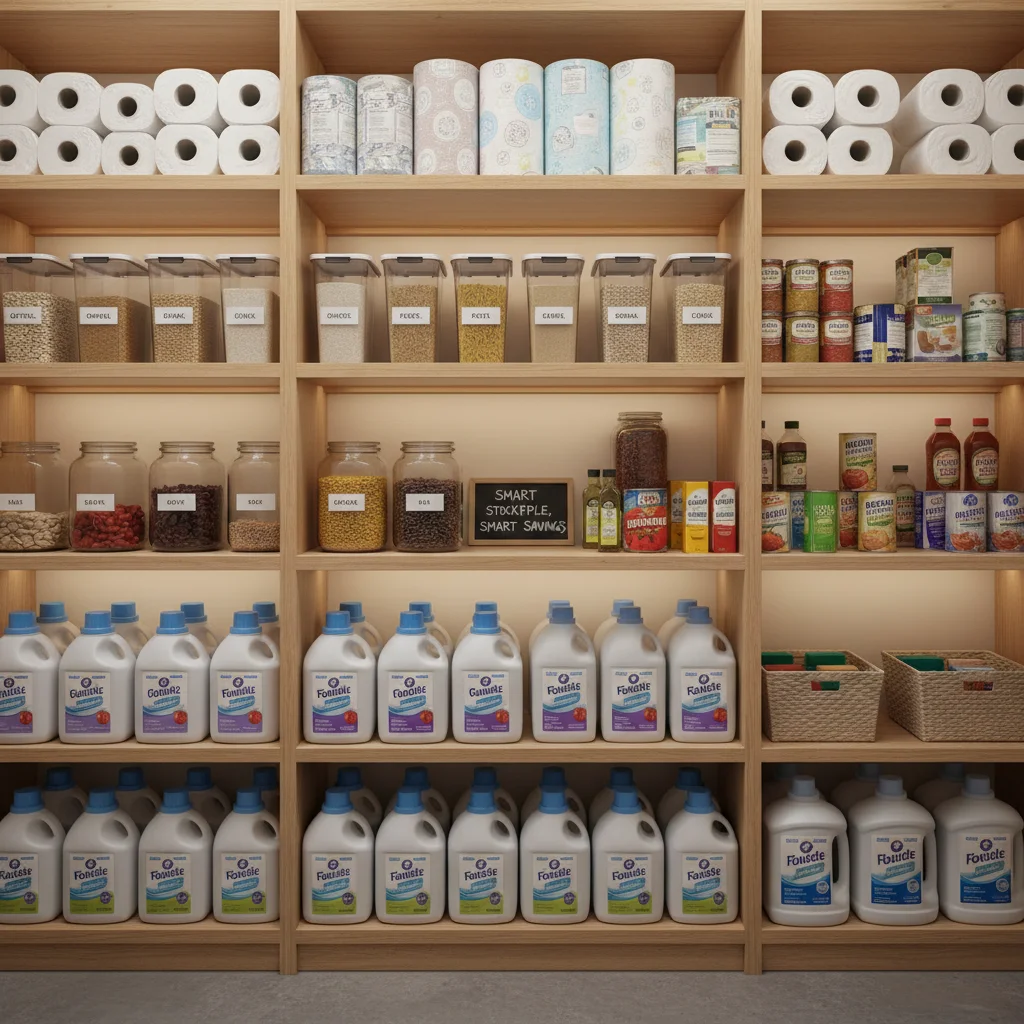
Actionable Tip: Designate a specific storage area in your home (pantry, garage, basement) for bulk items. Implement a ‘first-in, first-out’ (FIFO) system to ensure older items are used before newer ones, preventing expiration and waste. Keep an inventory list to avoid over-buying and to know exactly what you have on hand.
Consider joining a warehouse club (e.g., Costco, Sam’s Club) if the annual membership fee is offset by your savings. For many families, the savings on bulk household essentials alone can justify the membership cost within a few months. Remember to account for the membership fee when calculating your overall savings from these smart buying strategies.
Strategy 3: Leverage Seasonal Sales and Off-Peak Purchases
Timing is everything when it comes to maximizing savings, and integrating seasonal sales and off-peak purchases into your smart buying strategies can yield significant results. Retailers operate on predictable cycles, offering deep discounts on certain categories of items at specific times of the year.
Understanding Retail Sales Cycles
Many household essentials follow predictable sales patterns. For example:
- Cleaning Supplies: Often go on sale around spring cleaning season (March-April) and before major holidays when people are preparing to host.
- School Supplies: Heavily discounted in late summer (July-August) and often again after the back-to-school rush (September) to clear inventory.
- Personal Care Items: Frequently part of ‘health and beauty’ sales, often around New Year’s resolutions or mid-year promotions.
- Home Goods & Linens: January ‘white sales’ and mid-summer clearances are prime times.
- Outdoor/Seasonal Items: Best bought at the end of their respective seasons (e.g., grills in late summer, holiday decor after the holidays).
Actionable Tip: Create a simple calendar or digital reminder system to note when your most frequently purchased household essentials typically go on sale. Plan your bulk purchases around these times to maximize your savings. This proactive planning is a cornerstone of effective smart buying strategies.
The Power of Off-Peak Purchases
Beyond major seasonal sales, there are also ‘off-peak’ times to consider. For instance, shopping for groceries during weekdays mornings or late evenings can sometimes mean less crowded aisles and a better chance of spotting manager’s specials or clearance items on perishable goods that need to be sold quickly. While not directly applicable to non-perishable household essentials, understanding store traffic patterns can indirectly influence your overall shopping efficiency and mood.
Actionable Tip: For online purchases, some retailers have flash sales or daily deals that appear at specific times. If you have the flexibility, checking these periodically for items on your list can uncover unexpected savings. Subscribing to deal aggregator websites or apps can also alert you to time-sensitive offers.
By aligning your purchases with these predictable retail cycles, you transform from a reactive shopper to a strategic one, a key element of advanced smart buying strategies.
Strategy 4: Embrace Generic Brands and DIY Alternatives
One of the most straightforward yet often overlooked smart buying strategies is to challenge the notion that brand-name products are always superior. For many household essentials, generic or store brands offer comparable quality at a significantly lower price point. Furthermore, for some items, DIY alternatives can provide even greater savings and often a more natural solution.
The Value of Generic and Store Brands
From cleaning products to pantry staples, paper goods to over-the-counter medications, generic brands have come a long way. Many are manufactured in the same factories as their brand-name counterparts, using similar ingredients and formulations. The primary difference often lies in marketing and packaging, which you ultimately pay for with brand-name products.
Actionable Tip: For your next shopping trip, commit to trying a generic version of at least three household essentials you normally buy brand-name. Compare the quality and effectiveness. For many items, you’ll find little to no discernible difference, leading to immediate and ongoing savings. This simple switch can be one of the easiest smart buying strategies to implement.
Exploring DIY Alternatives
For certain household essentials, making your own can be incredibly cost-effective and often more environmentally friendly. This applies particularly to cleaning products and some personal care items.
- All-Purpose Cleaner: A mixture of white vinegar, water, and a few drops of essential oil can replace many expensive chemical cleaners.
- Laundry Detergent: Recipes using borax, washing soda, and soap flakes are widely available and can dramatically reduce your laundry expenses.
- Window Cleaner: Vinegar and water is a classic, streak-free solution.
- Fabric Softener: White vinegar in the rinse cycle works wonders.
Actionable Tip: Start with one or two DIY projects to see if they fit your lifestyle. Research recipes online, and consider the initial cost of ingredients versus the long-term savings. Not only can this be a significant smart buying strategy, but it also gives you control over the ingredients used in your home.
By thoughtfully considering generic options and embracing DIY where practical, you can significantly reduce your household budget without compromising on cleanliness or personal care. This strategy empowers you to make conscious choices that benefit both your wallet and potentially your health and the environment.
Strategy 5: Create a Detailed Budget and Stick to a Shopping List
While the previous smart buying strategies focus on *how* to buy, this final strategy addresses the foundational *framework* for all your purchases: budgeting and disciplined list-making. Without these, even the best intentions can be derailed by impulse buys and overspending.
Developing a Realistic Household Budget
A budget isn’t about restriction; it’s about control and awareness. It helps you understand where your money is going and where you can make adjustments. For household essentials, this means allocating a specific amount each month or pay period.
- Track Your Spending: For a month or two, meticulously track every penny spent on household essentials. This will give you a realistic baseline.
- Set a Limit: Based on your tracking, set a reasonable budget for this category. Be realistic – too strict, and you’re likely to fail; too loose, and it won’t be effective.
- Categorize: Break down your budget into sub-categories if helpful (e.g., groceries, cleaning, personal care).
- Review Regularly: Life changes, and so should your budget. Review and adjust it quarterly or whenever there’s a significant change in income or expenses.
Actionable Tip: Use budgeting apps (Mint, YNAB, EveryDollar) or a simple spreadsheet to manage your budget. Visualizing your spending can be a powerful motivator to stick to your limits and reinforce your smart buying strategies.
The Power of the Shopping List
A shopping list is your best defense against impulse purchases. It ensures you buy only what you need and helps you stay focused, especially when navigating sales and promotions.
Actionable Tip:
- Plan Meals: For groceries, plan your meals for the week first, then create your list based on ingredients needed.
- Check Inventory: Before making any list for household essentials, do a quick scan of your pantry, bathroom, and cleaning supplies to see what you actually need. Don’t just rely on memory.
- Stick to It: Once at the store (physical or online), make a conscious effort to buy only what’s on your list. If you see a ‘deal’ not on your list, ask yourself if it aligns with your budget and if you truly need it.
- Digital Lists: Use digital shopping list apps that can be shared with family members, making it easy to add items as they run out.
Combining a robust budget with a disciplined approach to shopping lists forms the bedrock of all successful smart buying strategies. It brings structure and accountability to your spending, paving the way for consistent savings.
Integrating Smart Buying Strategies into Your Daily Life
Adopting these five smart buying strategies isn’t about making radical changes overnight; it’s about gradually integrating them into your routine until they become second nature. The key to long-term success is consistency and flexibility.
Start Small, Stay Consistent
Don’t try to implement all five strategies simultaneously. Pick one or two that resonate most with you or seem easiest to start with. For example, begin by committing to price comparison for one month, or switch one brand-name item to a generic alternative. Once you see the savings, you’ll be motivated to tackle more.
Make It a Habit, Not a Chore
Frame these smart buying strategies not as restrictive chores but as empowering tools. Think of each saving as a small win that contributes to your larger financial goals. When shopping, view it as a game where you’re trying to outsmart the market and get the best value.
Educate Your Household
If you live with others, involve them in the process. Explain the benefits of these smart buying strategies and encourage their participation. A united front will make it easier to stick to budgets and lists and avoid impulse buys.
Review and Adapt
The market for household essentials is dynamic. New products emerge, prices fluctuate, and your family’s needs may change. Regularly review your strategies and adapt them as needed. Are there new apps for price comparison? Has a new store opened with better deals? Stay informed and be willing to adjust your approach.
By consistently applying these smart buying strategies, you’ll build a resilient financial foundation for your household. The cumulative effect of these small, smart choices will lead to significant annual savings, freeing up funds for other priorities or simply enhancing your overall financial well-being.
Beyond the Five Strategies: Additional Tips for Maximizing Savings
While the five core smart buying strategies form a robust framework, there are always supplementary tactics that can further enhance your savings. Consider these additional tips to elevate your smart shopping game in 2026:
- Cash-Back Apps and Credit Cards: Utilize apps like Ibotta or Fetch Rewards that offer cash back on everyday purchases. If you have a rewards credit card, use it for household essential purchases to earn points, miles, or cash back, but only if you pay off the balance in full each month to avoid interest charges.
- Couponing (Digital and Physical): Don’t dismiss coupons! While traditional paper coupons are still around, digital coupons (found on store apps or websites) are increasingly prevalent and easy to use. Combine coupons with sales for maximum impact.
- Subscription Services (with Caution): For frequently used items, consider subscription services that offer discounts for recurring orders (e.g., Amazon Subscribe & Save). However, always compare the subscription price to current sale prices elsewhere and ensure you can easily cancel or adjust your subscription.
- Shop Online vs. In-Store: Sometimes online retailers offer better prices and a wider selection, especially for bulk items, without the impulse buy temptations of a physical store. Other times, in-store clearance or manager’s specials can’t be beaten. Be flexible and compare both.
- Unit Price Awareness: Always, always, always check the unit price. It’s the true indicator of value, especially when comparing different sizes or brands.
- Avoid Shopping When Hungry or Stressed: This is a psychological trick. Shopping when you’re hungry or stressed makes you more susceptible to impulse buys and less likely to stick to your list and budget.
- Maintain Your Items: This isn’t directly a buying strategy, but it contributes to savings. Properly maintaining appliances, tools, and other household items extends their lifespan, reducing the frequency of replacements.
By incorporating these supplementary tips alongside the main smart buying strategies, you create a holistic approach to managing your household expenses. It’s about being perpetually aware, proactive, and strategic in every purchasing decision.
Conclusion: Your Path to Significant Savings in 2026 and Beyond
The journey to saving up to 15% annually on household essentials through smart buying strategies is an achievable goal for every household in 2026. By diligently applying the five core strategies—mastering price comparison, embracing bulk buying, leveraging seasonal sales, opting for generic brands and DIY alternatives, and adhering to a detailed budget and shopping list—you are not just cutting costs; you are building a foundation of financial resilience and mindful consumption.
These strategies are not merely about deprivation; they are about optimization. They empower you to make informed decisions, ensuring that every dollar you spend contributes meaningfully to your household’s well-being. Imagine what an extra 15% of your household essentials budget could do for you annually—perhaps contribute to a vacation fund, boost your savings, or simply provide more breathing room in your monthly finances.
As you embark on this journey, remember that consistency is key. Start with small, manageable changes, celebrate your savings, and continuously refine your approach. The economic landscape may shift, but the principles of smart spending remain timeless. By adopting these smart buying strategies, you are not just saving money; you are investing in a more financially secure and sustainable future for yourself and your family.
Take control of your spending today. Implement these smart buying strategies, and watch your annual savings grow. Your wallet, and your peace of mind, will thank you.