Spring Cleaning 2026: 12 Eco-Friendly Products for a Sparkling, Sustainable Home
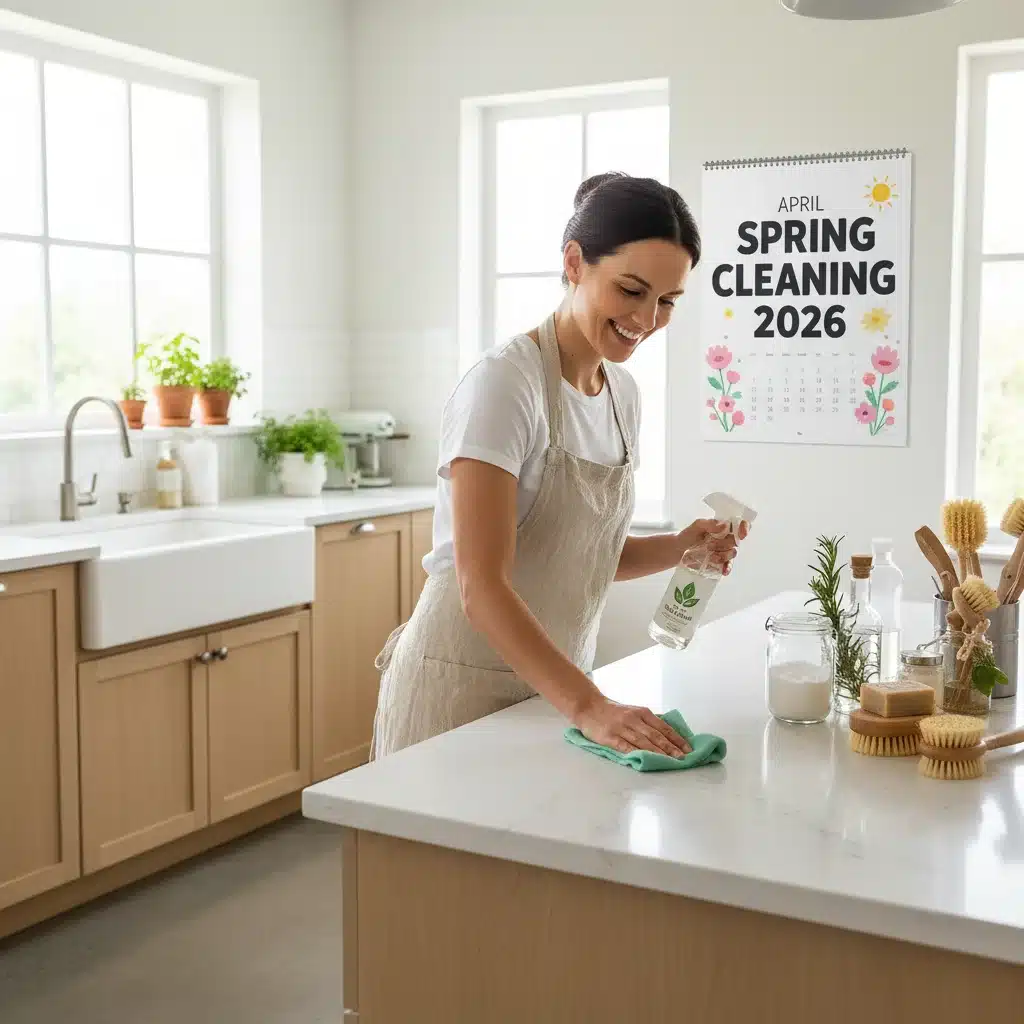
As the days grow longer and the first whispers of warmth touch the air, it’s time to cast off the winter blues and embrace the rejuvenating spirit of spring. For many, this means embarking on the annual ritual of spring cleaning. But in 2026, the focus isn’t just on making your home sparkle; it’s about doing so with a conscience. Welcome to the era of eco-friendly spring cleaning, a movement that prioritizes the health of our planet and our families.
Gone are the days when a clean home necessitated a cabinet full of harsh chemicals. Today, savvy homeowners are turning to sustainable alternatives that are just as effective, often more affordable in the long run, and significantly better for the environment. This comprehensive guide will walk you through 12 essential eco-friendly spring cleaning products that will not only help you refresh your home by April but also allow you to save approximately 10% on your cleaning supplies. Get ready to transform your living space into a sanctuary of cleanliness and sustainability!
The Rise of Eco-Friendly Spring Cleaning: Why Now More Than Ever?
The shift towards eco-friendly spring cleaning isn’t just a trend; it’s a vital evolution in how we care for our homes and the world around us. Consumers are increasingly aware of the environmental impact of traditional cleaning products, which often contain non-biodegradable ingredients, harsh chemicals that pollute waterways, and contribute to indoor air pollution. The health implications for humans and pets are also a significant concern, with exposure to certain chemicals linked to respiratory issues, skin irritations, and other long-term health problems.
By opting for eco-friendly spring cleaning solutions, you’re making a conscious choice to reduce your carbon footprint, support sustainable manufacturing practices, and create a healthier indoor environment. These products typically utilize plant-based ingredients, essential oils, and mineral-derived compounds that break down harmlessly in the environment. Moreover, many eco-friendly spring cleaning brands focus on refillable packaging, concentrated formulas, and minimal waste, further amplifying their positive impact. This year, make your spring cleaning routine a testament to your commitment to a greener future.
Understanding the Benefits of Sustainable Cleaning Products
Beyond the immediate environmental advantages, incorporating sustainable cleaning products into your home offers a myriad of benefits that extend to your wallet and well-being. Let’s delve into why making the switch to eco-friendly spring cleaning is a smart move for 2026 and beyond.
Healthier Indoor Air Quality
Traditional cleaning products often release volatile organic compounds (VOCs) and other harmful fumes into the air, contributing to poor indoor air quality. This can exacerbate allergies, asthma, and other respiratory conditions. Eco-friendly spring cleaning products, made with natural ingredients, significantly reduce the release of these irritants, leading to a fresher, safer home environment for everyone, especially children and pets.
Reduced Exposure to Harsh Chemicals
Many conventional cleaners contain corrosive or toxic chemicals that can cause skin burns, eye damage, and if ingested, serious internal harm. By choosing natural cleaning solutions, you minimize the risk of accidental exposure to these dangerous substances during your spring cleaning effort. This means less worry for parents and pet owners, and a safer experience for anyone handling the cleaning products.
Environmental Protection
The chemicals found in conventional cleaners often end up in our waterways, harming aquatic life and disrupting delicate ecosystems. Biodegradable eco-friendly spring cleaning products break down naturally, reducing their environmental impact. Furthermore, many brands are committed to sustainable sourcing of ingredients and ethical manufacturing practices, contributing to a healthier planet from start to finish.
Cost Savings in the Long Run
While some green cleaning products might have a slightly higher upfront cost, many are concentrated formulas that last longer, or come in refillable packaging, reducing the need for frequent repurchases. Over time, this can lead to significant savings. Moreover, avoiding harsh chemicals can extend the life of your home’s surfaces and appliances, preventing damage that might otherwise require costly repairs or replacements. This aspect is key to saving 10% on supplies during your spring cleaning preparations.
Support for Sustainable Businesses
By purchasing eco-friendly spring cleaning products, you’re supporting companies that prioritize environmental stewardship and ethical business practices. This encourages further innovation in sustainable product development and helps to drive the market towards a greener future. Your choices as a consumer have a powerful ripple effect.
12 Eco-Friendly Products for Your Spring Cleaning 2026 Checklist
Ready to make your home shine the sustainable way? Here are 12 essential eco-friendly spring cleaning products that will help you achieve a sparkling clean home while protecting the planet and your family’s health.
1. All-Purpose Concentrated Cleaner (Refillable)
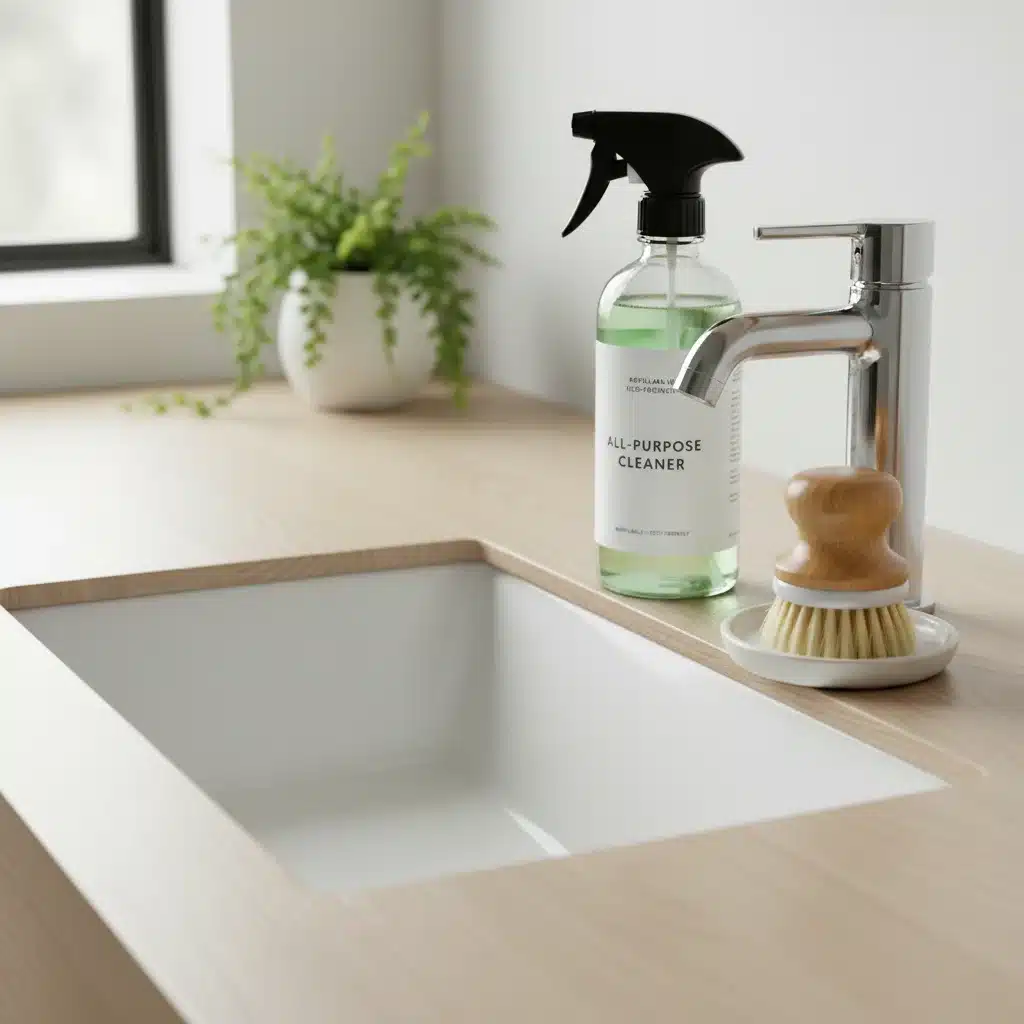
An absolute staple for any spring cleaning kit. Look for a plant-based, biodegradable formula that comes in a concentrated form with refillable bottles. This significantly reduces plastic waste and allows you to mix the cleaner as needed, ensuring you always have a fresh batch. Ideal for countertops, floors, walls, and general surface cleaning. Many brands offer delightful natural scents from essential oils.
2. White Vinegar
The humble white vinegar is a powerhouse in eco-friendly spring cleaning. Its acidic nature makes it excellent for cutting through grease, dissolving mineral deposits (like those in kettles or showerheads), and acting as a natural disinfectant. Mix with water for an all-purpose cleaner, use neat for tough stains, or add to your laundry for fabric softening and odor removal. It’s incredibly versatile and inexpensive.
3. Baking Soda (Bicarbonate of Soda)
Another kitchen cabinet hero, baking soda is a mild abrasive and a natural deodorizer. It’s perfect for scrubbing sinks, tubs, and tiles without scratching. Sprinkle it on carpets before vacuuming to absorb odors, or create a paste with water for tackling stubborn grime. Its gentle yet effective properties make it indispensable for your green spring cleaning.
4. Reusable Microfiber Cloths or Cellulose Sponges
Ditch disposable paper towels. High-quality reusable microfiber cloths are incredibly absorbent and can tackle most cleaning tasks with just water, reducing the need for chemical sprays. Cellulose sponges, made from wood pulp, are another excellent biodegradable option. Invest in a good set and wash them regularly to keep them hygienic and ready for your next sustainable home cleaning session.

5. Castile Soap
Made from vegetable oils, castile soap is a highly concentrated, biodegradable, and non-toxic soap that can be used for almost anything. From washing dishes and laundry to cleaning floors and even as a body wash, its versatility is unmatched. A small amount goes a long way, making it a cost-effective choice for your eco-friendly spring cleaning supplies.
6. Lemon Juice
Fresh lemon juice isn’t just for cooking; its natural acidity and pleasant scent make it a fantastic cleaner. Use it to brighten surfaces, remove rust stains, and deodorize your garbage disposal. Mixed with baking soda, it creates a fizzy, effective scrub for tough spots. It’s a natural bleach alternative and leaves a refreshing aroma, perfect for your spring cleaning refresh.
7. Oxygen Bleach (Sodium Percarbonate)
For tougher stains and whitening, oxygen bleach is a much safer and more environmentally friendly cleaning alternative to chlorine bleach. It releases oxygen when mixed with water, which helps to lift stains and brighten fabrics and surfaces without the harsh chemicals or strong fumes. Excellent for laundry, grout, and even outdoor furniture during your deep spring clean.
8. Essential Oils (Tea Tree, Lemon, Lavender)
While not cleaners themselves, essential oils add natural antimicrobial properties and delightful scents to your homemade cleaning solutions. Tea tree oil is known for its antibacterial and antifungal qualities, while lemon and lavender provide refreshing aromas. Add a few drops to your vinegar solutions, laundry, or even a diffuser to freshen up your home after an intense eco-friendly cleaning session.
9. Reusable Spray Bottles
Investing in durable, high-quality reusable spray bottles is crucial for zero-waste cleaning. You can fill them with your homemade solutions (like diluted vinegar or castile soap) or use them with concentrated cleaning tablets. Opt for glass or BPA-free plastic bottles to ensure longevity and avoid chemical leaching. This small change significantly reduces your plastic consumption during spring cleaning preparation.
10. Natural Scrub Brushes and Loofahs
Instead of plastic brushes that shed microplastics and end up in landfills, choose brushes made from natural fibers like bamboo, sisal, or coconut husks. These are biodegradable and often more durable. Natural loofahs can be used for scrubbing dishes or even as a gentle body exfoliator, making them a versatile addition to your sustainable home kit.
11. Wool Dryer Balls
Replace single-use dryer sheets with wool dryer balls. They reduce drying time, soften fabrics naturally, and decrease static cling without the use of harsh chemicals or synthetic fragrances. They are reusable for hundreds of loads, offering significant savings and a much greener laundry routine during your spring cleaning laundry tasks.
12. Microfiber Mop with Reusable Pads
For floor cleaning, a microfiber mop with reusable and washable pads is a far more eco-friendly cleaning tool than disposable wet wipes. These mops effectively trap dirt and grime using minimal water and often no cleaning solution at all, or just a simple mixture of water and a few drops of castile soap. They are durable, efficient, and a key component of a sustainable floor care strategy.
Maximizing Savings: How to Get 10% Off Your Spring Cleaning Supplies
Embracing eco-friendly spring cleaning doesn’t mean breaking the bank. In fact, with a bit of strategic planning, you can easily save around 10% on your supplies. Here’s how:
- Buy in Bulk: For staples like baking soda, white vinegar, and castile soap, purchasing larger quantities often comes with a lower per-unit price.
- DIY Cleaning Solutions: Many of the products listed (vinegar, baking soda, lemon juice, essential oils) can be combined to create effective, homemade cleaners that are significantly cheaper than store-bought specialty products.
- Invest in Reusables: While the initial cost of reusable cloths, sponges, and spray bottles might be slightly higher, they eliminate the continuous expense of disposables, leading to long-term savings.
- Seek Out Sales and Coupons: Keep an eye out for promotions from your favorite green cleaning brands. Many offer discounts around spring cleaning season.
- Loyalty Programs: Sign up for loyalty programs at stores that carry sustainable cleaning products. These often provide exclusive discounts and rewards.
- Concentrated Formulas: Opt for concentrated cleaners that you dilute yourself. These last much longer and require less packaging, translating to better value.
- Multi-Purpose Products: Focus on versatile products like castile soap or vinegar that can serve multiple functions, reducing the need to buy numerous specialized cleaners.
By implementing these strategies, your spring cleaning budget will thank you, and you’ll be contributing to a more sustainable consumption model.
A Step-by-Step Guide to Your Eco-Friendly Spring Cleaning Routine
Now that you have your arsenal of eco-friendly spring cleaning products, let’s outline a general routine to tackle your home efficiently and effectively. Remember to work from top to bottom, and from cleanest to dirtiest areas.
Phase 1: Declutter and Organize
Before any deep cleaning begins, decluttering is crucial. Go room by room, removing items you no longer need, use, or love. Donate, recycle, or responsibly dispose of unwanted items. Organize what remains, ensuring everything has a designated place. This step alone can make your home feel significantly lighter and cleaner, setting the stage for your sustainable spring cleaning.
Phase 2: Dusting and Wiping
Start from the highest points in each room: ceiling fans, light fixtures, and tops of cabinets. Use a damp reusable microfiber cloth to trap dust rather than just scattering it. Wipe down walls, baseboards, and window sills. Don’t forget often-overlooked areas like door frames and light switches. For glass and mirrors, a microfiber cloth with just water, or a vinegar/water solution, will leave a streak-free shine.
Phase 3: Kitchen Deep Clean
The kitchen often requires the most attention during spring cleaning. Tackle the oven with a baking soda paste. Clean out the refrigerator and pantry, discarding expired items and wiping down shelves with an all-purpose cleaner. Disinfect countertops, sink, and backsplash with your chosen eco-friendly disinfectant. Don’t forget to clean the microwave and dishwasher.
Phase 4: Bathroom Blitz
Use baking soda and vinegar for scrubbing tubs, showers, and toilets. A castile soap solution works wonders on sinks and countertops. Tackle grout with an oxygen bleach paste. Ensure good ventilation while cleaning. Polish chrome fixtures with a lemon half to remove water spots. Your eco-friendly bathroom cleaning will leave it sparkling without harsh fumes.
Phase 5: Laundry and Linens
Wash all curtains, throw blankets, and cushion covers. Launder bedding, including mattress protectors and pillow shams. Use your eco-friendly laundry detergent and wool dryer balls for a fresh, chemical-free finish. This is also a great time to deep clean your washing machine by running an empty hot cycle with a cup of vinegar and a half cup of baking soda.
Phase 6: Floors and Carpets
Vacuum all carpets and rugs, potentially sprinkling baking soda first for odor absorption. For hard floors, use your microfiber mop with a diluted castile soap or all-purpose cleaner solution. Pay attention to corners and under furniture. If you have area rugs, consider taking them outside for a good shake and airing. This final step brings the whole eco-friendly home refresh together.
Beyond Products: Adopting a Sustainable Cleaning Mindset
While the right products are essential for eco-friendly spring cleaning, true sustainability comes from adopting a holistic mindset. Here are additional tips to integrate into your routine:
- Ventilate Regularly: Open windows while cleaning to allow fresh air in and cycle out any lingering indoor pollutants, even from natural products.
- Read Labels: Always check product labels for certifications like EPA Safer Choice, Leaping Bunny (cruelty-free), or USDA Organic to ensure they align with your values.
- Reduce Waste: Think about the entire lifecycle of your cleaning products. Can you buy in bulk? Are the containers recyclable or compostable? Can you make your own?
- Maintain Regularly: Regular, light cleaning prevents the need for intense, resource-heavy deep cleans. A little daily effort goes a long way.
- Educate Yourself: Stay informed about new sustainable cleaning innovations and practices. The industry is constantly evolving.
- Compost Food Scraps: A clean home extends to responsible waste management. Consider composting food scraps to reduce landfill waste.
- Grow Indoor Plants: Certain houseplants can help purify indoor air naturally, complementing your eco-friendly cleaning efforts.
By integrating these practices, you’re not just cleaning your home; you’re cultivating a lifestyle that respects both your health and the planet. This April, let your Spring Cleaning 2026 be a powerful statement of your commitment to sustainability.
Conclusion: A Brighter, Greener Home for 2026
As we wrap up our guide to eco-friendly spring cleaning, it’s clear that the path to a sparkling clean home doesn’t have to come at the expense of our planet or our health. By choosing the 12 essential products highlighted – from versatile white vinegar and baking soda to innovative concentrated cleaners and reusable tools – you’re making a conscious decision to embrace sustainability.
This Spring Cleaning 2026, refresh your home with confidence, knowing that each scrub, wipe, and polish contributes to a healthier indoor environment and a greener world. Not only will you achieve a beautifully clean space, but you’ll also enjoy the satisfaction of knowing you’ve saved approximately 10% on your supplies by making smart, sustainable choices. So, gather your eco-friendly cleaning arsenal, open those windows, and let the fresh air and the spirit of renewal transform your home into a testament to sustainable living. Happy cleaning!