Navigating the 2026 US Consumer Journey: From Awareness to Advocacy
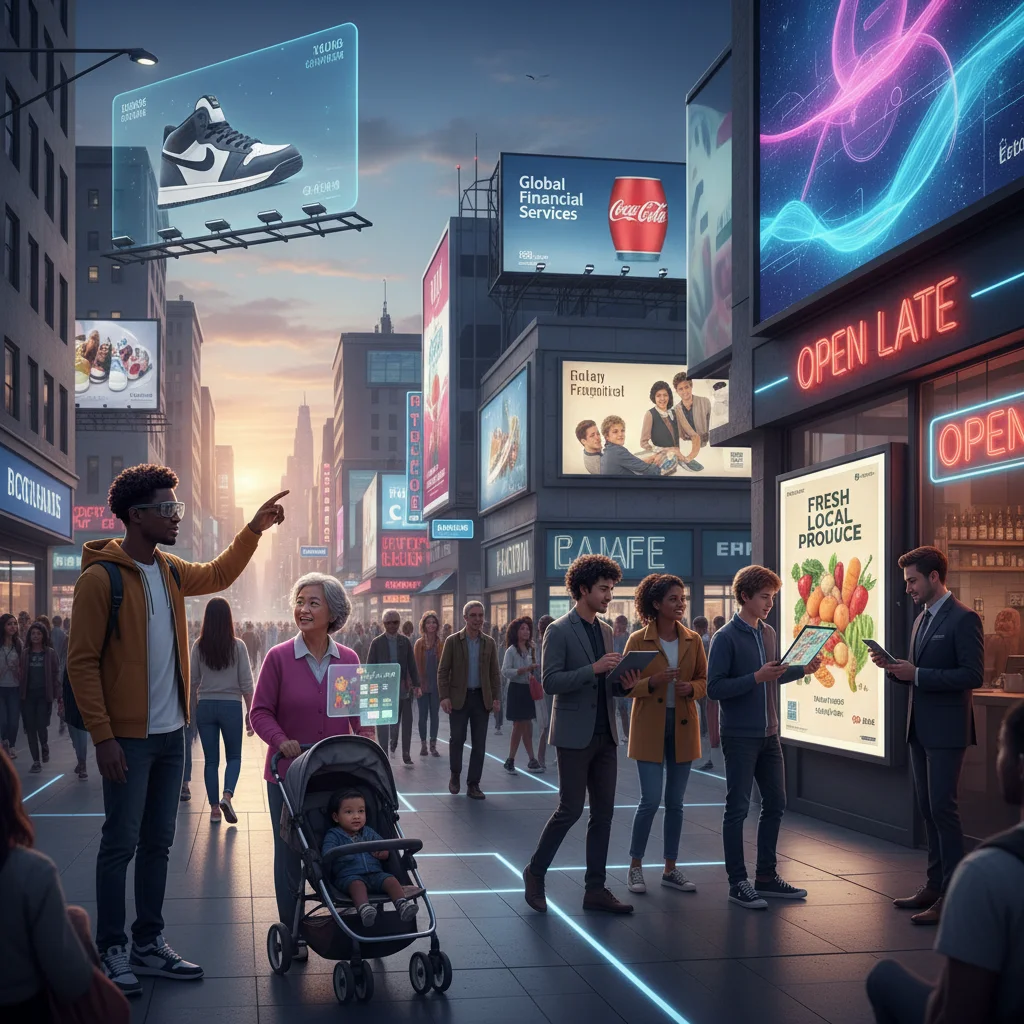
The landscape of consumer behavior is in constant flux, a dynamic tapestry woven with threads of technological advancement, shifting societal values, and ever-evolving expectations. As we peer into 2026, the US consumer journey is poised to be more intricate and personalized than ever before. Businesses that wish to thrive in this rapidly changing environment must not only understand this journey but also anticipate its nuances, adapting their strategies to meet consumers at every touchpoint, from the initial spark of awareness to the ultimate embrace of advocacy. This comprehensive exploration delves into the multifaceted aspects of the US consumer journey 2026, offering insights and actionable strategies for brands aiming to forge lasting connections.
The Evolving Consumer Landscape: A Glimpse into 2026
Before dissecting the journey itself, it’s crucial to understand the foundational shifts shaping the US consumer landscape in 2026. Digital natives, now fully integrated into the workforce and holding significant purchasing power, are setting new standards for engagement. Their expectations for instant gratification, seamless experiences, and authentic brand interactions are pushing businesses to innovate at an unprecedented pace. Furthermore, the echoes of recent global events continue to resonate, fostering a heightened sense of social consciousness and a demand for transparency and ethical practices from the brands they choose to support.
The proliferation of new technologies, such as advanced AI, augmented reality (AR), and virtual reality (VR), is not just changing how consumers interact with products and services, but also how they discover, evaluate, and ultimately decide on purchases. Personalized experiences, once a luxury, are fast becoming a baseline expectation. Consumers are increasingly willing to share data in exchange for tailored recommendations and bespoke services, but only if they trust the brand with their information. This delicate balance between personalization and privacy will be a defining characteristic of the US consumer journey in 2026.
Moreover, the rise of the creator economy and the decentralization of information sources mean that consumers are less reliant on traditional advertising channels. Peer reviews, influencer recommendations, and user-generated content hold significant sway, often outweighing professionally produced marketing materials. This necessitates a shift in marketing strategies, moving from broadcast messaging to more authentic, community-driven approaches that foster genuine connections and build trust.
Stage 1: Awareness – Capturing Attention in a Crowded Digital World
The first step in the US consumer journey 2026 remains awareness, but the methods by which brands capture attention have undergone a radical transformation. In a world saturated with information, cutting through the noise requires more than just a catchy slogan or a well-placed ad. It demands strategic visibility, authentic storytelling, and a deep understanding of where and how target consumers spend their time.
The Power of Search and Discovery
Search engines remain a primary gateway to awareness. However, the nature of search is evolving beyond simple keyword queries. Voice search, visual search, and AI-powered recommendations are becoming increasingly prevalent. Brands must optimize their content for these diverse search modalities, ensuring their products and services are discoverable regardless of how consumers initiate their search. This includes rich snippets, schema markup, and engaging multimedia content that can be easily indexed and understood by AI algorithms.
Social Media: Beyond Likes and Shares
Social media platforms continue to be critical for brand awareness, but the focus has shifted from vanity metrics to meaningful engagement. Short-form video content, interactive live streams, and community-building initiatives are proving more effective than static posts. Brands that empower users to create and share content related to their products, or that collaborate with micro-influencers who resonate authentically with specific niches, will gain a significant advantage in cultivating awareness along the US consumer journey.
Experiential Marketing and Immersive Technologies
In 2026, awareness isn’t just about seeing a brand; it’s about experiencing it. Augmented reality (AR) filters, virtual try-on experiences, and interactive brand activations allow consumers to engage with products in novel and memorable ways, even before they consider a purchase. These immersive experiences create a stronger emotional connection and leave a lasting impression, significantly boosting brand recall and initial interest. Think of an AR app that lets you visualize furniture in your home or a VR experience that transports you to a travel destination before booking.
Stage 2: Consideration – Building Trust and Value
Once a consumer is aware of a brand or product, the next critical step in the US consumer journey 2026 is consideration. This stage is characterized by active research, comparison, and evaluation. Consumers are not just looking for features; they are seeking solutions, value, and alignment with their personal values. Trust is paramount here, and brands must provide ample evidence of their credibility and the tangible benefits they offer.
Content is King, Context is Queen
High-quality, informative content is essential for guiding consumers through the consideration phase. This includes detailed product descriptions, comprehensive buying guides, expert reviews, and educational blog posts. However, in 2026, the context in which this content is delivered is equally important. Personalized content recommendations, delivered at the right moment through the preferred channel, can significantly influence a consumer’s decision-making process. AI-driven content personalization engines will play a crucial role in delivering relevant information to individual consumers.
The Power of Peer Reviews and User-Generated Content
Consumers in 2026 place immense trust in the opinions of their peers. Online reviews, testimonials, and user-generated content (UGC) are more influential than ever. Brands must actively encourage and facilitate the collection of authentic reviews, responding thoughtfully to both positive and negative feedback. Showcasing UGC on websites and social media platforms not only builds trust but also provides social proof that can sway undecided buyers. This organic validation is a cornerstone of the modern US consumer journey.
Transparent and Ethical Practices
Ethical sourcing, sustainable practices, and corporate social responsibility are no longer niche concerns; they are mainstream expectations. Consumers in 2026 are more likely to consider brands that demonstrate a genuine commitment to these values. Transparency in supply chains, fair labor practices, and environmental stewardship can significantly enhance a brand’s appeal during the consideration phase. Brands that are upfront about their values and actions will foster a deeper connection with conscientious consumers.
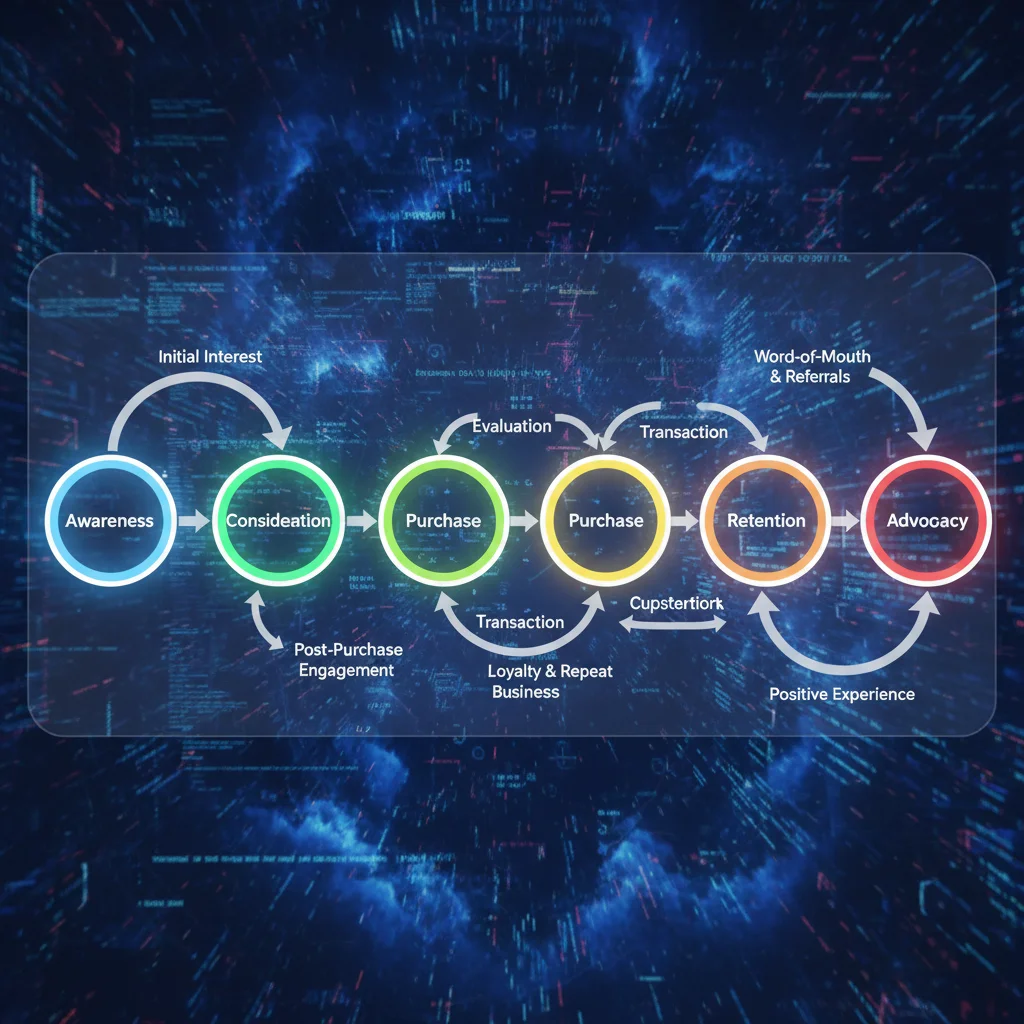
Stage 3: Purchase – Seamless Transactions and Instant Gratification
The purchase stage of the US consumer journey 2026 is all about minimizing friction and maximizing convenience. Consumers expect seamless transactions, secure payment options, and swift fulfillment. Any hurdle in this process can lead to abandoned carts and lost sales. The focus here is on creating an effortless path to conversion.
Optimized E-commerce Experiences
E-commerce platforms must be intuitive, fast, and mobile-responsive. One-click purchasing, guest checkout options, and a variety of secure payment methods (including digital wallets and cryptocurrencies for some demographics) are essential. Personalized product recommendations at checkout, based on browsing history or past purchases, can also increase average order value. The entire digital storefront must be designed for speed and efficiency, reflecting the consumer’s demand for instant gratification.
Flexible Fulfillment and Delivery Options
In 2026, consumers expect flexibility in how and when they receive their purchases. Options such as same-day delivery, curbside pickup, and subscription-based reordering are becoming standard. Brands must invest in robust logistics and supply chain management to meet these diverse fulfillment demands. Clear communication about shipping times and tracking information is also critical for managing expectations and building confidence during the purchase phase of the US consumer journey.
Personalized Customer Support
Even with the most streamlined processes, questions or issues can arise during the purchase. Accessible and efficient customer support, available through multiple channels (chatbots, live chat, phone, social media), is vital. AI-powered chatbots can handle routine inquiries, freeing up human agents to address more complex issues, ensuring a positive experience even when problems occur.
Stage 4: Retention – Nurturing Loyalty Beyond the Sale
The purchase is not the end of the US consumer journey 2026; it’s merely the beginning of a deeper relationship. Retention strategies are paramount for long-term success, transforming one-time buyers into repeat customers. This stage focuses on post-purchase engagement, value delivery, and proactive problem-solving.
Exceptional Post-Purchase Experience
The experience doesn’t end when the package arrives. Follow-up communication, easy access to product support, and clear return policies contribute significantly to customer satisfaction. Brands can leverage AI to analyze post-purchase feedback and proactively address potential issues, turning a potentially negative experience into an opportunity to build trust. This proactive approach to customer service is a hallmark of successful retention in 2026.
Personalized Communication and Offers
Maintaining engagement requires personalized communication that goes beyond generic newsletters. Tailored product recommendations, exclusive offers based on past purchases, and early access to new releases can make customers feel valued and understood. Loyalty programs that offer tangible benefits and unique experiences are also highly effective in fostering repeat business. The goal is to make each customer feel like an individual, not just another transaction.
Building Community and Connection
Beyond transactional interactions, brands can foster loyalty by building communities around their products or values. Online forums, exclusive social media groups, and customer events create a sense of belonging and allow customers to connect with each other and with the brand. This community aspect strengthens the emotional bond, making customers less likely to switch to competitors. This communal aspect is a powerful driver of retention in the modern US consumer journey.
Stage 5: Advocacy – Turning Customers into Brand Evangelists
The pinnacle of the US consumer journey 2026 is advocacy. This is where satisfied customers become enthusiastic proponents of a brand, actively recommending it to others and defending its reputation. Advocates are invaluable, as their endorsements carry more weight than any paid advertising.
Empowering Customer Voices
Brands must actively encourage and facilitate customer advocacy. This includes making it easy for satisfied customers to share their experiences on social media, write reviews, or participate in referral programs. Providing incentives for advocacy, such as discounts or exclusive access, can further motivate customers to spread positive word-of-mouth. The key is to empower customers to be brand storytellers.
Listening and Responding to Feedback
Advocacy is a two-way street. Brands must not only encourage positive feedback but also actively listen to and respond to all customer input, both positive and negative. Addressing concerns promptly and transparently demonstrates a commitment to customer satisfaction, which can turn even a critical customer into an advocate. Acknowledging and acting on customer feedback reinforces the idea that their opinions matter.
Creating Shareable Experiences
To inspire advocacy, brands need to consistently deliver exceptional and shareable experiences. This could be anything from innovative product features to outstanding customer service or a strong alignment with social causes. When a brand consistently exceeds expectations, customers are naturally inclined to share their positive experiences with their networks, completing the full circle of the US consumer journey.
Key Technologies Shaping the 2026 US Consumer Journey
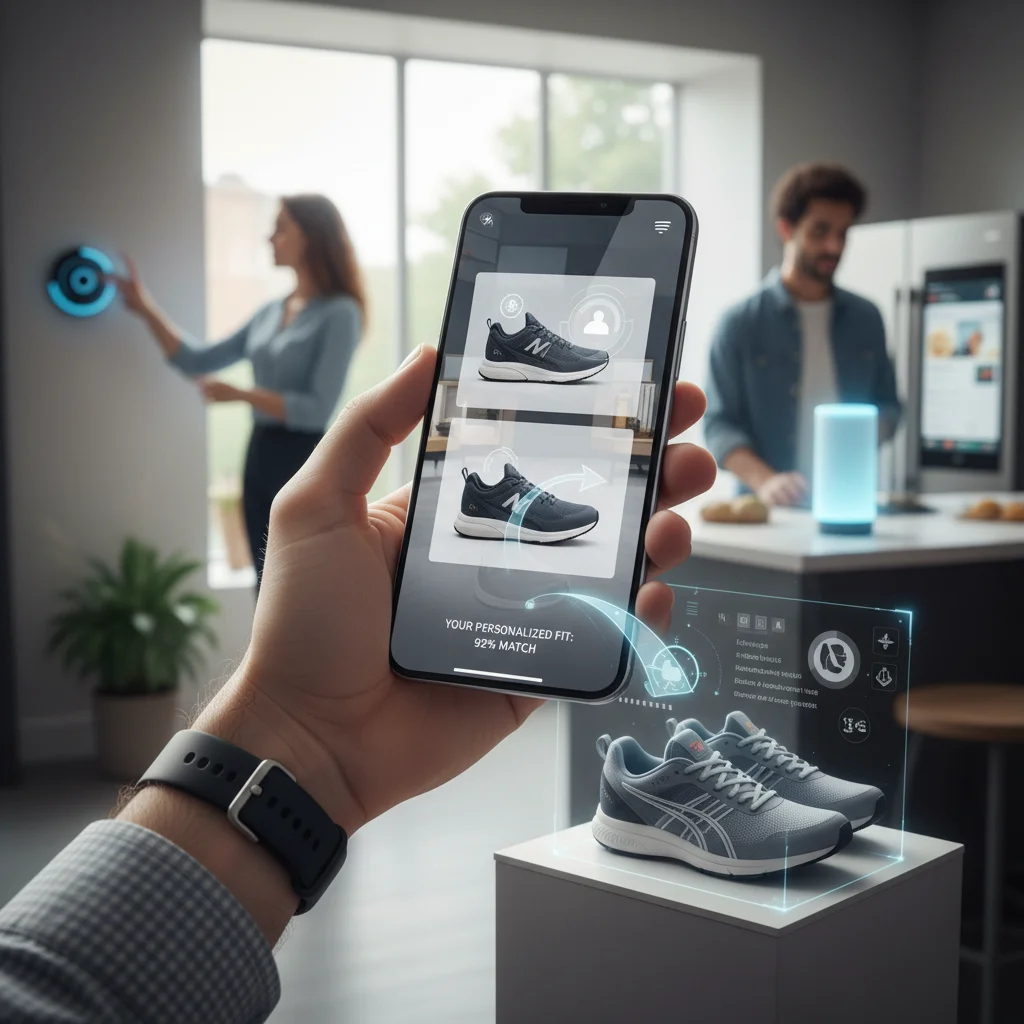
The seamless progression from awareness to advocacy in 2026 is heavily underpinned by technological advancements. Understanding these technologies is not just about keeping up; it’s about leveraging them to craft superior consumer experiences.
Artificial Intelligence (AI) and Machine Learning (ML)
AI and ML are the silent engines driving personalization, predictive analytics, and automated customer service. From recommending products based on past behavior to optimizing website layouts for individual users, AI ensures that every interaction is tailored. Chatbots powered by advanced natural language processing (NLP) provide instant, intelligent support, guiding consumers through their journey with minimal friction. These technologies enable brands to understand consumer intent and preferences at an unprecedented level, allowing for hyper-personalized interactions throughout the US consumer journey 2026.
Augmented Reality (AR) and Virtual Reality (VR)
AR and VR are transforming how consumers discover and consider products. AR apps allow users to virtually try on clothes, place furniture in their homes, or test out makeup shades, bridging the gap between online browsing and physical interaction. VR offers immersive brand experiences, transporting consumers to virtual showrooms or enabling them to explore travel destinations before booking. These technologies create memorable, interactive touchpoints that significantly enhance the awareness and consideration phases, making the US consumer journey more engaging.
Data Analytics and Customer Data Platforms (CDPs)
The ability to collect, analyze, and act on vast amounts of customer data is crucial. CDPs aggregate data from various sources – website visits, social media interactions, purchase history, customer service inquiries – to create a unified, 360-degree view of each customer. This holistic understanding enables brands to segment audiences effectively, personalize communications, and anticipate future needs, thereby optimizing every stage of the US consumer journey. Without robust data infrastructure, personalization at scale would be impossible.
Blockchain and Decentralized Trust
While still emerging in consumer applications, blockchain technology holds promise for enhancing transparency and trust. It can be used to verify product authenticity, track supply chains, and even manage customer loyalty programs in a secure and immutable way. For consumers increasingly concerned about data privacy and ethical sourcing, blockchain could provide the verifiable proof they seek, solidifying trust during the consideration and retention phases of the US consumer journey 2026.
Challenges and Opportunities for Businesses in 2026
Navigating the US consumer journey 2026 is not without its challenges. The rapid pace of technological change, the constant evolution of consumer expectations, and the increasing demand for ethical practices require businesses to be agile and forward-thinking.
Data Privacy and Trust
With greater personalization comes greater responsibility regarding data privacy. Brands must be transparent about how they collect and use customer data, offering clear opt-in and opt-out options. Building and maintaining consumer trust in data handling will be a significant competitive differentiator. A single data breach can severely damage a brand’s reputation and derail the entire US consumer journey for affected individuals.
Maintaining Authenticity at Scale
As brands grow, maintaining authenticity and a personal touch can become challenging. Automation and AI are powerful tools, but they must be balanced with genuine human interaction when necessary. Consumers can detect inauthentic interactions, and a perceived lack of sincerity can quickly erode trust. The challenge lies in scaling personalized experiences without losing the human element that fosters true connection.
Adapting to New Platforms and Technologies
The digital landscape is constantly shifting, with new platforms and technologies emerging regularly. Businesses must be prepared to experiment, learn, and adapt their strategies to leverage these innovations effectively. A static approach will quickly render a brand irrelevant in the fast-paced US consumer journey in 2026. Continuous learning and iterative development are key.
The Opportunity for Deep Connection
Despite these challenges, the evolving US consumer journey 2026 presents immense opportunities. Brands that genuinely understand their customers, embrace technology responsibly, and commit to ethical practices can build deeper, more meaningful connections than ever before. By focusing on delivering exceptional value at every stage, from the initial spark of awareness to the ultimate expression of advocacy, businesses can cultivate a loyal customer base that not only purchases but also champions their brand. This deep connection translates into sustainable growth and resilience in a competitive market.
Conclusion: Mastering the US Consumer Journey in 2026
The US consumer journey 2026 is a complex, non-linear path influenced by a myriad of digital touchpoints, personal values, and technological innovations. From the moment a consumer becomes aware of a brand to the point where they become its most ardent advocate, every interaction holds significant weight. Businesses that prioritize personalization, transparency, ethical practices, and seamless experiences across all stages will be best positioned for success.
By leveraging advanced analytics, AI, and immersive technologies, brands can gain unparalleled insights into consumer behavior, allowing them to anticipate needs and deliver tailored solutions. The focus should always be on building trust, fostering genuine connections, and consistently exceeding expectations. In the dynamic market of 2026, understanding and adapting to the evolving US consumer journey will not just be a competitive advantage; it will be a prerequisite for survival and sustained growth. The brands that master this journey will not only win customers but also cultivate a powerful community of advocates who champion their mission and values for years to come.