Personalization in 2026: Why 70% of US Consumers Expect Tailored Shopping Experiences
Personalization in 2026: Why 70% of US Consumers Expect Tailored Shopping Experiences
The Future is Now: Meeting Evolving Consumer Personalization Expectations
In the relentlessly evolving landscape of modern commerce, consumer expectations are not just rising; they are transforming at an unprecedented pace. The days of one-size-fits-all marketing and generic shopping experiences are rapidly fading into obsolescence. A pivotal shift is underway, one that demands the immediate attention of every business, regardless of its size or industry. By 2026, a staggering 70% of US consumers will not merely appreciate but actively expect highly personalized shopping experiences. This isn’t a mere prediction; it’s a fundamental recalibration of what constitutes satisfactory customer engagement. Understanding and adapting to these escalating consumer personalization expectations is no longer a competitive advantage; it is a prerequisite for survival and growth. This comprehensive guide will delve deep into the forces driving this monumental shift, explore the implications for businesses, and provide actionable strategies to not only meet but exceed these future demands.
The Irreversible Tide of Consumer Personalization Expectations
The statistic – 70% of US consumers expecting personalization by 2026 – represents a seismic shift in consumer behavior and psychology. What was once considered a luxury or a ‘nice-to-have’ is now rapidly becoming a fundamental expectation. But what exactly is driving this irreversible tide of consumer personalization expectations? Several interconnected factors are at play, each contributing to a more discerning and demanding consumer base.
The Digital Tsunami and Data Deluge
The proliferation of digital technologies has fundamentally altered how consumers interact with brands. From social media platforms to e-commerce sites, mobile apps, and streaming services, consumers are constantly generating vast amounts of data. This data, when harnessed effectively, provides an incredibly rich tapestry of individual preferences, behaviors, and needs. Consumers are increasingly aware that brands possess this data, and they logically expect it to be used to enhance their experience, not just to bombard them with irrelevant ads. The digital tsunami has led to a data deluge, and with it, the expectation that brands will leverage this information intelligently.
The Amazon Effect: Raising the Bar
Companies like Amazon have set an incredibly high bar for personalized experiences. Their sophisticated recommendation engines, personalized marketing communications, and seamless user journeys have conditioned consumers to expect similar levels of tailored attention from every brand they interact with. When a consumer experiences hyper-personalization from one industry leader, their expectations for all other brands naturally elevate. This ‘Amazon Effect’ has created a new baseline for consumer personalization expectations across the entire market.
The Quest for Relevance and Efficiency
In an age of information overload, consumers are actively seeking relevance. They have less patience for generic content, irrelevant product suggestions, or impersonal interactions. Personalization cuts through the noise, offering products, services, and communications that directly align with an individual’s needs and interests. This focus on relevance translates into efficiency for the consumer – less time wasted sifting through irrelevant options, and more time spent engaging with valuable content and products. This efficiency is a powerful driver of satisfaction and loyalty.
The Power of Choice and Control
Modern consumers are empowered. They have an unprecedented array of choices at their fingertips and are not afraid to switch brands if their expectations are not met. Personalization, when done right, gives consumers a sense of control. It makes them feel seen, heard, and understood, fostering a deeper connection with the brand. The ability to customize experiences, receive tailored offers, and dictate communication preferences all contribute to this sense of empowerment, further fueling consumer personalization expectations.
Defining Personalization in the Context of 2026
Before diving into strategies, it’s crucial to define what ‘personalization’ truly means in the context of 2026. It’s far more than just addressing a customer by their first name in an email. True personalization is a holistic, dynamic, and empathetic approach that permeates every touchpoint of the customer journey.
- Contextual Relevance: Delivering the right message, offer, or product at the right time, based on the customer’s current situation, location, and past interactions.
- Predictive Analytics: Utilizing data to anticipate future needs and preferences, offering proactive solutions before the customer even articulates them.
- Cross-Channel Consistency: Ensuring a seamless and personalized experience across all channels – online, offline, mobile, social, and in-store.
- Dynamic Content: Website content, app interfaces, and marketing materials that adapt in real-time to individual user profiles and behaviors.
- Empathetic Engagement: Understanding and responding to customer emotions, preferences, and feedback to build genuine connections.
- Individualized Journeys: Recognizing that each customer’s path is unique and adapting the journey to their specific needs and progression.
This nuanced understanding of personalization is critical for businesses aiming to meet the sophisticated consumer personalization expectations of the near future.
The Business Imperative: Why Personalization Can’t Be Ignored
Ignoring the rising tide of consumer personalization expectations is a perilous gamble. Businesses that fail to adapt risk not just losing market share but becoming entirely irrelevant. The imperative to personalize is driven by several key business outcomes:
Increased Customer Loyalty and Retention
Personalized experiences foster a sense of loyalty. When customers feel understood and valued, they are more likely to return. Studies consistently show that loyal customers spend more, are less price-sensitive, and are more likely to advocate for the brand. In a competitive market, retention is often more cost-effective than acquisition, making personalization a cornerstone of sustainable growth.
Higher Conversion Rates and Revenue Growth
Relevant product recommendations, tailored offers, and personalized content directly lead to higher conversion rates. When customers are presented with exactly what they’re looking for, or even what they didn’t know they needed, they are more likely to make a purchase. This direct impact on sales translates into significant revenue growth, making the investment in personalization a clear ROI driver.
Enhanced Customer Lifetime Value (CLTV)
By increasing loyalty and conversion, personalization inherently boosts Customer Lifetime Value. A customer who consistently receives relevant and valuable experiences will spend more over their lifetime with a brand, creating a more robust and predictable revenue stream.
Improved Brand Perception and Differentiation
In a crowded marketplace, personalization serves as a powerful differentiator. Brands that excel at delivering tailored experiences stand out from the competition. This not only attracts new customers but also cultivates a positive brand image, positioning the company as customer-centric and innovative. Meeting consumer personalization expectations elevates brand perception.
Reduced Marketing Waste and Increased Efficiency
Generic marketing campaigns often result in wasted resources, reaching audiences who have no interest in the product or service. Personalization allows for more precise targeting, ensuring that marketing efforts are directed towards the most receptive audiences. This reduces ad spend waste, increases campaign effectiveness, and optimizes overall marketing efficiency.
Strategies for Meeting 2026 Consumer Personalization Expectations
Meeting the sophisticated consumer personalization expectations of 2026 requires a multi-faceted approach, integrating technology, data, and a deep understanding of customer psychology. Here are key strategies:
1. Embrace a Data-Driven Culture
At the heart of effective personalization lies data. Businesses must cultivate a data-driven culture, where data collection, analysis, and application are central to decision-making. This involves:
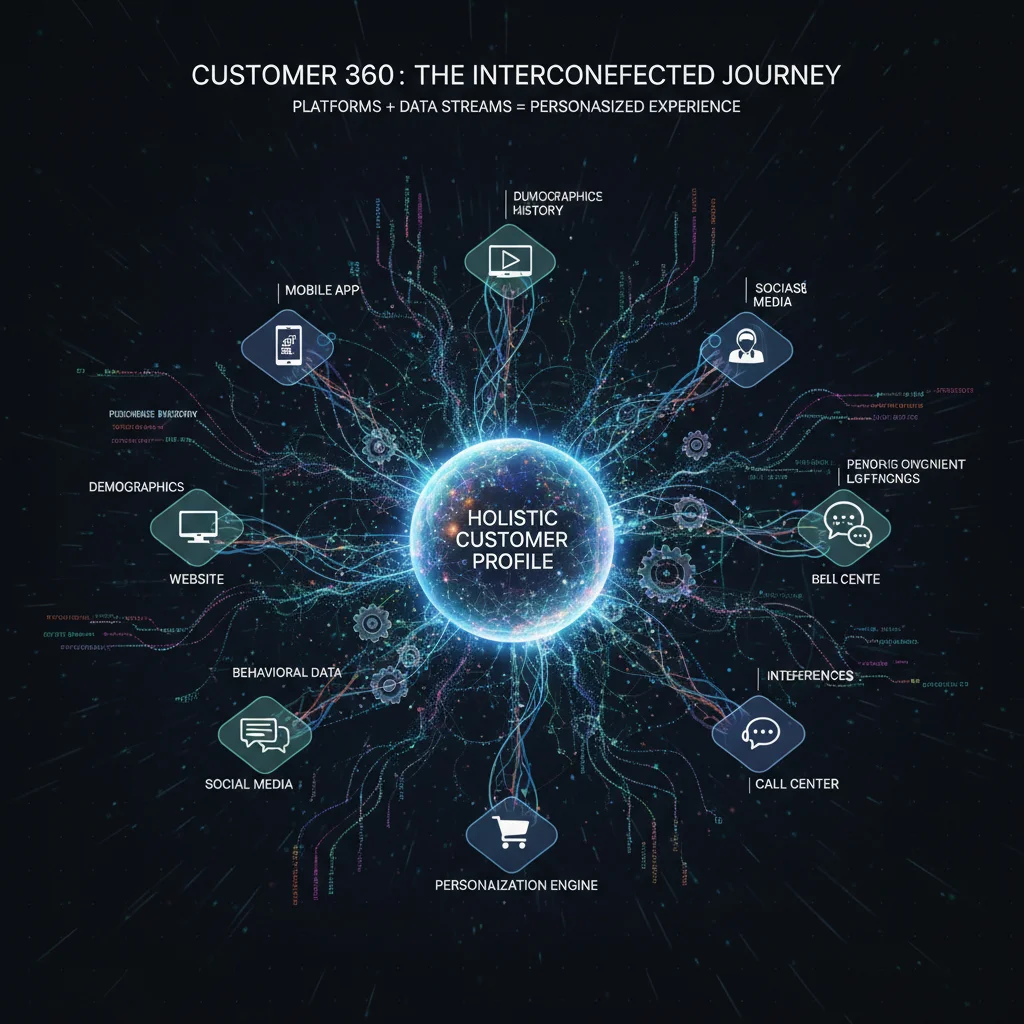
- Unified Customer Profiles: Break down data silos. Create a single, comprehensive view of each customer by integrating data from all touchpoints – website visits, purchase history, social media interactions, customer service calls, email engagement, and in-store behavior.
- Advanced Analytics: Move beyond basic reporting. Invest in advanced analytics, including machine learning and AI, to uncover patterns, predict behavior, and segment customers dynamically.
- Ethical Data Handling: Transparency and trust are paramount. Clearly communicate how customer data is collected and used, and offer clear opt-out options. Adhere to all relevant data privacy regulations (e.g., GDPR, CCPA).
2. Leverage AI and Machine Learning
AI and machine learning are no longer futuristic concepts; they are essential tools for scaling personalization. These technologies can process vast amounts of data, identify complex patterns, and make real-time decisions that are impossible for humans alone. Key applications include:
- Recommendation Engines: Powering personalized product suggestions on e-commerce sites, content recommendations on streaming platforms, and tailored service offerings.
- Dynamic Pricing: Adjusting prices in real-time based on individual customer behavior, demand, and competitor pricing.
- Predictive Personalization: Anticipating customer needs and proactively offering solutions, such as suggesting a repurchase based on past consumption patterns or offering relevant accessories for a recently purchased item.
- Personalized Search: Tailoring search results based on individual browsing history, preferences, and intent.
3. Personalize Across All Touchpoints
True personalization is not confined to a single channel. It must be consistent and coherent across every interaction point a customer has with your brand.
- Website & App Personalization: Dynamic homepage layouts, personalized content blocks, tailored navigation, and individualized offers based on real-time behavior.
- Email & Messaging Personalization: Beyond just names, personalize subject lines, content, product recommendations, and call-to-actions based on browsing history, purchase behavior, and lifecycle stage.
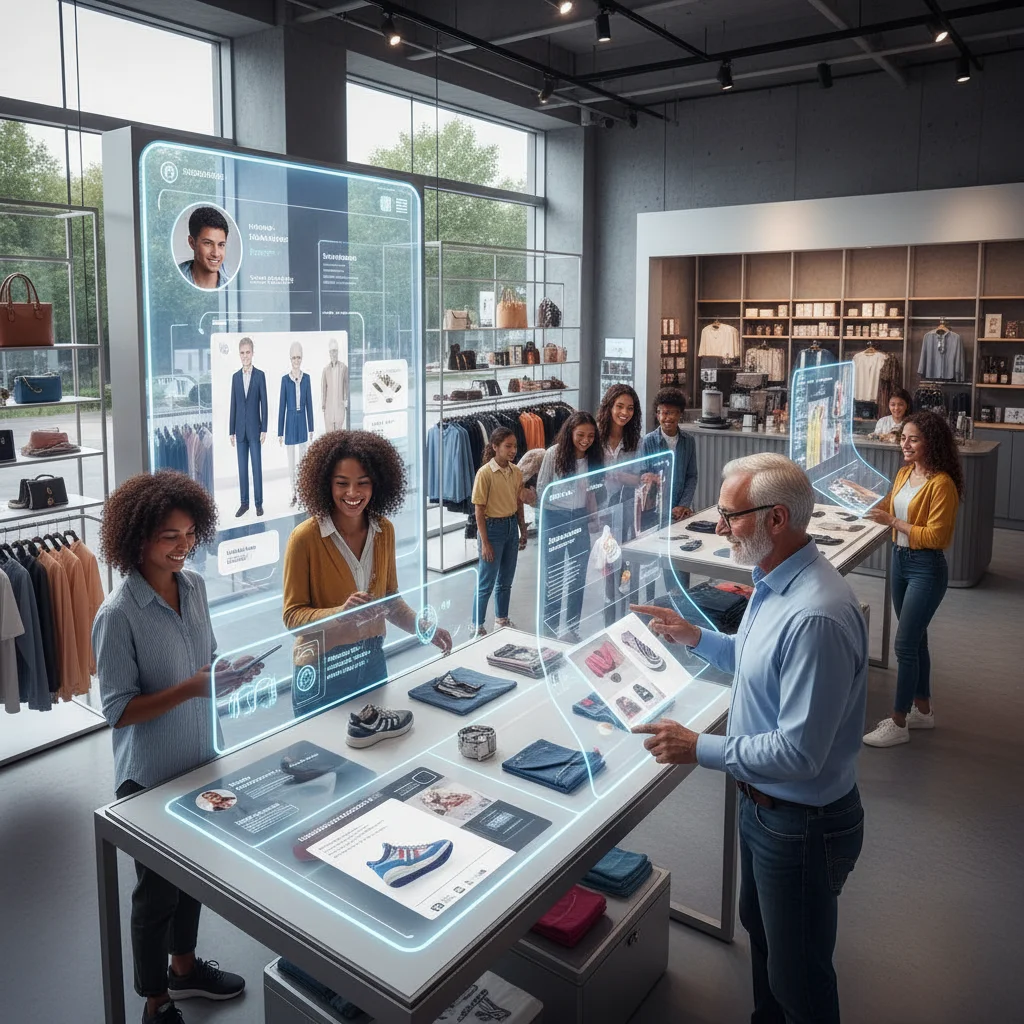
- In-Store Personalization: Integrating digital data with physical experiences. This can include store associates having access to customer profiles (with consent), personalized in-store promotions via beacons, or interactive displays that remember past interactions.
- Customer Service Personalization: Equipping service agents with a complete view of the customer’s history and preferences to provide faster, more relevant, and empathetic support.
4. Implement Real-Time Personalization
The speed of interaction is crucial. Consumers expect immediate relevance. Real-time personalization involves dynamically adapting the customer experience as events unfold. This could mean:
- Changing website content based on a user’s current search query or recently viewed product.
- Sending a personalized offer based on an abandoned cart within minutes.
- Adjusting product recommendations as a customer adds items to their cart.
This immediate responsiveness significantly enhances engagement and conversion rates, directly addressing heightened consumer personalization expectations.
5. Empower Customers with Control
While personalization is about understanding customers, it’s equally about empowering them. Give customers control over their personalization experience:
- Preference Centers: Allow customers to explicitly state their preferences for product categories, communication frequency, and types of offers.
- Opt-Out Options: Provide clear and easy ways for customers to opt-out of certain types of personalization or data collection.
- Feedback Mechanisms: Solicit feedback on personalized recommendations or experiences to continuously refine your approach.
This transparency builds trust and makes personalization a collaborative effort, rather than a clandestine operation.
6. Focus on Micro-Segmentation and Individualization
Gone are the days of broad demographic segmentation. The future of personalization lies in micro-segmentation, where customer groups are defined by highly specific behaviors, needs, and preferences. Ultimately, the goal is individualization – treating each customer as a segment of one. This requires sophisticated data analysis to identify these granular segments and tailor experiences accordingly, effectively catering to diverse consumer personalization expectations.
The Challenges and Pitfalls to Avoid
While the benefits of meeting consumer personalization expectations are clear, implementing effective personalization is not without its challenges. Businesses must navigate these carefully:
Data Privacy and Trust
The biggest pitfall is breaching customer trust. Mishandling data, being opaque about data practices, or using data in ways that feel intrusive can severely damage brand reputation. Personalization must always be a value exchange, where the customer receives a better experience in return for their data.
Data Silos and Integration Issues
Many organizations struggle with fragmented data across different systems. Without a unified customer view, true personalization is impossible. Investing in robust Customer Data Platforms (CDPs) and integration tools is crucial.
Over-Personalization vs. Under-Personalization
There’s a fine line between helpful personalization and creepy over-personalization. Bombarding customers with too many recommendations, or showing them items they’ve already purchased, can be off-putting. Conversely, under-personalization leads to generic experiences that fail to meet expectations. Finding the right balance requires continuous testing and refinement.
Technological Complexity and Cost
Implementing advanced personalization solutions, especially those leveraging AI and machine learning, can be complex and costly. Businesses need to plan their technology roadmap carefully, prioritizing solutions that offer the greatest impact and scalability.
Organizational Alignment
Personalization is not just a marketing initiative; it’s a company-wide philosophy. It requires alignment across sales, marketing, customer service, product development, and IT. Breaking down internal silos is as important as breaking down data silos.

The Future is Personalized: A Call to Action
The message is clear: by 2026, consumer personalization expectations will be a dominant force shaping the retail and service industries. Businesses that proactively embrace this shift, investing in the right technologies, fostering a data-driven culture, and prioritizing customer trust, will be the ones that thrive. Those that cling to outdated, generic approaches risk being left behind.
The journey to hyper-personalization is not a sprint; it’s a marathon that requires continuous learning, adaptation, and a relentless focus on the customer. It’s about understanding not just what customers buy, but who they are, what they value, and what truly enhances their lives. The future of commerce is deeply personal, and the time to prepare is now.
Key Takeaways for Businesses:
- Start with Data: Consolidate and analyze all available customer data to build comprehensive profiles.
- Invest in AI/ML: Leverage these technologies for scalable, real-time personalization across channels.
- Think Holistically: Personalization must span every customer touchpoint, from website to in-store and customer service.
- Prioritize Trust: Be transparent about data usage and empower customers with control over their preferences.
- Continuously Optimize: Personalization is an ongoing process of testing, learning, and refining.
- Foster a Customer-Centric Culture: Ensure every department understands its role in delivering personalized experiences.
The 70% statistic is not a threat; it’s an opportunity. An opportunity to forge stronger, more meaningful relationships with customers, drive unprecedented loyalty, and unlock new avenues for growth. The businesses that master the art and science of personalization will not only meet the expectations of 2026 but will also define the future of customer experience for decades to come. The era of generic interactions is over; the age of individualized empathy has arrived, driven by escalating consumer personalization expectations.