Strategic Stockpiling 2026: Save 15% on Household Essentials
Strategic Stockpiling 2026: Your Blueprint for Saving 15% on Household Essentials
In an ever-evolving economic landscape, where inflation and supply chain uncertainties can cause prices to fluctuate unpredictably, being proactive about your household expenses is more critical than ever. As we look towards 2026, one of the most effective strategies for smart consumers is strategic stockpiling 2026. This isn’t just about hoarding; it’s about intelligent, calculated bulk buying that can lead to significant savings, potentially up to 15% or more on your essential household goods. This comprehensive guide will walk you through the nuances of effective stockpiling, helping you make informed decisions, manage your inventory, and ultimately, free up more of your hard-earned money.
The concept of stockpiling has often been misunderstood, sometimes associated with panic buying or extreme preparedness. However, when approached strategically, it becomes a powerful financial tool. Imagine consistently paying less for items you use every day – from toothpaste and toilet paper to cleaning supplies and non-perishable foods. By understanding market trends, leveraging sales, and implementing smart storage solutions, you can transform your household budget and gain a sense of security knowing you’re well-supplied for the foreseeable future. Let’s delve into how you can master strategic stockpiling in 2026 and unlock substantial savings.
Understanding the ‘Why’ Behind Strategic Stockpiling 2026
Before diving into the ‘how,’ it’s crucial to grasp the fundamental benefits that make strategic stockpiling 2026 a worthwhile endeavor. Beyond the immediate financial savings, there are several compelling reasons to adopt this approach:
Inflationary Pressures and Economic Volatility
The past few years have shown us that economic stability is not a guarantee. Inflation can erode purchasing power, making everyday items more expensive over time. By purchasing goods in bulk when prices are low, you essentially lock in a lower cost, insulating yourself from future price hikes. This foresight is a cornerstone of effective strategic stockpiling 2026, allowing you to sidestep the impact of unexpected economic shifts.
Supply Chain Resilience
Global events can disrupt supply chains, leading to shortages of popular products. A well-maintained stockpile ensures that your household remains unaffected by temporary scarcities. This peace of mind is invaluable, especially for families with specific needs or preferences for certain brands.
Convenience and Time Savings
Frequent trips to the store can be time-consuming and often lead to impulse purchases. With a strategic stockpile, you reduce the frequency of your shopping trips. This not only saves you time but also minimizes exposure to tempting non-essential items, further contributing to your overall savings. Imagine the convenience of knowing you always have what you need on hand, without a last-minute dash to the supermarket.
Leveraging Sales and Discounts
The core of strategic stockpiling lies in capitalizing on sales, clearance events, and bulk discounts. Retailers often offer significant price reductions on items nearing their expiration date (for non-perishables), seasonal clearances, or when purchasing larger quantities. A mindful stockpiler tracks these opportunities and buys when the price is right, rather than when an item is simply needed. This proactive approach is what drives the 15% (or more) savings we aim for.
Key Principles for Effective Strategic Stockpiling 2026
To ensure your stockpiling efforts are successful and sustainable, adhere to these fundamental principles:
1. Know Your Consumption Patterns
The first step in strategic stockpiling 2026 is understanding what your household actually uses and how quickly. Track your usage of various items over a month or two. How much toilet paper does your family go through? How many bottles of shampoo? How much laundry detergent? This data is crucial for determining appropriate quantities to purchase without over-stocking or under-stocking. Without this knowledge, you risk buying too much of something you rarely use or too little of something you frequently need, undermining your savings goals.
2. Focus on Non-Perishables and Long Shelf-Life Items
Prioritize items that won’t spoil quickly. This includes:
- Cleaning Supplies: Laundry detergent, dish soap, all-purpose cleaners, disinfectant wipes.
- Paper Products: Toilet paper, paper towels, tissues, napkins.
- Personal Care Items: Soap, shampoo, conditioner, toothpaste, dental floss, deodorant, feminine hygiene products.
- Non-Perishable Foods: Canned goods (vegetables, fruits, beans, soups), pasta, rice, dried beans, oats, coffee, tea, sugar, salt, cooking oil (in stable containers), spices.
- Over-the-Counter Medications: Pain relievers, allergy medicine, first aid supplies (check expiration dates carefully).
Avoid stockpiling fresh produce, dairy, or meats unless you have robust freezing capabilities and a clear plan for rotation. The goal of strategic stockpiling 2026 is longevity and cost-effectiveness.
3. Implement a Budget-First Approach
While the goal is to save money, it’s easy to overspend if you don’t set a dedicated budget for your bulk purchases. Allocate a specific amount each month or quarter for stockpiling. This prevents your savings strategy from becoming a debt trap. Look for sales that align with your budget and needs, rather than buying simply because an item is on sale. This discipline is vital for successful strategic stockpiling 2026.
4. Master the Art of Price Tracking
To truly save 15% or more, you need to know what constitutes a ‘good deal.’ Keep a price book or use a price-tracking app for your most frequently purchased items. Note the regular price, sale price, and the price per unit (e.g., cost per roll of toilet paper, cost per ounce of detergent). This allows you to identify genuine savings and avoid marketing ploys that make a deal look better than it is. Strategic stockpiling 2026 relies on informed purchasing decisions.
Developing Your Strategic Stockpiling 2026 Plan
Step 1: Conduct a Home Inventory
Before you buy anything, know what you already have. Go through your pantry, linen closets, and storage areas. List every item, its quantity, and its expiration date. This prevents duplicate purchases and highlights items you’re running low on. An accurate inventory is the foundation of smart strategic stockpiling 2026.
Step 2: Create a Master List of Essentials
Based on your consumption patterns and inventory, create a comprehensive list of all the household essentials you wish to stockpile. Categorize them (e.g., cleaning, personal care, dry goods). For each item, note your desired quantity for a 3-month, 6-month, or even 12-month supply, depending on its shelf life and your usage. This master list will be your go-to guide for all future purchases, ensuring your strategic stockpiling 2026 efforts are focused and efficient.
Step 3: Research Sales Cycles and Best Buying Times
Many products follow seasonal sales cycles. For instance, school supplies go on sale in late summer, while cleaning products might see discounts around spring cleaning season. Holiday weekends are also prime times for general sales. Subscribe to store newsletters, check weekly flyers, and use coupon apps to stay informed. Combine manufacturer coupons with store sales for maximum savings. This proactive research is key to achieving significant savings through strategic stockpiling 2026.
Step 4: Start Small and Scale Up
Don’t try to build a year’s supply overnight. Begin by buying an extra one or two of an item when it’s on sale. Gradually, as you become more comfortable and knowledgeable, you can increase the quantities. Starting small helps you learn your habits, test your storage solutions, and avoid overwhelming your budget. Rome wasn’t built in a day, and neither is an effective strategic stockpile.
Optimizing Storage for Your Strategic Stockpiling 2026
Effective storage is just as important as smart buying. Poor storage can lead to spoilage, damage, or disorganization, negating your savings. Consider these tips:
1. Choose the Right Location
Select a cool, dark, dry place away from direct sunlight and extreme temperature fluctuations. Basements, pantries, spare closets, or even under beds can be suitable. Avoid garages or attics unless they are climate-controlled, as heat and humidity can degrade products quickly.
2. Organize with a ‘First In, First Out’ (FIFO) System
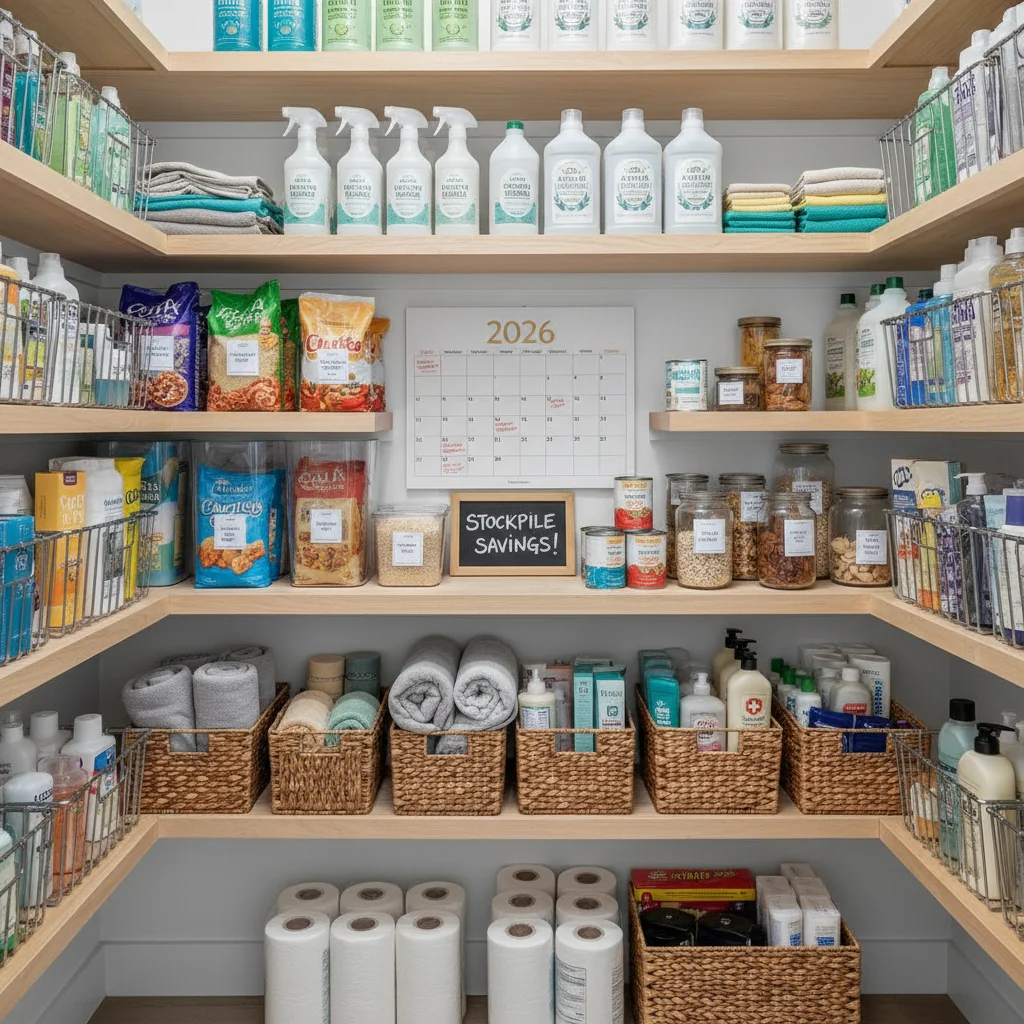
This is paramount for preventing waste. When you buy new items, place them behind older items of the same type. This ensures that you use products with earlier expiration dates first. Labeling shelves or containers can help maintain this system. For example, use clear bins for different categories, making it easy to see what you have and what needs to be rotated. This systematic approach is a hallmark of successful strategic stockpiling 2026.

3. Utilize Vertical Space
Shelving units, stackable bins, and wall-mounted organizers can maximize your storage capacity. Make sure shelves are sturdy enough to hold the weight of bulk items. Vertical storage is often overlooked but can dramatically increase your effective storage area, crucial for strategic stockpiling 2026 in smaller homes.
4. Protect Against Pests and Moisture
Store dry goods in airtight containers (e.g., plastic bins with tight-fitting lids, glass jars) to protect them from insects and rodents. Use moisture absorbers in damp areas if necessary. Regularly inspect your storage areas for any signs of pests or dampness.
5. Maintain an Inventory Log
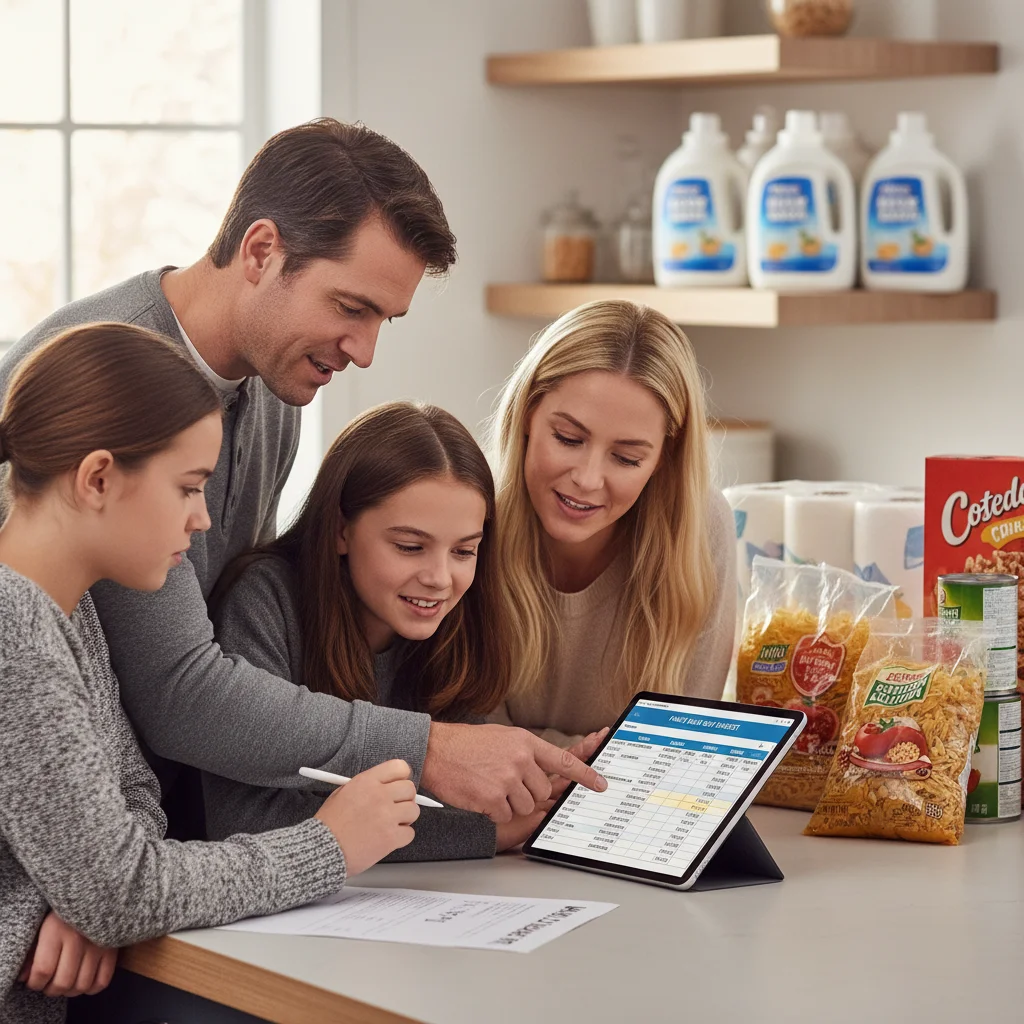
Beyond the initial inventory, keep an ongoing log of what you have, when it was purchased, and its expiration date. This can be a simple spreadsheet, a notebook, or a dedicated app. Regularly update it as you use items and add new ones. This log is a critical tool for managing your strategic stockpiling 2026, helping you avoid over-purchasing and ensuring nothing goes to waste.
What to Stockpile: A Detailed Look for 2026
While we’ve touched on categories, let’s get more specific about items that offer the best return on investment for strategic stockpiling 2026:
Household Cleaning Supplies
- Laundry Detergent: Large containers or concentrated formulas often yield the best per-load price.
- Dish Soap/Dishwasher Pods: Essential and universally used.
- All-Purpose Cleaners: Consider concentrates that can be diluted.
- Disinfectant Wipes/Sprays: Always useful for quick clean-ups and sanitization.
- Sponges/Cleaning Cloths: Non-perishable and frequently used.
Personal Care & Hygiene
- Toothpaste & Toothbrushes: Everyone needs them, and they have long shelf lives.
- Soap (Bar or Liquid): Bulk packs are common.
- Shampoo & Conditioner: Look for large pump bottles or refill sizes.
- Deodorant: Non-perishable.
- Feminine Hygiene Products: Buy in bulk when on sale.
- Razors & Shaving Cream: Often expensive, so buying on sale saves money.
Non-Perishable Food Items
- Canned Goods: Vegetables, fruits, beans, soups, tuna, chicken. Check nutrition labels and sodium content.
- Dry Pasta & Rice: Staples that last for years.
- Oats/Cereal: Opt for larger bags or boxes.
- Flour & Sugar: If stored correctly, they last a long time.
- Cooking Oils: Olive oil, vegetable oil – buy in larger bottles.
- Coffee & Tea: Consider whole beans or loose leaf for longer freshness, or vacuum-sealed options.
- Spices: Bulk buying can be cheaper if you use a lot.
- Peanut Butter/Nut Butters: High in protein and long shelf life.
- Dried Fruits & Nuts: Excellent for healthy snacking, store in airtight containers.
Paper Products
- Toilet Paper: A classic bulk buy.
- Paper Towels: Another high-usage item.
- Tissues & Napkins: Always good to have extra.
Miscellaneous & Emergency Items
- Batteries: Essential for flashlights and electronics.
- First Aid Supplies: Bandages, antiseptic wipes, pain relievers.
- Pet Food: If you have pets, buying their food in bulk when on sale can save a lot.
Common Pitfalls to Avoid in Strategic Stockpiling 2026
While the benefits are clear, there are traps that can turn a good intention into a costly mistake. Be aware of these common pitfalls:
1. Over-Stocking on Items You Don’t Use
The biggest mistake is buying something just because it’s on sale, even if your household doesn’t regularly use it. This leads to wasted money, cluttered storage, and potential spoilage. Stick to your master list and consumption patterns. Remember, strategic stockpiling 2026 is about efficiency, not excess.
2. Ignoring Expiration Dates
Even non-perishables have a shelf life. Canned goods can last years, but not indefinitely. Personal care products can degrade in quality. Always check dates and rotate your stock using the FIFO method. Waste defeats the purpose of saving.
3. Insufficient Storage Space
If you don’t have adequate, appropriate storage, bulk buying will quickly lead to disorganization and frustration. Plan your storage before you start buying in large quantities. Don’t let your strategic stockpiling 2026 efforts turn your home into a warehouse.
4. Chasing Every Deal
While sales are crucial, don’t feel compelled to buy every item that goes on discount. Stick to your budget and your needs. Overspending on sales can negate the financial benefits of stockpiling. A balanced approach is key to thriving with strategic stockpiling 2026.
5. Neglecting Inventory Management
Without a system to track what you have, you’ll inevitably end up with duplicates, expired items, or shortages. Your inventory log is your best friend in this process. Regularly reviewing and updating it ensures your strategic stockpiling 2026 remains effective.
Long-Term Benefits of Strategic Stockpiling 2026
Beyond the immediate financial gains, adopting a strategic stockpiling 2026 mindset offers profound long-term advantages:
Financial Resilience
Having a buffer of essential supplies provides a safety net during unexpected financial hardships, such as job loss or medical emergencies. You won’t have to worry about immediate needs, allowing you to focus on resolving bigger issues.
Reduced Stress and Mental Load
The constant worry about running out of essentials or scrambling to buy them at full price can be a source of daily stress. Stockpiling alleviates this, offering peace of mind and freeing up mental energy for more important things.
Environmental Impact
Believe it or not, strategic stockpiling can have a positive environmental impact. By buying in bulk, you often reduce packaging waste compared to purchasing smaller, individually wrapped items. Fewer shopping trips also mean less fuel consumption. This makes strategic stockpiling 2026 a more sustainable choice.
Empowerment and Preparedness
Taking control of your household’s supply chain empowers you. It fosters a sense of preparedness for various situations, from minor inconveniences to larger societal disruptions. This self-reliance is a valuable trait in an unpredictable world.
Conclusion: Embrace Strategic Stockpiling 2026 for a Smarter Future
The year 2026 presents an opportune moment to re-evaluate your household spending habits and embrace the power of strategic stockpiling 2026. By meticulously planning, tracking prices, and optimizing your storage, you can realistically achieve savings of 15% or more on your essential goods. This isn’t just about cutting costs; it’s about building financial resilience, reducing stress, and making smarter, more sustainable choices for your home and family.
Start small, stay consistent, and adapt your plan as your needs evolve. The journey to becoming a master stockpiler is a continuous learning process. With dedication and the insights provided in this guide, you’ll be well-equipped to navigate the economic realities of 2026 and beyond, enjoying a well-stocked home and a healthier budget. Happy stockpiling!