Digital Divide 2026: Impact on US Consumers & Behavior
Understanding the Digital Divide: How It Impacts US Consumer Access and Behavior in 2026
In the year 2026, the digital landscape is more integrated into daily life than ever before. From remote work and online education to telehealth and e-commerce, digital platforms are the backbone of modern society. Yet, beneath this veneer of pervasive connectivity lies a stark reality: the persistent and evolving phenomenon known as the Digital Divide 2026. This chasm, separating those with adequate access to and proficiency with digital technologies from those without, continues to exert a profound influence on US consumer access and behavior, shaping economic opportunities, social mobility, and even public health outcomes.
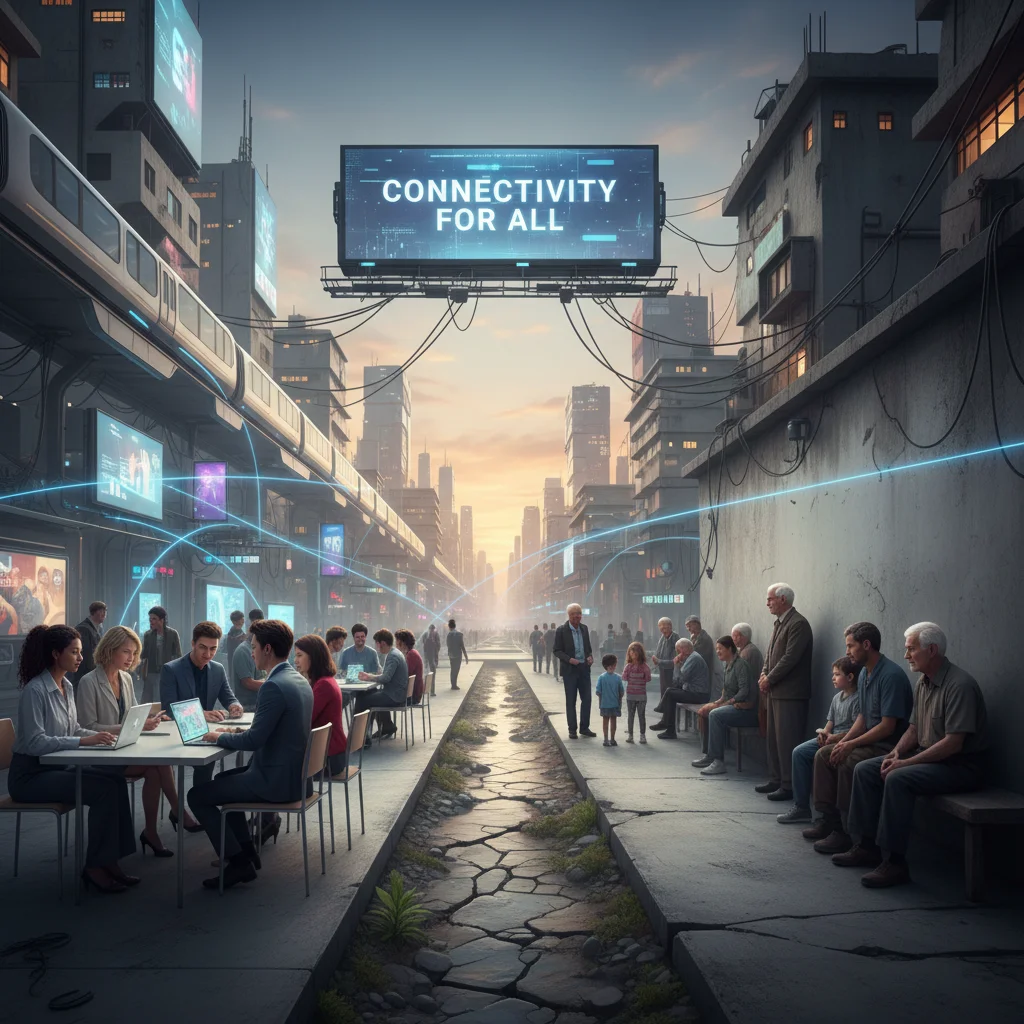
The term ‘digital divide’ might evoke images of a bygone era when internet access was a luxury, not a necessity. However, in 2026, the divide is far more nuanced. It’s no longer solely about whether someone has an internet connection, but rather the quality, reliability, and affordability of that connection, as well as the digital literacy and devices necessary to fully utilize it. This article will delve deep into the multifaceted impact of the Digital Divide 2026 on US consumers, examining its manifestations, consequences, and the critical strategies being employed to bridge this enduring gap.
Defining the Digital Divide in 2026: Beyond Basic Access
To truly grasp the contemporary challenges, we must first redefine the Digital Divide 2026. It encompasses several interconnected dimensions:
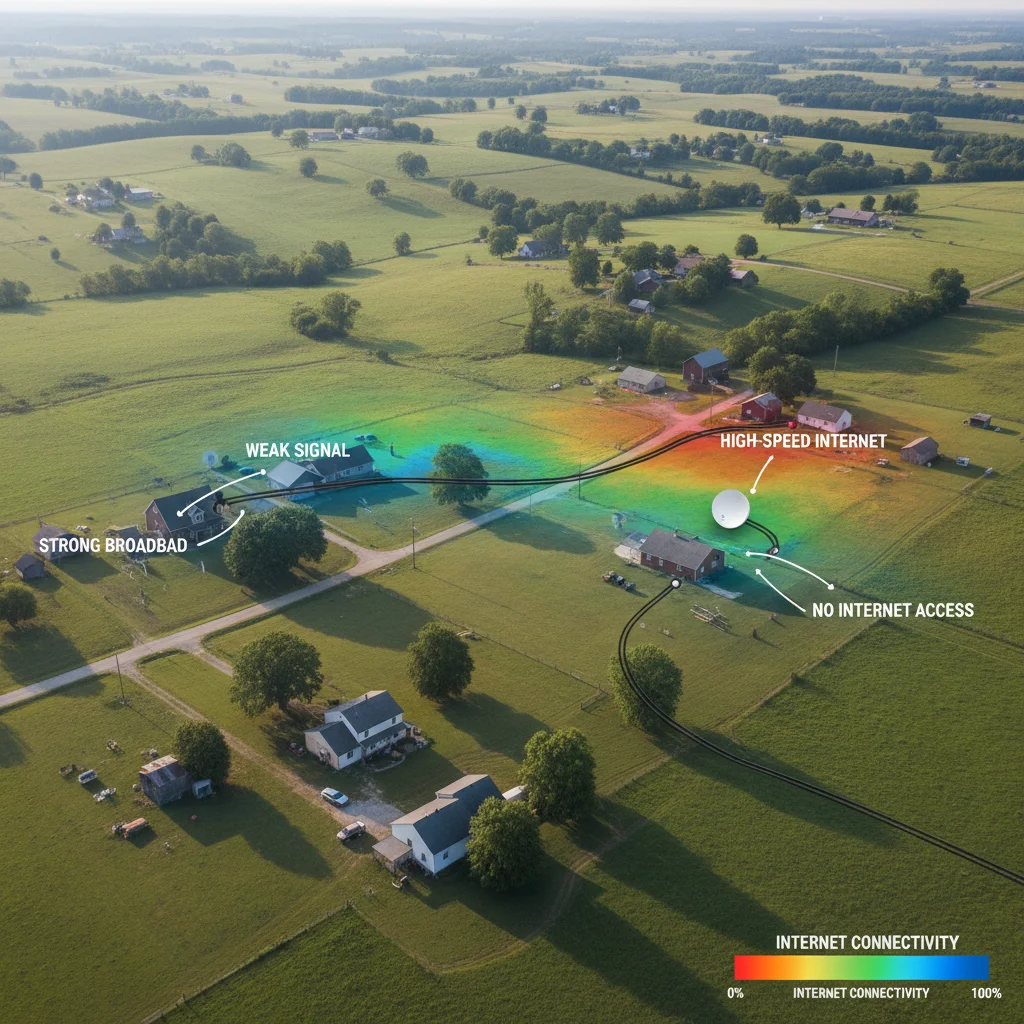
- Access Divide: This is the most traditional understanding, referring to the lack of reliable, high-speed internet access. While broadband penetration has increased significantly, pockets of rural America and underserved urban areas still struggle with inadequate infrastructure. Moreover, affordability remains a major barrier for low-income households, even where infrastructure exists.
- Affordability Divide: Even with available infrastructure, the cost of broadband services and necessary devices (computers, smartphones, tablets) can be prohibitive. In 2026, with inflation and rising living costs, many families are forced to choose between essential utilities and internet access.
- Device Divide: Owning a smartphone is common, but a smartphone alone often isn’t sufficient for tasks like remote work, complex online learning, or creating digital content. Access to laptops or desktop computers with adequate processing power and peripherals (printers, webcams) is crucial but unevenly distributed.
- Digital Literacy and Skills Divide: Merely having access and devices is not enough. The ability to navigate digital platforms, discern credible information, protect personal data, and utilize digital tools effectively for education, employment, and civic engagement is a significant differentiator. This skill gap often correlates with age, socioeconomic status, and educational background.
- Quality and Reliability Divide: The difference between a stable fiber-optic connection and an unreliable, slow satellite or mobile hotspot connection can dramatically impact a consumer’s ability to participate in the digital economy. Latency, bandwidth, and frequent outages disproportionately affect those in remote areas or relying on older infrastructure.
These dimensions collectively form the complex picture of the Digital Divide 2026, influencing every aspect of consumer life.
The Pervasive Impact on US Consumer Access
The ramifications of the Digital Divide 2026 on consumer access are extensive, touching vital sectors:
Economic Exclusion and Employment Barriers
In 2026, the job market is increasingly digital-first. From applying for jobs online to participating in virtual interviews, a lack of consistent internet access and digital skills can effectively shut individuals out of employment opportunities. Remote work, once a flexible option, has become a standard for many industries, further disadvantaging those without home broadband. Without the ability to access online training, reskill, or upskill, workers in digitally underserved communities face significant barriers to career advancement and economic mobility. Small businesses in these areas also struggle to compete, lacking the tools for online marketing, e-commerce, and digital supply chain management.
Educational Disparities
The academic world in 2026 heavily relies on digital resources. Online assignments, virtual classrooms, research databases, and communication with instructors are all standard. Students without reliable internet access or appropriate devices at home are at a severe disadvantage, leading to a widening achievement gap. This ‘homework gap’ not only affects K-12 students but also impacts higher education and adult learners seeking professional development, perpetuating cycles of educational inequality due to the Digital Divide 2026.
Healthcare Access and Telemedicine
Telehealth has become a cornerstone of modern healthcare, offering convenience and expanding access to specialists, particularly in rural areas. However, for those on the wrong side of the Digital Divide 2026, telemedicine appointments are often impossible. This means delayed diagnoses, missed preventive care, and greater reliance on emergency services, leading to poorer health outcomes and increased healthcare costs. Digital health literacy, the ability to navigate patient portals, research health information, and manage appointments online, is also a critical component of healthcare access.
Civic Engagement and Information Access
Government services, voting information, and community news are increasingly delivered online. Without digital access, citizens can be disenfranchised from civic processes, struggle to access essential public services (like unemployment benefits or housing assistance), and be more susceptible to misinformation due to limited access to diverse and credible news sources. This undermines democratic participation and community cohesion.
Shifting US Consumer Behavior in the Face of the Divide
The Digital Divide 2026 doesn’t just limit access; it fundamentally alters consumer behavior for those affected. These behavioral shifts have significant implications for businesses, policymakers, and society at large.
Reliance on Public and Shared Access Points
Consumers without home internet often rely on public Wi-Fi hotspots at libraries, community centers, fast-food restaurants, or even parking lots. This behavior limits privacy, introduces security risks, and restricts the times and duration of online engagement. It also means less spontaneous online activity and more planned, task-oriented internet use, impacting casual browsing, entertainment, and social connection.
Mobile-First, Mobile-Only Behavior
For many, a smartphone is the primary, if not sole, internet access device. This leads to ‘mobile-only’ consumer behavior. While smartphones are powerful, they are not always ideal for complex tasks, extensive form-filling, or detailed research. This can lead to frustration, abandonment of online tasks, and a preference for in-person or phone-based interactions even when digital options exist. Businesses must optimize their digital presence for mobile-only users, but even then, the experience is often suboptimal compared to a desktop.
Cash-Based and In-Person Transactions
While digital payments and online banking are widespread, those without consistent internet access or trust in digital systems often remain reliant on cash and in-person transactions. This limits access to online discounts, financial management tools, and the convenience of digital banking, often incurring higher fees and requiring more time. It also excludes them from the burgeoning gig economy and direct-to-consumer online shopping trends.
Limited Engagement with Digital Marketing and Services
Businesses increasingly rely on digital marketing, personalized ads, and online customer service. Consumers on the wrong side of the Digital Divide 2026 are less exposed to these efforts, making them harder to reach and engage. This creates a disconnect between businesses and a significant segment of the population, potentially leading to missed opportunities for both consumers and companies. Furthermore, access to online reviews, price comparison sites, and detailed product information is curtailed, leading to less informed purchasing decisions.
Information Poverty and Trust Issues
Limited internet access can lead to ‘information poverty,’ where individuals lack access to critical news, public health alerts, and educational resources. This can foster distrust in institutions and technology, as well as make individuals more vulnerable to misinformation. These behavioral patterns are not choices but rather adaptations to systemic limitations imposed by the Digital Divide 2026.
Bridging the Digital Divide 2026: Strategies and Solutions
Addressing the Digital Divide 2026 requires a multi-pronged approach involving government, private sector, and community initiatives:
Infrastructure Expansion and Investment
Continued investment in broadband infrastructure, particularly in rural and underserved urban areas, is paramount. This includes fiber optic deployment, 5G expansion, and innovative solutions like fixed wireless access. Government subsidies and public-private partnerships are crucial to making these costly endeavors feasible. The goal is not just any connection, but high-speed, reliable, and future-proof infrastructure that can support evolving digital demands.
Affordability Programs and Subsidies
Programs like the Affordable Connectivity Program (ACP) in the US have been instrumental in making internet access affordable for low-income households. Ensuring the long-term funding and broad awareness of such initiatives is vital. Additionally, partnerships between internet service providers (ISPs) and local governments can create subsidized plans specifically for vulnerable populations. Device affordability is also key, with initiatives providing discounted or refurbished computers and tablets.
Digital Literacy and Education Initiatives
Community-based digital literacy programs are essential. Libraries, schools, and non-profits can offer free courses on basic computer skills, online safety, navigating government websites, and utilizing productivity software. These programs need to be culturally sensitive, accessible in multiple languages, and tailored to the specific needs of different demographic groups (e.g., seniors, immigrants, low-income families). Integrating digital skills into K-12 curricula from an early age is also crucial.

Public Access and Community Hubs
Libraries and community centers continue to play a critical role as public access points. Ensuring these hubs have up-to-date technology, robust internet connections, and trained staff can provide essential resources for those without home access. Expanding the number of free public Wi-Fi hotspots in parks, public transport, and commercial areas can also help, though these should not be seen as a substitute for home broadband.
Device Access and Distribution
Programs that provide free or low-cost devices to individuals and families are vital. This can involve government grants, philanthropic efforts, and corporate donations. Exploring innovative models like device lending libraries or community technology centers can also help bridge the device divide. It’s not just about providing a device, but also ensuring technical support and training for its effective use.
Policy and Regulatory Frameworks
Policymakers must continue to prioritize digital inclusion. This includes establishing clear mandates for universal service, promoting competition among ISPs to drive down costs, and holding providers accountable for service quality. Regulations that encourage infrastructure sharing and streamline permitting processes can accelerate deployment. Furthermore, policies that support digital education and protect consumer data are also critical components of a holistic strategy.
The Economic and Social Imperative of Digital Inclusion
The cost of inaction on the Digital Divide 2026 is far greater than the investment required to bridge it. Economically, a digitally excluded population represents a massive untapped resource. It means fewer entrepreneurs, less innovation, a less competitive workforce, and reduced consumer spending in the digital economy. Socially, it perpetuates inequality, limits access to essential services, and can lead to increased social isolation and reduced civic participation.
By effectively addressing the Digital Divide 2026, the US stands to unlock significant economic growth, improve educational outcomes, enhance public health, and foster a more equitable and inclusive society. Every individual brought online and equipped with digital skills contributes to a stronger, more resilient nation. It’s an investment in human capital and the future prosperity of the country.
Challenges and Future Outlook for the Digital Divide 2026
Despite concerted efforts, several challenges persist in closing the Digital Divide 2026. Rapid technological advancements mean that the definition of ‘adequate’ access is constantly shifting. What is considered sufficient bandwidth today may be insufficient tomorrow, creating a moving target. The increasing sophistication of cyber threats also necessitates continuous digital literacy education around online safety and privacy.
Furthermore, funding remains a significant hurdle. While government programs provide substantial investment, the sheer scale of the infrastructure and education needs requires sustained commitment. Ensuring equitable distribution of these funds to the communities most in need, and preventing ‘digital redlining’ where certain neighborhoods are overlooked, is critical.
The future outlook, however, is not without hope. The growing recognition of internet access as a fundamental right, coupled with technological innovations like low-earth orbit satellites (LEO satellites) and further advancements in wireless technologies, offers promise for reaching even the most remote areas. The increasing focus on digital equity in policy discussions and the rise of community-led initiatives demonstrate a collective will to overcome this challenge.
The emphasis in 2026 is shifting from merely providing a connection to ensuring meaningful access – access that empowers individuals to fully participate in all aspects of digital life. This means not just getting people online, but ensuring they have the skills, devices, and support needed to thrive in an increasingly digital world.
Conclusion: Towards a Digitally Inclusive Future
The Digital Divide 2026 is a complex, multi-layered challenge that profoundly impacts US consumer access and behavior. It is a barrier to economic opportunity, educational attainment, quality healthcare, and full civic participation. However, it is not an insurmountable obstacle. Through strategic investment in infrastructure, robust affordability programs, comprehensive digital literacy initiatives, and supportive policy frameworks, the nation can make significant strides toward digital inclusion.
The vision for 2026 and beyond is a society where every individual, regardless of their location, income, or background, has the tools and skills necessary to navigate and benefit from the digital world. Achieving this vision requires ongoing collaboration between government, industry, non-profits, and communities. By working together, we can ensure that the promise of the digital age is accessible to all, transforming the landscape of US consumer access and behavior for the better and fostering a truly connected and equitable society.