Decoding 2026 Consumer: Post-Pandemic Buying Shifts in US
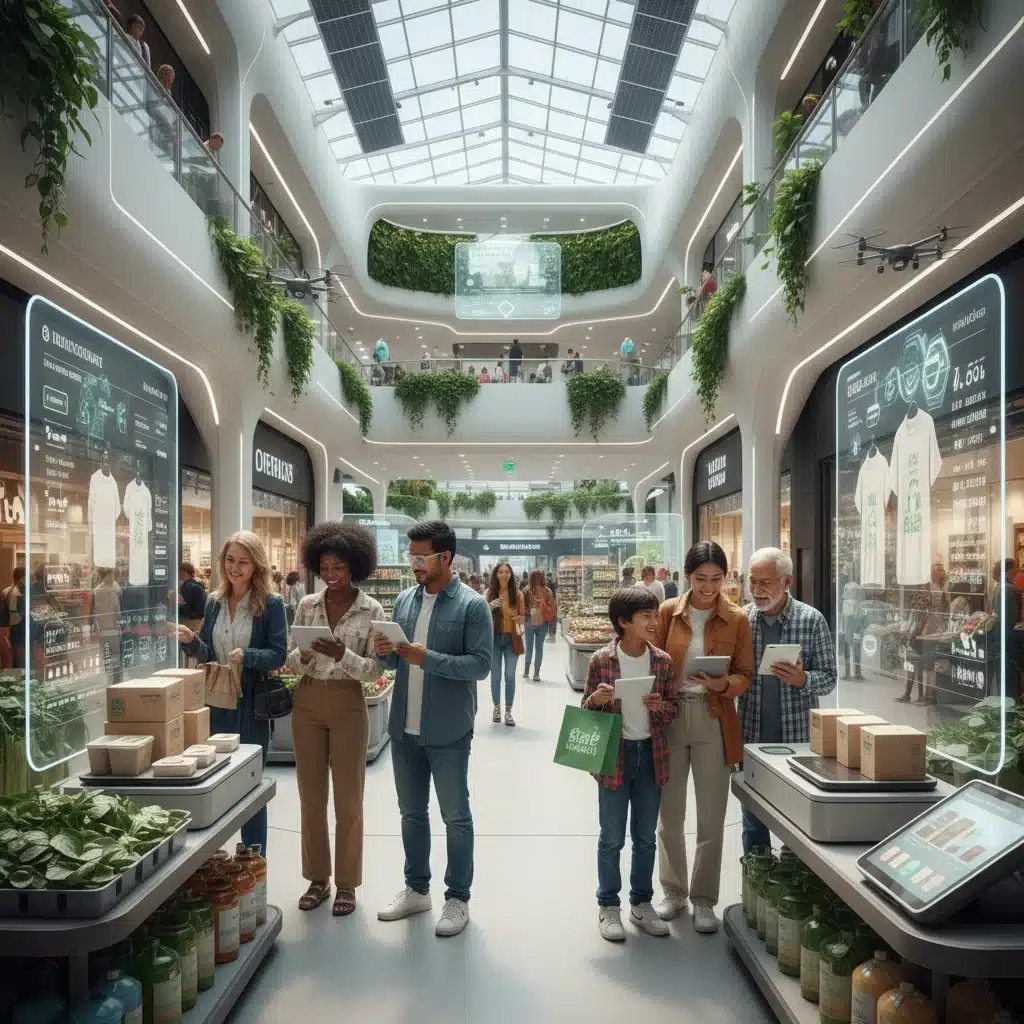
The global landscape has undergone unprecedented transformations in recent years, with the COVID-19 pandemic acting as a powerful catalyst for change across nearly every sector of human activity. Among the most profoundly impacted areas is consumer behavior, particularly within the United States. As we move further away from the immediate crisis and look towards 2026, it becomes increasingly clear that the American shopper is not merely reverting to old habits but is fundamentally recalibrating their priorities, values, and purchasing processes. Understanding these critical shifts is not just an academic exercise; it’s an imperative for businesses, marketers, and policymakers looking to connect with and serve the evolving 2026 consumer shifts.
The pandemic forced a global pause, prompting introspection and a re-evaluation of what truly matters. For many, this meant a heightened awareness of health, community, environmental impact, and economic stability. These underlying societal changes have filtered down into the individual decisions consumers make every day, from what they buy and where they buy it, to how much they are willing to pay and the brands they choose to support. The rapid acceleration of digital adoption, the increased focus on ethical consumption, and a new pragmatism regarding value are not fleeting trends; they are foundational shifts that will define the market for years to come.
This comprehensive analysis aims to decode the future of the US consumer by identifying and elaborating on three pivotal shifts that will shape buying habits by 2026. We will delve into the nuances of each trend, exploring the underlying causes, the implications for businesses, and the opportunities they present. From the burgeoning demand for sustainable and ethically produced goods to the seamless integration of digital and physical shopping experiences, and the recalibration of value perception in an inflationary environment, the 2026 consumer shifts are complex, interconnected, and ripe for exploration. Prepare to gain insights that will help you navigate this dynamic new era of consumerism.
The Rise of the Conscious Consumer: Sustainability and Ethics as Core Drivers
One of the most significant and enduring transformations in US buying habits, leading directly into the 2026 consumer shifts, is the ascent of the conscious consumer. This demographic is characterized by a profound and growing concern for the environmental and social impact of their purchases. The pandemic, coupled with increasing awareness of climate change and social justice issues, has amplified this trend, moving sustainability and ethical considerations from niche concerns to mainstream expectations. Consumers are no longer content with mere product utility; they demand transparency, responsibility, and alignment with their values.
This shift manifests in several key ways. Firstly, there’s a burgeoning demand for sustainable products. This includes goods made from recycled or renewable materials, products with minimal environmental footprints, and those produced through circular economy principles. Packaging, too, has come under intense scrutiny, with consumers favoring recyclable, compostable, or reusable options. Brands that demonstrate a genuine commitment to reducing waste and conserving resources are gaining a significant competitive edge.
Secondly, ethical sourcing and fair labor practices are increasingly important. Consumers are more likely to support companies that ensure fair wages, safe working conditions, and no exploitation throughout their supply chains. The rise of certifications and labels indicating ethical production, such as Fair Trade or B Corp status, reflects this growing demand for verifiable claims. Brands that can transparently communicate their commitment to social responsibility are building stronger trust and loyalty with the conscious consumer.
Thirdly, there’s a move towards mindful consumption, often characterized by a preference for durability, repairability, and longevity over disposable trends. This signifies a rejection of fast fashion and single-use items in favor of investments in quality and products designed to last. The sharing economy and second-hand markets are also thriving, as consumers seek to reduce their environmental impact and extend the lifecycle of goods. This shift directly impacts product design, marketing strategies, and even business models, pushing companies towards more sustainable and circular approaches.
For businesses, ignoring these trends is no longer an option. Integrating sustainability and ethics into core business strategies, rather than treating them as mere add-ons, will be crucial for success in 2026 and beyond. This involves everything from supply chain optimization and product innovation to transparent communication and authentic brand storytelling. Companies that can genuinely demonstrate their commitment to positive environmental and social impact will not only attract the conscious consumer but also foster a more resilient and responsible business ecosystem.
The conscious consumer is not a monolithic group; their motivations and priorities can vary. However, the overarching theme is a desire for consumption that aligns with a broader sense of purpose and responsibility. Brands that can tap into this desire by offering genuinely sustainable and ethical choices, backed by transparent practices, will be well-positioned to thrive amidst these pivotal 2026 consumer shifts.

Seamless Digital Integration: The Blurring Lines of Online and Offline Shopping
The second major shift shaping the 2026 consumer shifts is the pervasive and seamless integration of digital technologies into every facet of the shopping journey. While e-commerce was already on an upward trajectory, the pandemic dramatically accelerated its adoption, pushing even reluctant consumers online and fundamentally recalibrating expectations for convenience, accessibility, and personalization. By 2026, the distinction between ‘online shopping’ and ‘in-store shopping’ will continue to blur, giving way to an ‘omnichannel’ expectation where consumers move fluidly between digital and physical touchpoints.
This digital integration manifests in several critical ways. Firstly, mobile commerce (m-commerce) will continue its dominance. Smartphones are no longer just communication devices; they are indispensable shopping tools. Consumers use them to research products, compare prices, read reviews, make purchases, and manage deliveries. Brands must optimize their digital presence for mobile-first experiences, ensuring fast loading times, intuitive navigation, and secure payment options. The rise of social commerce, where purchases are made directly through social media platforms, also highlights the importance of meeting consumers where they spend their digital time.
Secondly, the physical store experience is being reimagined through a digital lens. Far from becoming obsolete, brick-and-mortar stores are evolving into experience hubs, showrooms, and fulfillment centers. Technologies like augmented reality (AR) allow customers to virtually try on clothes or visualize furniture in their homes before buying. Interactive digital displays provide product information, personalized recommendations, and access to extended online inventories. ‘Buy Online, Pick Up In Store’ (BOPIS) and ‘Curbside Pickup’ options, once emergency measures, are now standard expectations, blending the speed of online ordering with the immediacy of physical retrieval.
Thirdly, data-driven personalization will become even more sophisticated. Consumers expect brands to understand their preferences, anticipate their needs, and offer tailored recommendations and promotions. Artificial intelligence (AI) and machine learning (ML) will play a crucial role in analyzing vast amounts of consumer data to deliver hyper-personalized experiences, from website content and email campaigns to in-store assistance. However, this personalization must be balanced with a strong emphasis on data privacy and transparency, as consumers are increasingly wary of how their information is collected and used.
Moreover, the payment landscape is diversifying rapidly. Beyond traditional credit cards, digital wallets, contactless payments, and ‘Buy Now, Pay Later‘ (BNPL) options are gaining significant traction. Brands need to offer a variety of secure and convenient payment methods to cater to diverse consumer preferences. The friction points in the payment process must be minimized to ensure a smooth and enjoyable shopping experience, reinforcing the importance of seamless digital integration.
For businesses, the challenge and opportunity lie in creating a cohesive and consistent brand experience across all channels. This requires a unified view of the customer, integrated inventory management, and a flexible technology infrastructure. The companies that excel in providing a frictionless, personalized, and convenient journey, irrespective of the touchpoint, will capture the loyalty of the digitally-native and digitally-savvy 2026 consumer shifts. The future of retail is not just digital or physical; it is a harmonious blend of both, orchestrated by consumer expectations for ultimate convenience and personalization.

Redefining Value: Beyond Price to Purpose and Durability
The third profound shift influencing the 2026 consumer shifts is a fundamental redefinition of what constitutes ‘value.’ For decades, price has often been the primary determinant of value for many US consumers. However, the economic volatility, supply chain disruptions, and inflationary pressures experienced in recent years, coupled with the rising conscious consumerism, have compelled shoppers to look beyond the sticker price. By 2026, value will be a multifaceted construct encompassing not just affordability but also durability, utility, ethical considerations, and the overall purpose a product or brand serves.
Firstly, the concept of ‘durability and longevity’ is making a strong comeback. In an era of increasing environmental awareness and economic uncertainty, consumers are less inclined to purchase disposable items. They are willing to invest more upfront in products that are built to last, can be repaired, or have a longer effective lifespan. This shift is partly driven by a desire to reduce waste and partly by a pragmatic economic decision to avoid frequent replacements. Brands that emphasize the quality, craftsmanship, and repairability of their products will resonate strongly with this redefined value perception.
Secondly, ‘purpose and impact’ are becoming integral components of value. As discussed, conscious consumers want to know that their purchases align with their values. This means that a product’s ethical sourcing, sustainable production methods, and a company’s social responsibility initiatives contribute significantly to its perceived value. A higher price point for a product from a brand with a strong, transparent commitment to social good or environmental protection can be justified by the consumer, as they are effectively ‘buying into’ that purpose. This elevates value beyond a simple cost-benefit analysis to include a moral and ethical dimension.
Thirdly, ‘utility and efficiency’ remain crucial, but with a renewed emphasis on problem-solving and convenience. Consumers are looking for products and services that genuinely simplify their lives, save them time, or provide clear, tangible benefits. In a digitally integrated world, this often means seamless user experiences, intuitive design, and efficient delivery or service models. The value proposition here is about maximizing benefit and minimizing effort, reflecting a premium placed on convenience and efficacy in a fast-paced world.
Furthermore, ‘experience’ itself is being re-evaluated as a component of value. For many, experiences, whether through travel, entertainment, or unique retail interactions, hold greater value than material possessions. This doesn’t mean consumers stop buying products, but rather that the products they do buy are increasingly tied to enhancing an experience or enabling a lifestyle. Brands that can craft compelling narratives and offer engaging experiences around their products will captivate the 2026 consumer shifts who prioritize experiential value.
For businesses, this redefinition of value necessitates a shift from purely price-driven competition to a more holistic value proposition. This involves communicating the full spectrum of benefits a product offers – its durability, its ethical credentials, its problem-solving capabilities, and the experience it provides. It also requires understanding that different segments of consumers will weigh these factors differently, necessitating nuanced marketing and product development strategies. The future of successful commerce will be built on brands that can clearly articulate and consistently deliver genuine, multifaceted value to a discerning consumer base.
Implications for Businesses and Marketers Navigating the 2026 Consumer Shifts
The three pivotal 2026 consumer shifts – the rise of the conscious consumer, seamless digital integration, and the redefinition of value – present both significant challenges and immense opportunities for businesses and marketers in the United States. Navigating this evolving landscape requires foresight, adaptability, and a willingness to fundamentally rethink established strategies. Those who embrace these changes proactively will be poised for growth and sustained success, while those who cling to outdated models risk falling behind.
For businesses, the overarching implication is the need for greater authenticity and transparency. The conscious consumer demands to know not just what they are buying, but also how it’s made, by whom, and what impact it has. This necessitates robust supply chain visibility, honest communication about environmental and social efforts, and a genuine commitment to corporate responsibility. Brands can no longer pay lip service to these issues; their actions must align with their messaging. This also extends to how data is handled in a digitally integrated world, requiring clear privacy policies and ethical data usage practices to maintain consumer trust.
Product development strategies must evolve to meet these new demands. Innovation should focus not only on features and aesthetics but also on sustainability, durability, and ethical sourcing. This might involve investing in research and development for eco-friendly materials, designing products for repairability, or exploring circular economy models. Services accompanying products, such as buy-back programs, repair services, or subscription models that promote longevity, will also become increasingly attractive to the value-conscious and environmentally aware consumer. The emphasis shifts from selling more, to selling better and more responsibly.
From a marketing perspective, the traditional broadcast approach is becoming less effective. Instead, personalized, value-driven, and purpose-led communication will be key. Marketers need to leverage data to understand individual consumer preferences and tailor messages that resonate with their specific values regarding sustainability, convenience, and quality. Storytelling will play a crucial role, allowing brands to articulate their purpose, showcase their ethical practices, and connect with consumers on an emotional level. This also means engaging with consumers across diverse digital channels, from social media to immersive virtual experiences, ensuring a consistent and compelling brand narrative.
Retail strategies must also adapt to the blurring lines between online and offline. Investing in omnichannel capabilities is no longer optional; it’s a necessity. This means creating frictionless transitions between e-commerce platforms, mobile apps, and physical stores. Brick-and-mortar locations should be reimagined as experiential hubs that complement online offerings, providing opportunities for product discovery, community engagement, and efficient fulfillment. The integration of technology within stores, such as interactive displays, AR tools, and self-checkout options, will enhance the overall shopping experience and cater to the digitally-savvy consumer.
Finally, the redefinition of value means that pricing strategies need to be recalibrated. While competitiveness remains important, brands should be prepared to justify premium prices with demonstrable value – whether that’s superior quality, ethical production, innovative features, or a compelling brand purpose. Value messaging should clearly articulate the long-term benefits, environmental impact, or social good associated with a purchase, moving beyond a simple price comparison to a comprehensive value proposition. The focus shifts from ‘cheap’ to ‘worth it,’ reflecting a more discerning and thoughtful consumer.
In conclusion, the 2026 consumer shifts are not merely a continuation of past trends but a significant evolution driven by a confluence of global events and changing societal values. Businesses and marketers that proactively understand, adapt to, and innovate within these new paradigms – by prioritizing authenticity, embracing digital integration, and redefining value – will not only survive but thrive in the dynamic American marketplace of tomorrow. The future belongs to those who are willing to listen, learn, and lead with purpose.