Electric Vehicle Charging: Innovations & Infrastructure for US Drivers 2026
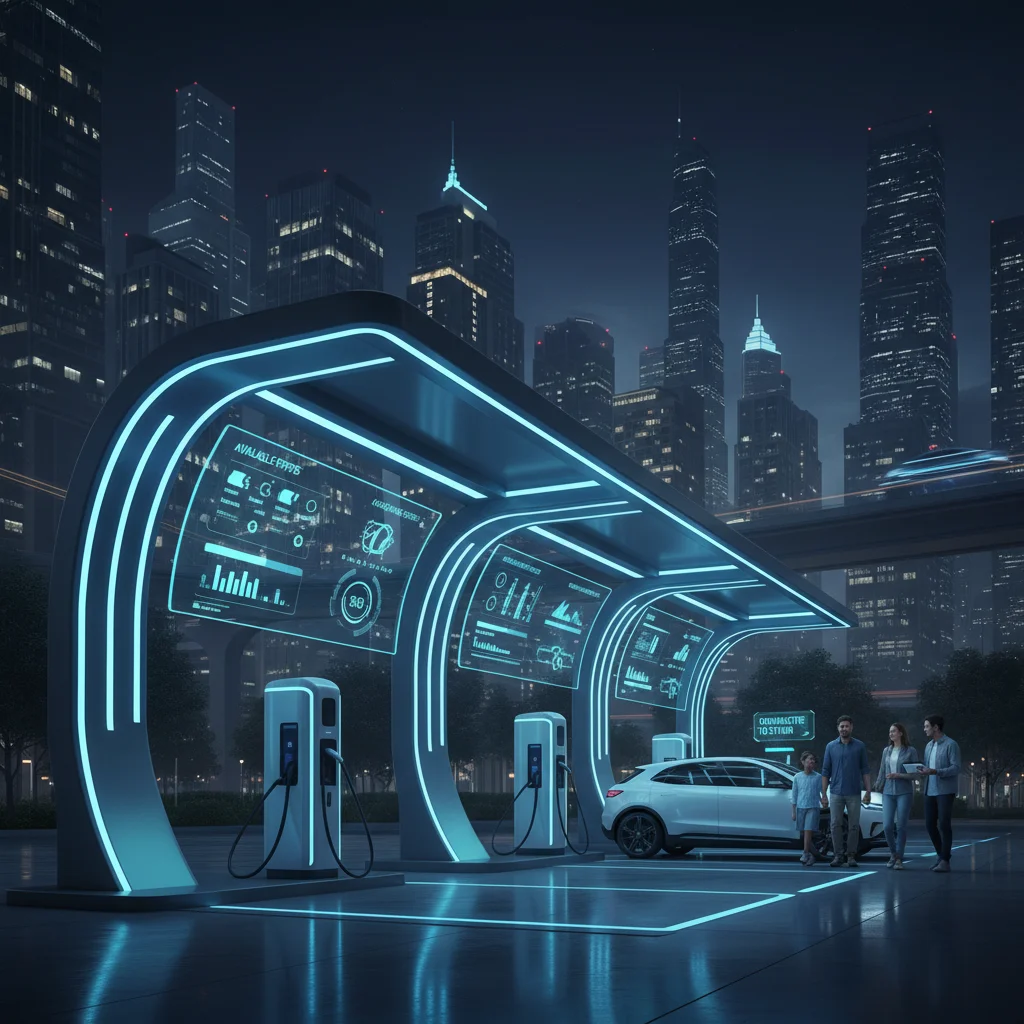
Electric Vehicle Charging: New Innovations and Infrastructure for US Drivers in 2026 (RECENT UPDATES)
The landscape of electric vehicle (EV) adoption in the United States is accelerating at an unprecedented pace, and with it, the critical need for robust, efficient, and accessible charging infrastructure. As we look towards 2026, the evolution of EV Charging US 2026 is not merely about adding more plugs; it’s about a fundamental transformation in how we power our electric vehicles, driven by cutting-edge innovations and strategic infrastructure development. This comprehensive guide delves into the recent updates, technological advancements, and policy shifts that are shaping the future of EV charging for American drivers.
The Rapid Growth of the EV Market and its Charging Demands
The automotive industry is in the midst of a profound shift, with electric vehicles moving from niche products to mainstream choices. This surge in EV sales directly translates to an escalating demand for reliable charging solutions. By 2026, millions more EVs are expected to be on American roads, necessitating a significant expansion and enhancement of the existing charging network. This growth isn’t uniform; it spans urban centers, suburban communities, and increasingly, rural areas, each presenting unique challenges and opportunities for EV Charging US 2026. The market’s dynamism requires a multi-faceted approach to infrastructure, encompassing everything from residential charging to high-speed public networks.
Understanding the current state and projecting future needs is crucial. Recent data indicates a substantial increase in both Level 2 (240-volt AC) and DC Fast Charging (DCFC) installations. However, the ratio of chargers to EVs still needs considerable improvement to alleviate range anxiety and ensure seamless travel. The industry is responding with innovative business models, public-private partnerships, and technological breakthroughs aimed at making charging as convenient and ubiquitous as gasoline refueling. This proactive development is key to sustaining the momentum of EV adoption and meeting the ambitious decarbonization goals set by federal and state governments.
Key Innovations Driving EV Charging Forward
The technological frontier of EV Charging US 2026 is bustling with exciting innovations designed to make charging faster, smarter, and more integrated into our daily lives. These advancements are not just incremental improvements but represent significant leaps forward in efficiency, user experience, and grid integration.
Ultra-Fast Charging Technologies
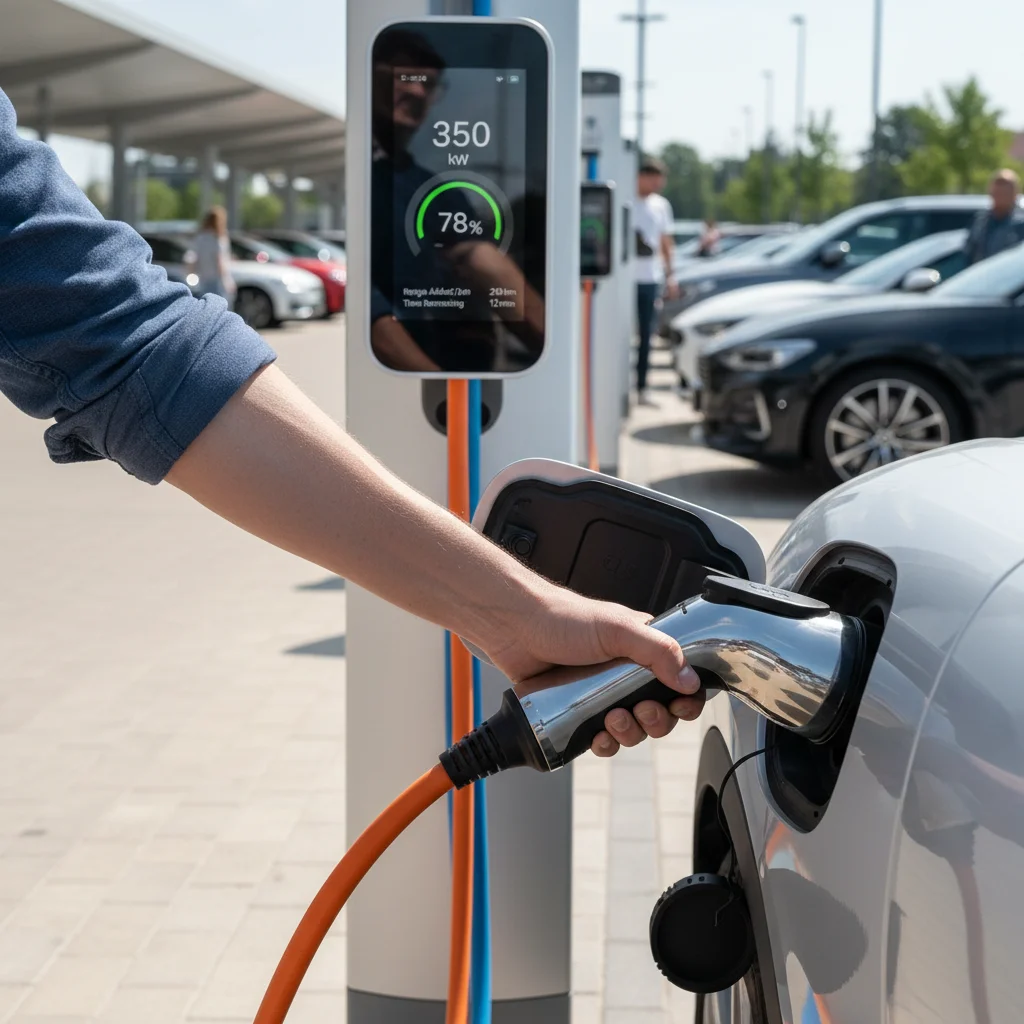
One of the most significant breakthroughs is the proliferation of ultra-fast DC charging. While 150 kW chargers were once considered cutting-edge, 2026 will see a broader deployment of 350 kW and even 400 kW+ chargers capable of adding hundreds of miles of range in mere minutes. These chargers are crucial for long-distance travel and for drivers who need quick top-ups during their day. The underlying technology involves advanced power electronics, enhanced battery management systems in vehicles, and robust grid connections to handle the immense power demands. Companies are constantly pushing the boundaries, with some prototypes even exceeding these figures, promising a future where charging times rival a typical gas station stop.
Wireless Charging (Inductive Charging)
Imagine pulling into a parking spot and your EV automatically begins charging without ever plugging in. This is the promise of wireless charging, and by 2026, we expect to see more pilot programs and even commercial deployments in specific applications. While still in its nascent stages for widespread public use, wireless charging offers unparalleled convenience and can be seamlessly integrated into parking garages, taxi stands, and even dynamic road sections. The technology relies on electromagnetic induction, transferring energy between charging pads embedded in the ground and receivers on the vehicle’s underside. Efficiency and power transfer rates are continuously improving, making it a viable option for future urban mobility solutions.
Vehicle-to-Grid (V2G) and Vehicle-to-Home (V2H) Technologies
EVs are not just consumers of electricity; they can also be valuable assets to the grid. V2G and V2H technologies allow EVs to discharge power back into the grid or a home, respectively, during peak demand or power outages. This bidirectional charging capability transforms EVs into mobile energy storage units, offering grid stabilization services and potentially generating revenue for vehicle owners. By 2026, V2G and V2H will move beyond pilot projects into more mainstream adoption, particularly as smart home energy management systems become more sophisticated and utility companies offer incentives for participation. This innovation is a game-changer for energy resilience and sustainable living.
Smart Charging and Load Management
As the number of EVs grows, managing the electrical load on the grid becomes paramount. Smart charging systems utilize artificial intelligence and machine learning to optimize charging schedules based on electricity prices, grid demand, and renewable energy availability. This ensures that EVs charge when electricity is cheapest and cleanest, reducing strain on the grid and lowering operational costs for both utilities and consumers. Features like scheduled charging, demand response programs, and integration with home energy management systems are becoming standard, making EV Charging US 2026 more intelligent and efficient.
Improved User Interface and Payment Systems
The user experience at public charging stations has often been a point of friction. However, 2026 will see significant improvements in this area. Standardized payment methods, such as tap-to-pay credit card readers and universal app integration, are becoming more common, reducing the need for multiple apps or RFID cards. Plug-and-charge technology, which allows vehicles to automatically authenticate and begin charging upon connection, will also see wider adoption, streamlining the entire process. These enhancements are critical for making public charging as hassle-free as possible, encouraging greater EV adoption.
Expanding Infrastructure: Where and How We’ll Charge
The physical expansion of charging infrastructure is just as crucial as technological innovation. For EV Charging US 2026 to truly flourish, a dense, reliable, and accessible network is essential across the entire country.
National Electric Vehicle Infrastructure (NEVI) Program
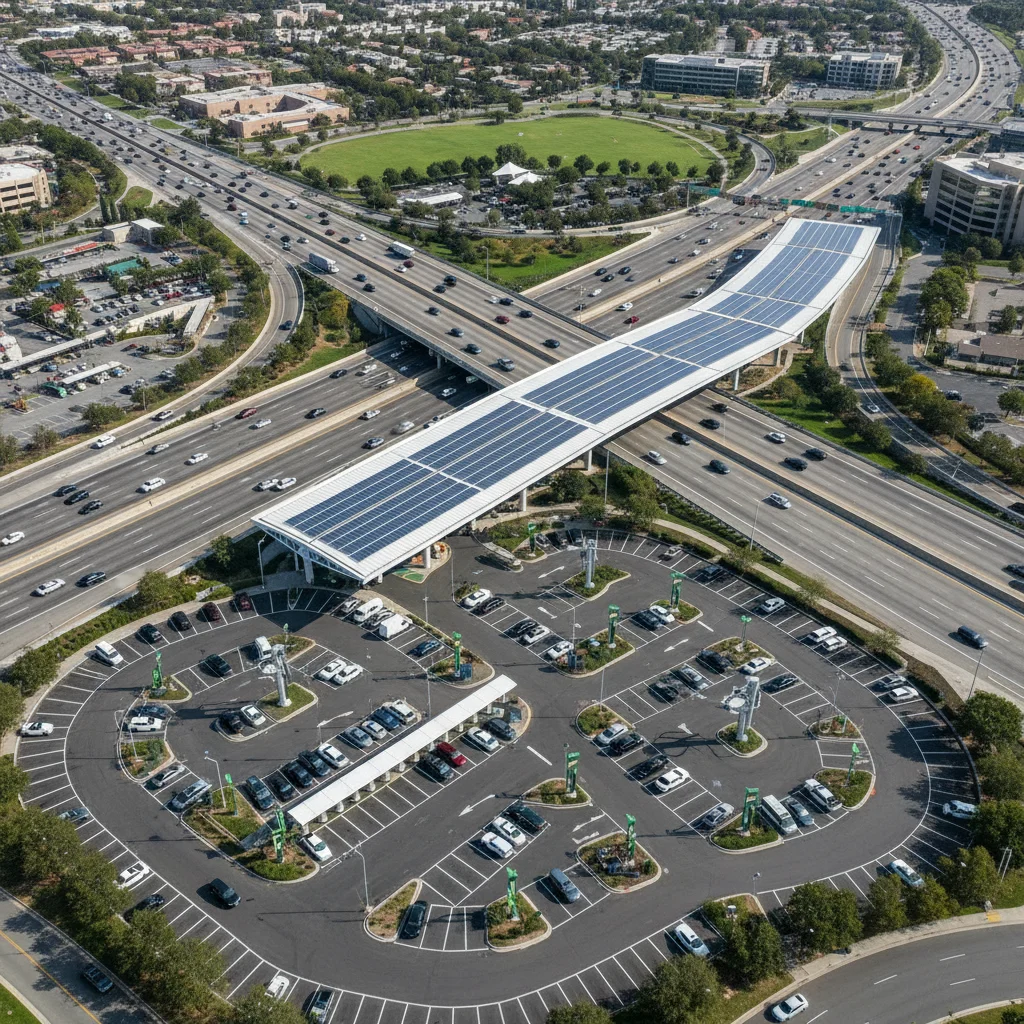
The federal government’s NEVI program is a cornerstone of infrastructure development, allocating billions of dollars to states to build a national EV charging network. The focus is on deploying DC fast chargers along designated alternative fuel corridors, ensuring that drivers can travel long distances with confidence. By 2026, we expect to see substantial progress in this build-out, with chargers strategically located every 50 miles along major highways. This program emphasizes interoperability and reliability, setting standards for uptime and payment methods to create a seamless experience for all EV drivers, regardless of their vehicle’s make or charging network affiliation.
Urban and Suburban Charging Hubs
Beyond highways, urban and suburban areas are seeing a proliferation of charging hubs. These dedicated sites, often located in shopping centers, parking garages, and workplaces, offer multiple fast chargers. The goal is to integrate charging into daily routines, allowing drivers to power up while they work, shop, or dine. Many of these hubs are incorporating renewable energy sources like solar canopies and battery storage to enhance sustainability and reduce demand on the local grid. The density of these hubs is increasing, making it easier for city dwellers and commuters to access reliable charging without significant detours.
Residential and Multi-Unit Dwelling (MUD) Charging Solutions
Home charging remains the primary method for most EV owners. By 2026, the market for smart home chargers will be even more sophisticated, offering advanced scheduling, load balancing, and integration with solar panels and battery storage. However, a significant challenge lies in providing charging for residents of multi-unit dwellings (apartments, condos). Innovative solutions, including shared charging stations, smart power management systems for existing electrical infrastructure, and even street-side charging poles, are being deployed to address this critical need. Policies and incentives are also being introduced to encourage property managers to install EV charging infrastructure.
Workplace Charging Initiatives
Many employers are recognizing the benefits of offering workplace charging, not just as an employee perk but also as a way to support sustainable transportation and attract talent. By 2026, expect to see more companies integrating EV charging into their corporate campuses, often subsidizing costs or offering free charging as part of their sustainability commitments. This provides a convenient charging option for commuters, extending their effective range and reducing reliance on public charging networks during working hours.
Policy and Regulatory Landscape Shaping EV Charging
Government policies and regulations play a pivotal role in accelerating the deployment and ensuring the quality of EV Charging US 2026 infrastructure. These frameworks provide funding, set standards, and create incentives that drive both public and private investment.
Federal and State Incentives
Beyond the NEVI program, numerous federal and state incentives are available for individuals, businesses, and municipalities to install EV charging infrastructure. Tax credits, grants, and rebates help offset the upfront costs of purchasing and installing charging equipment. These financial incentives are crucial for stimulating market growth, particularly in areas where the economic case for charging stations might be weaker without external support. The consistency and longevity of these programs are vital for long-term planning and investment.
Standardization and Interoperability
A major focus for 2026 is the push for greater standardization and interoperability across the charging ecosystem. The adoption of the North American Charging Standard (NACS) by several major automakers, alongside the existing Combined Charging System (CCS), is a significant development. While this transition introduces some complexities, the long-term goal is a more unified charging experience. Furthermore, efforts are underway to standardize payment systems, communication protocols between chargers and vehicles, and data reporting to ensure a cohesive and reliable national network. This reduces user frustration and promotes smoother adoption of EVs.
Permitting and Grid Modernization
Expediting the permitting process for charging station installations is another critical area of policy focus. Streamlining bureaucratic hurdles can significantly reduce deployment times and costs. Concurrently, investments in grid modernization are essential. The existing electrical grid needs upgrades to handle the increased demand from EV charging, especially high-power DCFC. This involves smart grid technologies, localized energy storage, and enhanced distribution infrastructure to ensure reliability and prevent overloads. Regulatory bodies are working with utilities to plan and execute these necessary upgrades.
Challenges and Opportunities for EV Charging US 2026
While the outlook for EV Charging US 2026 is overwhelmingly positive, several challenges remain that require concerted effort from all stakeholders. Overcoming these will unlock even greater opportunities for sustainable transportation.
Grid Capacity and Reliability
The sheer scale of EV adoption demands careful planning to ensure the electrical grid can support the increased load without compromising reliability. This is a complex challenge that involves not only upgrading physical infrastructure but also implementing sophisticated load management strategies, promoting off-peak charging, and integrating renewable energy sources. The opportunity lies in transforming the grid into a more resilient, intelligent, and sustainable system, capable of handling future energy demands.
Equitable Access to Charging
Ensuring equitable access to charging infrastructure is paramount. Low-income communities, rural areas, and residents of multi-unit dwellings often face greater barriers to EV adoption due to lack of charging options. Initiatives are focusing on deploying chargers in underserved areas, providing educational resources, and offering financial assistance to make EVs and charging more accessible to all segments of the population. This includes community-based programs and targeted subsidies to bridge the accessibility gap.
Cybersecurity and Data Privacy
As charging infrastructure becomes more connected and intelligent, cybersecurity and data privacy become increasingly important. Protecting charging networks from cyber threats and safeguarding user data are critical for maintaining trust and ensuring the smooth operation of the system. Robust security protocols, encryption, and adherence to data protection regulations are essential components of future charging infrastructure development. This is an ongoing area of research and development, with a focus on creating resilient and secure systems.
Cost and Return on Investment for Operators
The upfront cost of installing and maintaining advanced charging infrastructure can be substantial. For charging network operators, achieving a viable return on investment is crucial for sustained growth. This involves optimizing pricing strategies, exploring ancillary services (e.g., retail partnerships at charging sites), and leveraging government incentives. As the market matures and EV adoption increases, the economics of operating charging stations will become more favorable, attracting further private investment.
The Future of EV Charging Beyond 2026
Looking beyond 2026, the evolution of EV Charging US 2026 will continue to accelerate. We can anticipate even more sophisticated technologies and integrated solutions. Battery technology will continue to improve, potentially leading to even faster charging rates and higher energy densities. The integration of artificial intelligence will make charging decisions even more seamless and personalized, potentially predicting optimal charging times based on user habits and grid conditions.
Furthermore, the concept of a ‘charging-as-a-service’ model might become more prevalent, where charging is bundled with vehicle ownership or subscription plans, simplifying the experience for consumers. Autonomous charging solutions, where vehicles can self-park and connect to chargers, are also on the horizon, promising ultimate convenience. The synergy between renewable energy generation, battery storage, and smart charging will create a truly sustainable and resilient energy ecosystem for electric transportation.
Conclusion
The year 2026 marks a pivotal point in the development of electric vehicle charging infrastructure in the United States. Driven by significant technological innovations, strategic government initiatives, and increasing consumer demand, the landscape of EV Charging US 2026 is undergoing a profound transformation. From ultra-fast charging and wireless solutions to intelligent grid integration and equitable access programs, the future of powering electric vehicles is brighter, more efficient, and more accessible than ever before.
For current and prospective EV drivers, these developments mean less range anxiety, more convenient charging options, and a smoother transition to electric mobility. For policymakers and industry stakeholders, the ongoing commitment to innovation and infrastructure investment will be key to realizing a sustainable, electrified transportation future for the nation. The journey towards a fully electric America is well underway, and a robust charging ecosystem is its indispensable backbone.