Metaverse for US Consumers: What to Expect by Mid-2026
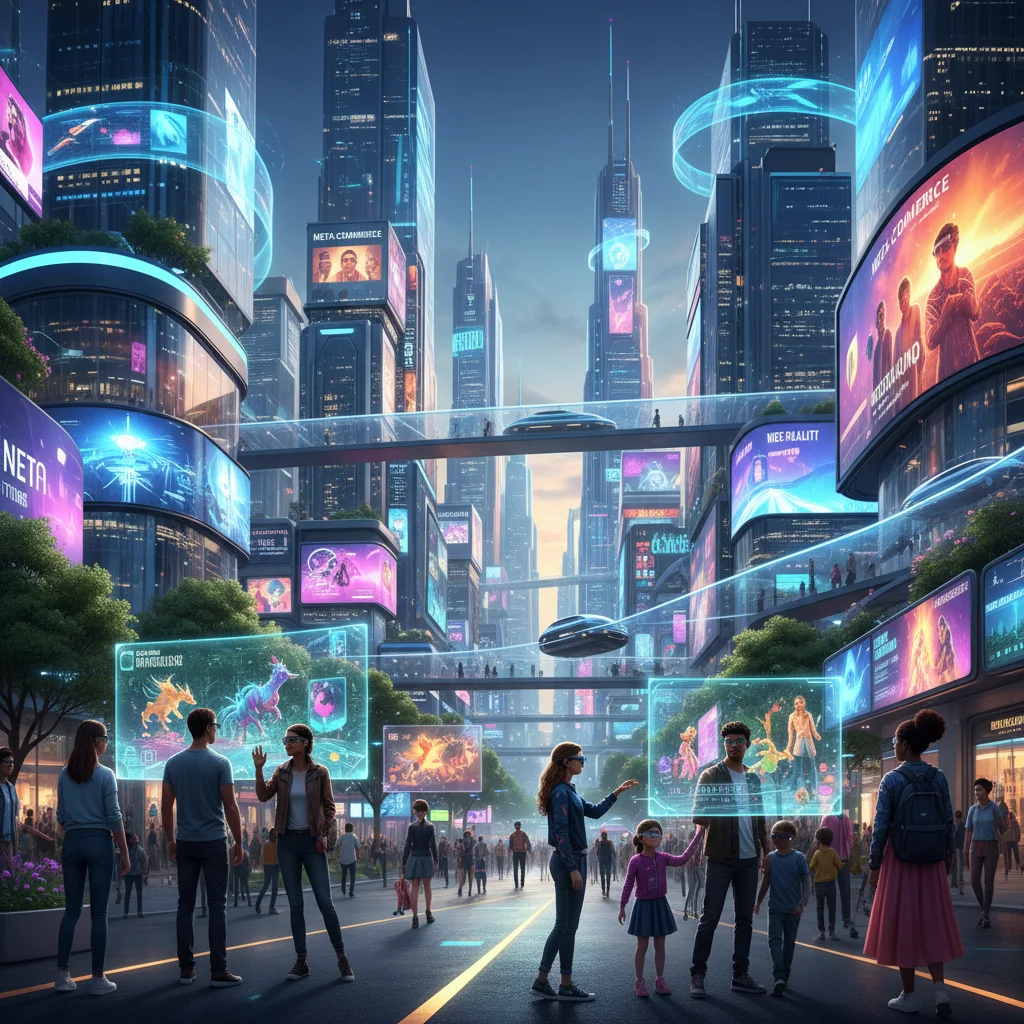
The concept of the metaverse has rapidly evolved from a science fiction trope into a tangible, albeit still nascent, digital frontier. For US consumers, the next few years promise to be a period of significant transformation as the metaverse begins to weave itself into the fabric of daily life. By mid-2026, we won’t be living in a fully realized ‘Ready Player One’ scenario, but we will certainly be experiencing a much more integrated and impactful version of the metaverse than what exists today. This article aims to provide a comprehensive, insider’s look at what metaverse US consumers need to know, offering predictions, insights, and practical considerations for the impending digital shift.
The Evolving Landscape of the Metaverse for US Consumers
At its core, the metaverse is envisioned as a persistent, interconnected network of 3D virtual worlds. It’s a place where digital avatars of individuals can interact, socialize, work, learn, and play, transcending geographical boundaries. While the exact definition remains fluid, key components such as virtual reality (VR), augmented reality (AR), artificial intelligence (AI), blockchain, and 5G connectivity are all converging to bring this vision to life. For metaverse US consumers, this means a gradual but profound shift in how they engage with technology and each other.
Understanding the Core Technologies Driving the Metaverse
To truly grasp the future impact on metaverse US consumers, it’s crucial to understand the technological pillars supporting this digital realm. These technologies are not new, but their increasing sophistication and integration are what make the metaverse a compelling future. By mid-2026, we can expect significant advancements in each of these areas, making metaverse experiences more accessible, immersive, and valuable.
Virtual Reality (VR) and Augmented Reality (AR): The Immersion Factor
VR and AR headsets are the primary gateways into the metaverse. While current headsets like Meta Quest and Pico 4 offer compelling experiences, they often come with limitations in terms of comfort, resolution, and field of view. By mid-2026, we anticipate a new generation of devices that are lighter, more ergonomic, and offer significantly improved visual fidelity. This will be critical for widespread adoption among metaverse US consumers. Imagine headsets that feel like regular glasses, offering seamless transitions between the physical and digital worlds. AR, in particular, will see a surge, overlaying digital information onto our real-world view, enhancing everyday tasks from shopping to navigation.
Blockchain and NFTs: The Digital Economy Backbone
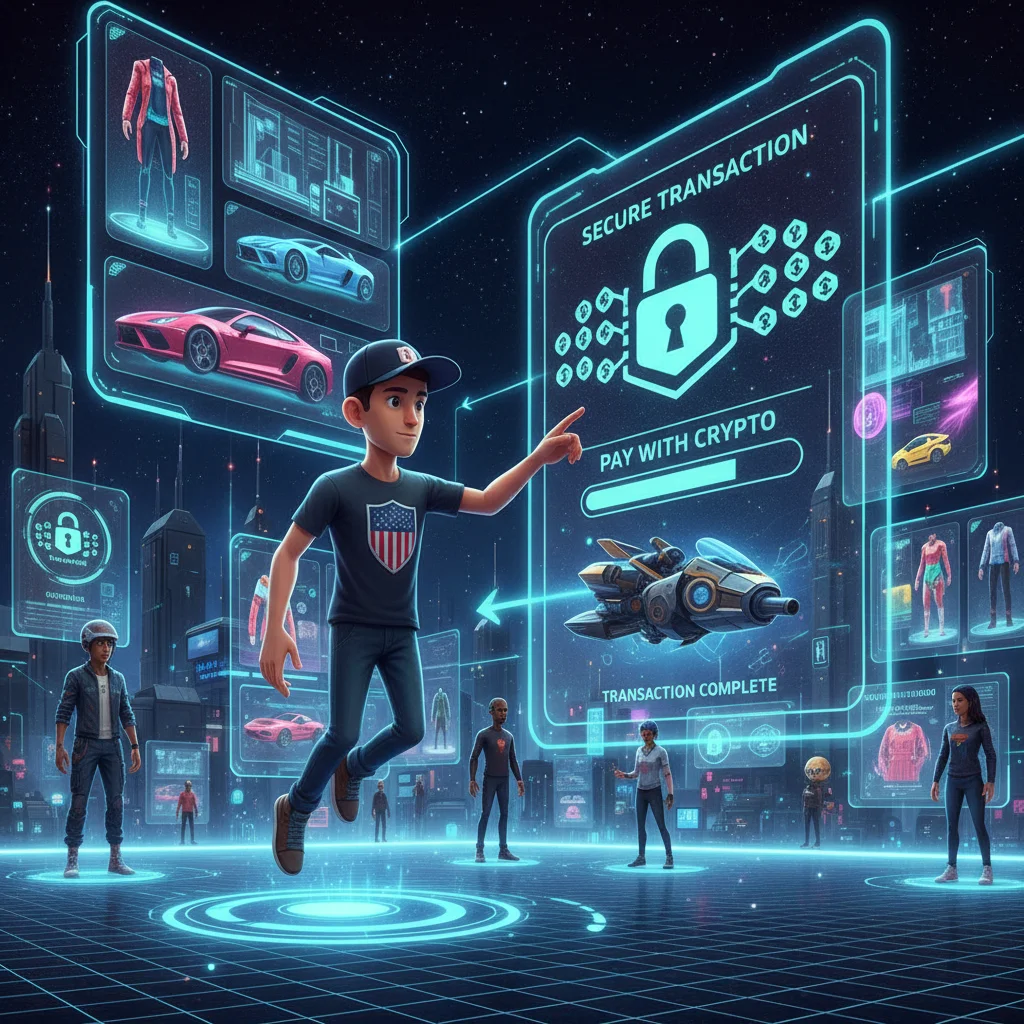
Blockchain technology is fundamental to the metaverse’s economic structure, enabling true digital ownership and verifiable scarcity through Non-Fungible Tokens (NFTs). For metaverse US consumers, this means the ability to own digital assets – from virtual land and clothing to unique art and collectibles – with the same level of verifiable ownership as physical goods. By mid-2026, we’ll see more sophisticated NFT marketplaces, clearer regulatory frameworks, and increased understanding among the general public regarding the value and utility of digital assets. This will empower creators and give users unprecedented control over their digital identities and possessions.
Artificial Intelligence (AI): Enhancing Experiences and Interactions
AI will play a crucial role in making metaverse experiences more dynamic, personalized, and intelligent. AI-powered non-player characters (NPCs) will offer more realistic interactions, personalized recommendations will guide users through virtual spaces, and AI-driven content generation tools will empower even novice creators. For metaverse US consumers, this translates to richer, more responsive environments and more intuitive interfaces. Imagine AI companions that learn your preferences and help you navigate complex virtual worlds or AI-generated virtual landscapes that adapt to your mood.
5G and Beyond: The Connectivity Imperative
High-speed, low-latency connectivity is non-negotiable for a seamless metaverse experience. The continued rollout and improvement of 5G networks across the US will be vital. By mid-2026, widespread 5G coverage will enable faster data transfer, crucial for rendering complex virtual environments and supporting real-time interactions without lag. This robust connectivity will be the invisible backbone ensuring that metaverse US consumers can access and enjoy these immersive worlds without frustration.
Key Areas of Impact for US Consumers by Mid-2026
The metaverse isn’t just about gaming; its influence will stretch across various facets of life for metaverse US consumers. From how we work and learn to how we shop and socialize, the changes will be significant and far-reaching.
Social Interaction and Community Building
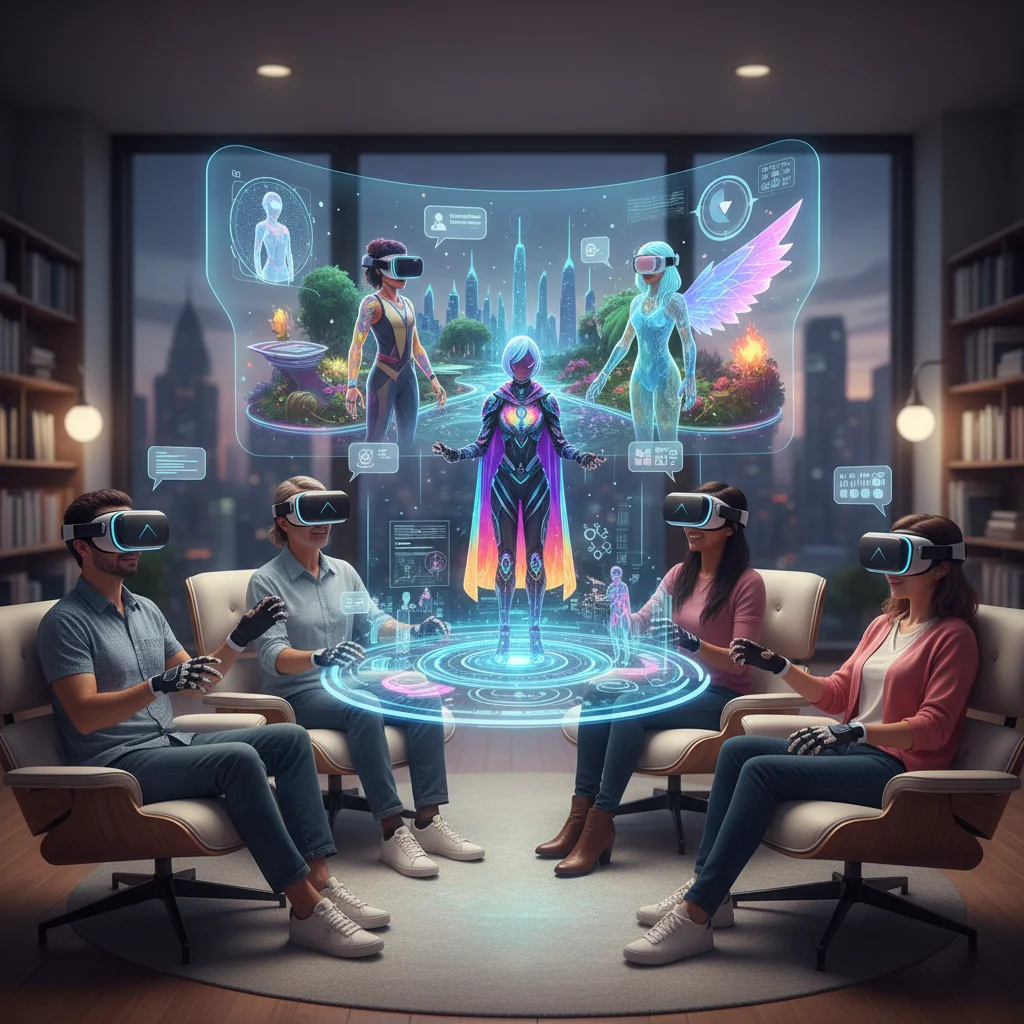
Social metaverse platforms are already gaining traction, offering new ways to connect with friends, family, and new communities. By mid-2026, these platforms will be more sophisticated, offering richer avatar customization, more expressive communication options, and a wider array of shared activities. Think virtual concerts with thousands of attendees, immersive art galleries, or even digital ‘third places’ where people can simply hang out and chat. For metaverse US consumers, these platforms will provide novel avenues for social engagement, especially for those seeking connections beyond geographical limitations.
Commerce and the Digital Economy
The metaverse will open up entirely new economic opportunities. Brands are already investing heavily in virtual storefronts, digital fashion, and unique NFT collections. By mid-2026, metaverse US consumers will be accustomed to purchasing digital goods and services that exist solely within virtual worlds. This includes everything from virtual clothing for their avatars to digital real estate, exclusive event access, and even virtual services. The lines between physical and digital commerce will blur, with many brands offering phygital (physical + digital) products. This shift will create new jobs, new entrepreneurial ventures, and new ways for consumers to express themselves through their digital identities.
Education and Learning
Immersive learning experiences will revolutionize education. Imagine medical students practicing complex surgeries in a virtual operating room, history students exploring ancient Rome in 3D, or engineering students collaborating on virtual prototypes. By mid-2026, educational institutions will increasingly adopt metaverse technologies to offer more engaging and effective learning environments. This will provide metaverse US consumers with unprecedented access to interactive learning, personalized instruction, and hands-on training that was previously impossible or prohibitively expensive.
Entertainment and Gaming
Gaming is the most obvious precursor to the metaverse, and it will continue to be a dominant force. However, by mid-2026, entertainment in the metaverse will extend far beyond traditional gaming. We’ll see more interactive storytelling, live events with unprecedented levels of audience participation, and new forms of creative expression. Virtual concerts, interactive movies, and immersive theatrical experiences will become more mainstream, offering metaverse US consumers novel ways to consume and participate in entertainment. The boundaries between creator and audience will also become more fluid, as users gain tools to contribute to these experiences.
Work and Productivity
While still in early stages, the metaverse holds potential for transforming work environments. Immersive virtual meeting spaces, collaborative design platforms, and even virtual offices could become more common. By mid-2026, some forward-thinking companies will be utilizing these tools to enhance remote work, foster global collaboration, and create more engaging employee experiences. For metaverse US consumers in professional roles, this could mean more flexible work arrangements and more effective ways to collaborate with colleagues across distances.
Challenges and Considerations for Metaverse US Consumers
Despite its promise, the metaverse presents several challenges and ethical considerations that metaverse US consumers must be aware of. Addressing these will be crucial for the healthy and equitable development of this new digital frontier.
Privacy and Data Security
The metaverse will generate vast amounts of personal data, from biometric information captured by headsets to behavioral data within virtual worlds. Ensuring the privacy and security of this data will be paramount. Metaverse US consumers will need to be vigilant about how their data is collected, used, and shared. Regulatory bodies will likely introduce new frameworks, but individual awareness and proactive security measures will remain essential.
Digital Identity and Ownership
Managing digital identities and ensuring verifiable ownership of digital assets will be complex. While blockchain offers solutions, issues like digital asset theft, intellectual property rights in virtual spaces, and the permanence of digital identities will require careful consideration. For metaverse US consumers, understanding the nuances of digital ownership and the risks associated with it will be vital.
Accessibility and Digital Divide
The cost of high-end VR/AR hardware and reliable internet access could exacerbate existing digital divides. Ensuring equitable access to the metaverse, regardless of socioeconomic status or geographical location, will be a significant challenge. Developers and policymakers will need to work together to create affordable entry points and ensure that the benefits of the metaverse are accessible to all metaverse US consumers.
Content Moderation and Safety
As virtual worlds become more pervasive, issues of content moderation, harassment, and online safety will become even more complex. Establishing clear rules, robust reporting mechanisms, and effective enforcement will be critical to creating safe and inclusive environments for all metaverse US consumers. This includes addressing issues like virtual assault, hate speech, and misinformation within immersive spaces.
Mental Health and Well-being
The potential for excessive screen time, addiction, and disassociation from the physical world are valid concerns. As the metaverse becomes more immersive and engaging, understanding its impact on mental health and promoting healthy digital habits will be crucial. Metaverse US consumers will need to be mindful of their usage and platforms will need to build in features that promote well-being.
Insider Knowledge: What to Watch For by Mid-2026
Beyond the general trends, there are specific indicators and developments that metaverse US consumers should pay close attention to as we approach mid-2026. These insights offer a more granular view of the immediate future.
The Rise of Interoperability Standards
Currently, many metaverse platforms are walled gardens, meaning assets and identities cannot easily transfer between them. By mid-2026, expect significant progress in developing interoperability standards. Organizations like the Metaverse Standards Forum are working to create common protocols that will allow avatars, digital assets, and user data to move seamlessly across different virtual worlds. This will be a game-changer for metaverse US consumers, offering a more unified and less fragmented experience.
Increased Corporate Investment and Consolidation
Major tech companies, alongside a plethora of startups, are pouring billions into metaverse development. By mid-2026, we’ll likely see increased consolidation in the market, with larger players acquiring promising startups to expand their metaverse ecosystems. This will lead to more robust platforms but also raises concerns about monopolies and diverse offerings. Metaverse US consumers should observe which companies are gaining traction and how this affects the competitive landscape.
Government and Regulatory Scrutiny
As the metaverse grows, so too will government interest in regulating it. By mid-2026, expect to see early legislative proposals and increased regulatory scrutiny concerning digital asset ownership, data privacy, taxation of virtual economies, and child protection in virtual spaces. This will impact how metaverse US consumers interact with these platforms and the types of content they can access.
Mainstream Adoption of ‘Lite’ Metaverse Experiences
While full VR immersion might still be niche, ‘lite’ metaverse experiences will become more mainstream. This includes AR filters on social media, interactive 3D product visualizations on e-commerce sites, and web-based virtual event spaces accessible via standard browsers. These accessible entry points will gradually onboard more metaverse US consumers, familiarizing them with digital avatars, virtual environments, and digital ownership concepts without requiring expensive hardware.
New Business Models and Creator Economies
The metaverse will foster entirely new business models centered around digital scarcity, user-generated content, and micro-transactions. By mid-2026, a burgeoning creator economy will empower individuals to design, build, and monetize their own virtual experiences, assets, and services. This will provide unprecedented opportunities for metaverse US consumers to become digital entrepreneurs and creators, shifting the paradigm of content consumption to content creation.
Preparing for the Metaverse: A Consumer Checklist
For metaverse US consumers, preparation is key to navigating this evolving digital landscape effectively. Here’s a checklist of actions and considerations:
- Stay Informed: Follow reputable tech news sources and industry analysts to keep abreast of developments.
- Experiment Cautiously: Try out existing VR/AR applications and metaverse platforms to get a feel for the technology, but approach investments in digital assets with caution.
- Understand Digital Ownership: Educate yourself on blockchain, NFTs, and the implications of digital asset ownership.
- Prioritize Privacy and Security: Be mindful of the data you share in virtual environments and utilize strong security practices.
- Manage Screen Time: Be aware of the potential for excessive usage and balance virtual experiences with real-world activities.
- Consider Your Digital Identity: Think about how you want to represent yourself in virtual spaces and the implications of your digital footprint.
- Advocate for Openness: Support initiatives and platforms that promote interoperability and open standards to avoid walled-garden ecosystems.
The Future is Now: Embracing the Metaverse
The metaverse is not a distant future but a present reality that is rapidly accelerating. By mid-2026, metaverse US consumers will experience a more mature, integrated, and impactful version of this digital frontier. While challenges in privacy, accessibility, and content moderation remain, the potential for innovation, connection, and economic opportunity is immense. By staying informed, experimenting responsibly, and understanding the underlying technologies, US consumers can not only adapt to this new digital era but also actively shape its development.
The journey into the metaverse is just beginning, and for metaverse US consumers, the next few years will be crucial in defining its trajectory. Embrace the exploration, question the norms, and prepare for a future where the digital and physical worlds become increasingly intertwined.