US Consumer Decision-Making 2026: Navigating the Paradox of Choice
Navigating the Paradox of Choice: US Consumer Decision-Making in 2026
The year is 2026, and the landscape of commerce, technology, and consumer psychology has evolved at an unprecedented pace. For businesses, understanding the intricacies of US Consumer Decisions 2026 is not just an advantage; it’s a necessity for survival and growth. We live in an era defined by an overwhelming abundance of options – a true paradox of choice. While more choices might seem like a boon for consumers, research consistently shows that too many options can lead to decision paralysis, anxiety, and even dissatisfaction with the final purchase. This comprehensive guide will delve into the multifaceted factors shaping how American consumers make choices today and what businesses need to do to navigate this complex environment successfully.
The digital revolution, accelerated by recent global events, has profoundly reshaped consumer behavior. From how we discover products to how we evaluate them and ultimately make a purchase, every step of the journey is infused with digital touchpoints. Social media, artificial intelligence, augmented reality, and personalized algorithms are no longer futuristic concepts but integral components of the daily consumer experience. This article will explore these transformative forces and offer actionable insights for businesses aiming to connect authentically and effectively with the modern American consumer.
The Evolving Consumer Landscape: Key Drivers of Change
To comprehend US Consumer Decisions 2026, we must first acknowledge the seismic shifts that have occurred and continue to unfold. These drivers are not isolated but interconnected, creating a dynamic and often unpredictable marketplace.
Technological Advancements and Digital Immersion
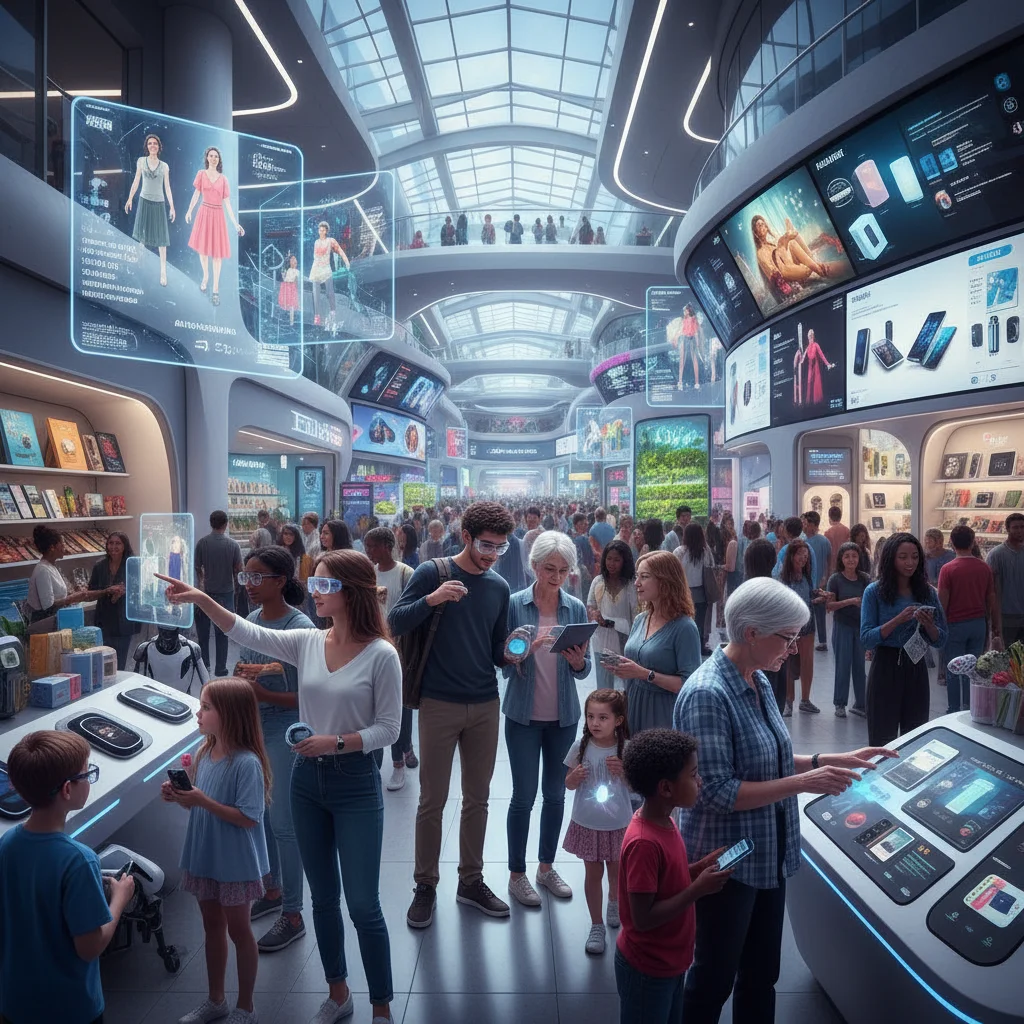
The pervasive nature of technology is arguably the most significant driver. Smartphones are now extensions of ourselves, enabling instant access to information, reviews, and purchasing platforms. The rise of 5G and soon 6G networks means faster, more seamless digital interactions. AI-powered recommendations are becoming increasingly sophisticated, anticipating needs before consumers even articulate them. Virtual and augmented reality are moving beyond novelty, offering immersive shopping experiences that blur the lines between the physical and digital worlds. Voice commerce, facilitated by smart speakers and digital assistants, adds another layer of convenience, allowing effortless transactions.
Shifting Values and Priorities
Beyond technology, consumer values are undergoing a significant transformation. Sustainability, ethical sourcing, and social responsibility are no longer niche concerns but mainstream expectations. Consumers, particularly younger generations, are more likely to support brands that align with their personal values and demonstrate a commitment to positive societal impact. Authenticity and transparency are paramount; brands that attempt to ‘greenwash’ or mislead consumers face swift backlash. The emphasis on experiences over possessions continues to grow, influencing how consumers allocate their discretionary spending. Health and wellness, both physical and mental, remain top priorities, driving demand for products and services that promote well-being.
Economic Fluctuations and Financial Prudence
Economic conditions inevitably play a crucial role in shaping consumer decisions. Inflationary pressures, interest rate changes, and job market stability directly impact purchasing power and consumer confidence. In 2026, consumers are likely to remain financially savvy, seeking value, durability, and a clear return on investment. The ‘buy now, pay later’ (BNPL) phenomenon has democratized access to products but also introduced new considerations regarding debt and financial planning. Businesses must be acutely aware of the economic climate and adapt their pricing strategies, product offerings, and payment solutions accordingly.
The Power of Community and Social Proof
In an increasingly interconnected world, the influence of peers, online communities, and social proof cannot be overstated. User-generated content, influencer marketing, and online reviews hold immense sway over purchasing decisions. Consumers trust recommendations from people they perceive as authentic, whether they are friends, family, or respected online personalities, far more than traditional advertising. Building strong, engaged communities around a brand fosters loyalty and advocacy, turning customers into brand ambassadors. The desire for belonging and validation often translates into purchasing choices that reflect group norms or aspirations.
The Paradox of Choice in Action: Why More Isn’t Always Better
The concept of the paradox of choice, popularized by psychologist Barry Schwartz, highlights a critical challenge for US Consumer Decisions 2026. While the freedom to choose is generally desirable, an excessive number of options can lead to several negative consequences:
- Decision Paralysis: Faced with too many alternatives, consumers may become overwhelmed and postpone or avoid making a decision altogether.
- Anxiety and Stress: The process of evaluating numerous options can be mentally taxing, leading to increased stress and even regret before a purchase is made.
- Lower Satisfaction: Even when a choice is made, the consumer may wonder if they made the ‘best’ choice, leading to post-purchase regret and reduced satisfaction with their decision.
- Increased Expectations: The availability of endless options can raise consumer expectations to unrealistic levels, making it harder for any single product or service to fully satisfy them.
For businesses, this means that simply offering a vast catalog of products is no longer a winning strategy. Instead, the focus must shift towards simplifying the decision-making process for the consumer.
Psychological Underpinnings of Modern Consumer Choices
Understanding the psychological factors at play is crucial for businesses aiming to influence US Consumer Decisions 2026. These cognitive biases and behavioral patterns often operate beneath conscious awareness, yet they profoundly impact purchasing behavior.
Cognitive Biases and Heuristics
- Anchoring Bias: Consumers often rely too heavily on the first piece of information offered (the ‘anchor’) when making decisions. This can be a price, a product feature, or a review.
- Confirmation Bias: People tend to seek out and interpret information that confirms their existing beliefs or hypotheses. This means consumers will actively look for reasons to justify a pre-conceived preference.
- Availability Heuristic: Decisions are often based on how easily information comes to mind. Products that are heavily advertised or frequently encountered are more likely to be recalled and chosen.
- Framing Effect: The way information is presented (framed) can significantly influence choices. Presenting a product as ‘90% fat-free’ is often more appealing than ‘10% fat’.
- Loss Aversion: The pain of losing something is psychologically more powerful than the pleasure of gaining something of equal value. This can make consumers hesitant to switch products or try new brands.
The Role of Emotion in Decision-Making
While we often like to believe our decisions are rational, emotions play a dominant role. Brands that evoke positive emotions – joy, trust, excitement, security – are more likely to resonate with consumers. Storytelling, brand narratives, and experiential marketing are powerful tools for forging emotional connections. Furthermore, the fear of missing out (FOMO) can drive impulse purchases, while the desire for status or belonging can influence brand choices.
The Influence of Scarcity and Urgency
In a world of abundant choices, creating a sense of scarcity or urgency can be a potent motivator. Limited-time offers, exclusive products, or low-stock alerts can prompt immediate action by playing on consumers’ fear of missing out and their desire for unique items. However, this tactic must be used authentically to avoid eroding consumer trust.
Strategies for Businesses to Thrive in 2026
Given the complexities of US Consumer Decisions 2026, businesses must adopt sophisticated and consumer-centric strategies. Here are key areas to focus on:
1. Personalization at Scale
In a sea of options, personalization cuts through the noise. Consumers expect tailored experiences, from product recommendations to marketing messages. Leveraging AI and data analytics allows businesses to understand individual preferences, purchase history, and browsing behavior to deliver highly relevant content and offers. This moves beyond simple name recognition to truly anticipating needs and presenting solutions.

Effective personalization involves:
- Dynamic Website Content: Displaying different products or promotions based on a user’s past interactions.
- Personalized Email Marketing: Sending targeted emails with relevant product suggestions or content.
- AI-Powered Recommendations: Using algorithms to suggest products similar to past purchases or browsing behavior.
- Customized Customer Service: Equipping service agents with insights into a customer’s history to provide more efficient and relevant support.
2. Simplifying the Decision Journey
Instead of overwhelming consumers, businesses should aim to simplify the path to purchase. This involves:
- Curated Selections: Offering a carefully curated range of products rather than an exhaustive list. Think ‘best of’ lists or themed collections.
- Clear Value Propositions: Articulating the unique benefits and value of each product clearly and concisely.
- Intuitive User Experience (UX): Designing websites and apps that are easy to navigate, with clear calls to action and minimal friction.
- Comparison Tools: Providing easy-to-use tools that allow consumers to compare key features and benefits of similar products.
- Expert Guidance: Offering accessible customer support, chatbots, or virtual assistants to answer questions and guide consumers.
3. Building Trust and Transparency
In an age of skepticism, trust is the new currency. Brands must be transparent about their practices, from sourcing and manufacturing to pricing and data privacy. This includes:
- Ethical Sourcing: Clearly communicating the origins of products and the ethical standards upheld.
- Sustainability Initiatives: Showcasing genuine efforts towards environmental responsibility.
- Data Privacy: Being upfront about how customer data is collected, used, and protected.
- Authentic Reviews: Encouraging and displaying genuine customer reviews, both positive and negative, to build credibility.
- Responsive Customer Service: Promptly addressing customer concerns and feedback, demonstrating that the brand values its customers.
4. Leveraging Experiential Marketing and Immersive Technologies
As consumers increasingly value experiences, brands should move beyond traditional product-focused marketing. This means:
- Augmented Reality (AR) Shopping: Allowing customers to virtually ‘try on’ clothes, place furniture in their homes, or visualize products in their environment before purchasing.
- Virtual Reality (VR) Experiences: Creating immersive brand experiences that transport consumers to virtual showrooms or interactive environments.
- Interactive Content: Developing quizzes, configurators, or personalized content that engages consumers and helps them narrow down choices.
- Pop-up Stores and Events: Creating unique physical experiences that offer a sensory brand engagement and foster community.

5. Fostering Community and Social Engagement
Brands that successfully build communities around their products or values benefit from increased loyalty and organic advocacy. Strategies include:
- User-Generated Content (UGC) Campaigns: Encouraging customers to share their experiences and content related to the brand.
- Influencer Partnerships: Collaborating with authentic influencers who genuinely align with the brand’s values and target audience.
- Online Forums and Groups: Creating spaces where customers can connect, share tips, and provide feedback.
- Loyalty Programs: Rewarding engagement and repeat purchases, making customers feel valued and part of an exclusive group.
6. Embracing Ethical AI and Data Practices
While AI is powerful for personalization, its ethical implementation is critical. Consumers are increasingly concerned about data privacy and algorithmic bias. Businesses must:
- Be Transparent About AI Use: Clearly communicate how AI is being used to enhance the customer experience.
- Ensure Data Security: Implement robust measures to protect customer data from breaches.
- Address Algorithmic Bias: Regularly audit AI systems to ensure fairness and prevent discriminatory outcomes.
- Offer Opt-Out Options: Give consumers control over their data and personalization settings.
The Future of US Consumer Decisions 2026: A Look Ahead
The trajectory of US Consumer Decisions 2026 suggests a continued emphasis on a few key themes:
- Hyper-Personalization and Anticipatory Commerce: AI will become even more sophisticated, anticipating consumer needs and proactively offering solutions, potentially even before the consumer realizes they have a need.
- The Blurring of Physical and Digital: The lines between online and offline shopping will continue to dissolve, with seamless transitions between channels and integrated experiences.
- Ethical Consumption as a Default: Sustainability, social impact, and ethical practices will move from being a differentiator to a baseline expectation for most consumers.
- The Experience Economy on Steroids: Brands that can offer unique, memorable, and personalized experiences will capture the loyalty of discerning consumers.
- Data Privacy and Trust as a Competitive Advantage: Companies that prioritize and demonstrate a strong commitment to consumer data privacy will gain a significant competitive edge.
The modern consumer is empowered, informed, and discerning. They demand value, authenticity, and experiences that resonate on a personal level. The paradox of choice, while challenging, also presents an opportunity for businesses to stand out by simplifying, personalizing, and building genuine connections.
Conclusion: Mastering the Art of Connection in a World of Choice
In conclusion, understanding and adapting to US Consumer Decisions 2026 requires a holistic approach that integrates technological innovation with a deep psychological understanding of human behavior. The paradox of choice is a formidable force, but it can be navigated successfully by businesses willing to prioritize the consumer experience above all else.
By focusing on personalization, simplifying the decision journey, building unwavering trust, embracing immersive technologies, fostering vibrant communities, and upholding ethical data practices, brands can transform the overwhelming abundance of choice into an opportunity for deeper engagement and lasting loyalty. The future of commerce belongs to those who can master the art of connection in a world brimming with options, guiding consumers not just to a product, but to the right product, at the right time, with confidence and satisfaction. The journey ahead for businesses is one of continuous learning, adaptation, and empathy, ensuring that every interaction adds value and strengthens the bond with the ever-evolving American consumer.