Post-Pandemic Spending Habits: 5 Lasting Changes for US Consumers by 2026
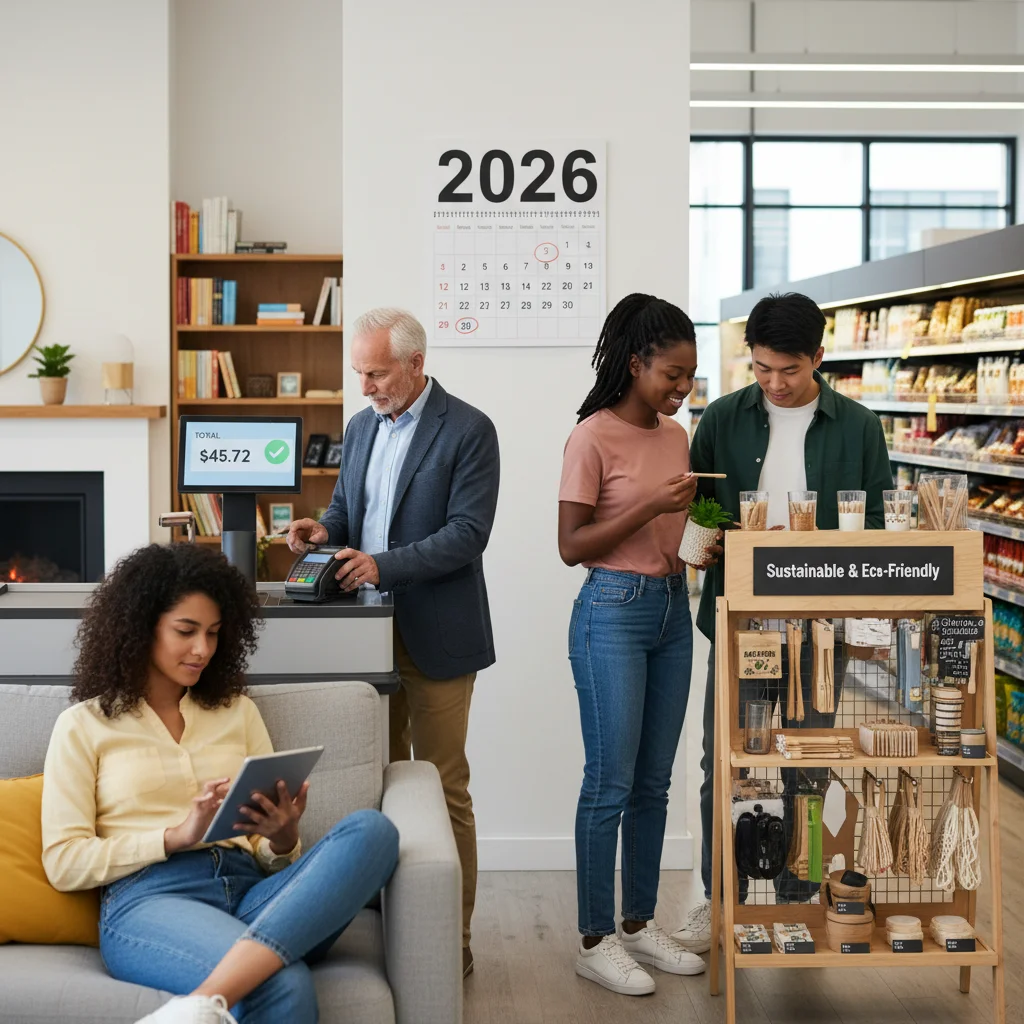
The world changed dramatically in 2020, and with it, the way people live, work, and spend. The COVID-19 pandemic acted as a powerful catalyst, accelerating pre-existing trends and forging entirely new patterns in consumer behavior. As we move further away from the acute phase of the crisis, it’s becoming increasingly clear that many of these shifts in post-pandemic spending habits are not temporary. They are deeply ingrained and poised to define the retail and economic landscape for years to come. By 2026, US consumers will have solidified these new approaches to their finances and purchasing decisions, creating a ‘new normal’ that businesses and individuals alike must understand and adapt to.
Understanding these enduring changes in post-pandemic spending habits is crucial for businesses aiming to thrive in the evolving market, for policymakers shaping economic strategies, and for individuals seeking to navigate their personal finances effectively. This comprehensive analysis will delve into five significant and lasting transformations in US consumer spending, offering insights into their origins, their current manifestations, and their projected impact by 2026.
1. The Permanent Acceleration of Digital Commerce and Home Delivery
One of the most undeniable and pervasive shifts in post-pandemic spending habits is the dramatic acceleration of digital commerce. While online shopping was already on an upward trajectory before 2020, the pandemic forced a rapid and widespread adoption across all demographics, particularly among older generations who might have been slower to embrace it. Lockdowns, social distancing measures, and concerns about in-person shopping safety pushed millions of consumers towards e-commerce platforms, and many have found the convenience irresistible.
By 2026, digital commerce is not just a preference; it’s a fundamental expectation. Consumers have grown accustomed to the ease of browsing, comparing, and purchasing goods and services from the comfort of their homes. This includes everything from groceries and household essentials to apparel, electronics, and even luxury items. The infrastructure for online shopping, including faster delivery options, improved user interfaces, and sophisticated recommendation engines, has also matured significantly, further entrenching these habits.
The Rise of ‘Omnichannel’ as the Standard
This isn’t merely about online vs. offline anymore; it’s about seamless integration. Consumers expect an ‘omnichannel’ experience where they can fluidly move between digital and physical touchpoints. This means being able to research products online and buy in-store, or vice-versa, with consistent pricing, inventory, and customer service. Features like ‘buy online, pick up in-store’ (BOPIS) and curbside pickup, which gained immense popularity during the pandemic, are now standard offerings that contribute significantly to customer satisfaction and loyalty. Businesses that fail to provide a cohesive omnichannel strategy will struggle to compete.
Hyper-Personalization and Data-Driven Marketing
The vast amount of data generated by increased digital interactions allows businesses to engage in hyper-personalization. Consumers now expect tailored recommendations, personalized offers, and a shopping experience that anticipates their needs. AI and machine learning are playing an increasingly critical role in analyzing purchasing patterns, browsing history, and even social media activity to deliver highly relevant content and product suggestions. This data-driven approach is a cornerstone of modern digital commerce and will only become more sophisticated by 2026.
The Gig Economy’s Role in Last-Mile Delivery
The explosion of home delivery services, from groceries to restaurant meals, has been facilitated by the expansion of the gig economy. Companies like DoorDash, Uber Eats, and Instacart have become household names, and their services are no longer seen as a luxury but often a necessity. This trend is expected to continue, with consumers valuing speed and convenience above all else. Businesses are investing heavily in logistics and last-mile delivery solutions, including drone delivery and autonomous vehicles, to meet these escalating demands. The efficiency and reliability of home delivery will be a key differentiator in the competitive landscape.
The permanent acceleration of digital commerce and home delivery is reshaping urban planning, retail real estate, and employment markets. It demands constant innovation from businesses and highlights the critical need for robust digital infrastructure and cybersecurity measures to protect consumer data.
2. A Heightened Focus on Financial Resilience and Savings
The economic uncertainties unleashed by the pandemic, including job losses, furlough schemes, and market volatility, served as a stark reminder of the importance of financial security. This experience has fundamentally altered post-pandemic spending habits, leading to a much greater emphasis on financial resilience and savings among US consumers.
Increased Savings Rates and Debt Reduction
Following the initial shock, many consumers, particularly those who maintained their income, used reduced spending opportunities during lockdowns to build up their savings. While savings rates may fluctuate with economic conditions, the underlying sentiment has shifted. By 2026, a significant portion of consumers will likely prioritize building an emergency fund, contributing to retirement accounts, and paying down high-interest debt over discretionary spending. The ‘rainy day’ fund is no longer a theoretical concept but a tangible necessity that many experienced firsthand.
Prudent Budgeting and Financial Planning
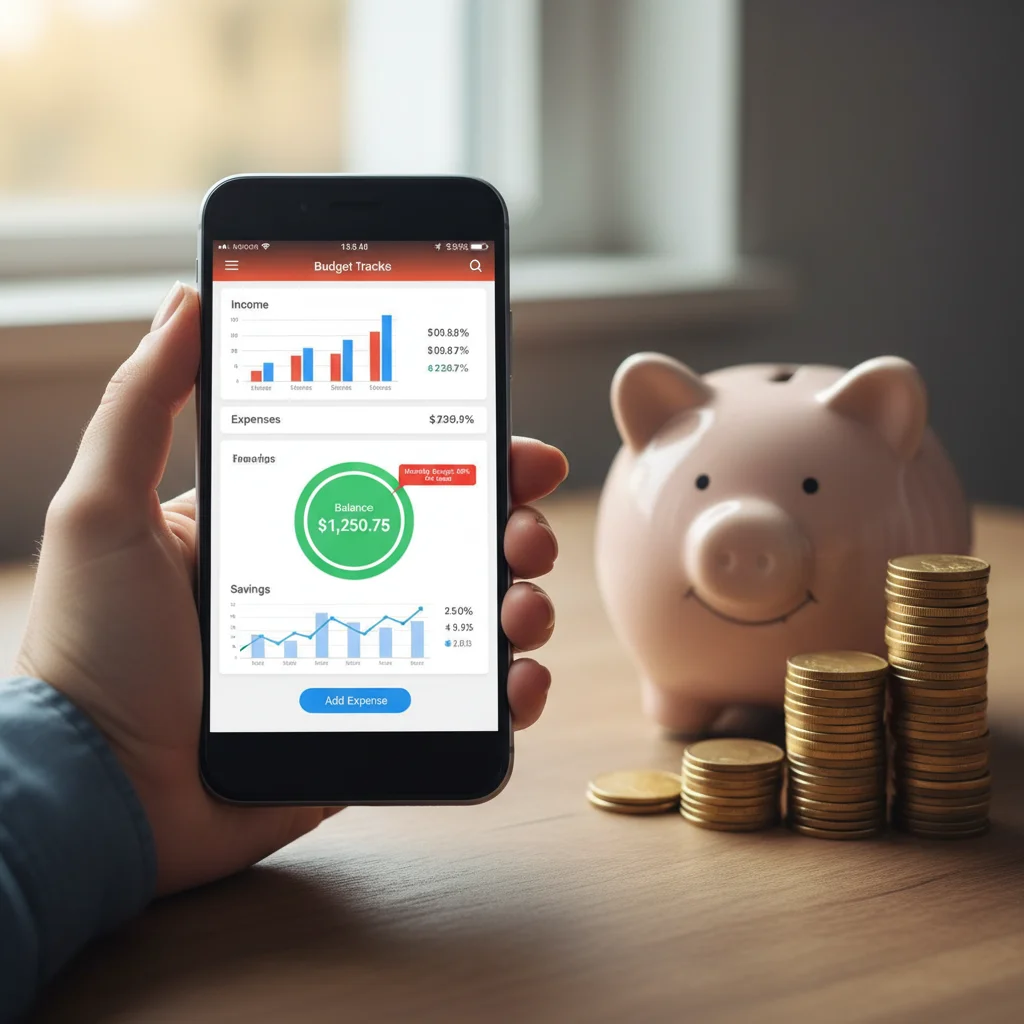
The pandemic spurred a renewed interest in personal finance management. More individuals are actively budgeting, tracking their expenses, and seeking financial advice. Fintech apps designed for budgeting, investing, and savings have seen a surge in popularity, making financial planning more accessible. This proactive approach to managing money is expected to persist, as consumers seek to gain a greater sense of control over their financial futures and mitigate potential future shocks.
Shift from Experiential to Essential Spending (Initially) and a Return to Mindful Experiences
Initially, during the pandemic, there was a sharp pivot from experiential spending (travel, dining out, entertainment) to essential goods. While experiential spending has largely rebounded, the approach to it has changed. Consumers are now often more mindful of the value and impact of their discretionary spending, particularly on experiences. They might seek out more authentic, meaningful, or locally-sourced experiences rather than simply accumulating possessions. This doesn’t mean a complete abandonment of experiences, but rather a more considered approach, often coupled with a continued focus on financial prudence.
This heightened focus on financial resilience means businesses need to understand that consumers are more discerning. Value propositions must be clear, and products/services that genuinely contribute to financial well-being (e.g., durable goods, energy-efficient solutions, educational courses) may gain an advantage. Financial institutions, in particular, have an opportunity to offer tools and advice that resonate with this new consumer mindset.
3. The Enduring Value of Health and Wellness Investments
The pandemic placed health at the forefront of everyone’s minds. This intense focus on physical and mental well-being has translated into significant and lasting changes in post-pandemic spending habits, with consumers increasingly investing in products and services that promote health, immunity, and overall wellness.
Growth in Home Fitness and Digital Wellness
With gyms closed and social interaction restricted, home fitness solutions exploded in popularity. From Peloton bikes and smart mirrors to subscription-based workout apps, consumers invested in creating personal wellness spaces. While gyms have reopened, many consumers have maintained their home fitness routines, valuing the convenience and flexibility. Digital wellness, including meditation apps, online therapy, and wearable health trackers, has also seen sustained growth, becoming integral to daily routines for managing stress and monitoring health metrics.
Increased Spending on Healthy Food and Supplements
There’s a sustained trend towards healthier eating and a greater interest in immune-boosting foods and supplements. Consumers are more aware of the link between diet and health, leading to increased spending on organic produce, plant-based alternatives, and nutritional supplements. This isn’t just a fad; it’s a fundamental re-evaluation of dietary choices driven by health consciousness. Grocery stores and food brands are adapting by expanding their offerings in these categories.
Mental Health Prioritization
The mental health toll of the pandemic was immense, leading to a destigmatization and increased prioritization of mental well-being. Spending on mental health services, from therapy to mindfulness tools, has risen and is expected to continue. Employers are also recognizing the importance of mental health support, offering benefits that reflect this shift. Consumers are more willing to invest in their mental health, viewing it as equally important as physical health.
Businesses in the health and wellness sector are well-positioned for continued growth. However, they must offer genuine value, backed by scientific credibility, as consumers are becoming more discerning and less susceptible to superficial wellness trends. Authenticity and efficacy will be key drivers of purchasing decisions in this space.
4. A Stronger Demand for Sustainability and Ethical Consumption
The pandemic, alongside growing awareness of climate change and social inequality, has amplified consumer demand for sustainability and ethical practices. This shift in post-pandemic spending habits is not just about eco-friendly products; it encompasses a broader desire for transparency, corporate social responsibility, and a reduced environmental footprint.
Conscious Consumerism and Brand Values
Consumers, particularly younger generations, are increasingly making purchasing decisions based on a brand’s values, environmental impact, and ethical sourcing. They are willing to pay a premium for products that are sustainably produced, fair-trade certified, or come from companies with strong social responsibility records. This means businesses can no longer afford to pay lip service to sustainability; they must integrate it into their core operations and communicate their efforts transparently.
Circular Economy and Durability
There’s a growing interest in the circular economy, where products are designed for longevity, repair, and recycling, rather than a linear ‘take-make-dispose’ model. Consumers are seeking durable goods and are more open to practices like renting, repairing, or buying second-hand items. This shift challenges the traditional fast-fashion and disposable goods industries, pushing them towards more sustainable practices and business models. The longevity and repairability of a product are becoming increasingly important purchasing factors.
Local Sourcing and Supply Chain Transparency
Supply chain disruptions during the pandemic highlighted the vulnerabilities of globalized production and sparked a renewed interest in local sourcing. Consumers are often willing to support local businesses and purchase locally produced goods, seeing it as a way to bolster their communities and reduce environmental impact. Furthermore, there’s a greater demand for transparency regarding product origins, manufacturing processes, and labor practices. Brands that can provide clear, verifiable information about their supply chains will build greater trust with consumers.
By 2026, companies that genuinely embrace sustainability and ethical practices will gain a significant competitive advantage. Those that don’t risk alienating a growing segment of the consumer base. This trend requires a fundamental rethinking of product design, manufacturing, marketing, and corporate governance.
5. The Blurring Lines Between Work, Life, and Home Spending
The widespread adoption of remote and hybrid work models has profoundly reshaped daily routines and, consequently, post-pandemic spending habits. The home has become a multi-functional hub for work, leisure, and personal life, leading to a blurring of traditional spending categories.
Investment in Home Comfort and Technology
With more time spent at home, consumers have invested heavily in creating comfortable, functional, and aesthetically pleasing living spaces. This includes ergonomic office furniture, high-speed internet upgrades, smart home devices, and entertainment systems. Spending on home improvement, decor, and landscaping has seen sustained growth as people seek to optimize their home environments for both productivity and relaxation. This trend is expected to continue as hybrid work models become a permanent fixture for many.
Casualization of Fashion and Personal Care
The shift to remote work has led to a more casual approach to fashion. While professional attire still has its place, there’s a greater emphasis on comfortable yet stylish clothing that transitions easily between video calls and personal activities. This impacts spending on formal wear, with a likely decrease, and a surge in demand for athleisure, comfortable loungewear, and versatile pieces. Similarly, personal care routines may have adapted, with a focus on self-care rituals that can be performed at home.
Subscription Services for Convenience and Entertainment
The home-centric lifestyle has fueled the growth of various subscription services beyond traditional streaming platforms. This includes meal kit deliveries, curated product boxes, online learning platforms, and digital entertainment packages. Consumers are willing to pay for convenience and curated experiences that enhance their home life. Businesses offering subscription models that cater to these needs are likely to see continued success.
This blurring of lines necessitates that businesses understand the multi-faceted roles the home now plays. Products and services that enhance comfort, productivity, and well-being within the home environment will continue to be in high demand. Marketing strategies also need to adapt, recognizing that the consumer’s ‘work self’ and ‘personal self’ are often intertwined within the same physical space.
Conclusion: Navigating the New Landscape of Post-Pandemic Spending Habits
The COVID-19 pandemic undeniably reshaped the global economy and, perhaps most profoundly, the intrinsic behaviors of consumers. The five lasting changes in post-pandemic spending habits discussed here – the permanent acceleration of digital commerce, heightened financial resilience, enduring health and wellness investments, stronger demand for sustainability, and the blurring of work-life boundaries within the home – are not fleeting trends. They represent a fundamental recalibration of priorities, values, and convenience expectations among US consumers.
By 2026, businesses that have successfully adapted to these shifts will be thriving. This adaptation requires more than just minor adjustments; it demands a strategic overhaul in many cases. Companies must invest heavily in their digital presence, optimize for omnichannel experiences, and leverage data to personalize interactions. They must also recognize the consumer’s increased financial prudence, offering clear value and demonstrating how their products or services contribute to long-term well-being.
Furthermore, embedding sustainability and ethical practices into the core of their operations is no longer optional but a baseline expectation for many consumers. Finally, understanding the evolving role of the home as a central hub for all aspects of life – work, leisure, and personal growth – will be crucial for developing relevant products and services.
For individuals, understanding these macro trends can empower more informed financial decisions, encouraging a focus on savings, health, and conscious consumption. The post-pandemic consumer is more savvy, more value-driven, and more digitally engaged than ever before. The businesses that acknowledge and cater to these evolved post-pandemic spending habits will be the ones that not only survive but truly flourish in the years to come, shaping the economic landscape of 2026 and beyond.