Cutting-Edge Headphone Tech: 3 Innovations in Personal Audio
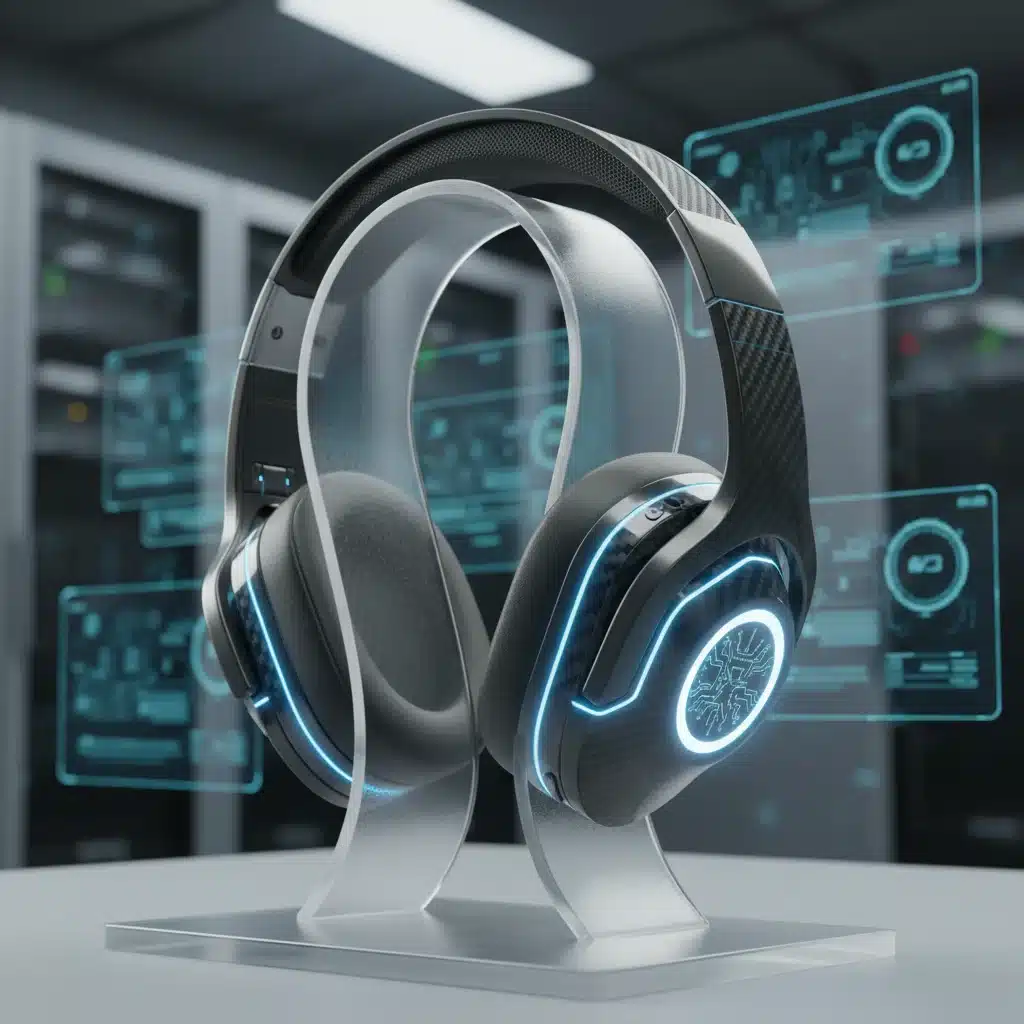
The landscape of personal audio is in a perpetual state of evolution, driven by relentless innovation and a burgeoning demand for superior sound experiences. In just the last three months, the industry has witnessed the emergence of several cutting-edge headphone tech innovations that promise to redefine our auditory world. From enhancing immersion to optimizing comfort and connectivity, these advancements are not just incremental improvements but significant leaps forward. This article delves into three of the most remarkable breakthroughs in personal audio technology, exploring how they are shaping the future of listening.
For audiophiles, casual listeners, and tech enthusiasts alike, understanding these new developments is crucial. The market is saturated with options, but identifying the truly revolutionary technologies can be a daunting task. Our focus today is on highlighting the core principles and tangible benefits of these new headphone technologies, providing a clear picture of what to expect from the next generation of personal audio devices. Prepare to have your perceptions of sound, comfort, and functionality challenged as we explore the leading headphone tech innovations that have recently hit the scene.
The Latest in Personal Audio: 3 Cutting-Edge Headphone Technologies Released in the Last 3 Months
1. Adaptive Noise Cancellation 2.0: Smarter, More Seamless Silence
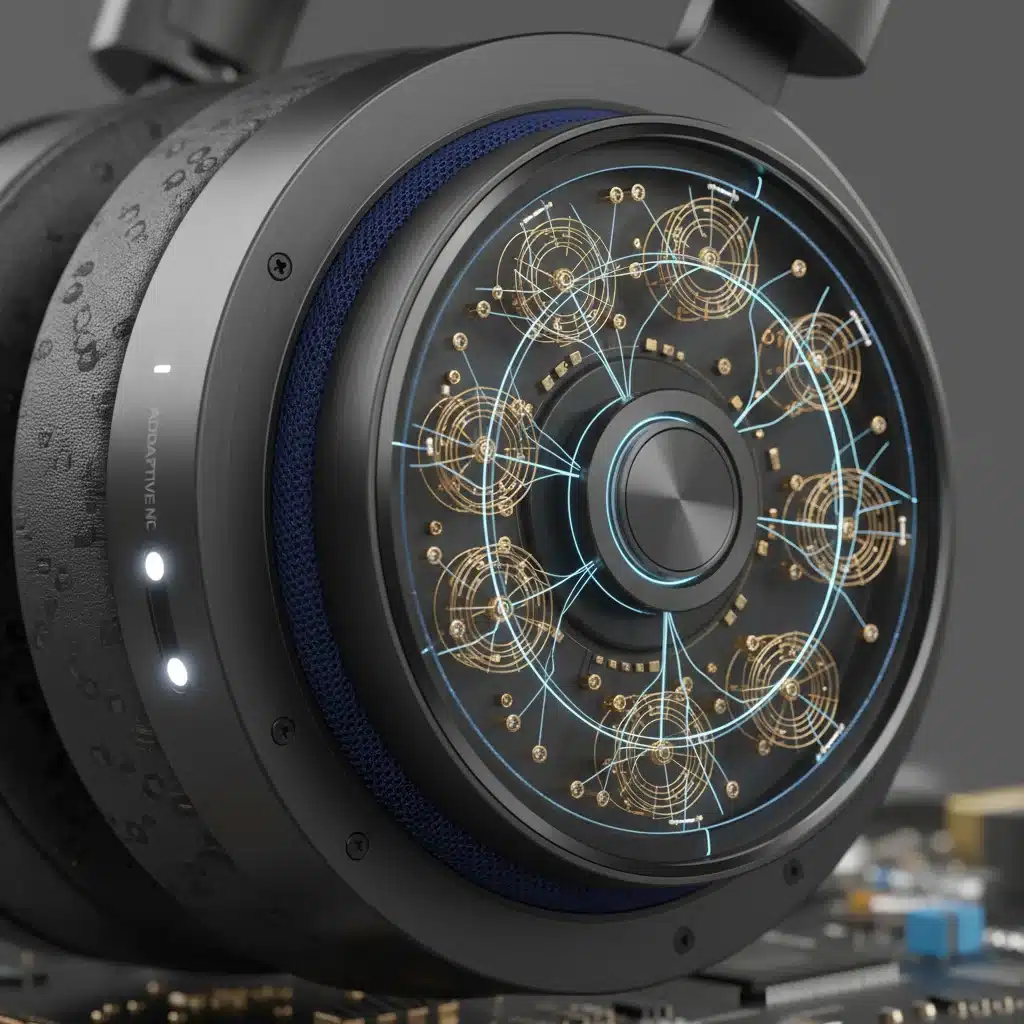
Noise cancellation technology has been a game-changer for personal audio, allowing users to escape the cacophony of daily life and immerse themselves in their music, podcasts, or calls. However, traditional active noise cancellation (ANC) often operates on a one-size-fits-all principle, applying a fixed level of noise reduction regardless of the environment. This approach, while effective, can sometimes lead to an unnatural pressure sensation or fail to adequately address highly dynamic soundscapes. The latest headphone tech innovations in adaptive noise cancellation, often dubbed ‘Adaptive Noise Cancellation 2.0’ or ‘Intelligent ANC,’ aim to rectify these limitations by introducing a new level of environmental awareness and responsiveness.
What makes Adaptive Noise Cancellation 2.0 a significant breakthrough? It’s the integration of advanced real-time environmental analysis coupled with sophisticated algorithms. Unlike its predecessors, this new generation of ANC headphones doesn’t just block noise; it understands it. Microphones strategically placed both inside and outside the earcups continuously monitor ambient sounds. This data is then fed into powerful onboard processors that can identify the type, intensity, and direction of incoming noise. For instance, the system can differentiate between the low rumble of an airplane engine, the chatter of human voices, and the sudden honk of a car horn.
Based on this real-time analysis, the headphones dynamically adjust the level and frequency range of noise cancellation. If you’re on a plane, the system might prioritize blocking low-frequency engine noise. If you step into a busy coffee shop, it might focus on reducing mid-range human speech frequencies while allowing you to hear important announcements. Some advanced implementations even incorporate user movement and head position into the equation, further refining the cancellation profile. This intelligent adaptation results in a more natural listening experience, free from the ‘sealed off’ feeling that some users report with traditional ANC.
Furthermore, Adaptive Noise Cancellation 2.0 often includes features like ‘Transparency Mode’ or ‘Aware Mode’ with enhanced capabilities. Instead of simply allowing external sounds in, these modes can intelligently filter specific frequencies, letting you hear important conversations or traffic while still dampening distracting background noise. This blend of seamless silence and situational awareness is a monumental step forward for cutting-edge headphone tech innovations, offering unparalleled versatility for users navigating diverse environments. The implications for daily commutes, office productivity, and even personal safety are profound, making this one of the most impactful new headphone technologies to emerge recently.
The technical sophistication required for this level of adaptive performance is immense. It involves not only highly sensitive microphones but also powerful digital signal processors (DSPs) capable of executing complex algorithms in milliseconds. Battery life, often a concern with ANC, is also being optimized through more efficient chipsets and power management strategies, ensuring that users can enjoy extended periods of intelligent silence. The integration of AI and machine learning principles is also playing a crucial role, allowing these systems to learn and improve their noise cancellation profiles over time, tailoring the experience even more precisely to individual user preferences and recurring environments. This self-learning capability pushes the boundaries of what’s possible in headphone tech advancements, promising a future where our headphones are not just tools, but intelligent companions that adapt to our every need.
2. Ultra-Low Latency Wireless Audio for Immersive Gaming and Media
Wireless headphones have offered unparalleled freedom and convenience, but they have historically struggled with a persistent issue: latency. The delay between an audio signal being sent from a device and it being heard through the headphones can be negligible for music listening but becomes a critical problem for applications like gaming, video editing, and even watching movies where lip-sync issues can ruin the experience. The latest headphone tech innovations have made significant strides in conquering this challenge, introducing ultra-low latency wireless audio solutions that are finally making cable-free, real-time audio a reality.
The problem of latency in wireless audio stems from several factors, including the encoding and decoding of audio signals, the transmission method (typically Bluetooth), and the processing within the headphones themselves. Older Bluetooth profiles were simply not designed for the instantaneous data transfer required for zero-lag audio. However, recent advancements, particularly with the introduction of new Bluetooth codecs and proprietary wireless protocols, have drastically reduced this delay to imperceptible levels for the human ear.
One of the key drivers behind these improvements is the widespread adoption of Bluetooth LE Audio and specialized low-latency codecs like LC3 and proprietary solutions from various manufacturers. Bluetooth LE Audio, built on the Bluetooth Low Energy radio, is designed to be more power-efficient while also supporting higher quality audio with lower latency. The LC3 codec, in particular, allows for more efficient audio compression and decompression, meaning less data needs to be transmitted, which directly translates to reduced delay. Beyond standard Bluetooth, some brands are developing their own dedicated 2.4 GHz wireless dongles. These dongles often bypass the standard Bluetooth stack entirely, creating a direct, high-speed connection between the source device and the headphones, dramatically cutting down latency to as low as 20-30 milliseconds, which is virtually indistinguishable from a wired connection.
The impact of ultra-low latency wireless audio is most keenly felt in the gaming community. For competitive gamers, even a fraction of a second’s delay in audio can mean the difference between victory and defeat. Hearing enemy footsteps, gunshots, or environmental cues precisely when they happen is crucial for tactical advantage and overall immersion. With these headphone tech innovations, gamers can now enjoy the freedom of wireless headphones without compromising on performance, leading to a more engaging and competitive gaming experience. This extends to virtual reality (VR) and augmented reality (AR) applications, where synchronized audio is paramount for convincing immersion.
Beyond gaming, creators and professionals also stand to benefit. Video editors, musicians, and podcasters often rely on wired connections to avoid audio drift during recording and playback. Ultra-low latency wireless audio opens up new possibilities for these professionals, offering greater mobility and comfort during long sessions without sacrificing accuracy. Furthermore, for everyday media consumption, the elimination of lip-sync issues elevates the viewing experience, making movies and TV shows more enjoyable and less distracting. This focus on minimizing delay represents a critical leap in headphone tech advancements, demonstrating a commitment to making wireless audio truly indistinguishable from its wired counterparts in terms of responsiveness and precision, solidifying its place as a top cutting-edge headphone tech innovation.
3. Bio-Sensing and Personalized Sound Profiles: Your Headphones, Your Biology
The third significant headphone tech innovation making waves in the past quarter is the integration of advanced bio-sensing capabilities and personalized sound profiles. Moving beyond generic equalization settings, these new headphones are designed to understand not just the environment, but also the individual user’s unique physiology and preferences, delivering an audio experience that is truly bespoke. This represents a paradigm shift from ‘one-size-fits-all’ audio to highly individualized sound. The concept of bio-sensing in headphones is not entirely new, but its recent implementations are far more sophisticated and impactful.
At its core, bio-sensing in headphones involves embedding tiny sensors within the earcups or earbuds that can monitor various biological parameters. While some earlier models might have offered basic heart rate tracking, the latest iterations are far more comprehensive. These sensors can measure heart rate variability (HRV), skin temperature, galvanic skin response (GSR), and even brainwave activity (EEG) in some experimental models. The data collected from these sensors can be used for a multitude of purposes, from fitness tracking and stress monitoring to even detecting signs of fatigue or cognitive load. Imagine headphones that not only play music but also gently remind you to take a break if your stress levels spike during a work session, or headphones that track your sleep patterns when worn overnight.
The most compelling application of this bio-sensing technology, however, lies in its ability to create truly personalized sound profiles. Every individual’s ear canal is unique, and our hearing sensitivity varies across different frequencies. Traditional headphones deliver a standard frequency response, which may not be optimal for everyone. New headphone tech innovations leverage advanced algorithms and sometimes even an in-app hearing test to map a user’s specific hearing profile. This profile, combined with data on the physical acoustics of the user’s ear canal (measured by internal microphones), allows the headphones to dynamically adjust their audio output. This means boosting frequencies where a user might have slight hearing deficiencies or fine-tuning the soundstage to perfectly match their ear’s geometry.
Some models go a step further by integrating adaptive EQ based on bio-feedback. For example, if the headphones detect increased stress or fatigue through HRV, they might subtly adjust the audio to a more calming frequency spectrum or suggest a specific type of music known for relaxation. This level of intelligent adaptation transforms headphones from passive audio devices into active wellness companions. The ability to monitor physiological data opens doors for health and fitness applications, allowing headphones to act as discreet, continuous health trackers, feeding valuable data to connected apps and providing actionable insights.
The future implications of bio-sensing and personalized sound profiles are immense. We could see headphones that not only adapt to our hearing but also to our mood, activity, and even our cognitive state, delivering an audio experience that is not just enjoyable but also beneficial for our well-being. This convergence of audio technology, biometric data, and artificial intelligence represents a significant leap forward in headphone tech advancements, promising a truly integrated and intuitive personal audio experience that is tailored to you in every possible way. These new headphone technologies are not just about listening; they are about understanding and enhancing the user’s entire auditory and physiological experience, marking a profound shift in the personal audio landscape.
The Broader Impact of These Headphone Tech Innovations
These three headphone tech innovations—Adaptive Noise Cancellation 2.0, Ultra-Low Latency Wireless Audio, and Bio-Sensing with Personalized Sound Profiles—are not isolated advancements. They represent a synergistic push towards a more intelligent, immersive, and personalized personal audio experience. Each technology, while impressive on its own, contributes to a larger vision of headphones as smart, adaptable companions rather than mere sound output devices. The convergence of these features is creating a new category of audio wearables that are deeply integrated into our daily lives, enhancing productivity, entertainment, and even well-being.
The shift towards smarter noise cancellation means users can enjoy peace and quiet without feeling completely cut off from their surroundings, a crucial balance for urban dwellers and travelers. The eradication of significant wireless latency removes a major barrier for gamers and creative professionals, finally delivering on the promise of truly wire-free, high-performance audio. And the introduction of bio-sensing and personalized sound profiles pushes the boundaries of what ‘personal’ audio truly means, tailoring the soundscape to our unique biology and even monitoring our health.
Beyond individual features, these headphone tech innovations are also driving improvements in other areas. The demand for powerful onboard processing for adaptive ANC and bio-sensing is leading to more efficient chipsets, which in turn benefits battery life and overall performance. The sophisticated algorithms developed for personalized sound are also laying the groundwork for more advanced audio rendering, such as highly realistic spatial audio that adapts to head movements and environmental acoustics. This holistic development ensures that the entire personal audio ecosystem is advancing at an unprecedented pace.
Furthermore, the focus on user-centric design is evident. Manufacturers are not just adding features; they are integrating them in ways that are intuitive and beneficial to the end-user. Companion apps are becoming more sophisticated, allowing users to fine-tune their experience, view biometric data, and customize their sound profiles with unprecedented granularity. This level of control empowers users to truly make their headphones their own, reflecting their preferences and needs. This commitment to user experience is a hallmark of truly cutting-edge audio technology.
The competitive landscape among audio manufacturers is also heating up, spurred by these rapid advancements. Brands are vying to offer the most compelling combination of these features, leading to a healthy ecosystem of innovation. This competition ultimately benefits consumers, as it drives down prices and accelerates the development of even more sophisticated technologies. The next few years promise to be an exciting time for personal audio, with these recent headphone tech innovations setting a very high bar for what’s to come.
What’s Next for Personal Audio?
Looking ahead, the trajectory set by these recent headphone tech innovations suggests an even more integrated and intelligent future for personal audio. We can anticipate further refinement in all three areas discussed. Adaptive Noise Cancellation will likely become even more granular, potentially using AI to predict noise patterns and cancel them before they even reach the ear. Ultra-low latency wireless audio will continue to improve, possibly leading to entirely new wireless communication standards designed specifically for high-fidelity, real-time audio transmission across multiple devices simultaneously.
The bio-sensing capabilities are perhaps where the most revolutionary changes will occur. Imagine headphones that can not only track your heart rate but also monitor your hydration levels, provide real-time feedback on your posture, or even assist with cognitive tasks through targeted audio stimuli. The integration with smart home devices, health platforms, and even virtual assistants will become seamless, making headphones a central hub for personal information and interaction.
Another area of rapid development is spatial audio. While current implementations are impressive, future headphone tech innovations will likely offer even more personalized and dynamic spatial soundscapes. This could involve real-time acoustic mapping of your environment, allowing the headphones to perfectly render 3D audio that sounds as if it’s coming from specific points in your physical space, rather than just within the confines of the headphones. This level of realism will blur the lines between recorded audio and live sound, creating truly immersive experiences for entertainment, communication, and even professional applications.
The materials science behind headphones is also evolving. Lighter, more durable, and more sustainable materials are constantly being developed, enhancing comfort for extended wear and reducing the environmental footprint of these devices. Energy harvesting technologies might also play a role, allowing headphones to partially recharge from ambient light or movement, extending battery life even further. These incremental but crucial advancements contribute significantly to the overall user experience and sustainability of headphone tech innovations.
Ultimately, the goal of these headphone tech innovations is to make the technology disappear, leaving only the pure, unadulterated audio experience. As headphones become more intelligent, more adaptable, and more attuned to our individual needs, they will cease to be just accessories and transform into essential extensions of ourselves, seamlessly blending into our lives and enhancing our every auditory interaction. The last three months have given us a tantalizing glimpse into this exciting future, and the pace of development shows no signs of slowing down.
Conclusion: A New Era for Personal Audio
The past three months have been a testament to the relentless pace of innovation in the personal audio sector. The introduction of Adaptive Noise Cancellation 2.0, ultra-low latency wireless audio, and advanced bio-sensing with personalized sound profiles collectively marks a new era for headphones. These are not just minor upgrades; they are foundational shifts that are redefining what we expect from our audio devices.
From providing unparalleled peace and quiet that intelligently adapts to our surroundings, to delivering instantaneous, lag-free sound for critical applications like gaming and professional media creation, and finally, to offering a deeply personalized and health-conscious listening experience, these headphone tech innovations are pushing the boundaries in every direction. They underscore a future where personal audio is not just about hearing, but about experiencing, interacting, and even improving our well-being.
For consumers, this means more choices than ever before, with devices that are increasingly tailored to specific needs and preferences. For manufacturers, it’s a call to continue pushing the envelope, integrating AI, advanced sensor technology, and sophisticated audio engineering to create products that truly stand out. As we move forward, it’s clear that the headphones of tomorrow will be far more than simple transducers; they will be intelligent companions, deeply integrated into the fabric of our digital and physical lives.
Staying informed about these rapid developments is key to making the best choices in a continually evolving market. These headphone tech innovations are just the beginning, and the journey towards truly immersive, intelligent, and personalized audio is only accelerating. The next generation of personal audio is here, and it’s more exciting than ever.