Subscription Economy 2026: US Consumer Loyalty vs. Fatigue
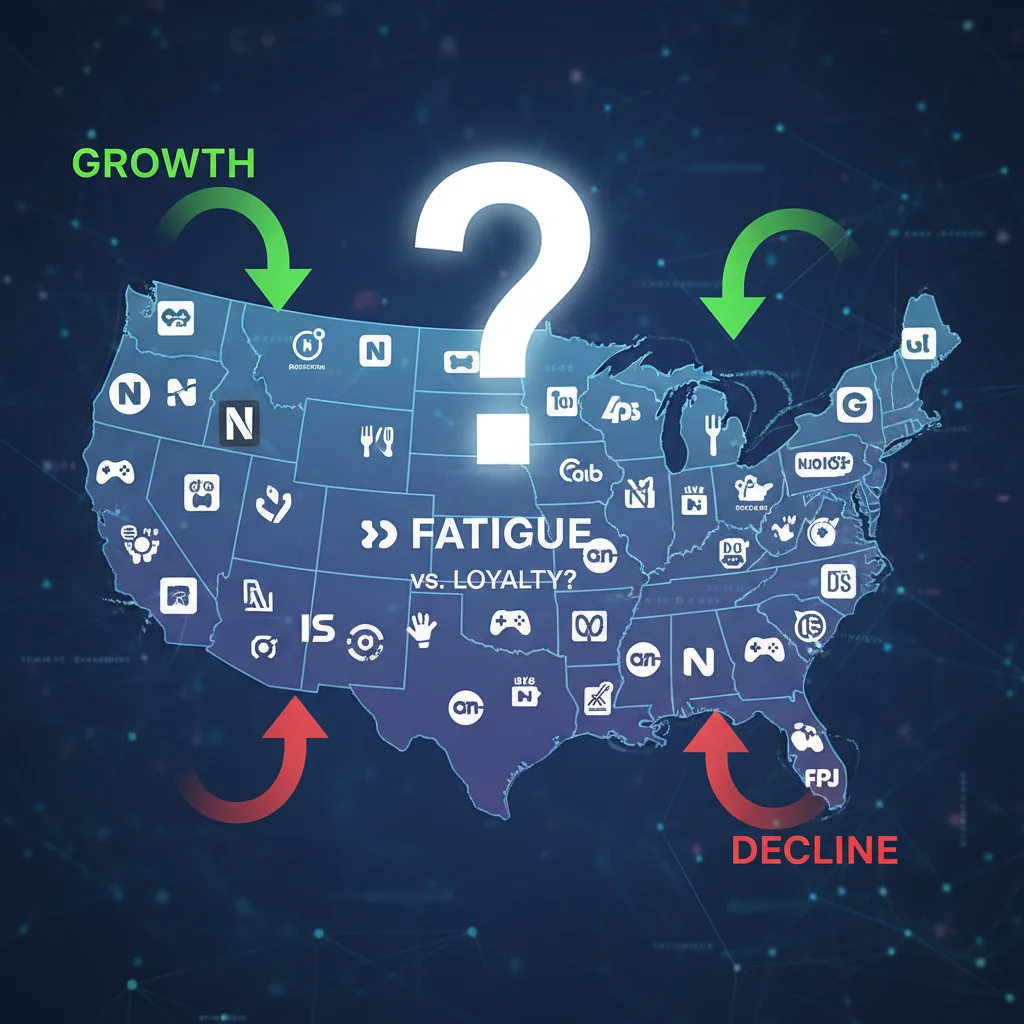
Subscription Fatigue or Loyalty? US Consumer Behavior with Recurring Services in 2026
The landscape of commerce has undergone a profound transformation over the past decade, largely driven by the meteoric rise of the subscription economy. From streaming entertainment to software-as-a-service, curated meal kits, and even personal care products, recurring services have woven themselves into the fabric of daily life for millions of Americans. As we look towards 2026, a critical question emerges: will US consumers continue to embrace these recurring models with unwavering loyalty, or are we on the cusp of widespread US subscription trends leading to significant ‘subscription fatigue’?
This article delves deep into the anticipated shifts in US consumer behavior concerning recurring services. We will explore the factors contributing to both loyalty and fatigue, analyze emerging trends, and provide insights into what businesses can do to navigate this evolving market. Understanding these dynamics is not just about predicting the future; it’s about strategizing for sustainable growth in an increasingly competitive and subscription-saturated environment.
The Genesis and Growth of the Subscription Model in the US
Before peering into the future, it’s essential to understand the journey of the subscription model in the United States. Initially popularized by magazines and newspapers, the digital age breathed new life into this concept. Early adopters like Netflix revolutionized entertainment, proving that consumers were willing to pay a recurring fee for convenience, access, and a personalized experience. This success spurred innovation across various sectors.
The appeal is multifaceted. For consumers, subscriptions offer predictable costs, convenience, and often, exclusive content or benefits. For businesses, they promise stable recurring revenue, deeper customer relationships, and valuable data for personalization. This win-win scenario fueled an explosion of subscription offerings, making ‘subscribe now’ a common call to action across websites and apps.
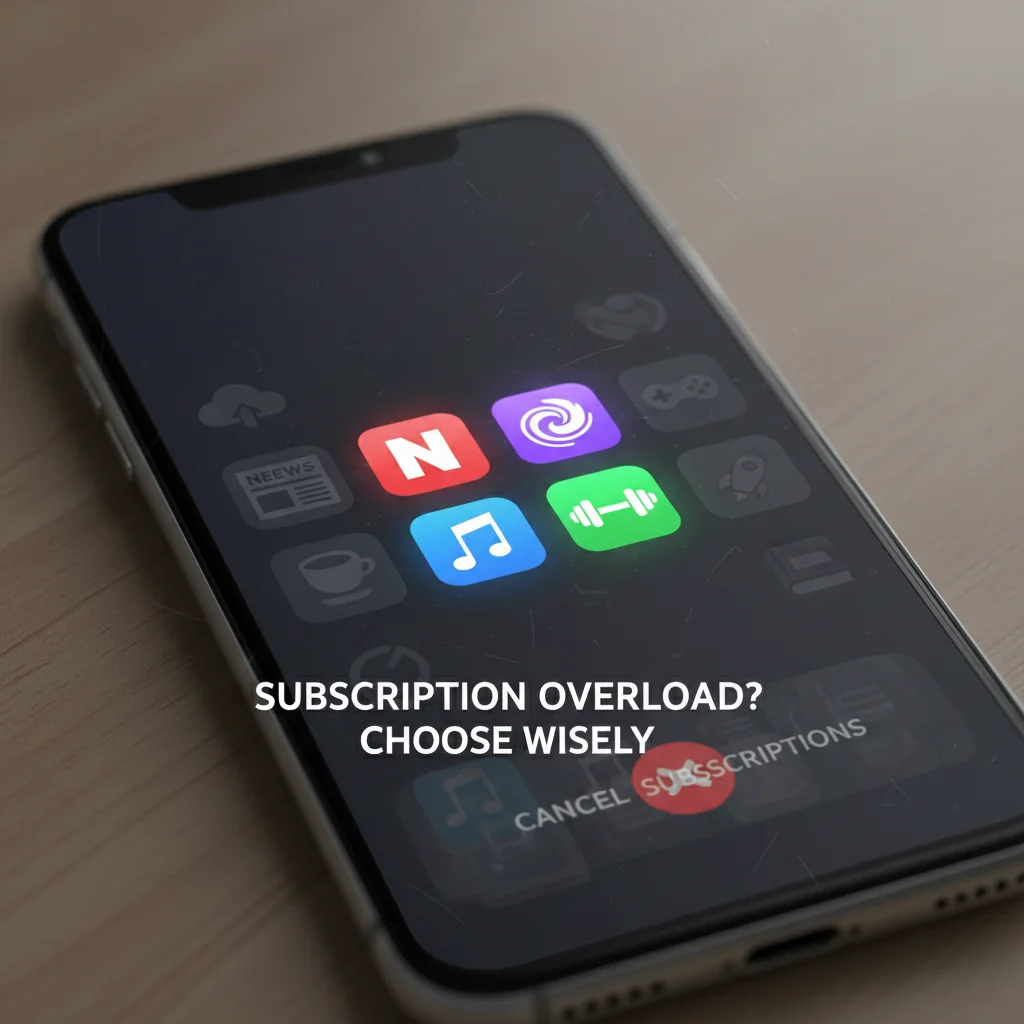
However, this rapid proliferation has also led to a significant increase in the number of subscriptions an average US household manages. What was once a handful of services has, for many, grown into a complex web of monthly charges, often forgotten or underutilized. This phenomenon sets the stage for the potential for US subscription trends to shift towards fatigue.
Defining Subscription Fatigue: A Growing Concern
Subscription fatigue refers to the feeling of being overwhelmed, financially burdened, or simply tired of managing multiple recurring payments. It manifests in several ways:
- Cognitive Load: The mental effort required to track, manage, and evaluate the value of numerous subscriptions.
- Financial Strain: The cumulative cost of multiple subscriptions can become a significant household expense, often underestimated by consumers.
- Value Erosion: As more services compete for attention, the perceived unique value of individual subscriptions can diminish.
- Decision Paralysis: Too many choices can lead to indecision or, worse, a desire to cancel everything to simplify.
Recent studies indicate that a substantial portion of US consumers feel they have too many subscriptions, and many admit to forgetting about active subscriptions they no longer use. This ‘ghost subscription’ phenomenon is a clear indicator of fatigue taking root. As we approach 2026, businesses must acknowledge these warning signs and understand that the honeymoon phase of the subscription economy might be nearing its end for some segments of the population.
The Counterbalance: Factors Driving Subscription Loyalty
Despite the looming threat of fatigue, several powerful forces continue to drive US subscription trends towards loyalty. Not all subscriptions are created equal, and those that successfully foster loyalty share common characteristics:
Exceptional Value Proposition
The core of any successful subscription is its undeniable value. This isn’t just about price; it’s about the perceived benefit exceeding the cost. Services that offer unique content, essential tools, significant convenience, or a strong community aspect tend to retain subscribers longer.
Seamless User Experience
Ease of use, intuitive interfaces, and reliable service are non-negotiable. Frustration with an app, website, or customer support can quickly lead to churn, regardless of the core offering’s quality.
Personalization and Customization
Consumers increasingly expect services to understand their preferences and adapt accordingly. Personalized recommendations, customizable options, and tailored content foster a deeper connection and make users feel valued. This is particularly true for curated boxes and streaming services.
Community and Belonging
Some subscriptions go beyond providing a service; they create a sense of belonging. Online communities, exclusive events, or early access to products can transform a transactional relationship into a loyal one.
Essential Utility
Subscriptions for essential services, such as internet, productivity software, or security solutions, often face less scrutiny and higher loyalty due to their indispensable nature in modern life.
Key US Subscription Trends to Watch in 2026
The next few years will see significant shifts in how US consumers interact with recurring services. Here are some of the most prominent trends:
1. The Rise of ‘Super Bundles’ and Aggregators
To combat fatigue and offer greater value, expect to see more companies offering ‘super bundles’ – packages of multiple subscription services at a discounted rate. This could come from existing giants (e.g., telecom companies bundling entertainment, news, and cloud storage) or new aggregator platforms designed to simplify subscription management and payment. The goal is to reduce the cognitive load and financial strain for consumers while increasing stickiness for providers.
2. Increased Focus on Flexibility and Control
Consumers are demanding more control over their subscriptions. This means easy cancellation processes, flexible pause options, and transparent billing. Services that make it difficult to manage or cancel will face significant backlash and higher churn rates. Companies that empower users with granular control over their subscriptions will build trust and foster loyalty.
3. The ‘Subscription Box 2.0’ Evolution
While the initial wave of subscription boxes saw mixed success, the next iteration will be highly personalized and value-driven. Expect more niche boxes catering to specific interests, greater emphasis on sustainable and ethically sourced products, and enhanced customization powered by AI and detailed user profiles. The focus will shift from surprise to consistent, high-value curation.
4. Blurring Lines Between Digital and Physical Subscriptions
The distinction between digital and physical subscriptions will continue to blur. Imagine a fitness subscription that includes both on-demand workout classes and a regular delivery of supplements or activewear. Or a gaming subscription that offers digital titles alongside exclusive merchandise. This convergence aims to create a more holistic and engaging customer experience.
5. Data Privacy and Trust as Core Differentiators
As consumers become more aware of their data footprint, trust and data privacy will become paramount. Subscription services that demonstrate a strong commitment to protecting user data and offer transparent privacy policies will gain a significant competitive advantage. This will be a key factor in building long-term loyalty amidst growing concerns about digital surveillance.
6. The ‘Cancel Culture’ and Churn Management
The ease of cancellation means that ‘cancel culture’ is a constant threat. Businesses will need sophisticated churn prediction models and proactive engagement strategies to retain subscribers. This includes personalized offers, re-engagement campaigns, and continuous value reinforcement. The battle for retention will intensify, making robust customer relationship management (CRM) crucial.
Navigating the Future: Strategies for Subscription Businesses
For businesses operating in or considering entering the subscription economy, understanding these US subscription trends is critical. Here are strategies to foster loyalty and mitigate fatigue:
1. Prioritize Value Over Volume
Instead of chasing subscriber numbers at all costs, focus on delivering unparalleled value to your existing base. Invest in content, features, and experiences that genuinely enrich your subscribers’ lives. A smaller, highly engaged and loyal subscriber base is often more sustainable than a large, churn-prone one.
2. Embrace Transparency and Flexibility
Be upfront about pricing, terms, and cancellation policies. Offer flexible plans, such as annual discounts, pause options, or tiered services, to cater to different consumer needs and budgets. Empowering users with control builds trust.
3. Hyper-Personalization is No Longer Optional
Leverage data (ethically and transparently) to personalize every aspect of the subscriber journey. From content recommendations to product suggestions and customer support interactions, make each user feel seen and understood. AI and machine learning will play a crucial role here.
4. Foster Community and Engagement
Create opportunities for subscribers to connect with each other and with your brand. Exclusive forums, events, or beta testing programs can transform passive users into active advocates. A strong community significantly boosts loyalty.
5. Innovate Continuously and Communicate Value
The subscription landscape is dynamic. Continuously innovate your offerings to stay relevant and exciting. Equally important is effectively communicating these new features and benefits to your subscribers, reminding them of the ongoing value they receive.
6. Master Churn Prevention and Re-engagement
Implement sophisticated analytics to identify at-risk subscribers. Develop targeted re-engagement campaigns, offering incentives or addressing pain points before they cancel. A smooth and empathetic offboarding process can also leave a positive impression, increasing the likelihood of future re-subscription.

7. Explore Bundling and Partnerships
Consider strategic partnerships or bundling your service with complementary offerings. This can enhance perceived value, attract new subscribers, and provide a competitive edge against single-service providers. Collaborations can expand your reach and reduce the overall ‘subscription burden’ for consumers.
The Psychological Aspect: Beyond the Transaction
Understanding US subscription trends in 2026 also requires a look into consumer psychology. The decision to subscribe, and more importantly, to remain subscribed, goes beyond a simple cost-benefit analysis. It touches upon:
- Habit Formation: Many subscriptions become ingrained habits, part of a daily or weekly routine. Breaking these habits requires significant friction.
- Fear of Missing Out (FOMO): Exclusive content or features can create a fear of missing out if a subscription is canceled, acting as a powerful retention tool.
- Identity and Self-Expression: Some subscriptions, particularly in fashion, beauty, or hobbies, become an extension of a person’s identity, reflecting their values or interests.
- The Endowment Effect: Once a consumer ‘owns’ a subscription (even for a month), they tend to value it more highly and are more reluctant to give it up.
Businesses that skillfully tap into these psychological drivers, creating not just a service but an experience that resonates deeply with consumers, will be the ones that thrive. It’s about building an emotional connection, not just a transactional one.
The Role of Technology in Shaping Future Trends
Technological advancements will continue to play a pivotal role in shaping US subscription trends. Artificial intelligence (AI) and machine learning (ML) will become even more sophisticated in predicting churn, personalizing content, and optimizing pricing. Blockchain technology could offer new ways to manage subscriptions, providing greater transparency and security for consumers.
Furthermore, the proliferation of smart devices and the Internet of Things (IoT) will open doors for new types of embedded subscriptions, where services are seamlessly integrated into our homes, vehicles, and personal gadgets. Imagine a smart refrigerator that automatically reorders groceries based on consumption, or a car that updates its software and features via a recurring plan. These advancements will create both opportunities and new challenges regarding consumer acceptance and the potential for even greater subscription saturation.
Conclusion: A Delicate Balance Towards 2026
The US subscription economy in 2026 will be a complex ecosystem, characterized by a delicate balance between consumer loyalty and the ever-present threat of fatigue. While the market is maturing, the fundamental desire for convenience, personalized experiences, and curated access remains strong. However, consumers are also becoming more discerning, demanding greater value, flexibility, and transparency from their recurring services.
Businesses that succeed will be those that move beyond simply acquiring subscribers to genuinely nurturing long-term relationships. This means prioritizing exceptional value, investing in personalization, fostering community, and empowering consumers with control. The future of US subscription trends is not about eliminating subscriptions, but about refining them, making them more meaningful, and ensuring they truly enhance, rather than overwhelm, the lives of American consumers. The era of ‘more is better’ is giving way to ‘better is better,’ and only the most customer-centric subscription models will endure and flourish.