Smart Buying Tactics 2026: Cut Costs by 18% Beyond Coupons

In an ever-evolving economic landscape, the quest for smarter spending habits is more critical than ever. The days of simply clipping coupons and hoping for the best are long gone. As we look towards 2026, consumers need a sophisticated arsenal of smart buying tactics to not only save money but to optimize their entire purchasing lifecycle. This comprehensive guide will delve into advanced strategies designed to help you cut costs by a significant 18% or more, moving well beyond the rudimentary approaches of yesteryear. We’re talking about leveraging technology, understanding market dynamics, and adopting a proactive mindset to master the art of the deal.
The promise of an 18% reduction in spending might sound ambitious, but with the right blend of foresight, strategic planning, and the innovative smart buying tactics we’ll explore, it’s an entirely achievable goal. This isn’t just about finding discounts; it’s about fundamentally reshaping how you interact with the market, making every dollar work harder for you. From harnessing the power of data to mastering the art of negotiation, prepare to transform your financial approach.
The Evolution of Consumer Savings: Why Traditional Methods Fall Short
For decades, budgeting and saving were synonymous with strict adherence to a spending plan, avoiding impulse buys, and diligently using coupons. While these foundational principles remain valid, their efficacy in isolation has diminished. The market is saturated with choices, pricing is dynamic, and consumer behavior is constantly being influenced by sophisticated marketing. Relying solely on traditional methods in 2026 is akin to bringing a knife to a gunfight; you’ll be outmaneuvered and leave significant savings on the table.
The digital age has brought both challenges and opportunities. On one hand, it’s easier than ever for companies to track your spending habits and tailor offers that might seem appealing but aren’t necessarily the best value. On the other, it provides unprecedented access to information, price comparison tools, and communities of savvy shoppers. The key is to leverage these digital advantages strategically, transforming passive saving into active, intelligent cost reduction. This requires a shift in mindset, moving from merely reacting to sales to proactively seeking out the best value through informed decision-making and advanced smart buying tactics.
Understanding the limitations of old-school savings is the first step toward embracing the future. Coupons, while still offering some value, often come with restrictions, minimum purchase requirements, and are rarely applicable to big-ticket items or essential services. Generic sales events can be misleading, with inflated original prices. True savings in 2026 come from a deeper understanding of market trends, product lifecycles, and the psychological aspects of pricing. This article will equip you with the knowledge to navigate this complex environment and emerge victorious in your pursuit of financial efficiency.
Advanced Smart Buying Tactic 1: Dynamic Price Tracking and Prediction
One of the most powerful smart buying tactics for 2026 involves moving beyond static price comparisons to dynamic price tracking and prediction. This strategy leverages artificial intelligence and machine learning to monitor price fluctuations across various retailers for products you intend to buy. Instead of checking prices manually, these tools do the heavy lifting, notifying you when a product reaches its historical low or when a significant price drop is anticipated.
How Dynamic Price Tracking Works
Modern price tracking applications and browser extensions continuously scan retailer websites, collecting data on product prices over time. They build a historical price graph, allowing you to see if the current price is genuinely a good deal or if it’s likely to drop further. Some advanced platforms even use predictive analytics, factoring in seasonal sales, inventory levels, and competitor pricing to forecast future price movements. This allows you to time your purchases perfectly.
Implementing Predictive Analytics in Your Shopping
- Utilize Dedicated Apps: Services like Honey, CamelCamelCamel (for Amazon), and various price comparison websites offer robust tracking features. Set up alerts for specific products you’re interested in, specifying your target price.
- Browser Extensions: Install extensions that automatically show you price history graphs when you view a product page, giving you immediate insight into pricing trends.
- Anticipate Sales Cycles: Understand that many products follow predictable sales cycles. Electronics often see price drops around new model releases, while seasonal goods are discounted post-season. Combine this knowledge with tracker data for maximum impact.
- Leverage AI-Powered Personal Shoppers: Emerging AI tools are becoming more sophisticated, some even capable of suggesting optimal purchase times based on a vast array of market data.
By adopting dynamic price tracking, you transform from a reactive shopper into a proactive market analyst. This tactic alone can contribute significantly to the targeted 18% cost reduction by ensuring you never overpay for an item again. It’s about making informed decisions based on data, not just impulse or advertised ‘deals’.
Advanced Smart Buying Tactic 2: Subscription Audit and Optimization
In 2026, the average consumer has more subscriptions than ever before, ranging from streaming services and software to meal kits and gym memberships. While each subscription might seem affordable on its own, collectively they represent a significant drain on finances. A rigorous subscription audit and optimization strategy is a vital smart buying tactic for identifying wasteful spending and redirecting those funds.
Conducting a Comprehensive Subscription Audit
The first step is to list every single recurring payment you make. Many people are surprised by the sheer number of subscriptions they’ve accumulated. Go through bank statements, credit card bills, and online payment platforms to capture everything. Categorize them by necessity, usage frequency, and perceived value.
Optimizing Your Subscription Portfolio
- Eliminate Unused Services: Be ruthless. If you haven’t used a service in months, cancel it. The ‘just in case’ mentality is a budget killer.
- Downgrade or Pause: Do you need the premium tier of a service? Can you temporarily pause a gym membership or streaming service during busy periods? Many platforms offer flexible options.
- Bundle and Share: Explore family plans for streaming or software that allow multiple users for a lower per-person cost. Consider splitting costs with trusted friends or family where allowed by terms of service.
- Negotiate Rates: Many service providers (especially internet, cable, and even some software) are open to negotiation, particularly if you’ve been a long-term customer or if you’re considering cancelling. Mention competitor pricing.
- Annual vs. Monthly: If you’re committed to a service, check if an annual payment offers a significant discount over monthly billing. Just ensure you’re truly committed to avoid locking in a service you might not use.
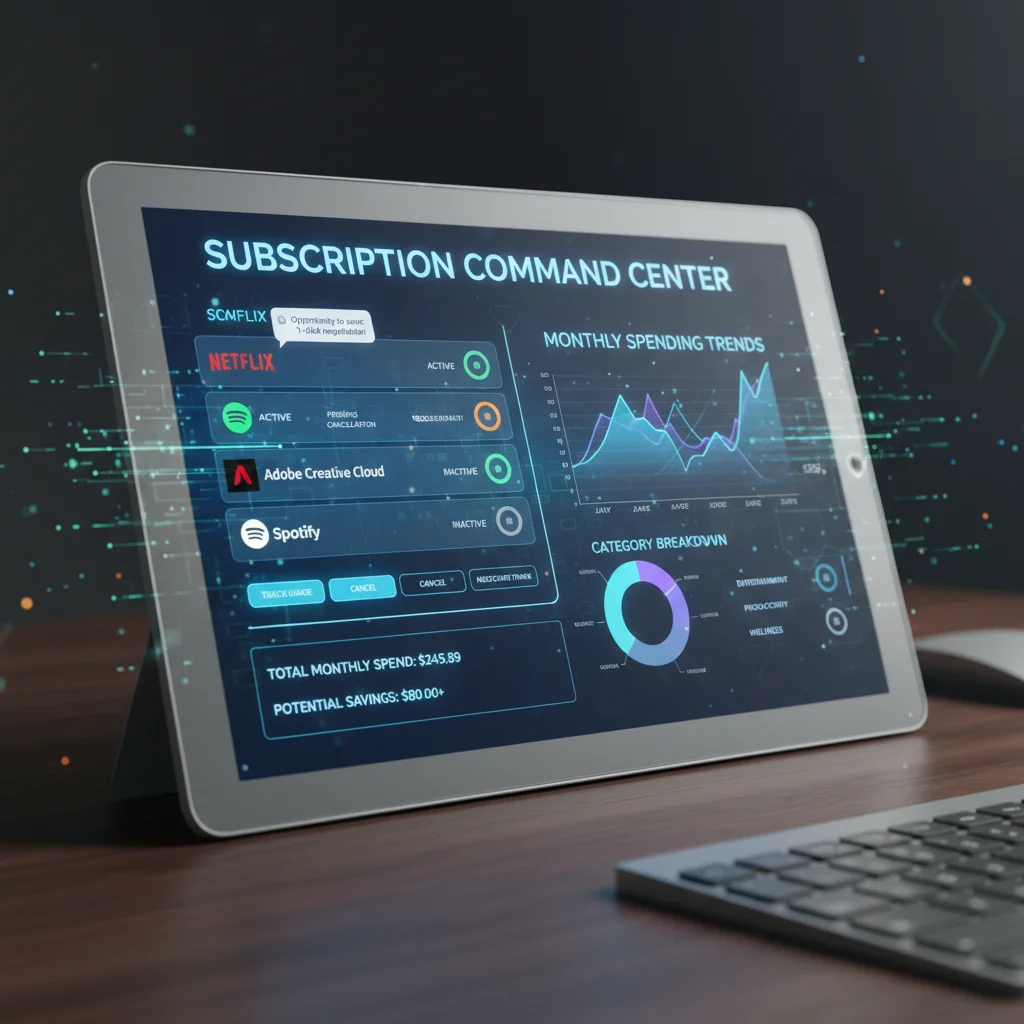
Regularly reviewing your subscriptions – ideally quarterly – can uncover hidden costs and ensure you’re only paying for services you genuinely use and value. This proactive management of recurring expenses is a cornerstone of modern smart buying tactics, freeing up substantial funds that can be allocated to savings or more impactful purchases.
Advanced Smart Buying Tactic 3: Leveraging Community-Driven Deals and Group Buys
In 2026, the power of collective buying has moved beyond simple bulk purchases. Community-driven deals and organized group buys represent a highly effective smart buying tactic, harnessing the collective bargaining power of many individuals to secure discounts that would be impossible to achieve alone. This is particularly potent for niche products, high-value items, and services.
The Rise of Group Buying Platforms
Dedicated online platforms and forums facilitate group purchases. These communities bring together individuals interested in the same product, allowing them to pool their buying power to meet minimum order quantities for wholesale pricing or to negotiate significantly reduced rates directly with manufacturers or distributors. Think beyond typical daily deal sites; these are often more focused on specific product categories or high-end goods.
How to Participate Effectively
- Join Relevant Online Communities: Seek out forums, Discord servers, Reddit communities, or specialized websites dedicated to products you’re interested in. Many tech, hobby, and niche product communities organize group buys regularly.
- Understand the Process: Group buys often have specific timelines, minimum participant numbers, and payment structures. Be sure to read the rules and understand the commitment before joining.
- Due Diligence: While often legitimate, always exercise caution. Research the organizer, the vendor, and the product thoroughly. Look for reviews and feedback from previous group buys.
- Niche Product Savings: This tactic is especially beneficial for custom-made items, limited-run products, or specialized equipment where individual discounts are rare.
- Local Group Buys: Don’t overlook local communities or co-ops, especially for fresh produce, sustainable goods, or locally sourced products, where collective orders can lead to better pricing and reduced waste.
By actively participating in these collective purchasing initiatives, you can access pricing tiers typically reserved for businesses, leading to substantial savings on items you genuinely need. This collaborative approach to consumerism is a forward-thinking smart buying tactic that leverages the interconnectedness of the digital world for personal financial gain.
Advanced Smart Buying Tactic 4: Mastering the Art of Negotiation, Digitally and In-Person
Negotiation isn’t just for big purchases like cars or houses; it’s a versatile smart buying tactic that can be applied to a surprising array of goods and services, both online and offline. In 2026, mastering negotiation means understanding how to leverage data, competitive offers, and even human psychology to your advantage, often without direct face-to-face interaction.
Digital Negotiation Strategies
- Live Chat Power: Many online retailers offer live chat support. Use this feature to inquire about discounts, free shipping, or price matching. Customer service representatives often have discretion to offer small incentives to close a sale.
- Abandoned Cart Offers: Intentionally leaving items in your online shopping cart can sometimes trigger follow-up emails from retailers offering discounts to entice you to complete the purchase.
- Competitor Price Matching: Before making a purchase, quickly check if competitors offer the same item for less. Many retailers will price match if you present evidence, even if it’s just a screenshot or a link. Some even offer an additional percentage off the matched price.
- Leveraging Loyalty Programs: If you’re a loyal customer, don’t hesitate to ask for special treatment. Mention your history with the brand and inquire about exclusive offers or upgrades.
In-Person Negotiation Skills
While online negotiation is growing, there are still many scenarios where in-person skills shine:
- Independent Retailers: Small businesses and independent shops often have more flexibility on pricing than large chains. Politely inquire about a better price, especially for cash purchases or if buying multiple items.
- Floor Models/Open Box Items: For electronics or appliances, ask about discounts on display models, open-box items, or slightly damaged packaging. These can be significant savings for products that are functionally identical to new.
- End-of-Season/Clearance: When items are being phased out, stores are eager to clear inventory. This is prime time for negotiation, especially if you’re buying in bulk or if the item has been sitting for a while.
- Be Prepared and Polite: Always do your research on fair pricing beforehand. Approach negotiations with a friendly, respectful attitude. A polite request is often more effective than an aggressive demand.

The key to successful negotiation is confidence, research, and a willingness to walk away if your terms aren’t met. By integrating negotiation into your regular shopping habits, you’ll find countless opportunities to reduce costs and achieve your 18% savings goal through these refined smart buying tactics.
Advanced Smart Buying Tactic 5: Maximizing Rewards and Cashback Ecosystems
Beyond traditional points systems, 2026 offers a sophisticated ecosystem of rewards programs and cashback opportunities that, when strategically combined, can yield significant savings. This smart buying tactic is about stacking benefits and understanding the intricate web of loyalty programs, credit card rewards, and cashback apps to maximize your return on every purchase.
Strategic Credit Card Usage
- Category-Specific Cards: Utilize credit cards that offer higher cashback percentages or points in specific spending categories (e.g., groceries, gas, travel, dining) that align with your major expenses. Rotate cards to maximize rewards.
- Sign-Up Bonuses: Strategically apply for new credit cards when they offer substantial sign-up bonuses, but only if you can meet the spending requirements without overspending and pay off the balance in full to avoid interest.
- No Annual Fee Cards: Prioritize cards with no annual fees unless the rewards or benefits of a fee-based card demonstrably outweigh the cost.
- Redemption Value: Understand the true value of your points. Some programs offer better redemption rates for travel, gift cards, or direct cashback. Choose the option that provides the most financial benefit.
Leveraging Cashback Apps and Browser Extensions
Cashback platforms have become incredibly powerful:
- Stacking Offers: The real magic happens when you stack cashback. Use a credit card that offers rewards, then shop through a cashback portal (like Rakuten, TopCashback) that provides an additional percentage back, and finally, apply any available coupon codes.
- Local Deals: Many apps now integrate with local businesses, offering cashback or rewards for in-store purchases when you link your payment cards.
- Receipt Scanning: Some apps allow you to scan receipts from various retailers for additional cashback on specific items, even groceries.
Loyalty Programs and Tiered Benefits
Go beyond simply signing up for loyalty programs:
- Understand Tiers: Many programs have tiered benefits. Aim for higher tiers if the perks (e.g., free shipping, exclusive discounts, early access to sales) genuinely save you money.
- Birthday/Anniversary Rewards: Keep track of these; they often provide valuable one-time discounts or freebies.
- Exclusive Member Sales: Pay attention to member-only sales events, which can offer deeper discounts than public promotions.
By diligently combining these elements, you create a powerful feedback loop where every purchase generates a return, significantly reducing your net spending. This multi-layered approach to rewards is a sophisticated yet accessible smart buying tactic that can easily contribute several percentage points to your 18% savings goal.
The Psychology of Smart Buying: Overcoming Consumer Biases
Beyond the technical smart buying tactics, understanding the psychology behind consumer behavior and marketing is crucial for achieving significant savings. Retailers employ sophisticated techniques to encourage spending; learning to recognize and counteract these biases empowers you to make truly rational purchasing decisions.
Recognizing Common Marketing Traps
- Anchoring Effect: Retailers often display an inflated ‘original’ price next to a ‘sale’ price to make the discount seem larger than it is. Focus on the actual value and historical price, not the perceived markdown.
- Scarcity and Urgency: Phrases like ‘limited stock’ or ‘offer ends soon’ are designed to create panic buying. Take a moment to assess if you truly need the item and if the deal is genuinely good, rather than succumbing to pressure.
- Decoy Effect: Sometimes, an intentionally less attractive option is presented to make a slightly more expensive option seem like a better deal by comparison. Be aware of these comparative pricing strategies.
- Bundling: While bundles can offer savings, they can also lead to buying items you don’t need. Evaluate each component of a bundle individually to ensure you’re getting value.
Developing a Rational Consumer Mindset
- The 24-Hour Rule: For non-essential purchases, implement a 24-hour waiting period. This allows time for impulse to fade and for you to research alternatives or reconsider the necessity.
- Needs vs. Wants: Regularly differentiate between essential needs and discretionary wants. Prioritize needs and critically evaluate wants.
- Opportunity Cost: Consider what else you could do with the money. Is this purchase truly more valuable than putting that money towards savings, investments, or another desired item?
- Value Perception: Shift your focus from price alone to overall value. A cheaper item might cost more in the long run due to poor quality or lack of features.
By becoming a more self-aware consumer and understanding the psychological triggers that influence spending, you add another powerful layer to your smart buying tactics. This introspection ensures that your savings aren’t just a result of finding deals, but of making fundamentally smarter choices.
Integrating Smart Buying Tactics into Your Lifestyle for Lasting Impact
Achieving an 18% reduction in your spending isn’t a one-time event; it’s the result of consistently applying these smart buying tactics and integrating them into your daily financial habits. This requires discipline, continuous learning, and a willingness to adapt as the market changes.
Building Sustainable Habits
- Regular Reviews: Schedule monthly or quarterly financial reviews where you check your budget, analyze spending, audit subscriptions, and look for new savings opportunities.
- Automate Savings: Set up automatic transfers to a savings account each payday. This ‘pay yourself first’ approach ensures you’re building wealth regardless of your spending habits.
- Educate Yourself: Stay informed about new financial tools, consumer protection laws, and market trends. The landscape of smart buying is always evolving.
- Track Your Progress: Use budgeting apps or spreadsheets to track your spending and monitor your savings. Seeing tangible results can be a powerful motivator.
- Share and Learn: Engage with communities of like-minded individuals. Share your successes, learn from others’ experiences, and discover new smart buying tactics.
The Long-Term Benefits
The impact of consistently applying these advanced smart buying tactics extends far beyond the immediate 18% cost reduction:
- Increased Financial Security: More savings mean a larger emergency fund, greater resilience against unexpected expenses, and improved peace of mind.
- Accelerated Financial Goals: Whether it’s a down payment on a house, retirement planning, or funding a dream vacation, every dollar saved brings you closer to your objectives.
- Reduced Financial Stress: A better grip on your finances leads to less anxiety and a greater sense of control over your economic future.
- More Intentional Spending: By eliminating wasteful purchases and optimizing essential ones, you free up funds to spend on experiences or items that truly bring you joy and value.
Embracing these strategies is not about deprivation; it’s about empowerment. It’s about making conscious, informed decisions that align with your financial goals and values. By adopting these forward-thinking smart buying tactics, you’re not just saving money; you’re building a more secure and prosperous future for yourself.
Conclusion: Your Path to a Smarter Financial Future
The journey to cutting costs by 18% in 2026 demands a departure from outdated saving methods and an embrace of innovative, data-driven, and community-powered smart buying tactics. We’ve explored five crucial areas:
- Dynamic Price Tracking and Prediction: Leveraging AI to buy at optimal times.
- Subscription Audit and Optimization: Eliminating waste from recurring charges.
- Leveraging Community-Driven Deals and Group Buys: Harnessing collective bargaining power.
- Mastering the Art of Negotiation: Securing better deals both online and offline.
- Maximizing Rewards and Cashback Ecosystems: Stacking benefits for every purchase.
Each of these strategies, when implemented thoughtfully and consistently, contributes significantly to your overall savings. Remember, the goal isn’t just to find a quick discount, but to cultivate a mindset of informed consumption and financial stewardship. By understanding market dynamics, utilizing cutting-edge tools, and sharpening your negotiation skills, you can confidently navigate the complexities of 2026’s consumer landscape.
The 18% savings target is not just a number; it’s a testament to the power of strategic financial planning and the effectiveness of modern smart buying tactics. Start today by choosing one tactic to implement, then gradually integrate others. Your financial future will thank you for it. Embrace the challenge, become a savvy consumer, and unlock a new level of financial freedom.