AI Personalization Boosts US Consumer Engagement 15% by 2026

The Unstoppable Rise of AI Personalization: A 15% Surge in US Consumer Engagement by 2026
In an increasingly digital and interconnected world, the battle for consumer attention is fiercer than ever. Businesses are constantly seeking innovative ways to not only capture but also sustain the interest of their target audience. Emerging as a frontrunner in this quest is AI personalization engagement, a transformative approach that leverages artificial intelligence to deliver bespoke experiences. Recent projections for the United States indicate a staggering 15% increase in consumer engagement attributed to AI personalization by 2026. This isn’t merely a prediction; it’s a testament to the profound impact AI is having and will continue to have on how brands connect with their customers. This comprehensive article delves into the mechanisms behind this surge, the strategic imperatives for businesses, and the future landscape of consumer interaction.
Understanding the Core of AI Personalization Engagement
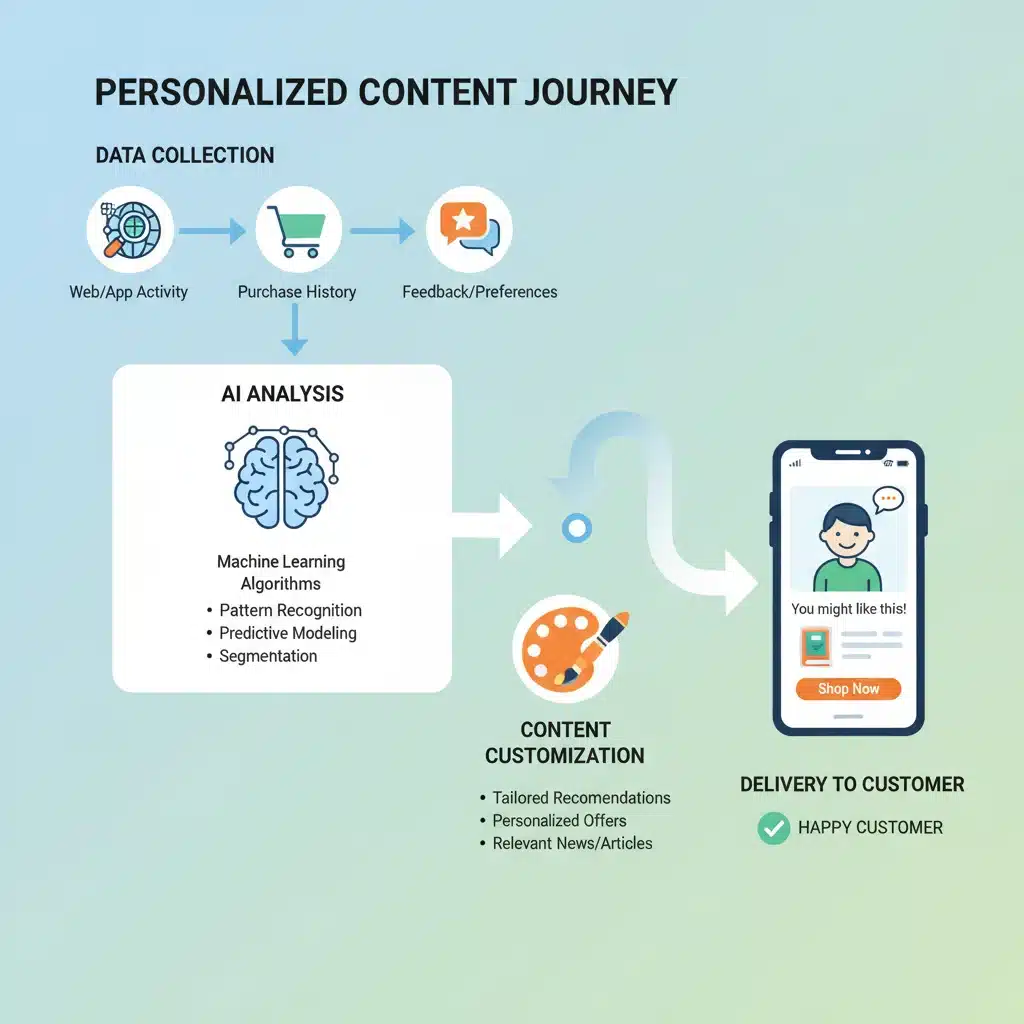
At its heart, AI personalization engagement is about understanding individual consumer needs, preferences, and behaviors at an unprecedented scale and then tailoring every interaction accordingly. Unlike traditional segmentation, which groups customers into broad categories, AI goes granular. It analyzes vast datasets – from browsing history and purchase patterns to demographic information and real-time interactions – to create a unique profile for each user. This profile then informs every touchpoint, from website recommendations and email campaigns to in-app notifications and customer service interactions.
The ‘engagement’ aspect is crucial here. It’s not just about showing the right product; it’s about fostering a deeper, more meaningful connection. When consumers feel understood and valued, they are more likely to interact with a brand, spend more time on its platforms, and ultimately, become loyal customers. This symbiotic relationship is precisely what AI is optimizing, leading to the projected 15% increase in engagement. The sophistication of AI algorithms allows for dynamic adjustments, meaning the personalization evolves with the consumer, ensuring relevance remains high over time.
The Evolution from Mass Marketing to Hyper-Personalization
For decades, marketing strategies revolved around mass communication, hoping to cast a wide net and catch a few fish. The digital age brought about some improvements with basic segmentation and email list management. However, the true revolution began with the advent of AI. Machine learning algorithms can identify subtle patterns and predict future behaviors with remarkable accuracy, something human analysts simply cannot achieve at scale. This shift from one-to-many to one-to-one marketing is not just a trend; it’s the new standard, driven by consumer expectations.
Consumers today are accustomed to personalized experiences on platforms like Netflix, Amazon, and Spotify. They expect brands to know them, anticipate their needs, and offer relevant solutions. Failure to meet these expectations often results in disengagement and a quick switch to a competitor. Therefore, embracing AI personalization engagement is no longer a competitive advantage but a necessity for survival and growth in the modern marketplace.
Key Drivers Behind the 15% Engagement Increase by 2026
Several factors contribute to the anticipated 15% surge in US consumer engagement through AI personalization. Understanding these drivers is critical for businesses looking to capitalize on this trend.
Enhanced Customer Experience (CX)
At the forefront is the dramatic improvement in customer experience. AI-driven personalization makes every customer journey smoother, more intuitive, and highly relevant. Imagine a retail website that instantly recognizes your style preferences, budget, and past purchases, then presents a curated selection of new arrivals you’re likely to love. Or a banking app that proactively offers financial advice based on your spending habits. These tailored experiences reduce friction, save time, and create a sense of delight, all of which contribute significantly to engagement.
Predictive Analytics and Proactive Engagement
AI’s ability to analyze historical data and predict future actions is a game-changer. Instead of reacting to customer behavior, businesses can proactively engage. This might involve sending a personalized offer just as a customer is likely to need a refill of a product, or providing timely support before a problem even escalates. This proactive approach not only boosts AI personalization engagement but also builds trust and loyalty, as customers perceive the brand as being genuinely helpful and attuned to their needs.
Real-time Adaptation and Dynamic Content
The speed at which AI can process information and adapt is unparalleled. A customer’s preferences can change rapidly, influenced by external factors or evolving needs. AI systems can detect these shifts in real-time and adjust content, recommendations, and offers accordingly. This dynamic personalization ensures that interactions always remain fresh and relevant, preventing the staleness that often leads to disinterest. For example, if a customer suddenly starts browsing travel gear, an AI system can instantly pivot from showing home decor to suggesting travel packages and accessories.
Omnichannel Consistency
Consumers interact with brands across multiple channels – websites, mobile apps, social media, email, and even in-store. AI personalization ensures a consistent and cohesive experience across all these touchpoints. Data gathered from one channel can inform interactions on another, creating a seamless and unified brand experience. This consistency reduces frustration and reinforces the feeling that the brand truly understands the customer, no matter where they choose to engage.
Optimized Marketing ROI
While not directly an engagement driver, the improved ROI from personalized marketing campaigns encourages greater investment in AI technologies. When businesses see a higher conversion rate, reduced churn, and increased customer lifetime value from personalized efforts, they are more likely to allocate resources to further enhance their AI personalization engagement strategies. This virtuous cycle further accelerates the adoption and sophistication of AI in customer interactions.
Implementing AI Personalization: Strategies for Success
Achieving a 15% increase in consumer engagement through AI personalization by 2026 requires a strategic and methodical approach. Businesses cannot simply ‘turn on’ AI; it demands careful planning, robust infrastructure, and a commitment to continuous optimization.
Data Collection and Integration
The foundation of any successful AI personalization strategy is data. Businesses need to collect comprehensive, accurate, and ethical data from all available sources. This includes first-party data (website interactions, purchase history, CRM data), second-party data (partner data), and third-party data (demographics, behavioral insights). Crucially, this data must be integrated into a unified customer profile, often managed through a Customer Data Platform (CDP), to provide a holistic view of each individual. Without rich and clean data, AI algorithms cannot function effectively.
Choosing the Right AI Tools and Platforms
The market for AI personalization tools is rapidly expanding. Businesses need to evaluate various platforms based on their specific needs, budget, and existing tech stack. Key considerations include the platform’s ability to handle diverse data types, its machine learning capabilities, ease of integration, and scalability. Whether it’s a recommendation engine, a personalized email marketing platform, or an AI-powered chatbot, selecting the right tools is paramount to driving AI personalization engagement.
Developing Personalization Strategies Across Touchpoints
Personalization should not be confined to a single channel. A truly effective strategy involves tailoring experiences across the entire customer journey. This means personalized website content, product recommendations, email campaigns, mobile app experiences, social media ads, and even in-store interactions (e.g., through personalized digital signage or sales associate tools). Each touchpoint presents an opportunity to reinforce the personalized experience and deepen engagement.
A/B Testing and Continuous Optimization
AI personalization is not a set-it-and-forget-it solution. It requires continuous monitoring, A/B testing, and optimization. Businesses should regularly analyze the performance of their personalized campaigns, identify what works and what doesn’t, and feed these insights back into the AI models. This iterative process ensures that the personalization strategies are constantly improving and adapting to evolving consumer behaviors and market dynamics. This commitment to refinement is key to sustaining the projected increase in AI personalization engagement.
Ethical Considerations and Data Privacy
As AI delves deeper into personal data, ethical considerations and data privacy become paramount. Businesses must be transparent about their data collection practices, obtain explicit consent, and ensure robust security measures are in place to protect customer information. Adhering to regulations like GDPR and CCPA is not just a legal requirement but a fundamental aspect of building trust. A breach of trust can quickly negate any benefits gained from personalization and severely damage brand reputation. Ethical AI personalization fosters long-term engagement.
Challenges and Considerations in Achieving the 15% Surge
While the benefits of AI personalization engagement are clear, businesses will face several challenges in their pursuit of the 15% engagement increase by 2026.
Data Silos and Integration Complexity
Many organizations struggle with fragmented data spread across various systems. Integrating these disparate data sources into a unified view for AI analysis can be a complex and time-consuming undertaking. Overcoming data silos is often the first and most significant hurdle.
Talent Gap and Expertise
Implementing and managing sophisticated AI personalization systems requires specialized skills in data science, machine learning, and AI ethics. There is currently a significant talent gap in these areas, making it challenging for some businesses to build and maintain effective AI teams.
Cost of Implementation and Maintenance
Investing in AI technologies, platforms, and the necessary talent can be substantial. While the long-term ROI is promising, the initial investment and ongoing maintenance costs can be a barrier for smaller businesses or those with limited budgets.
Maintaining a Human Touch
While AI excels at personalization, there’s a delicate balance to strike to avoid alienating customers with overly automated or intrusive interactions. Maintaining a human touch, particularly in sensitive customer service scenarios, is crucial to ensuring that personalization enhances rather than detracts from the overall customer experience. The goal is augmented human interaction, not replacement.
The Future of AI Personalization Engagement: Beyond 2026
The projected 15% increase in US consumer engagement by 2026 is just the beginning. The future of AI personalization engagement promises even more sophisticated and integrated experiences.
Predictive Personalization and Anticipatory Needs
Beyond simply reacting to current behaviors, AI will become even more adept at anticipating future needs and desires. Imagine a smart home system that proactively orders groceries when supplies are low, or a health app that suggests personalized exercise routines based on your evolving fitness goals and daily schedule. This level of anticipatory personalization will redefine convenience and utility.
Emotional AI and Contextual Understanding
Advancements in emotional AI will enable systems to understand and respond to human emotions, allowing for even more empathetic and nuanced interactions. Combining this with deeper contextual understanding – factoring in environmental cues, time of day, and even mood – will lead to truly hyper-personalized experiences that feel remarkably human-centric.
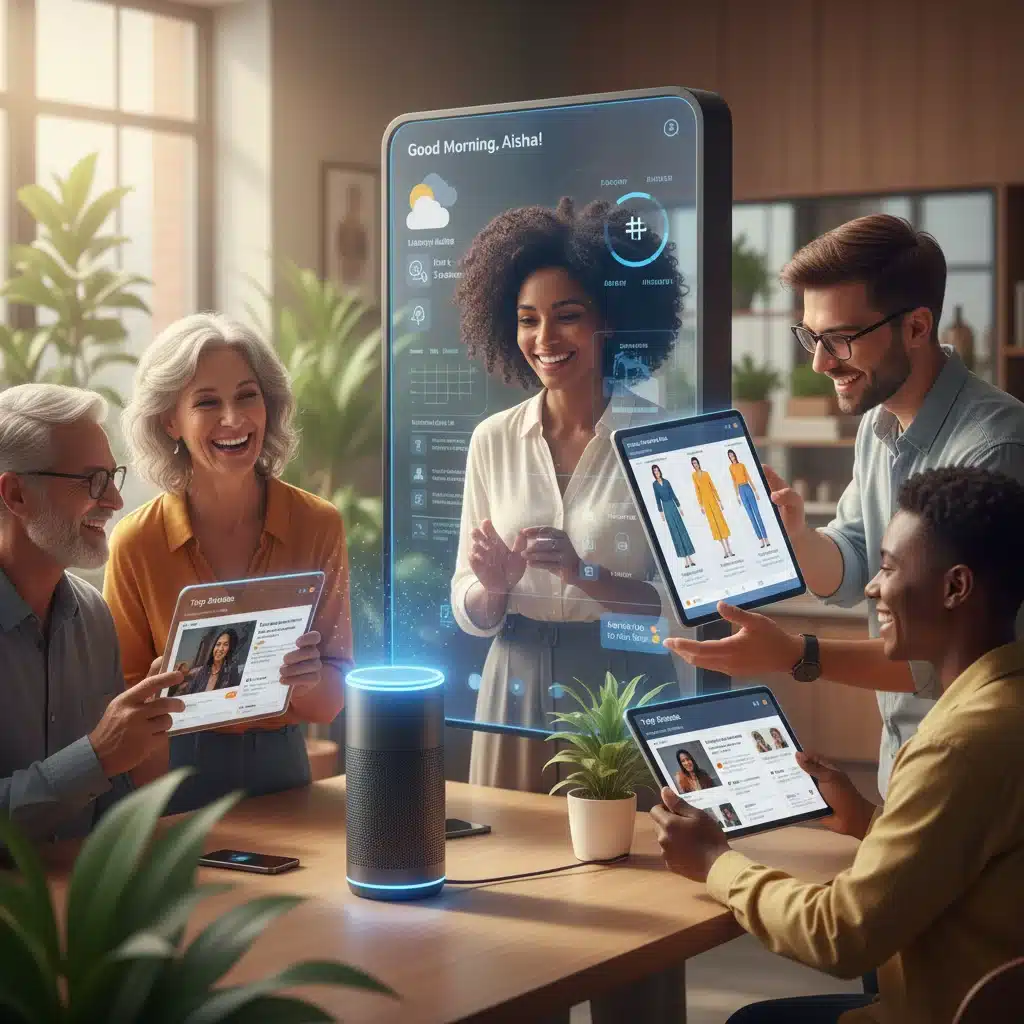
Generative AI for Content Creation
Generative AI, capable of creating unique content, will play a significant role in scaling personalization. Imagine AI generating personalized product descriptions, ad copy, or even entire email newsletters tailored to each individual’s preferred tone and style. This will allow brands to deliver truly unique content at scale, further boosting AI personalization engagement.
Seamless Integration with Emerging Technologies
AI personalization will seamlessly integrate with other emerging technologies like augmented reality (AR), virtual reality (VR), and the Internet of Things (IoT). Picture trying on clothes virtually in AR, with AI recommending sizes and styles based on your precise measurements and preferences, or a smart refrigerator suggesting recipes based on its contents and your dietary needs. These integrations will create immersive and highly personalized ecosystems.
Conclusion: Embracing the Personalized Future
The forecast of a 15% increase in US consumer engagement due to AI personalization engagement by 2026 underscores a fundamental shift in the relationship between consumers and brands. It highlights a future where generic interactions are relics of the past, replaced by bespoke, intuitive, and deeply relevant experiences. For businesses, this isn’t an option but a strategic imperative. Those that embrace AI personalization will not only meet but exceed evolving consumer expectations, fostering deeper loyalty, driving higher conversions, and securing a significant competitive advantage.
The journey to fully harness AI’s potential is complex, requiring investment in data infrastructure, advanced technologies, and skilled talent. However, the rewards – in terms of enhanced customer satisfaction, increased engagement, and sustainable growth – are profound. As we move towards 2026 and beyond, the brands that master AI personalization will be the ones that truly connect with their customers, building relationships that stand the test of time in an increasingly personalized world.