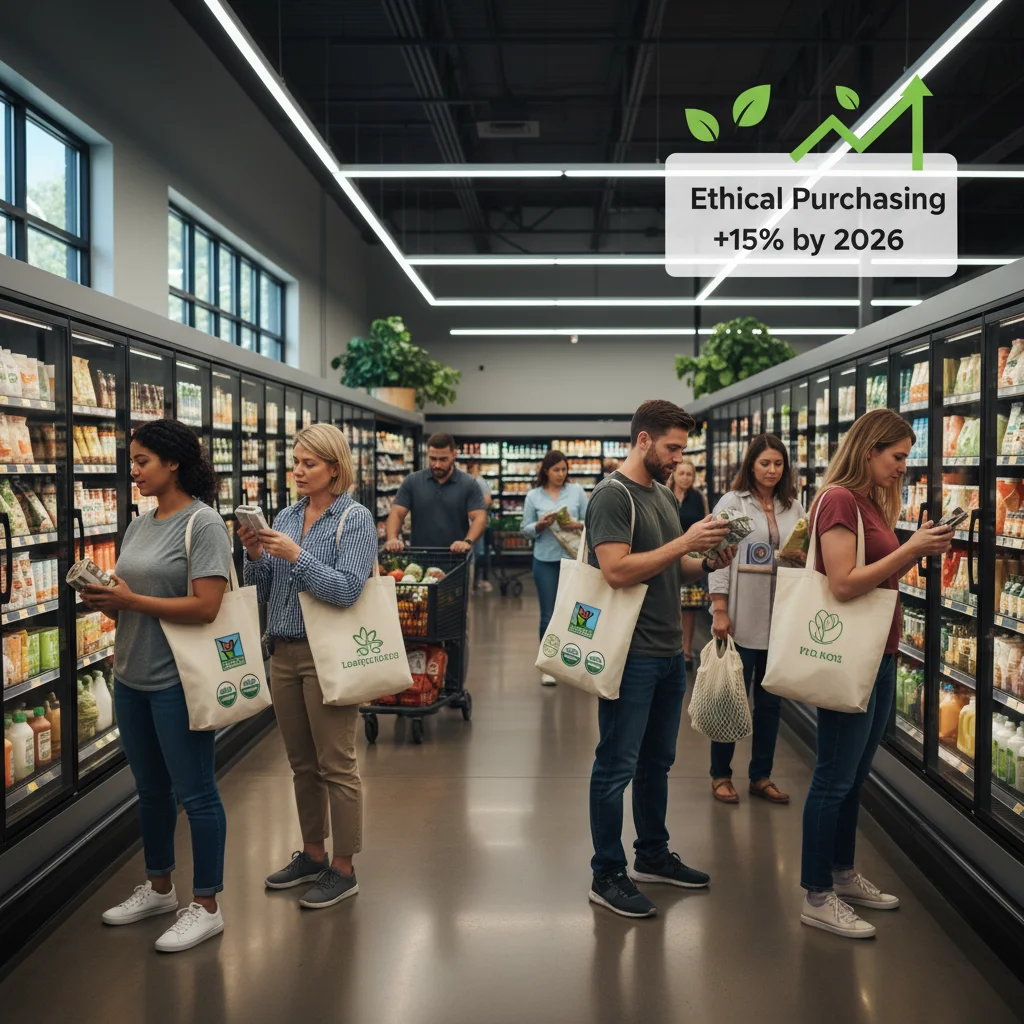
The Rise of Ethical Consumption: 15% of US Shoppers Prioritize Sustainability in 2026
The global marketplace is undergoing a profound transformation, driven by an increasingly informed and conscientious consumer base. For businesses and consumers alike, understanding the nuances of these shifts is paramount. One of the most significant ethical consumption trends is the accelerating prioritization of sustainability among shoppers. Projections indicate a remarkable milestone: by 2026, an estimated 15% of US shoppers will be actively prioritizing sustainability in their purchasing decisions. This isn’t just a fleeting fad; it’s a fundamental recalibration of values, demanding a proactive response from brands across all sectors.
Defining Ethical Consumption: More Than Just ‘Being Green’
Before diving into the statistics and implications, it’s crucial to define what we mean by ethical consumption. It extends far beyond simply buying ‘green’ products. Ethical consumption encompasses a broad spectrum of considerations, including environmental impact, fair labor practices, animal welfare, transparent supply chains, and social justice. Consumers engaging in ethical consumption trends are actively seeking to align their purchasing power with their personal values, often choosing brands that demonstrate a commitment to these principles.
This holistic approach means that a product might be eco-friendly, but if its production involves exploitative labor, it would not be considered ethically produced by a truly conscious consumer. Similarly, a company with excellent recycling initiatives but a poor record on diversity and inclusion might face scrutiny. The modern ethical consumer is looking for a comprehensive commitment to responsibility, a factor that is increasingly influencing consumer behavior.
The 15% projection for 2026 signifies a significant portion of the market actively vetting brands not just on price or quality, but on their ethical footprint. This group is often willing to pay a premium for products that meet their ethical standards, demonstrating a powerful market signal that businesses cannot afford to ignore when considering sustainability in business.
The Driving Forces Behind the Ethical Consumption Surge
Several interconnected factors are fueling the rapid growth in ethical consumption trends. Understanding these drivers is key for businesses looking to adapt and thrive in this evolving landscape.
Increased Awareness and Education
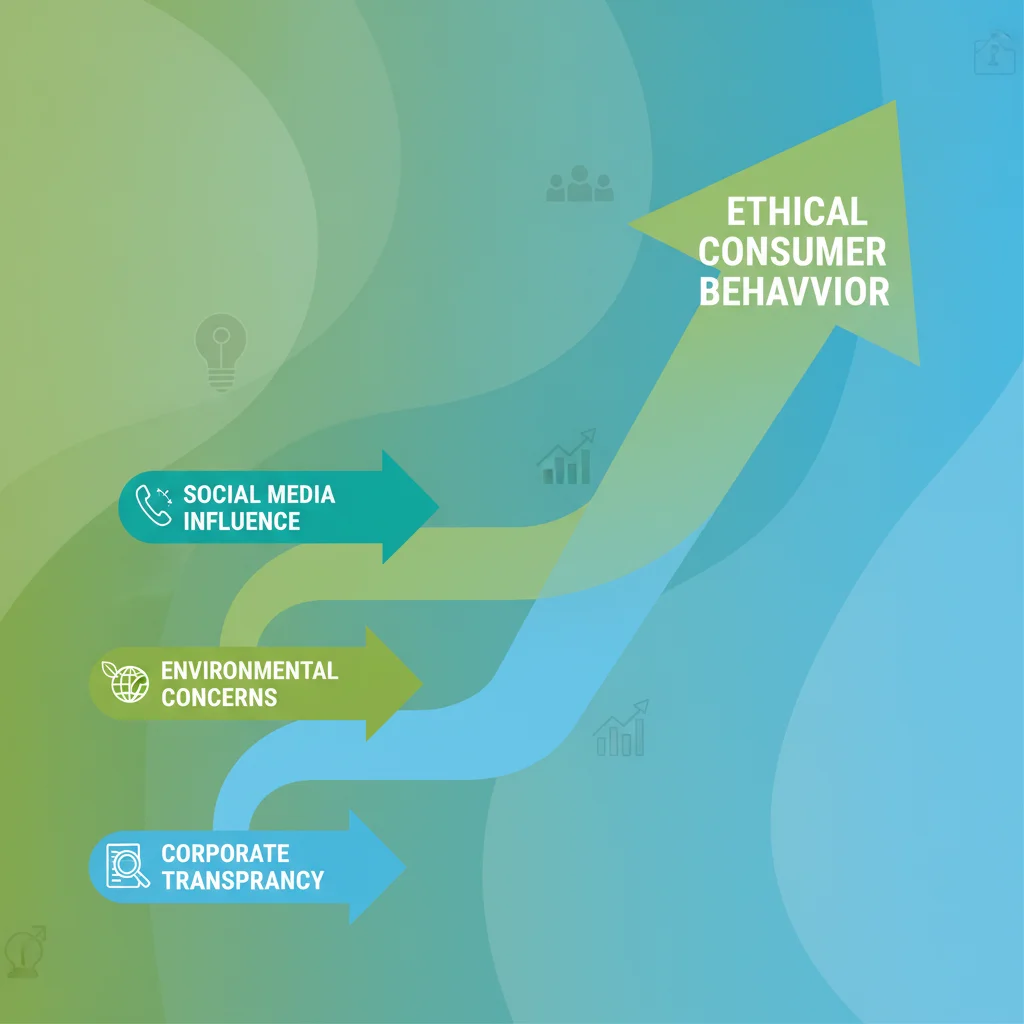
The digital age has brought an unprecedented level of transparency and access to information. Consumers are more aware than ever of global issues such as climate change, plastic pollution, deforestation, and human rights abuses in supply chains. Documentaries, social media campaigns, and investigative journalism have all played a vital role in educating the public and fostering a sense of urgency. This heightened awareness directly translates into a demand for more sustainable products and practices.
Generational Shifts: Millennials and Gen Z Leading the Charge
While ethical concerns span all age groups, younger generations, particularly Millennials and Gen Z, are driving the vanguard of conscious consumerism. These demographics have grown up in an era marked by environmental crises and social inequalities, making them inherently more attuned to the impact of their choices. They are not only more likely to seek out ethical brands but also to advocate for them and hold companies accountable for their actions. Their purchasing power is growing, and their values are shaping future market dynamics.
Brand Transparency and Accountability
In an age of instant information, consumers expect honesty and transparency from brands. Greenwashing – the practice of making unsubstantiated or misleading claims about a product’s environmental benefits – is increasingly being called out. Brands that genuinely commit to ethical practices and communicate their efforts openly are building trust and loyalty. Certification labels (e.g., Fair Trade, Organic, B Corp) are becoming increasingly important as verifiable markers of corporate social responsibility.
Social Media and Peer Influence
Social media platforms amplify ethical messages and facilitate community building around shared values. Consumers are influenced by peers, influencers, and advocacy groups who champion sustainable living and ethical brands. A single viral post can significantly impact a brand’s reputation, for better or worse, making ethical performance a crucial component of brand management. The collective voice of consumers on these platforms can exert immense pressure on companies to improve their ethical standing.
Government Regulations and Policy Changes
While consumer demand is a primary driver, evolving government regulations and policies are also pushing businesses towards more sustainable business practices. From plastic bans to stricter emissions standards, legislative changes are creating a framework that encourages, and sometimes mandates, ethical production and consumption. This regulatory environment further reinforces the importance of ethical considerations for long-term business viability.
The Impact on Businesses: Adapting to New Consumer Expectations
The growing segment of 15% of US shoppers prioritizing sustainability by 2026 presents both challenges and immense opportunities for businesses. Companies that fail to adapt risk alienating a significant portion of the market, while those that embrace these ethical consumption trends stand to gain a competitive edge.
Redefining Supply Chains and Sourcing
Ethical consumers are scrutinizing the entire lifecycle of a product, from raw material extraction to disposal. This necessitates a complete re-evaluation of supply chains. Businesses must focus on ethical sourcing, ensuring fair labor practices, minimizing environmental impact, and promoting biodiversity throughout their networks. This often involves partnering with certified suppliers, conducting regular audits, and investing in sustainable agriculture or manufacturing processes.
Product Innovation and Design
The demand for sustainable products is driving innovation. Companies are investing in research and development to create products that are durable, repairable, recyclable, compostable, or made from recycled or renewable materials. Design for circularity – where products are designed with their end-of-life in mind – is becoming a critical aspect of sustainable product development. This includes reducing packaging waste, eliminating harmful chemicals, and extending product lifespans.
Marketing and Communication Strategies
Traditional marketing often focused on price, convenience, and features. While these remain important, ethical consumers also want to know the ‘story’ behind a product. Green marketing and transparent communication are essential. Brands need to clearly articulate their ethical commitments, share progress towards sustainability goals, and educate consumers about the positive impact of their purchases. Authenticity is key; consumers can quickly detect performative activism or ‘greenwashing.’
Building Trust and Brand Loyalty
For ethical consumers, trust is a cornerstone of brand loyalty. Companies that consistently demonstrate genuine commitment to ethical and sustainable practices build strong relationships with their customers. This loyalty can translate into repeat purchases, positive word-of-mouth referrals, and resilience during economic downturns. Investing in corporate social responsibility initiatives is no longer just a ‘nice-to-have’ but a strategic imperative for long-term brand equity.
Measuring and Reporting Impact
Transparency extends to reporting. Businesses are increasingly expected to measure and publicly report on their environmental, social, and governance (ESG) performance. This includes carbon footprints, water usage, waste generation, labor practices, and community engagement. Standardized reporting frameworks and third-party certifications help assure consumers and investors that a company’s claims are credible. This accountability fosters greater confidence in sustainable business models.
Challenges and Opportunities in the Ethical Market
While the trajectory towards increased ethical consumption is clear, the path is not without its challenges. However, for every challenge, there is an opportunity for forward-thinking businesses.
The Challenge of Cost
Often, ethically produced goods can be more expensive due to higher costs associated with sustainable sourcing, fair wages, and environmentally friendly manufacturing processes. This can create a barrier for some consumers. The opportunity lies in finding innovative ways to reduce these costs through economies of scale, technological advancements, and efficient supply chain management, making ethical choices more accessible to a broader market.
Complexity of Supply Chains
Modern supply chains are incredibly complex, making it difficult to ensure ethical practices at every stage. Tracking and verifying the origins of all components and materials can be a daunting task. However, this challenge presents an opportunity for technological solutions like blockchain to enhance transparency and traceability, giving consumers greater confidence in the ethical integrity of products.
Communicating Authenticity
With so many brands claiming to be ‘green’ or ‘ethical,’ consumers are increasingly skeptical. Distinguishing genuine efforts from ‘greenwashing’ is a major challenge. The opportunity lies in building authentic narratives, providing clear evidence of ethical commitments, and engaging in certifications that are widely recognized and trusted. Storytelling that highlights the positive impact of a brand’s practices can resonate deeply with ethical consumers.
Educating the Consumer
While awareness is growing, many consumers still lack a deep understanding of what constitutes truly ethical consumption. There’s an opportunity for brands to play a role in consumer education, helping them understand the benefits of sustainable choices and the impact of their purchasing decisions. This can empower consumers to make more informed choices and further drive the ethical consumption movement.
Strategies for Businesses to Embrace Ethical Consumption Trends
To successfully navigate and capitalize on the shift towards ethical consumption, businesses must adopt comprehensive strategies that integrate sustainability and ethics into their core operations.
Integrate Sustainability into Core Business Strategy
Sustainability should not be an add-on or a separate department; it must be woven into the very fabric of the business. This means incorporating ESG (Environmental, Social, Governance) considerations into strategic planning, risk management, and investment decisions. A holistic approach ensures that ethical considerations guide product development, operational processes, and marketing efforts.
Invest in Sustainable Innovation
Dedicate resources to research and development for sustainable materials, production methods, and circular economy models. This could involve developing biodegradable packaging, creating products from recycled waste, or offering repair and take-back programs. Innovation in sustainability can create unique selling propositions and open up new market segments.
Ensure Supply Chain Transparency and Ethics
Map out your entire supply chain, identify potential ethical risks (e.g., labor exploitation, environmental damage), and implement robust due diligence processes. Work with suppliers to improve their ethical practices and consider third-party certifications (e.g., Fair Trade, SA8000) to verify compliance. Technologies like blockchain can enhance traceability and accountability across complex supply networks.
Communicate Authentically and Transparently
Be honest about your sustainability journey, including both successes and challenges. Avoid exaggerated claims or ‘greenwashing.’ Clearly communicate your ethical commitments, certifications, and the tangible impact of your efforts. Use various channels – your website, social media, product packaging – to share your story and engage with consumers. Transparency builds trust, which is invaluable in the ethical marketplace.
Engage with Stakeholders
Collaborate with non-governmental organizations (NGOs), industry associations, and even competitors to drive collective action on sustainability issues. Engage employees in your sustainability initiatives, empowering them to be advocates for ethical practices. Listen to customer feedback and incorporate their values into your product development and business strategies. Stakeholder engagement fosters a shared commitment to ethical progress.
Measure, Monitor, and Report Progress
Establish clear metrics for your environmental and social performance. Regularly monitor your progress against these metrics and report on them publicly. Use recognized reporting frameworks (e.g., GRI, SASB) to ensure credibility and comparability. Continuous improvement is key; ethical consumption is an evolving landscape, and businesses must be prepared to adapt and refine their strategies over time.

The Future of Retail: A Sustainability-First Mindset
The projection that 15% of US shoppers will prioritize sustainability by 2026 is not merely a statistic; it’s a harbinger of a broader transformation in retail and consumer culture. This shift signals a move towards a sustainability-first mindset, where ethical considerations are integrated into every stage of the product lifecycle and every aspect of a business’s operations. Brands that embrace this ethos are not just responding to consumer demand; they are actively shaping a more responsible and resilient global economy.
As ethical consumption trends continue to gain momentum, we can expect to see further innovations in sustainable materials, circular business models, and transparent supply chains. The companies that lead in these areas will be the ones that capture market share, build lasting customer relationships, and contribute meaningfully to a sustainable future. For consumers, this means more choices that align with their values, empowering them to make a positive impact with every purchase.
The journey towards a fully ethical and sustainable marketplace is ongoing, but the 15% benchmark by 2026 represents a critical acceleration point. It underscores the undeniable power of consumer choice and the imperative for businesses to evolve. Embracing ethical consumption is no longer optional; it’s essential for relevance, growth, and long-term success in the modern world.
Conclusion: A Call to Action for Brands and Consumers
The rising tide of ethical consumption, evidenced by the anticipated 15% of US shoppers prioritizing sustainability by 2026, marks a pivotal moment for commerce and society. This isn’t just about market share; it’s about shared responsibility and the collective pursuit of a more sustainable future. For businesses, the call to action is clear: integrate ethical practices, embrace transparency, and innovate with purpose. Those who genuinely commit to sustainable business practices will not only meet evolving consumer expectations but also cultivate deeper trust and loyalty.
For consumers, this trend empowers them with the knowledge and choice to make a difference. Every purchase is an opportunity to support brands that align with their values, driving further positive change in the marketplace. As these ethical consumption trends continue to grow, we move closer to a global economy where profit and purpose are inextricably linked, creating a future that is both prosperous and responsible.