Loyalty Programs 2026: Captivating US Consumers with Innovation
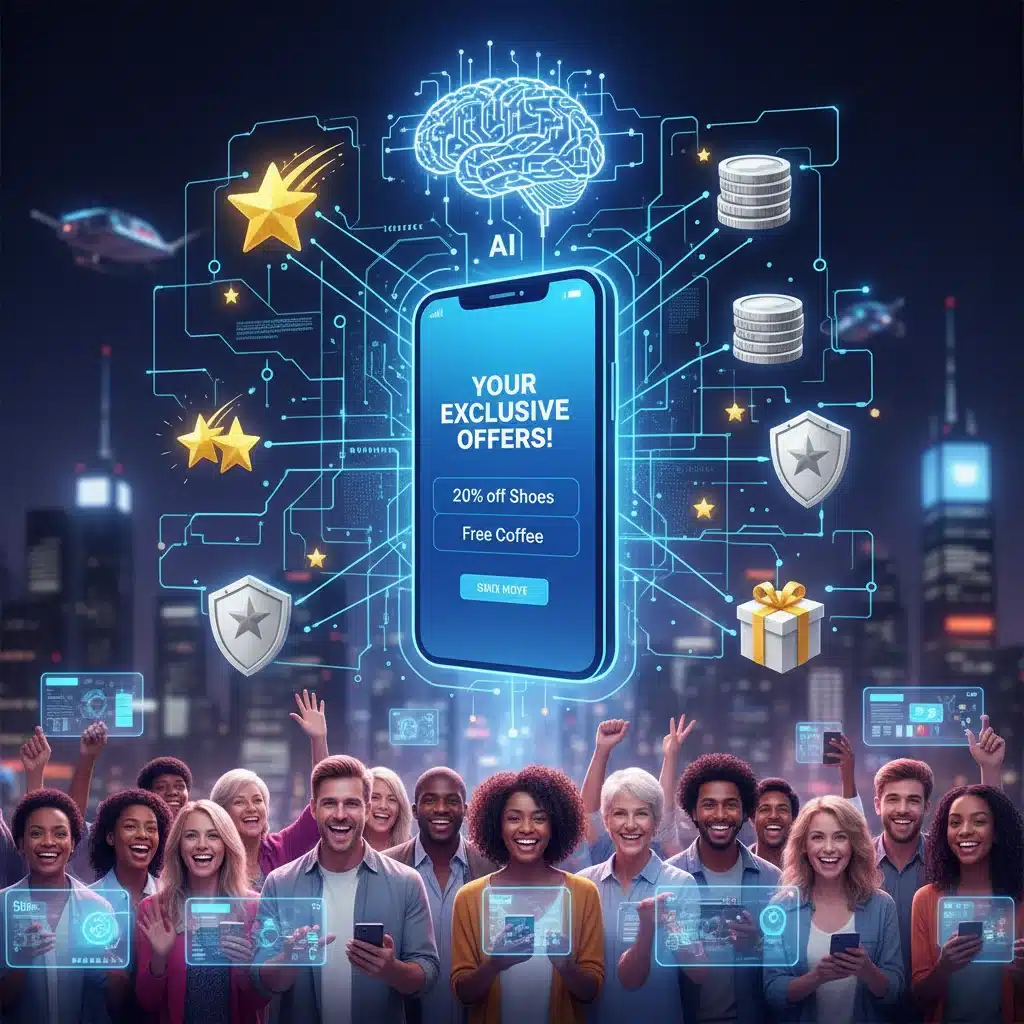
In the dynamic world of consumer engagement, the traditional punch card and generic discount have become relics of a bygone era. As we fast-forward to 2026, the landscape of customer loyalty has undergone a profound transformation. Businesses are no longer just vying for transactions; they are competing for sustained attention, emotional connection, and deeply embedded brand affinity. The key to unlocking this next level of engagement lies in sophisticated and innovative loyalty programs innovation that truly resonate with the modern US consumer.
The US market, with its diverse demographics and rapidly evolving technological adoption, presents both unique challenges and unparalleled opportunities for loyalty program developers. Consumers today are savvier, more digitally connected, and increasingly discerning. They expect more than just points; they demand personalized experiences, genuine recognition, and opportunities to connect with brands on a deeper level. This article delves into the evolution of loyalty programs, highlighting five groundbreaking strategies that are set to redefine customer retention and captivate US consumers in 2026 and beyond.
The Shifting Sands of Consumer Loyalty: Why Innovation is Paramount
For decades, loyalty programs have been a cornerstone of retail and service industries, designed to incentivize repeat purchases and foster customer stickiness. However, the efficacy of conventional models has been waning. A proliferation of loyalty programs has led to ‘loyalty fatigue,’ where consumers are enrolled in numerous programs but actively engage with only a handful. This saturation, coupled with rising consumer expectations, necessitates a radical rethink. Businesses must move beyond transactional rewards to cultivate genuine, emotional loyalty.
The year 2026 marks a pivotal point where several technological and societal trends converge to reshape consumer behavior. Artificial intelligence (AI) and machine learning (ML) are no longer futuristic concepts; they are indispensable tools for understanding individual preferences and predicting future needs. The increasing importance of data privacy means that brands must build trust to gain access to the insights needed for personalization. Furthermore, a growing emphasis on ethical consumption and brand values means that loyalty extends beyond mere product quality to encompass a company’s broader impact.
Against this backdrop, loyalty programs innovation isn’t just a competitive advantage; it’s a survival imperative. Brands that fail to innovate risk being left behind, losing out to agile competitors who understand that loyalty is earned through continuous value delivery and meaningful engagement. The strategies we will explore are not merely enhancements; they represent fundamental shifts in how brands approach customer relationships, moving from a transactional mindset to one focused on building enduring communities.
Strategy 1: Hyper-Personalization at Scale – Beyond Basic Segmentation
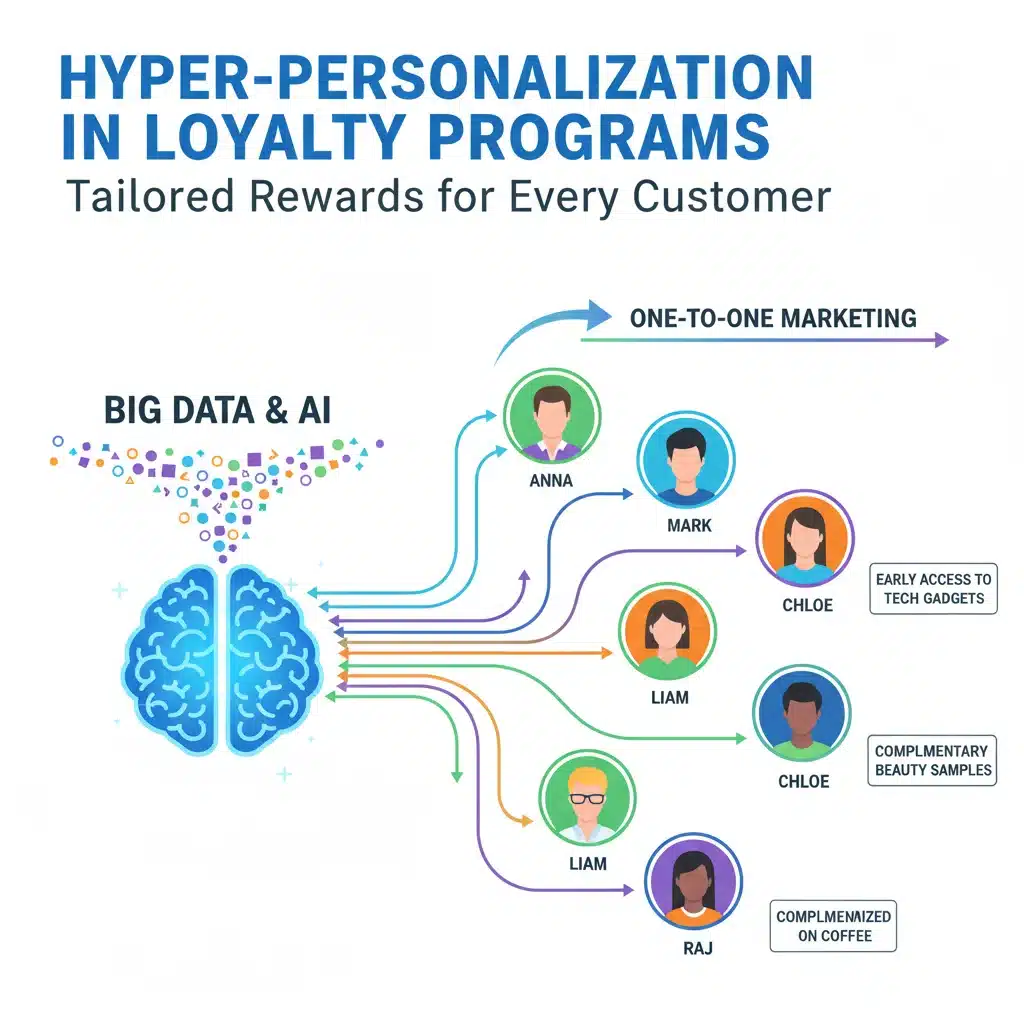
The era of one-size-fits-all loyalty programs is definitively over. In 2026, hyper-personalization will be the bedrock of effective loyalty programs innovation. This goes far beyond segmenting customers into broad categories. It involves leveraging advanced AI and machine learning to analyze vast datasets – purchase history, browsing behavior, demographic information, social media interactions, and even real-time contextual data – to create a truly individualized experience for each customer.
Imagine a loyalty program that knows your preferred coffee order before you even walk into the store, or one that suggests a new product based on a subtle shift in your lifestyle indicated by recent purchases. This level of personalization extends to every touchpoint: customized offers delivered at precisely the right moment, product recommendations that genuinely resonate, and communication tailored to individual preferences for channel and tone. It’s about making each customer feel seen, understood, and valued as an individual, not just another number in a database.
Implementing hyper-personalization requires robust data infrastructure, sophisticated analytics capabilities, and a commitment to ethical data practices. Brands must be transparent about data collection and usage, ensuring customers feel empowered and secure. The payoff, however, is immense: increased engagement rates, higher customer lifetime value, and a stronger emotional bond with the brand. This strategy moves beyond simply rewarding purchases to actively anticipating and fulfilling customer needs, fostering a sense of belonging and appreciation.
Strategy 2: Gamification and Interactive Engagement – Turning Loyalty into Play
Gamification has been a buzzword for years, but in 2026, its application within loyalty programs innovation reaches new heights of sophistication and effectiveness. This strategy involves integrating game-like elements – points, badges, leaderboards, challenges, and virtual currencies – into the loyalty experience to make it more engaging, rewarding, and even addictive. The goal is to tap into intrinsic human motivations for achievement, competition, and social recognition.
Modern gamified loyalty programs are not just about earning points for purchases. They incorporate interactive elements that encourage customers to explore products, learn about the brand, provide feedback, and even create user-generated content. For instance, a beauty brand might offer badges for trying new product lines, participating in online tutorials, or sharing reviews. A fitness brand could create challenges for hitting certain workout milestones, with exclusive rewards for top performers.
The success of gamification lies in its ability to provide immediate feedback and a sense of progress, keeping customers motivated and invested. It transforms the often-mundane act of earning rewards into an enjoyable and interactive journey. Furthermore, integrating social elements, such as sharing achievements with friends or competing in community challenges, amplifies engagement and fosters a sense of community around the brand. This strategy is particularly effective with younger demographics, but its universal appeal to human psychology makes it potent across all age groups, driving sustained participation and brand advocacy.
Strategy 3: Experiential and Non-Monetary Rewards – Beyond Discounts and Freebies
While discounts and free products will always have their place, the most innovative loyalty programs innovation in 2026 are moving towards offering unique, memorable, and often non-monetary experiences. US consumers, particularly millennials and Gen Z, increasingly value experiences over material possessions. This trend is driving a shift towards experiential rewards that create lasting memories and deeper emotional connections with a brand.
Imagine a coffee loyalty program that, instead of just offering a free coffee, provides an exclusive barista workshop, a behind-the-scenes tour of a coffee farm, or a ticket to a local music festival sponsored by the brand. A retail loyalty program might offer early access to new collections, invitations to exclusive fashion shows, or personalized styling sessions with a renowned expert. These types of rewards are not easily quantifiable in monetary terms, making them feel more special and exclusive.
Experiential rewards also serve to reinforce a brand’s identity and values. They provide opportunities for customers to engage with the brand in new and exciting ways, creating stories they will share with others. This word-of-mouth marketing is invaluable. Furthermore, these rewards often foster a sense of belonging to an exclusive community, elevating the customer’s status and making them feel like a true insider. The perceived value of such experiences often far outweighs the cost of traditional monetary rewards, leading to greater customer satisfaction and loyalty.
Strategy 4: Subscription-Based Loyalty and Tiered Membership – Elevating the Relationship
The rise of subscription models across various industries has profoundly influenced loyalty programs innovation. In 2026, many brands are adopting subscription-based loyalty programs or enhancing existing tiered models to offer a premium, elevated experience for their most valued customers. This strategy involves customers paying a recurring fee (monthly or annually) to unlock a suite of exclusive benefits, often combining monetary savings with enhanced services and unique access.
Think beyond Amazon Prime. A beauty retailer might offer a premium subscription that includes unlimited free shipping, early access to new products, a monthly curated sample box, and personalized consultations with beauty experts. A restaurant chain could offer a dining club subscription with exclusive menu items, priority reservations, and discounts on catering services. The recurring fee creates a stronger commitment from the customer, while the enhanced benefits justify the investment.
Tiered loyalty programs, where customers unlock progressively better rewards and benefits as they spend more or engage more, are also evolving. These tiers are becoming more transparent, with clear pathways for advancement and aspirational benefits that motivate customers to reach the next level. The most effective tiered programs in 2026 will integrate elements of gamification and personalization, making the journey through the tiers feel like a rewarding adventure rather than just a spending ladder. This approach not only drives higher customer lifetime value but also cultivates a sense of prestige and exclusivity among top-tier members.

Strategy 5: Community Building and Social Impact – Loyalty with Purpose
Modern consumers, particularly in the US, are increasingly conscious of the social and environmental impact of the brands they support. In 2026, the most effective loyalty programs innovation will integrate community building and social impact initiatives as core components. This strategy moves beyond transactional benefits to align customer loyalty with shared values and a sense of collective purpose.
Imagine a loyalty program where customers can redeem points not just for products, but for donations to charities supported by the brand, or for contributing to environmental sustainability projects. A clothing brand might allow customers to earn extra points for recycling old garments or participating in community clean-up events. These initiatives not only appeal to the customer’s altruistic side but also reinforce the brand’s commitment to social responsibility.
Community building goes hand-in-hand with social impact. Loyalty programs are evolving into platforms where customers can connect with each other, share experiences, and collaborate on shared interests related to the brand. This could involve exclusive online forums, local meet-ups, or co-creation initiatives where loyal customers provide input on new product development. By fostering a sense of community, brands create a powerful network of advocates who feel a deep connection not just to the products, but to the brand’s mission and to each other.
This strategy taps into the human desire for belonging and purpose. When customers feel that their loyalty contributes to a greater good, or that they are part of an exclusive, like-minded community, their engagement transcends mere transactions. It becomes an emotional investment, driving unparalleled levels of advocacy and long-term retention. Brands that successfully integrate social impact and community building into their loyalty programs will forge unbreakable bonds with their customer base in 2026.
The Technological Backbone: AI, Blockchain, and Data Ethics
Underpinning all these innovative strategies is a robust technological infrastructure. Artificial intelligence and machine learning are no longer optional; they are essential for processing vast amounts of data, personalizing experiences at scale, and predicting customer behavior. AI-powered analytics can identify patterns, segment customers dynamically, and automate the delivery of tailored offers, making hyper-personalization a reality.
Blockchain technology, while still nascent in many loyalty applications, holds immense promise for 2026. It can enhance transparency, security, and interoperability of loyalty points, potentially allowing customers to seamlessly transfer or exchange rewards across different partner programs. This could address loyalty fatigue by making points more versatile and valuable, creating a truly interconnected loyalty ecosystem.
However, with great technological power comes great responsibility. Data ethics and privacy are paramount. Brands must prioritize transparent data collection, robust security measures, and compliance with evolving privacy regulations. Building and maintaining customer trust in how their data is used is non-negotiable. Loyalty programs of the future will be built on a foundation of ethical data practices, reassuring consumers that their information is handled with care and used only to enhance their experience.
Measuring Success: Evolving Metrics for Loyalty Programs
As loyalty programs innovation evolves, so too must the metrics used to measure their success. Beyond traditional KPIs like repeat purchase rate and customer lifetime value (CLV), businesses in 2026 will focus on more nuanced indicators of engagement and emotional connection. These include:
- Engagement Rate: How actively are customers participating in non-purchase-related activities within the program (e.g., interacting with gamified elements, participating in community forums, redeeming experiential rewards)?
- Net Promoter Score (NPS) from Loyalty Members: Are loyal customers more likely to recommend the brand? This indicates true advocacy.
- Churn Reduction Rate: How effectively is the program preventing customers from leaving the brand?
- Share of Wallet Growth: Is the loyalty program encouraging customers to consolidate more of their spending with the brand across different product categories or services?
- Emotional Connection Score: While harder to quantify, surveys and sentiment analysis can gauge how emotionally connected customers feel to the brand as a direct result of the loyalty program.
- Social Impact Contribution: For programs with a social good component, tracking the collective impact of member contributions (e.g., trees planted, donations made) becomes a key metric.
By focusing on these comprehensive metrics, businesses can gain a holistic view of their loyalty program’s effectiveness, ensuring it’s not just driving transactions but fostering deep, meaningful relationships that translate into sustained growth and brand resilience.
The Future is Now: Implementing Innovative Loyalty Programs
For businesses looking to thrive in the competitive US market of 2026, embracing loyalty programs innovation is not an option but a necessity. The strategies outlined – hyper-personalization, gamification, experiential rewards, subscription models, and community building with social impact – represent the vanguard of customer engagement.
Implementing these strategies requires a strategic vision, investment in technology, and a deep understanding of the target consumer. It’s not about adopting every trend, but carefully selecting the innovations that align best with the brand’s values and customer base. Starting with pilot programs, gathering feedback, and iteratively refining the approach will be crucial for success.
The brands that will win the loyalty of US consumers in 2026 are those that view their loyalty programs not as mere discount schemes, but as powerful platforms for building lasting relationships, delivering unparalleled value, and creating a community of passionate advocates. The future of loyalty is bright, personalized, and deeply engaging, promising a new era of customer-brand synergy.
By focusing on these five innovative strategies, businesses can move beyond transactional loyalty to cultivate true, enduring brand affinity. The US consumer of 2026 expects more, and brands that deliver on these elevated expectations will reap the rewards of a truly loyal customer base.