2026 Guide: Maximize Retailer Loyalty for 15% Annual Savings
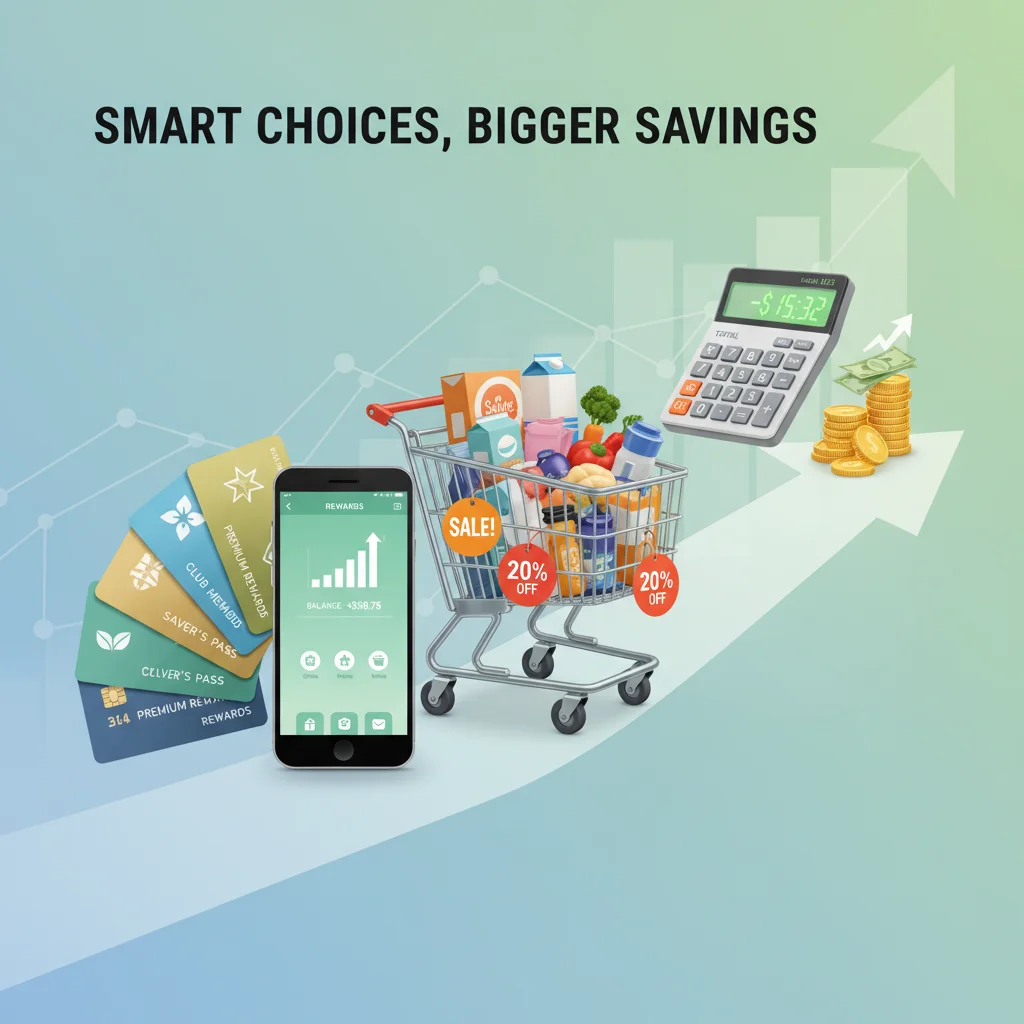
In the evolving landscape of consumer spending, smart shoppers are constantly seeking innovative ways to stretch their budgets further. As we look towards 2026, the power of retailer loyalty programs is set to become even more pronounced. Forget the days of simply collecting points; modern loyalty schemes are sophisticated ecosystems designed to reward engagement, personalize experiences, and, most importantly, deliver substantial savings. This comprehensive guide will equip you with the knowledge and strategies to maximize your retailer loyalty savings, aiming for an impressive 15% increase in your annual budget.
The economic climate of 2026 demands a proactive approach to personal finance. Inflationary pressures and evolving market dynamics mean that every dollar saved contributes significantly to your financial well-being. By strategically engaging with loyalty programs, you’re not just getting discounts; you’re unlocking a suite of benefits that can transform your shopping habits from mere transactions into a value-driven journey. This article delves deep into the mechanics of these programs, offering actionable insights and future predictions to ensure you’re always one step ahead in the savings game.
The Evolution of Retailer Loyalty Programs: Beyond Points
The concept of loyalty programs is far from new. From punch cards at your local coffee shop to complex airline mileage schemes, businesses have long understood the value of repeat customers. However, what we’re witnessing in 2026 is a significant evolution. Traditional point-based systems are being augmented, and in some cases replaced, by multi-faceted programs that prioritize personalization, exclusivity, and experiential rewards. The goal is no longer just to incentivize purchases, but to foster a deeper, more meaningful relationship between the consumer and the brand.
Personalization as the New Currency
One of the most significant shifts in retailer loyalty programs is the move towards hyper-personalization. Retailers are leveraging advanced data analytics and artificial intelligence to understand individual shopping habits, preferences, and even life stages. This allows them to offer tailored discounts on products you actually buy, recommend relevant items, and even send birthday treats or anniversary specials. The days of generic coupons are fading; 2026 is all about receiving offers that feel like they were made just for you, dramatically increasing the chances of genuine retailer loyalty savings.
Experiential Rewards and Community Building
Beyond monetary discounts, many loyalty programs are now offering experiential rewards. This could include early access to new product launches, exclusive invitations to brand events, personalized styling sessions, or even donations to a charity of your choice with every purchase. Some programs are also building strong online communities, offering members a platform to connect, share feedback, and access exclusive content. These non-monetary benefits enhance the overall value proposition and create a sense of belonging, making customers feel more invested in the brand.
Subscription-Based Loyalty Models
Another emerging trend is the rise of subscription-based loyalty models. Instead of earning points, customers pay a recurring fee (monthly or annually) to unlock a suite of premium benefits, such as free shipping, exclusive discounts, or unlimited access to certain services. Amazon Prime is a classic example, but many other retailers are adopting similar models. For frequent shoppers, these programs can offer unparalleled retailer loyalty savings, often outweighing the subscription cost within a few purchases.
Strategic Approaches to Maximize Your Retailer Loyalty Savings in 2026
Achieving a 15% increase in annual savings through loyalty programs isn’t about signing up for every program you encounter. It requires a strategic, informed approach. Here’s how you can optimize your engagement for maximum benefit:
1. Consolidate Your Spending Where Possible
The most effective way to accumulate significant rewards is to concentrate your spending with a few key retailers where you naturally shop most often. Instead of spreading your purchases across multiple stores with minimal loyalty benefits, identify the programs that align best with your regular expenditures, whether it’s groceries, fashion, electronics, or home goods. By doing so, you’ll reach higher loyalty tiers faster and unlock more substantial rewards, directly boosting your retailer loyalty savings.
2. Understand Program Tiers and How to Advance
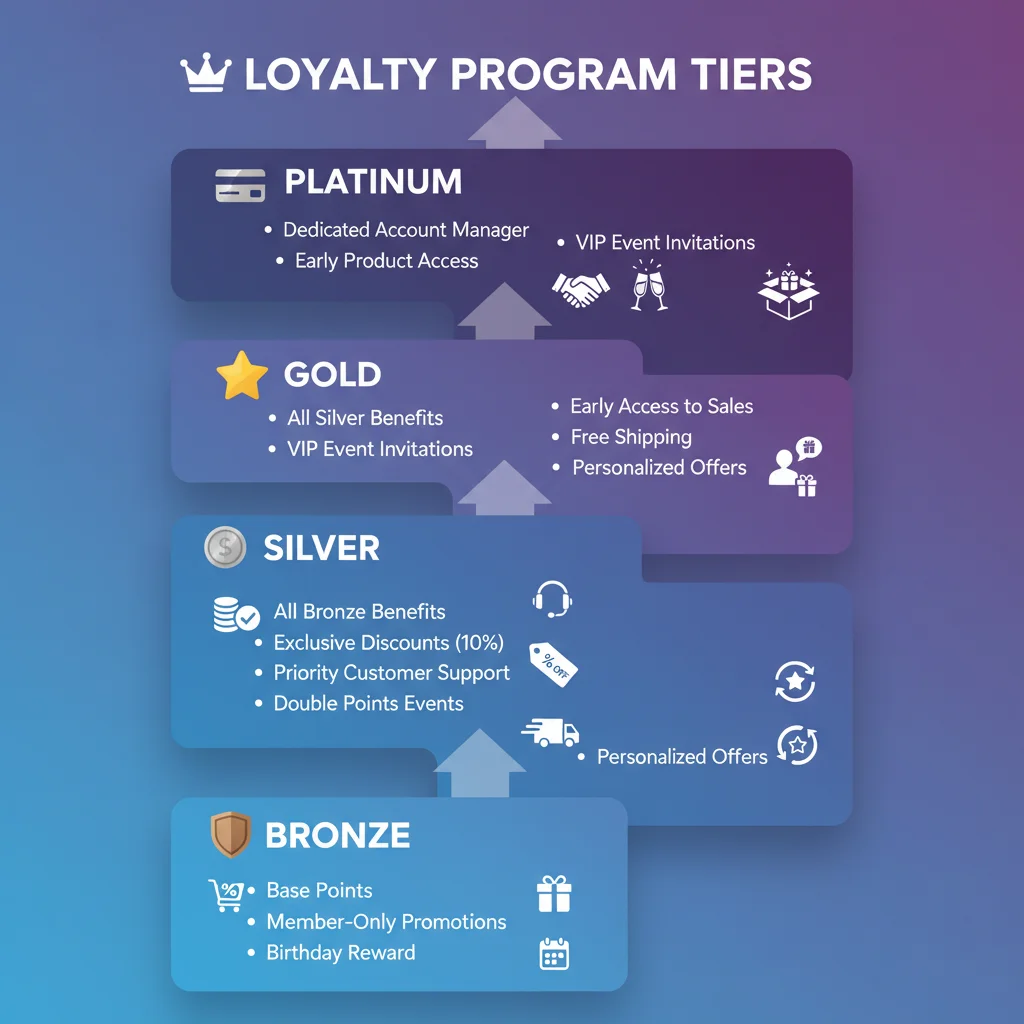
Many loyalty programs operate on a tiered system (e.g., Silver, Gold, Platinum), with each tier offering progressively better benefits. Take the time to understand the requirements for advancing to higher tiers. Sometimes, a slightly larger purchase or a few extra transactions within a specific period can elevate your status and unlock significantly better rewards, such as higher discount percentages, exclusive access, or accelerated point accumulation. Knowing these thresholds is key to maximizing your retailer loyalty savings.
3. Leverage Sign-Up Bonuses and Introductory Offers
Many retailers offer attractive sign-up bonuses for new loyalty program members, such as a percentage off your first purchase, a fixed discount, or bonus points. Keep an eye out for these introductory offers, especially when you’re planning a larger purchase from a new retailer. However, be mindful not to sign up for programs you won’t use just for the bonus, as managing too many can become overwhelming and counterproductive to your retailer loyalty savings goals.
4. Stack Rewards and Combine Promotions
One of the most advanced strategies for maximizing retailer loyalty savings is to learn how to stack rewards. This involves combining your loyalty program benefits with other promotions, sales, or credit card rewards. For example, you might use a loyalty discount code on an already sale-priced item, and then pay with a credit card that offers cashback on retail purchases. Always check the terms and conditions, as some promotions may not be combinable, but when they are, the savings can be substantial.
5. Stay Informed About Program Changes and Expirations
Loyalty programs are dynamic and can change their terms, benefits, or point expiration policies. Regularly check your email for updates from retailers and review the program’s terms and conditions at least once a year. Be particularly vigilant about point expiration dates to ensure you redeem your rewards before they become void. Set reminders if necessary. Proactive management ensures you never miss out on potential retailer loyalty savings.
6. Use Loyalty Apps and Digital Wallets
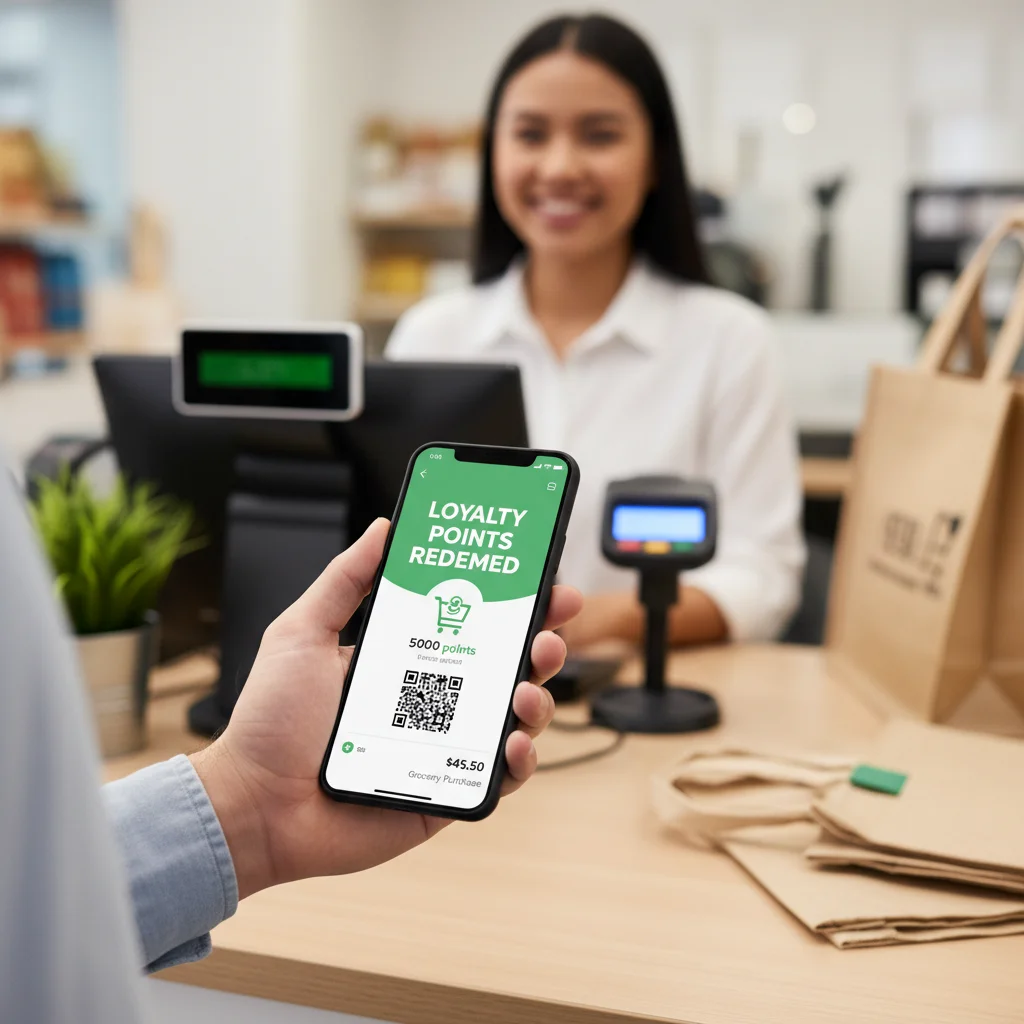
In 2026, managing your loyalty programs digitally is not just convenient; it’s essential. Most major retailers offer dedicated apps that store your loyalty card, track your points, and provide personalized offers. Integrating these with digital wallets (like Apple Pay or Google Pay) can streamline the checkout process and ensure you never miss out on earning or redeeming points. Many apps also send push notifications about exclusive deals or expiring rewards, directly contributing to your retailer loyalty savings.
7. Understand Point Valuation and Redemption Options
Not all points are created equal. Some programs offer a fixed monetary value per point, while others might have varying redemption options with different values. For instance, redeeming points for a specific product might offer better value than a general discount. Always calculate the effective value of your points before redeeming them to ensure you’re getting the most bang for your buck. Prioritize redemption options that offer the highest return on your accumulated points to maximize your retailer loyalty savings.
8. Participate in Surveys and Feedback Opportunities
Some loyalty programs reward members for providing feedback through surveys or product reviews. While the rewards for individual actions might seem small, they can accumulate over time and contribute to your overall retailer loyalty savings. Moreover, actively engaging with the brand can sometimes lead to exclusive offers or early access to promotions, as retailers value engaged customers.
Future Trends in Retailer Loyalty Programs (2026 and Beyond)
The landscape of retailer loyalty programs is constantly evolving. Staying ahead of these trends will be crucial for maximizing your savings in 2026 and beyond:
Hyper-Personalization Driven by AI and Machine Learning
Expect even more sophisticated AI and machine learning algorithms to drive personalization. Retailers will predict your needs and wants with uncanny accuracy, offering deals even before you realize you need them. This will lead to even more relevant and impactful retailer loyalty savings, making every offer feel genuinely valuable.
Gamification and Interactive Experiences
Loyalty programs will increasingly incorporate gamified elements to boost engagement. Think challenges, badges, leaderboards, and interactive quests that reward participation beyond just purchases. This makes the saving process more enjoyable and encourages deeper interaction with the brand, ultimately leading to more opportunities for retailer loyalty savings.
Integration with Smart Home Devices and IoT
Imagine your smart refrigerator automatically adding items to your grocery store’s loyalty app list, or your smart speaker notifying you of a personalized deal on a product you’ve been eyeing. The integration of loyalty programs with smart home devices and the Internet of Things (IoT) will create seamless, almost invisible ways to earn and redeem rewards, further enhancing convenience and retailer loyalty savings.
Sustainability and Social Impact Rewards
As consumers become more environmentally and socially conscious, loyalty programs will increasingly offer rewards tied to sustainable choices. This could involve earning bonus points for purchasing eco-friendly products, recycling packaging, or donating to charitable causes through the program. This trend not only aligns with consumer values but also provides another avenue for unique retailer loyalty savings and benefits.
Cross-Brand Loyalty and Partnerships
Expect to see more collaboration between non-competing brands. A single loyalty program might allow you to earn points at a grocery store and redeem them at a cinema, or earn points for using a specific payment method across various retailers. These cross-brand partnerships will broaden the scope of where and how you can earn rewards, significantly amplifying your potential for retailer loyalty savings.
Common Pitfalls to Avoid When Chasing Retailer Loyalty Savings
While the potential for retailer loyalty savings is immense, there are common traps that consumers fall into. Being aware of these can help you stay on track and ensure your efforts are truly beneficial:
Buying Unnecessary Items to Earn Points
The cardinal rule of loyalty programs: never buy something you don’t need just to earn points or hit a tier. The small reward you gain will almost always be outweighed by the cost of the unnecessary purchase. This is a common pitfall that can negate any potential retailer loyalty savings.
Signing Up for Too Many Programs
While it’s good to be selective, signing up for every single loyalty program can lead to an unmanageable mess. You’ll likely forget about many of them, leading to expired points and missed opportunities. Focus on a core group of programs from retailers you frequently patronize to effectively maximize your retailer loyalty savings.
Not Reading the Fine Print
Terms and conditions matter. Point expiration policies, redemption restrictions, and changes to program structures can impact your ability to save. A quick review of the fine print can prevent frustration and ensure you understand how to best utilize your retailer loyalty savings.
Forgetting to Use Your Rewards
It sounds obvious, but many people accumulate points and then simply forget to redeem them. Set reminders, check your loyalty app regularly, or make it a habit to look for redemption options before making a purchase. Unredeemed points are wasted retailer loyalty savings.
Measuring Your 15% Annual Savings Goal
To truly achieve and track your goal of 15% annual retailer loyalty savings, you need a method to measure it. Here’s a simple approach:
- Calculate Your Annual Retail Spending: Estimate how much you spend annually across all retail categories.
- Set Your Target Savings: 15% of this total is your goal.
- Track Your Loyalty Rewards: Keep a running tally of all discounts, points redeemed, free items, and exclusive offers you receive through loyalty programs. Many apps provide a summary of your savings.
- Review and Adjust: Quarterly, review your progress. Are you on track? Which programs are delivering the most value? Adjust your strategy as needed to hit your 15% target.
By diligently tracking your rewards, you’ll gain a clear picture of the tangible benefits loyalty programs are providing and how close you are to achieving your substantial retailer loyalty savings goal.
Conclusion: Your Path to Enhanced Retailer Loyalty Savings in 2026
The year 2026 presents an unparalleled opportunity for consumers to significantly enhance their financial well-being through strategic engagement with retailer loyalty programs. By understanding the evolving landscape of personalization, experiential rewards, and subscription models, and by adopting smart strategies for consolidation, stacking, and digital management, you can unlock an impressive 15% or more in annual savings. Avoid the common pitfalls, stay informed about program changes, and diligently track your progress, and you’ll transform your everyday shopping into a powerful tool for financial empowerment. Start applying these principles today, and watch your retailer loyalty savings grow exponentially.