Voice Assistant Market Share 2026: Who Will Dominate US Homes?

The smart home landscape is evolving at a dizzying pace, and at its heart lies the voice assistant. These intelligent digital companions have transitioned from novelties to indispensable tools, managing everything from our morning routines to our evening entertainment. But as we look towards 2026, a critical question emerges: Which platform will ultimately achieve Voice Assistant Dominance 2026 in US homes? This isn’t merely about market share; it’s about ecosystem lock-in, user experience, data privacy, and the very fabric of our connected lives.
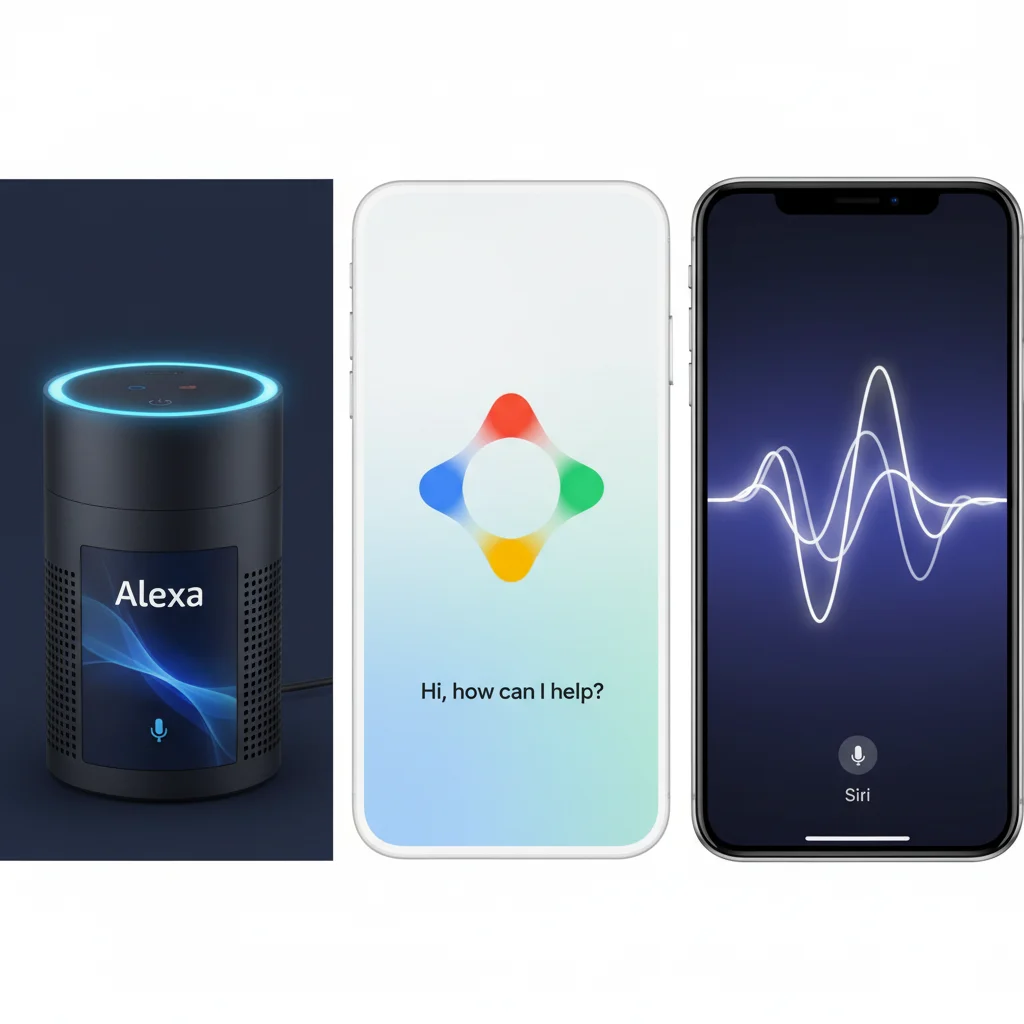
The battle for the living room, kitchen, and every other corner of the modern American home is fierce. Amazon, Google, and Apple, the three titans of the tech world, are pouring vast resources into making their respective voice assistants – Alexa, Google Assistant, and Siri – the default choice for millions. Understanding their current positions, strategic advantages, and potential pitfalls is key to predicting the future of this pivotal technology.
This comprehensive analysis will delve deep into the strengths and weaknesses of each contender, explore the burgeoning trends shaping consumer adoption, and ultimately forecast which platform is best poised to win the race for Voice Assistant Dominance 2026. We’ll examine factors like device integration, third-party support, AI capabilities, privacy concerns, and overall user satisfaction to paint a clear picture of the landscape.
The Current Landscape: A Snapshot of Voice Assistant Market Share
Before we project into 2026, it’s essential to understand the present state of the voice assistant market. While exact figures fluctuate and are often debated, general consensus points to Amazon’s Alexa and Google Assistant holding the lion’s share of the smart speaker market, with Apple’s Siri primarily entrenched within its vast iPhone and HomePod user base. However, the definition of ‘voice assistant’ extends beyond smart speakers to smartphones, smart displays, smart TVs, and even cars, making a holistic assessment crucial.
Amazon Alexa: The Pioneer’s Enduring Lead
Amazon’s Alexa was arguably the first to popularize the smart speaker, launching the Echo in 2014. Its early entry gave it a significant head start, allowing it to build a robust ecosystem of skills (third-party applications) and integrate with a wide array of smart home devices. Alexa’s strength lies in its accessibility, competitive pricing of Echo devices, and its deep integration with Amazon’s e-commerce platform, making shopping via voice a convenient reality for many.
Amazon’s strategy has been to make Alexa ubiquitous, embedding it not just in its own devices but also licensing it to third-party manufacturers of everything from microwaves to headphones. This broad reach has fostered a strong developer community and a perception of Alexa as the most versatile smart home controller. Its focus on natural language processing and continuous improvement has also kept it competitive in understanding user commands.
Google Assistant: The AI Powerhouse
Google Assistant, backed by Google’s unparalleled AI and search capabilities, entered the market with a formidable advantage in understanding context and answering complex queries. Its integration across Android devices, Google Home/Nest speakers, and a growing number of third-party smart home gadgets has made it a strong contender. Google’s strength lies in its ability to leverage its vast knowledge graph, providing more accurate and informative responses to a wider range of questions.
The Assistant’s integration with Google’s suite of services – Gmail, Calendar, Maps, YouTube – offers a seamless, personalized experience for users already deeply embedded in the Google ecosystem. Its ability to differentiate between voices (Voice Match) and perform multi-step commands (routines) also sets it apart, offering a more sophisticated level of interaction. Google’s long-term vision for ambient computing, where technology fades into the background, positions the Assistant as a central pillar.
Apple Siri: The Privacy-Focused Challenger
Apple’s Siri, while the oldest of the three, has historically lagged in smart speaker market share. However, its presence on hundreds of millions of iPhones, iPads, Apple Watches, and Macs makes it incredibly pervasive. Siri’s primary strength lies in its deep integration with Apple’s hardware and software ecosystem, offering a highly polished and secure user experience for those within the Apple walled garden.
Privacy is a cornerstone of Apple’s strategy, and Siri is marketed as a voice assistant that prioritizes user data protection. While this has resonated with a segment of the population, it has also sometimes limited Siri’s functionality compared to its rivals, particularly in terms of third-party smart home device support. However, Apple’s recent efforts to improve Siri’s intelligence, expand its smart home capabilities through HomeKit, and introduce new HomePod models signal a renewed commitment to the voice assistant space.
Key Factors Influencing Voice Assistant Dominance 2026
Forecasting Voice Assistant Dominance 2026 requires a look beyond current market shares and into the underlying technological, economic, and societal trends that will shape consumer choices.
1. Ecosystem Integration and Device Proliferation
The more devices a voice assistant can seamlessly control and the more services it can connect to, the more valuable it becomes. Amazon and Google have excelled here, with vast ecosystems of compatible smart home devices. Apple, while having a smaller HomeKit ecosystem, benefits from its massive user base of iPhones, which act as de facto voice assistant hubs.
- Amazon: Continues to expand its Echo device lineup and work with countless third-party manufacturers, making Alexa available on everything from cars to light switches. Its focus on affordability drives wider adoption.
- Google: Leverages Android’s dominance and its own Nest line of smart devices. Its push for ‘Matter’ (the new smart home standard) could significantly broaden its compatibility.
- Apple: Relies on its tightly integrated ecosystem, with Siri deeply embedded in iOS, macOS, watchOS, and tvOS. HomePod and HomePod mini anchor its smart speaker strategy, emphasizing premium sound and privacy.
2. Artificial Intelligence and Natural Language Understanding (NLU)
The intelligence of the voice assistant – its ability to understand complex commands, infer intent, and provide relevant responses – is paramount. This is where advancements in AI and NLU will play a critical role in Voice Assistant Dominance 2026.
- Google: Possesses a clear advantage with its world-leading AI research and search engine capabilities, allowing for more nuanced conversations and better contextual understanding.
- Amazon: Continuously invests in improving Alexa’s NLU, focusing on anticipating user needs and offering proactive suggestions.
- Apple: Has historically been a step behind, but significant investments in on-device machine learning and server-side processing are closing the gap, with a renewed focus on more natural and personalized interactions.
3. Privacy and Security Concerns
As voice assistants become more ingrained in our lives, concerns about data privacy and security will intensify. Consumers are becoming more aware of how their voice data is collected, stored, and used. This could be a significant differentiator for Voice Assistant Dominance 2026.
- Apple: Strongest contender here, with its long-standing commitment to user privacy and on-device processing for many Siri requests. This reputation could attract privacy-conscious users.
- Amazon & Google: Both have faced scrutiny over data collection practices. While they have implemented more transparent policies and controls, rebuilding full trust remains an ongoing challenge.
4. Third-Party Developer Support and Skills/Actions
The richness of a voice assistant’s capabilities is often determined by the breadth of its third-party integrations. A vibrant developer community creating ‘skills’ (Alexa) or ‘actions’ (Google Assistant) adds immense value.
- Amazon: Leads with the largest number of skills, offering a vast array of functionalities from games to specialized information.
- Google: Has a growing number of actions, often leveraging its partnerships with major brands and services.
- Apple: HomeKit provides smart home integrations, and Siri Shortcuts allow for powerful custom automations, but a broad ‘skill store’ akin to its rivals is less developed.
5. Multimodal Interaction (Voice + Screen)
The rise of smart displays (Echo Show, Google Nest Hub) signifies a shift towards multimodal interaction, combining voice with visual feedback. This enhances user experience for tasks like viewing recipes, watching videos, or making video calls.
- Amazon & Google: Both have robust smart display lineups and are actively developing experiences that blend voice and touch.
- Apple: While iPhones and iPads offer screens, Apple’s dedicated smart display presence is currently limited, though rumors of future devices persist.
6. Price and Accessibility
Affordability remains a significant driver of adoption. Entry-level smart speakers are often impulse buys, bringing new users into an ecosystem.
- Amazon & Google: Consistently offer highly competitive pricing on their smart speakers and often bundle them with other services or during sales events.
- Apple: Typically positions its HomePod devices at a premium price point, focusing on sound quality and ecosystem integration over mass market affordability.
The Contenders for Voice Assistant Dominance 2026: A Deeper Dive
Amazon Alexa: The Ubiquitous Connector
Strengths:
- Market Penetration: Largest installed base of smart speakers.
- Ecosystem Breadth: Vast number of skills and third-party device integrations.
- E-commerce Integration: Seamless shopping experience with Amazon.
- Affordability: Wide range of budget-friendly Echo devices.
- Continuous Improvement: Regular updates and new features.
Weaknesses:
- AI Depth: While improving, sometimes lags Google in complex query understanding.
- Privacy Perception: Amazon’s reputation for data collection can be a concern for some users.
- Reliance on Amazon Services: While a strength, it can be a limitation for those not deeply invested in Amazon’s ecosystem.
Outlook for 2026: Alexa will likely maintain a strong presence, particularly in households prioritizing smart home control and Amazon services. Its ubiquity and continuous evolution in areas like generative AI (e.g., Alexa LLM integration) will keep it highly competitive. However, it will need to address privacy concerns more aggressively and enhance its conversational AI to fend off Google.
Google Assistant: The Intelligent Oracle
Strengths:
- Superior AI & NLU: Best in class for understanding complex queries and providing contextual answers.
- Google Services Integration: Deep links with search, calendar, email, and other Google apps.
- Android Ecosystem: Native on billions of Android devices.
- Multimodal Experience: Excellent smart display offerings with rich visual feedback.
- Matter Standard: Strong position to lead in the new smart home interoperability standard.
Weaknesses:
- Market Share (Smart Speakers): Still playing catch-up to Alexa in dedicated smart speaker sales.
- Developer Ecosystem: While growing, its ‘Actions’ library is smaller than Alexa’s ‘Skills.’
- Privacy Perception: Google’s business model relies heavily on data, which can raise user concerns.
Outlook for 2026: Google Assistant is arguably the strongest contender for Voice Assistant Dominance 2026, especially if ‘dominance’ is defined by intelligence and seamless integration across a user’s digital life. Its AI prowess, combined with the push for Matter and its Android footprint, positions it to capture a significant portion of the market, particularly among users who value advanced conversational capabilities and integration with productivity tools.
Apple Siri: The Secure & Seamless Companion
Strengths:
- Privacy & Security: Strongest reputation for protecting user data.
- Ecosystem Integration: Unparalleled synergy within the Apple hardware and software ecosystem.
- User Experience: Polished and intuitive for Apple users.
- Siri Shortcuts & HomeKit: Powerful automation and smart home control for Apple-centric users.
Weaknesses:
- Smart Speaker Market Share: Smaller presence compared to rivals.
- Limited Third-Party Integration: Smaller ecosystem of compatible smart home devices outside HomeKit.
- AI Capabilities: Historically less advanced in conversational AI than Google, though improving.
- Price Point: HomePod devices are generally more expensive.
Outlook for 2026: Siri will likely not achieve broad market dominance in the same way Alexa or Google Assistant might, but it will maintain a highly loyal and influential user base within the Apple ecosystem. Its focus on privacy will continue to be a key differentiator. If Apple can significantly enhance Siri’s conversational AI and expand HomeKit’s reach while maintaining its privacy stance, it could surprise many and solidify its position as the premium, secure choice for Voice Assistant Dominance 2026 within its niche.
Emerging Trends and Their Impact on Voice Assistant Dominance 2026
Several emerging trends will significantly influence the trajectory of voice assistants by 2026:
1. Generative AI and Large Language Models (LLMs)
The advent of generative AI and LLMs (like ChatGPT) is revolutionizing how we interact with AI. Integrating these technologies into voice assistants will dramatically enhance their conversational abilities, making interactions more natural, intelligent, and personalized. This could be a game-changer for Voice Assistant Dominance 2026.
- Google: With its deep expertise in AI, Google is well-positioned to integrate advanced LLMs into Assistant, potentially making it the most intelligent conversational AI.
- Amazon: Actively working on ‘Alexa LLM’ to bring generative AI capabilities to its assistant, aiming for more fluid and proactive interactions.
- Apple: While more secretive, Apple is known to be investing heavily in AI research, and similar integrations are expected for Siri.
2. The ‘Ambient Computing’ Vision
Google’s vision of ‘ambient computing’ where technology is helpful without being intrusive, and seamlessly integrated into our environment, is a powerful concept. This involves voice assistants anticipating needs and providing assistance proactively, often without explicit commands.
If executed effectively, this vision could propel Google Assistant to the forefront of Voice Assistant Dominance 2026, making it an invisible yet indispensable part of daily life.
3. Interoperability and the Matter Standard
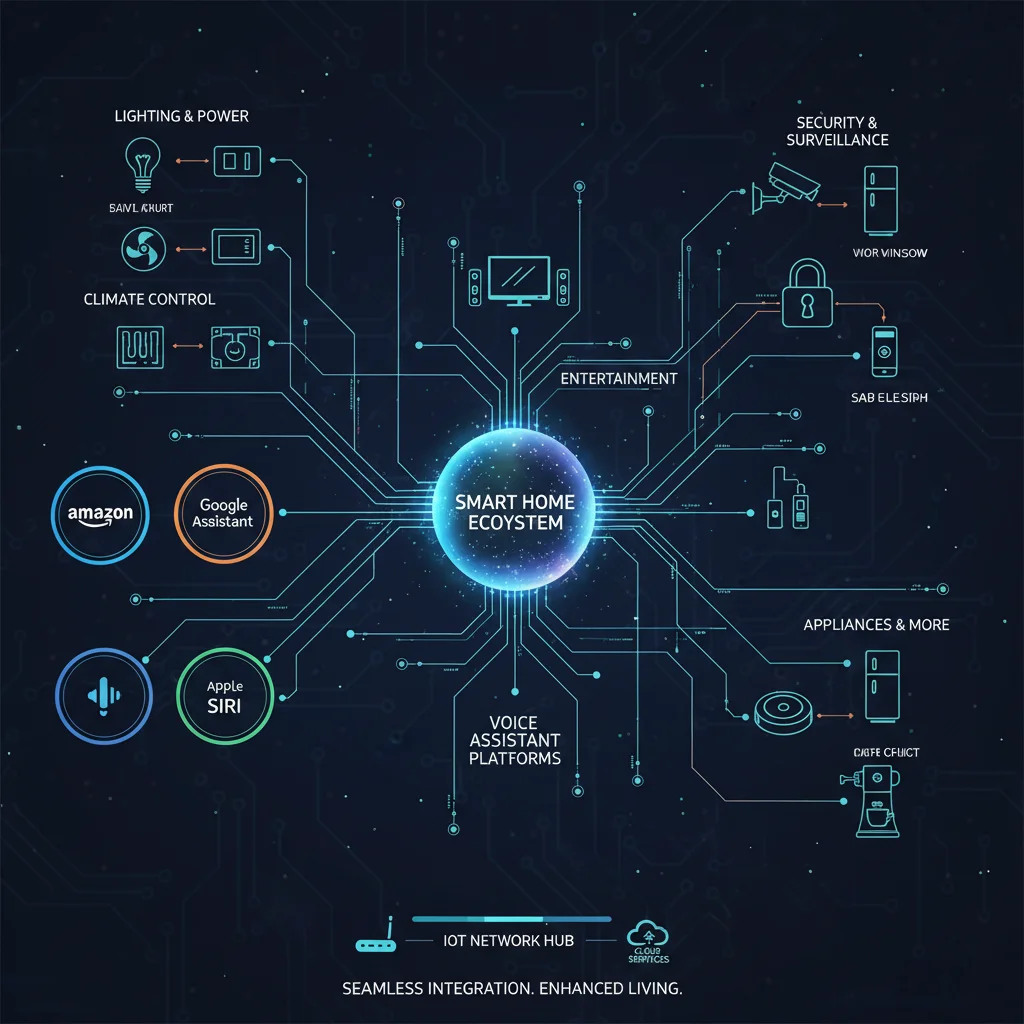
The Matter smart home standard, supported by Apple, Google, Amazon, and others, aims to solve the fragmentation problem in smart homes. By allowing devices from different manufacturers to communicate seamlessly, it lowers barriers to entry for consumers and simplifies setup.
This increased interoperability could benefit all voice assistants by expanding the pool of controllable devices, but it also means that reliance on a single brand’s ecosystem might lessen, shifting the focus more towards the intelligence and privacy of the assistant itself.
4. Personalization and Proactive Assistance
Future voice assistants will move beyond reactive commands to proactive, personalized assistance. Imagine your assistant suggesting a recipe based on your dietary preferences and what’s in your smart fridge, or adjusting your home’s climate based on your calendar and local weather forecast.
The platform that best masters personalization, while respecting privacy, will gain a significant edge in the race for Voice Assistant Dominance 2026.
5. Health and Wellness Integration
The integration of voice assistants with health and wellness devices and services is a growing area. From tracking sleep and activity to reminding about medications or even providing guided meditations, voice assistants can become central to personal well-being.
Apple, with its strong health focus on Apple Watch and Health app, is particularly well-positioned here, potentially giving Siri a unique pathway to deeper integration into users’ lives.
The Verdict: Who Will Achieve Voice Assistant Dominance 2026?
Predicting the future with absolute certainty is impossible, but based on current trends, technological trajectories, and strategic investments, we can make an educated forecast regarding Voice Assistant Dominance 2026 in US homes.
While Amazon Alexa will undoubtedly remain a formidable presence due to its established market share and widespread device compatibility, its path to continued dominance faces stiff competition from Google’s superior AI capabilities and Apple’s focus on privacy and ecosystem loyalty.
Google Assistant appears to be the strongest contender for achieving the broadest Voice Assistant Dominance 2026, particularly in terms of overall user adoption across devices and the depth of its intelligent interactions. Its foundation in world-class AI, its omnipresence across Android, and its strategic positioning with the Matter standard give it a powerful advantage. As generative AI becomes more integral, Google’s expertise in this field will likely push Assistant’s capabilities far beyond its rivals.
Apple Siri, while unlikely to capture the largest market share outside of its ecosystem, will likely achieve significant dominance within its user base. Its unwavering commitment to privacy and its seamless integration with Apple hardware will solidify its position as the preferred choice for millions of Apple users, creating a powerful, albeit more exclusive, sphere of influence.
Amazon Alexa will continue to be a strong player, especially for smart home control and e-commerce. To maintain its lead, it will need to rapidly integrate advanced AI, address privacy perceptions, and continue to innovate beyond its smart speaker origins.
Conclusion: The Future is Conversational
By 2026, voice assistants will be even more deeply embedded in the fabric of US homes. The competition for Voice Assistant Dominance 2026 isn’t just about who sells the most smart speakers; it’s about who provides the most intelligent, integrated, private, and personalized experience. Google Assistant, with its AI prowess and ambient computing vision, is well-positioned to lead this charge.
However, the landscape is dynamic. Unexpected innovations, shifts in consumer priorities (especially around privacy), or strategic moves by any of the tech giants could alter this trajectory. What is certain is that our homes will continue to become smarter, and our interactions with technology will become increasingly conversational, with voice assistants acting as the primary interface to our connected world.
The next few years promise exciting developments as these platforms vie for supremacy, pushing the boundaries of what’s possible with artificial intelligence and smart home technology. The ultimate winner of Voice Assistant Dominance 2026 will be the one that best anticipates and fulfills the evolving needs of the modern American household, seamlessly blending into our lives and making technology truly helpful, not just present.