Future of Streaming: Top 6 Devices 2026
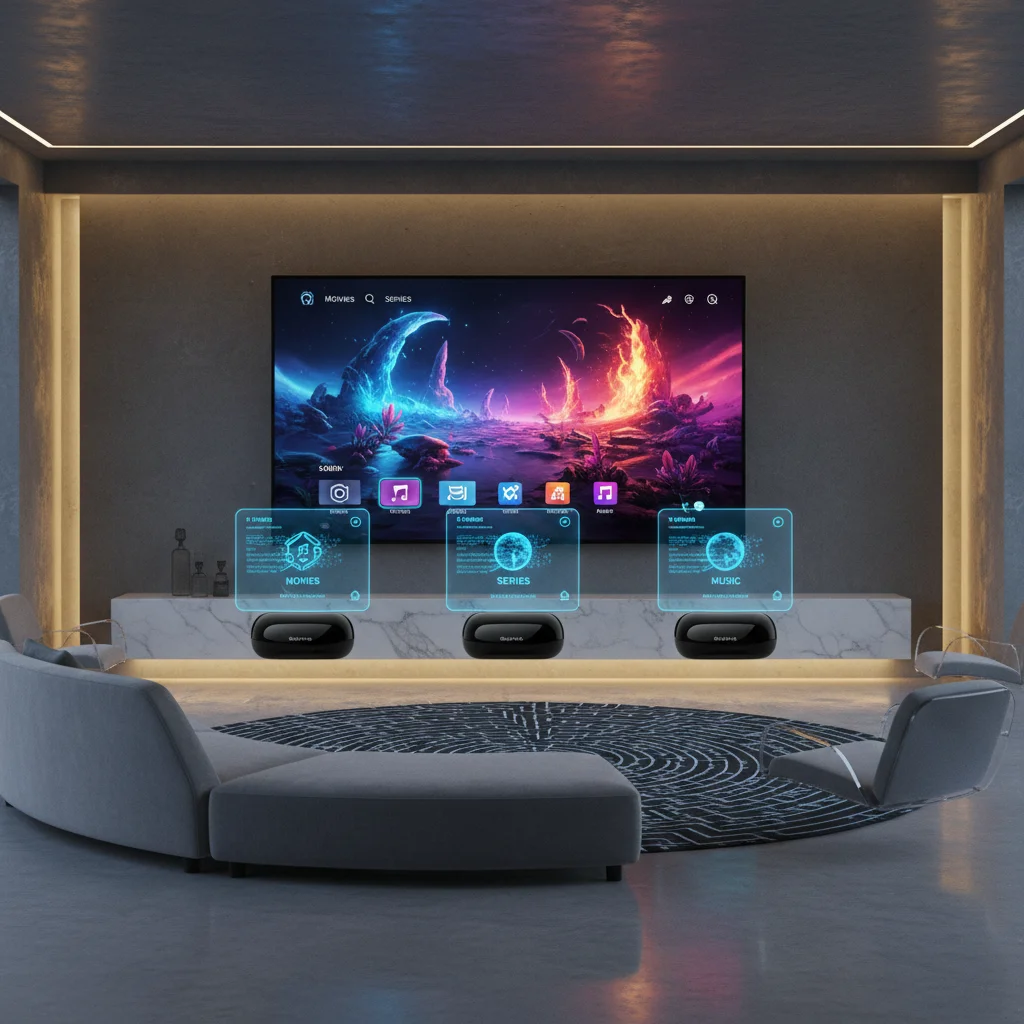
The landscape of home entertainment is in constant flux, evolving at an unprecedented pace. What was cutting-edge yesterday is often considered standard today, and tomorrow’s innovations are already being conceived. As we hurtle towards 2026, the demand for seamless, high-quality, and personalized streaming experiences is higher than ever. Consumers are no longer content with basic content delivery; they crave immersive experiences, intuitive interfaces, and powerful performance that can keep up with their diverse entertainment needs. This drive for superior media consumption is precisely why the choice of your streaming devices 2026 will be more critical than ever.
In this comprehensive guide, we delve into the future of entertainment, identifying and analyzing the top 6 must-have streaming devices 2026 that are poised to redefine how we consume media. We’ll explore the technological advancements, user experience enhancements, and ecosystem integrations that set these devices apart. Whether you’re a casual viewer, a dedicated cinephile, or a gaming enthusiast, understanding the nuances of these upcoming devices is essential for future-proofing your entertainment setup.
The market for streaming devices 2026 is becoming increasingly competitive, with manufacturers vying to offer the most compelling combination of features, performance, and value. From established giants to innovative newcomers, each contender brings something unique to the table. Our analysis will cut through the marketing jargon, providing you with a clear, objective comparison to help you make an informed decision. We’ll look at factors such as processor power, resolution support (including 8K capabilities), advanced audio formats, smart home integration, gaming features, and overall user interface design. Prepare to embark on a journey through the cutting-edge of home entertainment, as we uncover the devices that will shape our viewing habits in the years to come.
The Evolving Landscape of Streaming: What to Expect by 2026
Before we dive into the specific streaming devices 2026, it’s crucial to understand the broader trends that will influence their development and adoption. The next few years will see significant advancements across several key areas, directly impacting what consumers expect from their streaming hardware. These trends include:
8K Resolution and Beyond
While 4K is now commonplace, 8K content and displays are steadily gaining traction. By 2026, it’s highly probable that most premium streaming devices 2026 will offer robust 8K playback capabilities, ensuring future compatibility with the highest resolution content available. This isn’t just about more pixels; it’s about a level of detail and immersion previously unimaginable in home entertainment. The processing power required for seamless 8K streaming is substantial, pushing manufacturers to integrate more powerful chipsets and optimized software.
Advanced HDR and Audio Formats
High Dynamic Range (HDR) technologies like Dolby Vision and HDR10+ will continue to evolve, offering even greater contrast, color accuracy, and brightness. Simultaneously, immersive audio formats such as Dolby Atmos and DTS:X will become standard, delivering three-dimensional soundscapes that pull viewers deeper into the action. The best streaming devices 2026 will not only support these formats but also process them efficiently, ensuring a truly cinematic experience.
AI-Powered Personalization and Recommendation Engines
Artificial intelligence will play an even more significant role in personalizing content experiences. Expect streaming devices 2026 to leverage AI for highly accurate content recommendations, predictive viewing patterns, and even dynamic content adjustments based on user preferences. This goes beyond simple “you might also like” suggestions, moving towards a truly tailored entertainment journey.
Seamless Smart Home Integration
As smart homes become more ubiquitous, streaming devices 2026 will be central hubs for entertainment and home control. Voice assistants will be more sophisticated, allowing users to not only control their media but also manage smart lights, thermostats, and security systems directly from their streaming interface. Interoperability with various smart home ecosystems will be a key differentiator.
Cloud Gaming and Low-Latency Performance
The lines between streaming media and gaming will continue to blur. Many streaming devices 2026 will offer enhanced cloud gaming capabilities, allowing users to stream high-fidelity games without the need for dedicated consoles. This demands ultra-low latency, powerful networking capabilities (Wi-Fi 6E and beyond), and robust processing to handle demanding game streams. The integration of gaming platforms directly into streaming devices will appeal to a broader audience, turning a single device into a versatile entertainment hub.
Enhanced Security and Privacy Features
With increasing concerns about data privacy, streaming devices 2026 will incorporate more robust security protocols and privacy settings, giving users greater control over their data and online activities. This includes secure boot processes, encrypted data transmission, and transparent data usage policies. Manufacturers will prioritize building trust with consumers by making privacy a core feature, not an afterthought.
Key Considerations When Choosing Your Streaming Device in 2026
With so many options and evolving technologies, selecting the right streaming devices 2026 can seem daunting. Here are the crucial factors to keep in mind:
- Resolution Support: Ensure it supports at least 4K, with 8K readiness being a significant advantage for future-proofing.
- HDR and Audio Compatibility: Look for support for Dolby Vision, HDR10+, Dolby Atmos, and DTS:X for the best visual and auditory experience.
- Processor and RAM: A powerful processor and ample RAM are essential for smooth navigation, quick app loading, and seamless high-resolution playback.
- Connectivity: Wi-Fi 6E or Wi-Fi 7 for faster, more reliable wireless streaming, along with Gigabit Ethernet for wired connections. HDMI 2.1 is crucial for 8K and advanced gaming features.
- Operating System and User Interface: An intuitive, regularly updated OS (like Android TV, tvOS, or Roku OS) with a clean, customizable interface is key to user satisfaction.
- App Ecosystem: Broad support for all your favorite streaming services (Netflix, Disney+, Max, Apple TV+, etc.) and other apps.
- Voice Assistant Integration: Seamless integration with popular voice assistants (Google Assistant, Alexa, Siri) for hands-free control.
- Gaming Capabilities: If gaming is a priority, consider devices with robust cloud gaming support, low-latency features, and controller compatibility.
- Storage: Adequate internal storage for apps and cached data, with options for expansion if needed.
- Price: Balancing features with your budget is always important, but consider the long-term value and future-proofing aspects.
The Top 6 Must-Have Streaming Devices for 2026 (COMPARISON/ANALYSIS)
Now, let’s delve into the contenders. Based on current trends, technological roadmaps, and market positioning, these are the streaming devices 2026 we predict will be leading the pack.
1. Apple TV Ultimate (Hypothetical Name)
Apple’s streaming device has always been a premium offering, known for its seamless integration with the Apple ecosystem, robust performance, and superior user experience. By 2026, we anticipate an “Apple TV Ultimate” that pushes these boundaries even further. It will likely feature an even more powerful custom Apple Silicon chip, offering unparalleled 8K processing capabilities and advanced AI upscaling. Expect enhanced support for spatial audio with AirPods, deeper integration with Apple Fitness+ and Apple Arcade, making it a true entertainment and wellness hub. Its tvOS will likely see significant UI overhauls, focusing on hyper-personalization and intelligent content curation. The remote could incorporate haptic feedback and more advanced gesture controls, further refining the user interaction. For those deeply embedded in the Apple ecosystem, this will undoubtedly be the go-to choice, justifying its premium price point with a cohesive and powerful experience that few others can match. The focus on privacy and security, a hallmark of Apple products, will also be a significant draw for many users. This device will likely serve as a central smart home hub, leveraging Apple’s HomeKit for advanced automation and control, making it an indispensable part of a fully integrated smart living space.
2. NVIDIA Shield Pro X (Hypothetical Name)
NVIDIA Shield has consistently been a favorite among power users, gamers, and media enthusiasts due to its raw processing power and Android TV flexibility. The “Shield Pro X” for 2026 will undoubtedly build upon this legacy. We foresee an even more formidable Tegra processor, specifically optimized for 8K AI upscaling and unparalleled cloud gaming performance. This device will be a beast for services like NVIDIA GeForce NOW, offering console-quality gaming experiences streamed directly to your TV with minimal latency. Its Android TV platform will be highly customizable, allowing for extensive app sideloading and advanced media server capabilities (like Plex). Expect cutting-edge connectivity with Wi-Fi 7 and multiple HDMI 2.1 ports, catering to the most demanding audiovisual setups. The Shield Pro X will continue to appeal to those who prioritize raw power, open-source flexibility, and a premium gaming experience within a streaming device. Its ability to handle virtually any media format and act as a powerful media server will solidify its position as a top choice for tech-savvy users who demand the best in performance and versatility. Furthermore, its continued support for sophisticated smart home integrations via Google Assistant will make it a powerful central control point for connected devices.
3. Roku Ultra Max (Hypothetical Name)
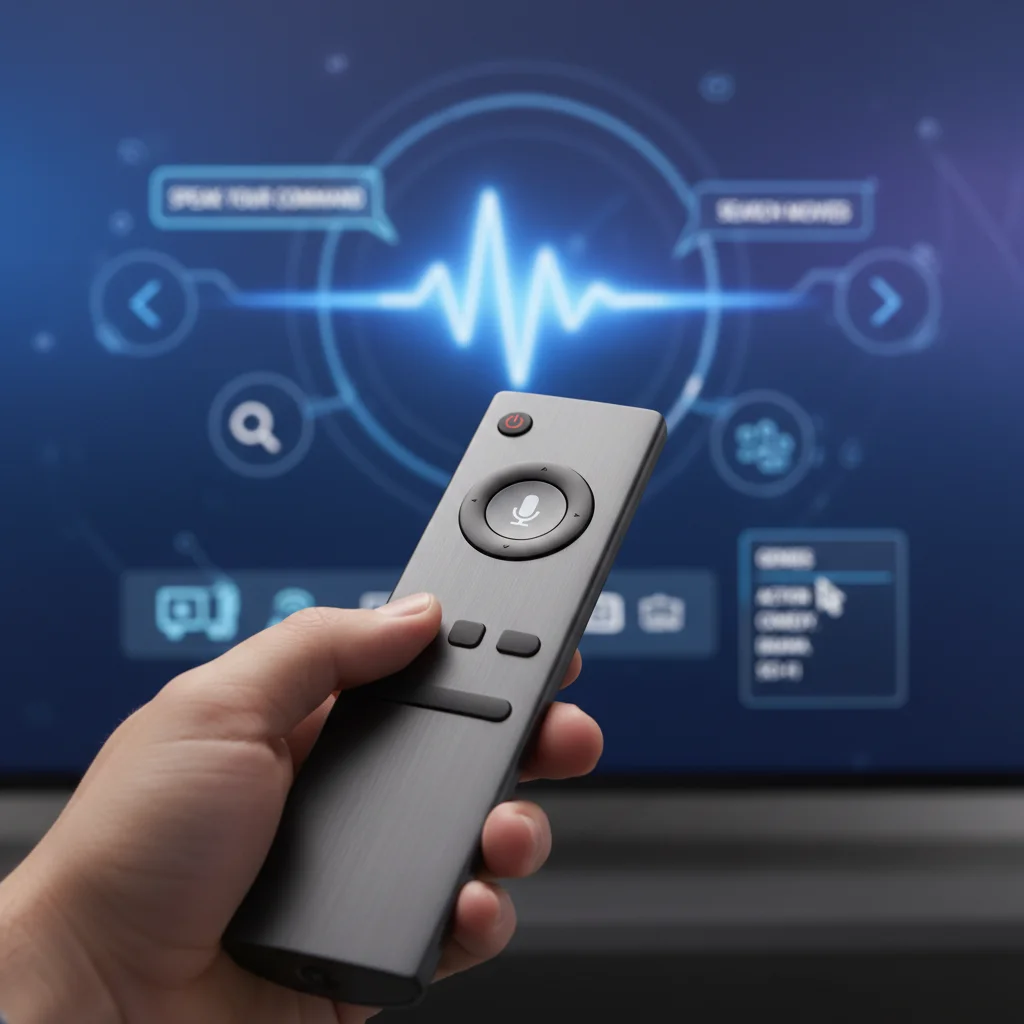
Roku has always been synonymous with simplicity and a vast content library. The “Roku Ultra Max” in 2026 will likely retain its user-friendly interface while significantly boosting its hardware capabilities. We expect native 8K support, enhanced HDR processing, and advanced audio passthrough. Roku’s strength lies in its agnostic approach to content, offering access to virtually every major streaming service without bias. The Ultra Max will integrate more sophisticated voice control, possibly with far-field microphones directly in the device itself, allowing for hands-free commands. Its focus will remain on ease of use, making it an excellent choice for mainstream consumers who want a reliable, comprehensive, and straightforward streaming experience without getting bogged down in complex settings. Expect faster navigation, quicker app launches, and potentially a more customizable home screen while maintaining the familiar Roku simplicity. The Roku ecosystem will also likely expand its free content offerings, making it an even more attractive option for budget-conscious consumers who still demand high quality. Its continued commitment to a neutral platform, not favoring any single content provider, will differentiate it in a market increasingly dominated by proprietary ecosystems.
4. Amazon Fire TV Cube Elite (Hypothetical Name)
The Amazon Fire TV Cube has always been Amazon’s flagship streaming device, combining a powerful media player with an Echo smart speaker. The “Fire TV Cube Elite” for 2026 will elevate this fusion to new heights. We anticipate a much more powerful processor capable of seamless 8K streaming and advanced AI-driven upscaling. Alexa integration will be even more intuitive, with enhanced far-field voice recognition and the ability to control a wider array of smart home devices directly through the Cube. It will likely feature a more dynamic and personalized Fire OS interface, leveraging Amazon’s vast data to provide highly relevant content suggestions. Gaming will also see a boost, with improved cloud gaming support and potentially a dedicated low-latency mode. For those deeply invested in the Amazon ecosystem (Prime, Alexa, smart home devices), the Fire TV Cube Elite will offer an unparalleled level of convenience and integration. Its ability to act as both a robust streamer and a powerful smart home hub makes it a versatile choice for many households. Furthermore, Amazon’s continued investment in its own content will ensure a rich and varied viewing experience, tightly integrated with the device’s capabilities.
5. Google Chromecast Ultra (Hypothetical Name)
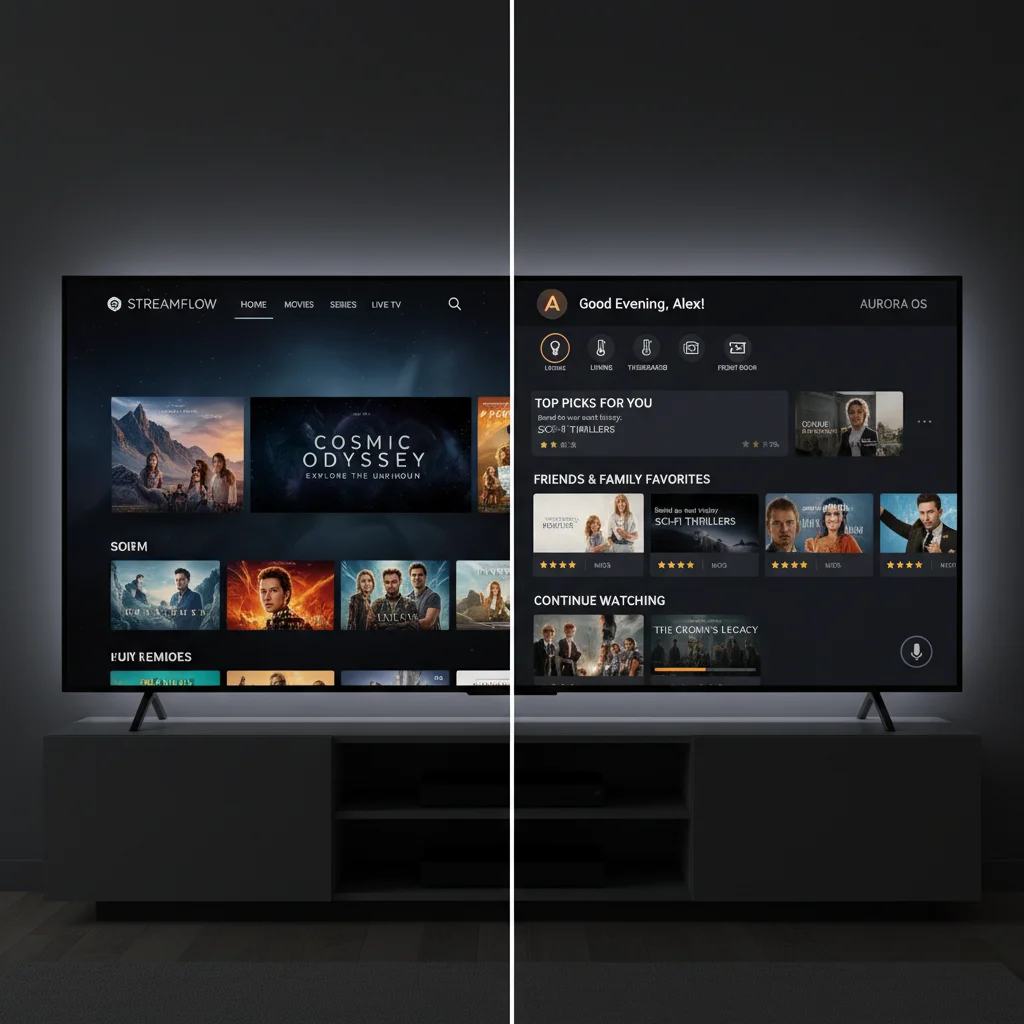
Google’s Chromecast line has evolved from a simple casting device to a full-fledged streaming platform with Google TV. The “Chromecast Ultra” in 2026 will likely represent the pinnacle of Google’s vision for smart entertainment. We expect native 8K support, a significantly more powerful processor for lightning-fast performance, and deeper integration with Google Assistant and other Google services. Its Google TV interface will become even more sophisticated, offering unparalleled personalization across all your subscriptions, YouTube, and even live TV services. Cloud gaming via Google Stadia (or its successor) will be a core feature, leveraging Google’s cloud infrastructure for seamless gaming. The device might also incorporate advanced ambient computing features, allowing it to intelligently adapt to your viewing habits and even suggest content based on your calendar or location. For Android users and those who value Google’s AI and search capabilities, the Chromecast Ultra will be an indispensable part of their home entertainment setup. Its commitment to an open platform, while still providing a curated experience, will appeal to a wide range of users looking for flexibility and smart functionality. The strong ties to the Google ecosystem, from Photos to YouTube to Google Assistant, create a powerful and cohesive user experience, making it a central hub for digital life.
6. Samsung One Connect Box Pro (Hypothetical Name – for Samsung Smart TVs)
While not a standalone device in the traditional sense, Samsung’s One Connect Box, which houses the brains of its premium TVs, deserves a mention as a “streaming device” for 2026. For those investing in a high-end Samsung TV, the “One Connect Box Pro” will be an integral part of their streaming experience. By 2026, this external box will likely contain an incredibly powerful processor, enabling native 8K streaming, advanced AI upscaling for all content, and robust support for next-generation HDR and audio formats. It will offer unparalleled integration with Samsung’s Tizen OS, providing a fluid and feature-rich smart TV experience. The benefit of the One Connect Box is its upgradability – theoretically, you could upgrade the box without replacing the entire TV, extending the life of your display. It will also serve as a central hub for all your HDMI devices, simplifying cable management. For consumers seeking an all-in-one, high-performance solution that integrates seamlessly with their Samsung display, the One Connect Box Pro will be a compelling offering. Its focus on minimalist design and powerful hidden technology makes it unique among other streaming devices 2026. The deep integration with Samsung’s SmartThings ecosystem will further enhance its utility, allowing for sophisticated smart home control directly from the TV interface, blurring the lines between entertainment and home management.
The Future is Now: Making Your Choice Among Streaming Devices 2026
The year 2026 promises to be an exciting time for home entertainment, with an array of sophisticated streaming devices 2026 vying for a place in your living room. Each device on our list offers a unique blend of features, catering to different priorities and ecosystems. The choice ultimately comes down to your individual needs, budget, and existing technological allegiances.
If you’re an Apple enthusiast seeking seamless integration, top-tier performance, and a premium user experience, the hypothetical Apple TV Ultimate will likely be your ideal choice. Its robust ecosystem, focus on privacy, and advanced features like spatial audio integration will offer a cohesive and high-quality entertainment hub. This device will continue to set the benchmark for premium streaming, delivering a polished and powerful experience that justifies its higher price point. The integration with Apple Arcade and Fitness+ will also cater to users looking for more than just video streaming, transforming the device into a comprehensive lifestyle companion.
For power users, dedicated gamers, and those who demand the utmost in flexibility and raw processing power, the NVIDIA Shield Pro X is poised to remain the undisputed champion. Its unparalleled AI upscaling, cloud gaming prowess, and the versatility of Android TV make it a formidable choice for any media connoisseur. The ability to act as a powerful media server and its extensive customization options will appeal to those who want complete control over their entertainment setup. The Shield Pro X is built for those who push the boundaries of home entertainment, offering a future-proof solution for even the most demanding applications.
If simplicity, broad content access, and a straightforward user experience are your top priorities, the Roku Ultra Max will continue to deliver. Its agnostic platform ensures you won’t miss out on any service, and its intuitive interface makes it accessible to everyone in the household. Roku’s commitment to ease of use, combined with enhanced performance, will make it a reliable and widely appealing option. This device is perfect for families or individuals who want a “set it and forget it” solution that just works, without compromising on access to content. The continued expansion of free streaming options within the Roku ecosystem also adds significant value.
For those deeply embedded in the Amazon ecosystem and seeking a powerful streaming device that doubles as a smart home hub, the Amazon Fire TV Cube Elite will be an excellent fit. Its enhanced Alexa integration, personalized Fire OS, and robust performance will offer a convenient and comprehensive entertainment and home control solution. The Cube Elite is designed for users who want to centralize their digital lives around Amazon’s services, making voice control and smart home management an integral part of their entertainment experience. Its tight integration with other Amazon services, like Prime Video and Amazon Music, creates a seamless and connected environment.
Google enthusiasts and Android users who value AI-driven personalization and deep integration with Google services will find the Google Chromecast Ultra to be an indispensable device. Its powerful Google TV interface, advanced Google Assistant capabilities, and potential for cutting-edge cloud gaming will make it a central component of their digital lives. The Chromecast Ultra is for those who appreciate intelligent recommendations and a cohesive experience across all their Google-powered devices. The potential for innovative ambient computing features will also make it a fascinating device for those who embrace the future of smart living.
Finally, for consumers investing in a high-end Samsung television, the Samsung One Connect Box Pro (as an integrated solution) offers a unique advantage. Its upgradable hardware, powerful processing, and seamless integration with Samsung’s Tizen OS provide an elegant and future-proof solution for premium display owners. This option is perfect for those who prioritize a minimalist setup and want their streaming capabilities to evolve with their display technology, without needing separate external boxes cluttering their entertainment area. The One Connect Box Pro represents the pinnacle of integrated smart TV technology, offering a streamlined and powerful experience.
Conclusion: Your Personalized Entertainment Hub
As we approach 2026, the evolution of streaming devices 2026 will continue to redefine how we interact with media. These devices are no longer just conduits for content; they are intelligent hubs that personalize our experiences, integrate with our smart homes, and even offer immersive gaming opportunities. The competition among manufacturers will drive innovation, leading to more powerful processors, more intuitive interfaces, and broader support for next-generation audiovisual technologies.
The key takeaway is that there’s no one-size-fits-all solution. Your ideal streaming devices 2026 will depend on your specific needs, your existing tech ecosystem, and your budget. By carefully considering the features and capabilities of each of these leading contenders, you can make an informed decision that future-proofs your entertainment setup for years to come. Whether you prioritize raw power, seamless integration, ultimate simplicity, or a blend of all three, the market in 2026 will have a compelling option waiting for you. Embrace the future of entertainment, and choose the device that best transforms your living room into a personalized, immersive media haven.
The advancements in AI, connectivity, and processing power mean that these streaming devices 2026 will offer experiences far beyond what we currently expect. From predictive content delivery to hyper-realistic gaming and sophisticated smart home control, your chosen device will be at the heart of your digital lifestyle. Invest wisely, and prepare to be amazed by the next generation of home entertainment.