Mastering Urgency: US Retailers’ 2026 Psychological Tactics for Purchase Influence
The Psychology of Urgency: How US Retailers Influence Purchases in 2026
In the dynamic and ever-evolving landscape of retail, understanding consumer behavior is paramount. As we look ahead to 2026, the art and science of influencing purchasing decisions will reach new levels of sophistication, with the psychology of urgency playing a pivotal role. US retailers, armed with advanced analytics, personalized marketing, and innovative technologies, are poised to harness this powerful psychological trigger like never before. This comprehensive exploration delves into how the concept of urgency is being redefined and strategically deployed to captivate consumers and drive sales in the coming years. We will uncover the nuanced psychological principles at play, examine the cutting-edge tactics retailers are adopting, and consider the ethical implications of these powerful persuasive techniques. The goal is not just to sell, but to create an experience that feels immediate, exclusive, and ultimately, irresistible.
The concept of urgency in retail is far from new. From ‘limited-time offers’ to ‘while stocks last,’ these phrases have been staples of marketing for decades. However, what sets 2026 apart is the unprecedented level of data-driven personalization, the integration of artificial intelligence, and the seamless convergence of online and offline shopping experiences. Retailers are moving beyond generic urgency triggers to hyper-targeted, situation-specific appeals that resonate deeply with individual consumers, creating a sense of immediate need that is difficult to ignore.
Understanding the Core Psychological Triggers of Urgency
At its heart, urgency taps into fundamental human psychological biases. The fear of missing out (FOMO) is perhaps the most potent. This innate human tendency to feel anxiety at the thought of being excluded from advantageous experiences or opportunities is a goldmine for retailers. When consumers perceive an offer as time-sensitive or limited in quantity, their internal alarm bells ring, prompting them to act quickly to avoid regret.
Another critical element is scarcity. The perceived value of an item often increases as its availability decreases. This isn’t just about physical stock; it extends to exclusive access, limited edition products, or unique experiences. When something is rare, it feels more desirable. Retailers in 2026 will expertly craft narratives around scarcity, making products seem not just available, but privileged.
Cognitive biases such as loss aversion also play a significant role. Humans tend to prefer avoiding losses over acquiring equivalent gains. An urgent offer frames inaction as a loss – the loss of a discount, the loss of a unique item, or the loss of an exclusive opportunity. This psychological framing is incredibly effective in prompting immediate action.
Furthermore, social proof, when combined with urgency, amplifies its effect. Seeing notifications like ’20 people are viewing this item’ or ‘5 items left in stock’ creates a sense of competition and validates the desirability of the product, pushing hesitant buyers towards conversion. This communal validation, especially within highly personalized digital environments, will be a cornerstone of retailer urgency psychology in 2026.
Advanced Strategies for Implementing Urgency in 2026 Retail
Hyper-Personalized Timed Offers
Gone are the days of blanket ’24-hour sales.’ In 2026, urgency will be driven by highly individualized timed offers based on a consumer’s browsing history, purchase patterns, demographic data, and even real-time behavior. AI-powered algorithms will analyze vast datasets to determine the optimal moment and offer to present to each customer. For example, a customer who frequently abandons carts might receive a personalized ‘complete your purchase in the next 30 minutes for an extra 10% off’ notification.
These offers won’t just be about discounts. They could be exclusive early access to new product lines, personalized bundles available only for a short window, or even unique service upgrades. The key is relevance and perceived value, making the urgency feel like a tailored opportunity rather than a generic sales tactic.
Dynamic Scarcity Messaging
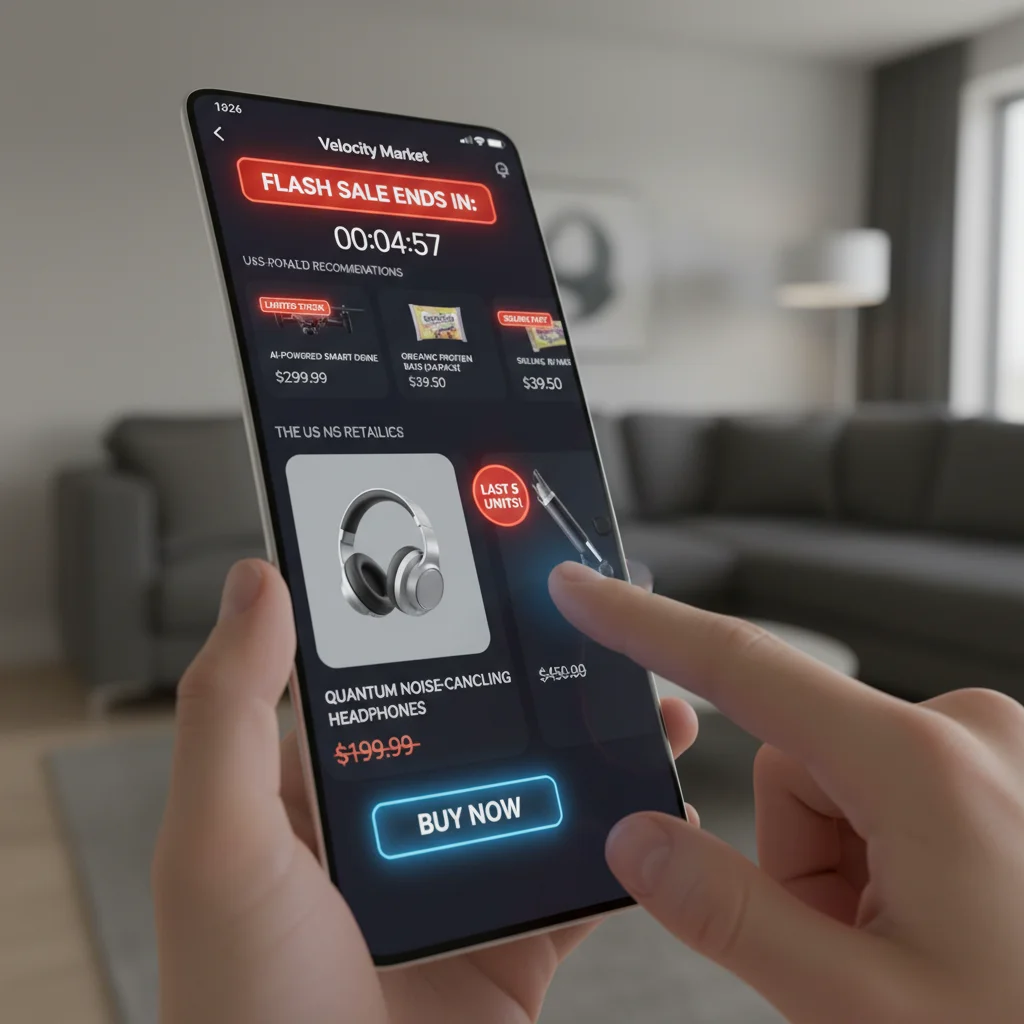
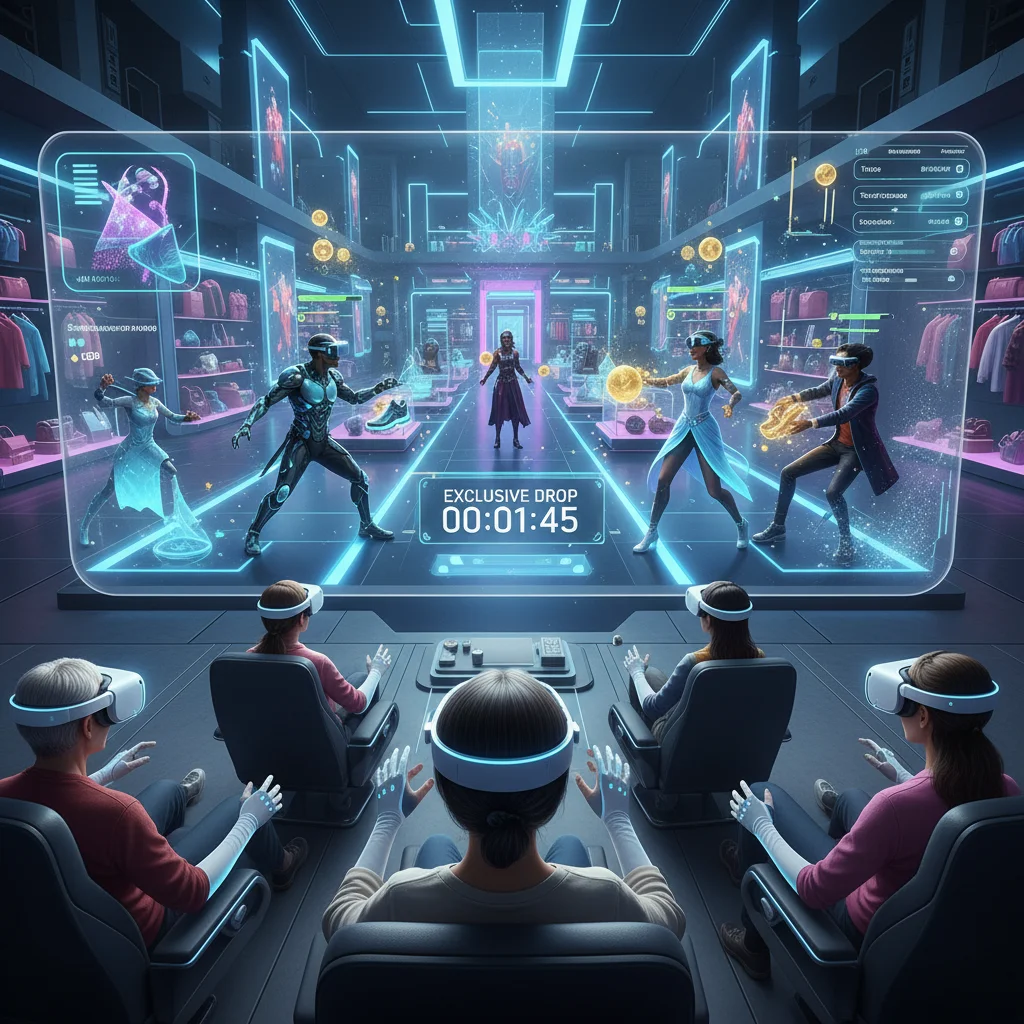
Retailers will move beyond static ‘limited stock’ messages to dynamic, real-time scarcity indicators. Imagine a product page where the ‘items remaining’ counter visibly decreases as other customers make purchases. This visual and immediate feedback system reinforces the scarcity principle, making the threat of missing out more palpable. This could extend to virtual queues for highly anticipated product drops, where consumers see their position in line and the dwindling availability of items.
This dynamic approach also applies to services or experiences. For instance, a booking platform might show ‘only 2 slots left at this price’ for a limited-time offer, adjusting in real-time as other users book. The transparency and immediacy of these updates will make the urgency feel more authentic and compelling.
Flash Sales and Event-Driven Urgency
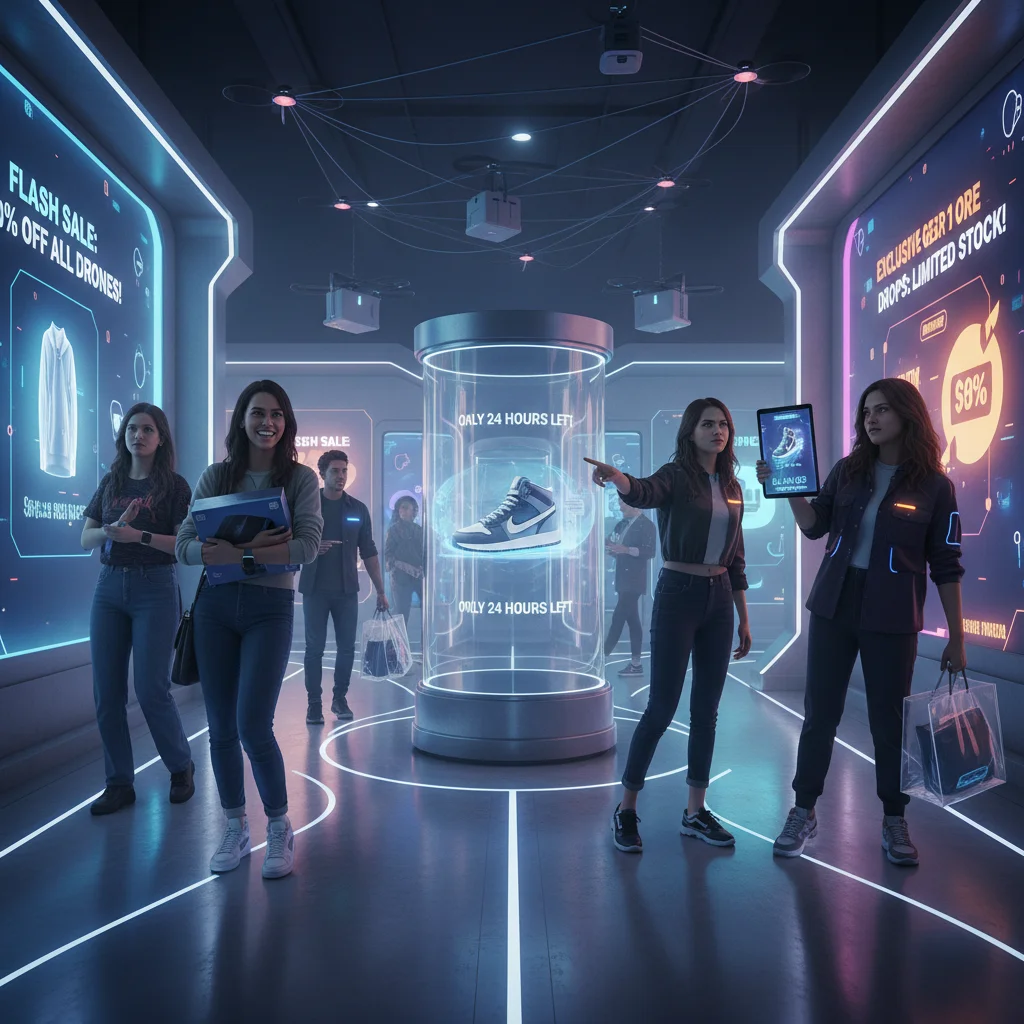
While flash sales are not new, their execution in 2026 will be more sophisticated. They will be integrated with larger retail events, seasonal promotions, and even micro-events triggered by external factors like local weather changes or trending social media topics. Think ‘Snow Day Flash Sale: 3 hours only on winter gear!’ or ‘Weekend Binge-Watching Bundle: 12-hour offer on home entertainment essentials inspired by a new series launch.’
These events will often be promoted through multiple channels simultaneously – email, SMS, push notifications, social media ads, and even in-store digital signage – creating a pervasive sense of urgency that is hard to ignore. The ephemeral nature of these sales will create a ‘now or never’ mentality, bypassing prolonged deliberation.
Gamification of Urgency
Gamification elements will increasingly be used to inject fun and competition into urgent offers. Leaderboards for fastest purchasers, reward tiers for completing purchases within a certain timeframe, or exclusive badges for participating in flash events can all heighten engagement and drive immediate action. This transforms the purchasing process from a chore into a challenge, where acting quickly yields tangible or psychological rewards.
For example, a retailer might introduce a ‘treasure hunt’ where limited-edition items are revealed at specific, short intervals, requiring quick reflexes and immediate purchase to secure. This not only creates urgency but also fosters brand loyalty and excitement.
Subscription Models with Urgent Perks
Even subscription services, typically designed for recurring revenue, can incorporate urgency. Retailers might offer ‘sign up in the next 48 hours to lock in this introductory price for life’ or ‘exclusive member-only flash sales every month, accessible only for 24 hours.’ This uses urgency to drive initial sign-ups and to encourage engagement within the subscription ecosystem, creating ongoing value for the consumer and consistent revenue for the retailer.
The Role of Technology in Amplifying Urgency
The technological advancements expected by 2026 are the bedrock upon which these sophisticated urgency strategies will be built.
Artificial Intelligence and Machine Learning
AI and ML will be indispensable for analyzing vast amounts of customer data to predict purchasing intent and identify the optimal moments for deploying urgency tactics. These systems can learn individual price sensitivities, preferred communication channels, and even emotional states based on browsing patterns, allowing for truly personalized and effective urgent offers. AI can also automate the creation and deployment of dynamic content, ensuring that scarcity messages and countdown timers are always accurate and compelling.
Augmented Reality (AR) and Virtual Reality (VR)
AR and VR will offer immersive ways to create urgency. Imagine trying on clothes in a virtual fitting room, only to see a notification that ‘this item is selling fast, only 3 left in your size!’ The virtual environment can make the scarcity feel more real and immediate. VR could host exclusive ‘pop-up’ shops that exist only for a few hours, offering unique items that disappear once the time is up, mimicking real-world event exclusivity.
Real-time Analytics and Dynamic Pricing
Retailers will leverage real-time analytics to monitor inventory levels, demand fluctuations, and competitor pricing. This data will feed into dynamic pricing models that can adjust prices in real-time, often creating urgent offers that are only valid for a very short period. This rapid response capability allows retailers to capitalize on fleeting opportunities and maximize conversions.
Seamless Omnichannel Integration
In 2026, the lines between online and offline retail will be virtually non-existent. Urgency created in a physical store (e.g., a digital display showing limited-time in-store only deals) will seamlessly translate to a mobile app notification when a customer leaves the store, reminding them of the expiring offer. Conversely, an online flash sale might offer an exclusive ‘click and collect’ option within a limited timeframe, driving foot traffic to physical locations while maintaining digital urgency.
Ethical Considerations and Consumer Trust
While the psychological power of urgency is undeniable, its deployment comes with significant ethical responsibilities. Overuse or deceptive practices can erode consumer trust, leading to backlash and long-term damage to a brand’s reputation. In 2026, consumers will be more discerning and less tolerant of manipulative tactics.
Transparency and Authenticity
Retailers must ensure that urgency is genuinely driven by real scarcity, time limits, or unique opportunities. Fabricated urgency – such as false ‘only 1 left’ messages when ample stock exists – will be quickly identified and penalized by consumers. Transparency about the reasons for urgency (e.g., ‘end-of-season clearance,’ ‘supplier limited run’) will be crucial.
Avoiding Manipulation and Pressure Tactics
The goal should be to inspire action, not to manipulate or unduly pressure consumers. Retailers need to strike a balance, using urgency to highlight genuine value and opportunity rather than creating anxiety or regret. Constant, aggressive urgent messaging can lead to ‘urgency fatigue,’ where consumers become desensitized or annoyed, ultimately ignoring all communications.
Data Privacy and Ethical AI Usage
The use of AI for hyper-personalization raises questions about data privacy and how personal information is used to create these urgent appeals. Retailers must adhere to strict data protection regulations and be transparent with consumers about their data practices. Ethical AI development will ensure that algorithms are not designed to exploit vulnerabilities but rather to enhance the shopping experience.
Consumer Education and Empowerment
In a world saturated with urgent offers, empowering consumers to make informed decisions is also important. Retailers can contribute by providing clear product information, easy comparison tools, and straightforward return policies, which can mitigate the negative effects of impulse purchases driven by urgency.
The Future of Urgency in US Retail: Beyond 2026
Looking beyond 2026, the evolution of urgency in retail will likely involve even more sophisticated integrations of biometric data, predictive analytics, and perhaps even neuro-marketing techniques, all while navigating an increasingly complex ethical landscape. We might see:
- Predictive Urgency: AI systems predicting a customer’s imminent need for a product (e.g., running low on a frequently purchased item) and offering a limited-time replenishment deal just before they run out.
- Emotional State Recognition: Advanced AI that can infer a customer’s emotional state from their online interactions (e.g., frustration, excitement) and tailor urgent offers accordingly. This will, however, require extremely careful ethical consideration.
- Decentralized Urgency: Leveraging blockchain or similar technologies to create truly limited, verifiable digital assets or exclusive access tokens that generate genuine scarcity and urgency, independent of a central retailer.
- Community-Driven Urgency: Social commerce platforms where communities or influencers can co-create urgent deals for their followers, fostering a collective buying urgency.
The future of retailer urgency psychology is not just about selling more; it’s about creating engaging, personalized, and sometimes even thrilling shopping experiences. The retailers who master the ethical and effective deployment of urgency will be those who not only drive sales but also build strong, lasting relationships with their customers.
Conclusion
The psychology of urgency will remain a cornerstone of US retail strategy in 2026 and beyond. By understanding the deep-seated psychological triggers of FOMO, scarcity, and loss aversion, and by leveraging cutting-edge technologies like AI, AR, and real-time analytics, retailers will be able to craft highly effective and personalized urgent offers. However, the true winners will be those who balance persuasive tactics with transparent, authentic, and ethical practices, building consumer trust rather than eroding it. The future of retail urgency is not just about speed and scarcity; it’s about smart, respectful, and ultimately, more human-centric engagement that transforms a fleeting opportunity into a valued interaction.