The Rise of Sustainable Tech: 7 Eco-Friendly Gadgets Making an Impact on United States Households This Year
In an era defined by increasing environmental consciousness, the integration of sustainable practices into our daily lives has become more critical than ever. As individuals and households in the United States strive to reduce their carbon footprint and embrace greener living, the demand for sustainable tech gadgets has surged. This isn’t just a fleeting trend; it’s a fundamental shift towards a future where technology and ecological responsibility go hand-in-hand. From smart home devices that optimize energy consumption to personal electronics crafted from recycled materials, the landscape of consumer technology is undergoing a profound transformation. This article delves into the exciting world of eco-friendly innovations, highlighting seven groundbreaking sustainable tech gadgets that are not only making a significant impact on households across the United States but are also paving the way for a more sustainable future.
The concept of sustainable tech gadgets extends beyond simply being energy-efficient. It encompasses the entire lifecycle of a product, from its raw materials and manufacturing processes to its energy consumption during use and its end-of-life disposal or recycling. Consumers are increasingly scrutinizing these aspects, opting for products that demonstrate a genuine commitment to environmental stewardship. This shift is driven by a combination of factors: growing awareness of climate change, the desire to reduce utility bills, and a moral imperative to protect the planet for future generations. As a result, manufacturers are responding with innovative solutions that marry cutting-edge technology with ecological principles, offering a diverse range of products that cater to various aspects of household life.
Our exploration will cover a spectrum of devices, each designed with sustainability at its core. We’ll examine how these gadgets contribute to energy conservation, waste reduction, and the promotion of renewable resources. By understanding the benefits and functionalities of these eco-friendly gadgets, United States households can make informed choices that not only enhance their daily lives but also contribute positively to global environmental efforts. The journey towards a sustainable future is a collective one, and the adoption of sustainable tech plays a pivotal role in accelerating this transition. Join us as we uncover the innovations that are redefining what it means to live a technologically advanced and environmentally responsible life.
The Growing Imperative for Sustainable Technology in US Households
The United States, with its significant consumption patterns, faces a unique challenge and opportunity in embracing sustainable practices. Households are at the forefront of this movement, as everyday choices regarding energy use, waste generation, and product consumption collectively contribute to a larger environmental footprint. The urgency for adopting sustainable tech gadgets stems from several critical environmental concerns, including climate change, resource depletion, and pollution. Traditional consumer electronics often come with hidden environmental costs, from the energy-intensive manufacturing processes to the disposal of hazardous materials.
However, a new wave of innovation is offering viable alternatives. Sustainable technology isn’t just about reducing harm; it’s about actively promoting positive environmental outcomes. This includes devices that leverage renewable energy sources, minimize water usage, reduce food waste, and are built with durability and recyclability in mind. The market for eco-friendly gadgets is expanding rapidly, driven by consumer demand and technological advancements. This section will delve into the underlying reasons why US households are increasingly turning to sustainable tech and the broader implications of this shift.
One of the primary drivers is the escalating cost of energy. As utility prices continue to rise, homeowners are actively seeking ways to reduce their energy consumption. Smart home devices, designed with energy efficiency at their core, offer tangible savings while providing enhanced control and convenience. Beyond financial incentives, there’s a growing ethical consideration. Many consumers are becoming more aware of the environmental impact of their purchases and are actively seeking products from companies that demonstrate corporate social responsibility. This includes transparent supply chains, ethical labor practices, and a commitment to sustainable sourcing.
Furthermore, government incentives and regulations are playing a role in accelerating the adoption of sustainable tech. Tax credits for energy-efficient home improvements, rebates for smart thermostats, and policies promoting renewable energy installations are all contributing to a more favorable environment for eco-friendly innovations. The cumulative effect of these factors is creating a powerful momentum towards a greener economy, with US households at the heart of this transformative change. Understanding these drivers is essential to appreciating the significance of the sustainable tech gadgets we will explore.
1. Smart Thermostats: Intelligent Climate Control for Energy Savings
One of the most impactful sustainable tech gadgets for any household is the smart thermostat. These devices go far beyond traditional programmable thermostats by learning your preferences, adapting to your schedule, and integrating with other smart home systems to optimize heating and cooling. The environmental benefit is substantial: heating and cooling account for a significant portion of household energy consumption. By precisely managing temperatures, smart thermostats can drastically reduce wasted energy.
Modern smart thermostats, such as those from Nest, Ecobee, and Honeywell Home, utilize advanced algorithms and sensors to understand when you’re home or away, automatically adjusting temperatures to conserve energy. They can detect open windows, integrate with local weather forecasts, and even learn your comfort patterns over time. Many models also provide detailed energy usage reports, empowering users to see exactly where their energy is going and identify further opportunities for savings. This level of insight and automation makes them indispensable tools for any eco-conscious homeowner.
Beyond energy efficiency, some smart thermostats are designed with sustainability in mind from their manufacturing process. Companies are increasingly using recycled plastics and other environmentally friendly materials in their construction, and offering robust recycling programs for older devices. The long-term impact of widespread adoption of these eco-friendly gadgets could be immense, contributing significantly to national energy conservation goals and reducing greenhouse gas emissions. For United States households looking to make an immediate and measurable difference, a smart thermostat is often the first and most effective step.
2. Energy Monitoring Systems: Unveiling Hidden Consumption
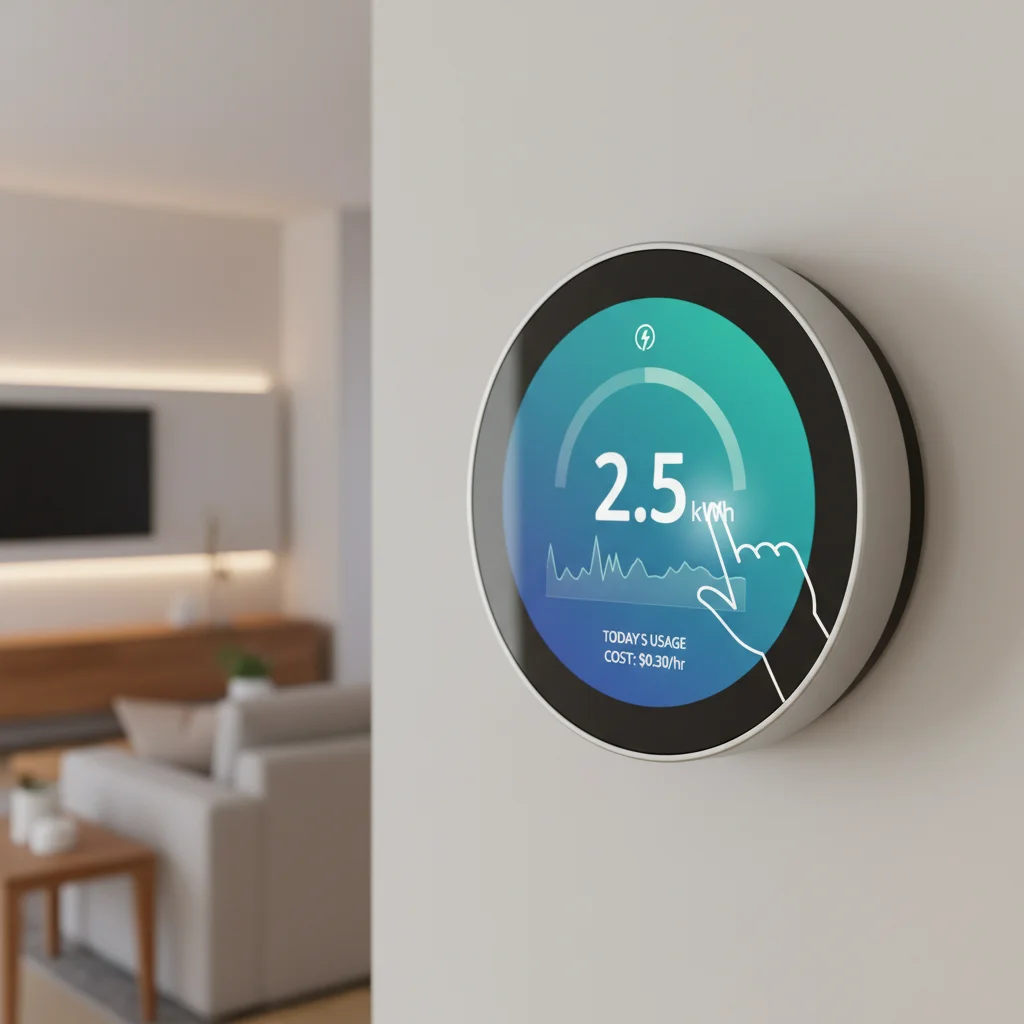
While smart thermostats manage specific aspects of energy use, whole-home energy monitoring systems offer a comprehensive overview of your household’s electricity consumption. These sustainable tech gadgets provide real-time data on how much energy your home is using, identifying energy-hungry appliances and pinpointing areas where you can cut back. Knowledge is power, and in the context of energy, it translates directly into savings and reduced environmental impact.
Devices like Sense Energy Monitor or Emporia Vue install directly into your electrical panel and send detailed consumption data to a smartphone app. They can differentiate between various appliances, showing you how much electricity your refrigerator, washing machine, or entertainment system is drawing. This granular data allows homeowners to identify phantom load (energy consumed by devices even when turned off) and make informed decisions about appliance upgrades or usage habits. Imagine discovering that an old, inefficient appliance is costing you hundreds of dollars a year; an energy monitor makes such insights possible.
The value of these eco-friendly gadgets extends beyond mere cost savings. By understanding their energy footprint, households can become more proactive in their sustainability efforts. This might involve adjusting daily routines, investing in more efficient appliances, or simply being more mindful about turning off lights and unplugging chargers. Energy monitoring systems empower users with the information needed to make smarter, more sustainable choices, ultimately contributing to a significant reduction in overall energy demand and a smaller carbon footprint for United States households.
3. Water-Saving Smart Shower Heads: Conserving Precious Resources
Water conservation is another critical aspect of environmental sustainability, and sustainable tech gadgets are now addressing this challenge directly within the home. Smart shower heads represent an innovative approach to reducing water waste without sacrificing the shower experience. Traditional showers can consume a significant amount of water, often more than necessary. These smart devices aim to optimize water usage through various clever mechanisms.
Take, for example, the Nebia by Moen shower head, which atomizes water into millions of tiny droplets, creating a sensation of greater water coverage while using significantly less water than conventional shower heads. Other smart shower heads incorporate features like integrated timers, flow rate sensors, and even color-changing LEDs that indicate when you’ve reached a pre-set water usage limit. Some models connect to smartphone apps, providing detailed reports on water consumption and offering tips for further conservation. This helps users become more aware of their water habits and encourages more mindful usage.
The impact of these eco-friendly gadgets is particularly significant in regions prone to drought or where water resources are scarce. By making water conservation an intuitive and even enjoyable part of daily routines, these devices help United States households contribute to broader water stewardship efforts. Reducing hot water consumption also has the added benefit of lowering energy bills, as less energy is required to heat the water. It’s a dual-benefit approach to sustainability that addresses both water and energy efficiency.
4. Smart Composting Machines: Transforming Food Waste into Resource
Food waste is a monumental environmental problem, contributing significantly to landfill emissions and resource inefficiency. Fortunately, sustainable tech gadgets are emerging to tackle this issue head-on, right in our kitchens. Smart composting machines offer a convenient and odor-free way for households to divert food scraps from landfills, transforming them into nutrient-rich soil amendments or significantly reducing their volume.
Devices like the Lomi by Pela or FoodCycler by Vitamix use heat, aeration, and grinding mechanisms to break down food waste in a matter of hours, rather than the weeks or months required for traditional composting. The resulting material is significantly reduced in volume and can be used as a soil additive for gardens, potted plants, or simply disposed of without the environmental burden of landfilling. These machines are designed to be compact, quiet, and integrate seamlessly into modern kitchen environments, removing the common barriers of smell and space associated with traditional composting.
The environmental benefits are profound. By diverting food waste, these eco-friendly gadgets help reduce methane emissions from landfills, a potent greenhouse gas. They also contribute to a circular economy by turning waste into a valuable resource, enriching soil and reducing the need for chemical fertilizers. For United States households, adopting a smart composting machine is a powerful step towards zero-waste living and a tangible contribution to mitigating climate change, transforming a daily chore into an act of environmental stewardship.
5. Portable Solar Chargers: Harnessing the Sun on the Go
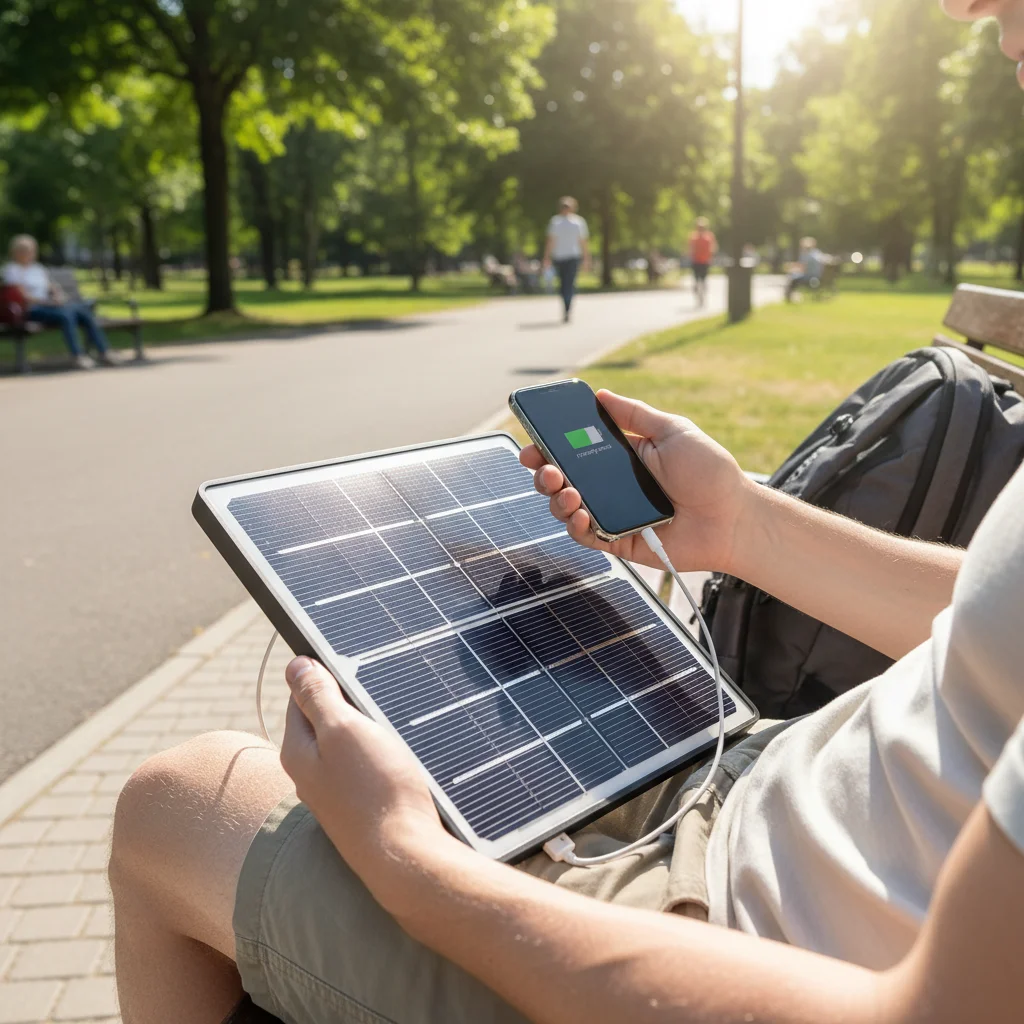
In a world increasingly reliant on portable electronic devices, the demand for convenient and sustainable power sources is paramount. Portable solar chargers are shining examples of sustainable tech gadgets that empower individuals to harness renewable energy wherever they go. These devices convert sunlight directly into electricity, providing a green alternative to traditional wall chargers and power banks that rely on grid electricity.
From compact foldable panels that can charge a smartphone to larger, more robust units capable of powering laptops or multiple devices, portable solar chargers come in a variety of sizes and capacities. They are particularly popular among outdoor enthusiasts, travelers, and anyone seeking energy independence. Brands like Goal Zero, Anker, and BioLite offer a range of solutions that are efficient, durable, and increasingly affordable. Many models include integrated batteries to store solar energy, allowing for charging even when the sun isn’t shining.
The environmental impact of these eco-friendly gadgets is clear: they reduce reliance on fossil fuel-generated electricity, lower carbon emissions, and promote the use of clean, renewable energy. For United States households, especially those with members who are frequently on the move or enjoy off-grid activities, a portable solar charger is an excellent investment in personal sustainability. It represents a tangible step towards decentralizing energy consumption and embracing the abundant power of the sun, fostering a greater connection to renewable resources.
6. Eco-Friendly Smart Lighting Systems: Brightening Homes Sustainably
Lighting accounts for a significant portion of household electricity use, but advancements in sustainable tech gadgets have made it possible to illuminate our homes efficiently and intelligently. Eco-friendly smart lighting systems, predominantly utilizing LED technology, offer unparalleled energy savings, extended lifespans, and enhanced control, making them a cornerstone of sustainable smart homes.
Smart LED bulbs from brands like Philips Hue, Sengled, and LIFX consume a fraction of the energy of traditional incandescent bulbs and last for tens of thousands of hours, drastically reducing waste from frequent bulb replacement. Beyond their inherent efficiency, these systems offer smart features that further optimize energy use. Users can control lights remotely, set schedules, dim brightness, and even integrate them with motion sensors or smart home routines to ensure lights are only on when and where they are needed. Some systems can even adjust their color temperature to mimic natural daylight, promoting well-being while conserving energy.
The shift to these eco-friendly gadgets has a profound impact on household energy bills and the environment. By minimizing electricity consumption for lighting, United States households can significantly reduce their carbon footprint. The longevity of LED bulbs also means less manufacturing and transport of replacements, further contributing to resource conservation. Smart lighting systems are not just about convenience; they are a vital component of a truly sustainable and energy-efficient home, showcasing how technology can seamlessly integrate with ecological responsibility to create brighter, greener living spaces.
7. Recycled Material Electronics: Closing the Loop on Consumer Waste
Perhaps one of the most fundamental shifts in the realm of sustainable tech gadgets is the increasing use of recycled materials in the manufacturing of electronics themselves. This approach directly addresses the massive problem of electronic waste (e-waste), which is a growing environmental concern due to its toxic components and the valuable resources lost when devices are not properly recycled.
Companies are now actively incorporating post-consumer recycled plastics, metals, and other materials into their product designs. For instance, some laptop manufacturers are using recycled aluminum in their casings, while smartphone makers are integrating recycled rare earth elements and plastics into internal components. Even smaller accessories, like phone cases and charging cables, are being made from ocean-bound plastics or other recovered waste streams. This trend is not limited to niche brands; major tech giants are increasingly committing to using recycled content and improving the repairability and recyclability of their products.
The significance of these eco-friendly gadgets cannot be overstated. By closing the loop on material use, they reduce the demand for virgin resources, conserve energy required for extraction and processing, and mitigate the environmental impact of mining and manufacturing. They also reduce the volume of e-waste ending up in landfills. For United States households, choosing electronics made from recycled materials is a powerful statement of support for a circular economy and a tangible way to reduce their indirect environmental footprint. It encourages manufacturers to innovate further in sustainable design and production, fostering a more responsible consumer electronics industry.
The Future of Sustainable Tech in American Homes
The seven sustainable tech gadgets discussed here represent just a snapshot of the innovation currently sweeping through the consumer electronics market. The trajectory is clear: technology and sustainability are converging, offering increasingly sophisticated and accessible solutions for eco-conscious living. As awareness grows and technology advances, we can expect even more transformative products to emerge, further empowering United States households to reduce their environmental impact.
The broader implications of this shift are profound. Widespread adoption of these eco-friendly gadgets contributes not only to individual household savings but also to national and global sustainability goals. Reduced energy consumption lessens the strain on power grids and decreases reliance on fossil fuels. Lower water usage helps protect vital natural resources. Diverting waste from landfills mitigates pollution and greenhouse gas emissions. And the demand for recycled materials drives a more circular and resource-efficient economy.
However, the responsibility doesn’t solely rest on manufacturers or government policies. Consumers play a crucial role in driving this change. By prioritizing sustainable products, asking questions about product lifecycles, and advocating for greener alternatives, United States households can accelerate the transition to a truly sustainable technological landscape. Making informed choices about the gadgets we bring into our homes is a powerful act of environmental stewardship.
Looking ahead, we anticipate even greater integration of AI and machine learning into sustainable tech, leading to more intelligent and adaptive systems that optimize resource use with minimal human intervention. The focus will also intensify on product longevity, repairability, and comprehensive end-of-life recycling programs to ensure that the entire lifecycle of a gadget is environmentally sound. The future of our planet depends on our collective ability to innovate and adopt solutions that balance technological progress with ecological responsibility. The rise of sustainable tech gadgets is a promising indicator that this balance is not only achievable but is rapidly becoming the new standard for modern living.
Making the Switch: Practical Steps for US Households
Embracing sustainable tech gadgets might seem like a daunting task, but it can be approached gradually and strategically. For United States households looking to make the switch, here are some practical steps to consider. First, start with an energy audit of your home. This can be done professionally or through simple observation using an energy monitor. Understanding where your biggest energy drains are will help you prioritize which sustainable tech investments will yield the greatest impact. Often, smart thermostats are a great starting point due to their significant potential for energy savings and relatively easy installation.
Next, consider the lifecycle of your existing electronics. As appliances or devices reach the end of their useful life, actively seek out eco-friendly gadgets as replacements. Look for products made with recycled materials, designed for energy efficiency, and offering robust recycling or trade-in programs. Don’t underestimate the power of smaller changes; switching to smart LED lighting throughout your home can add up to substantial energy reductions over time. Even small changes contribute to the larger goal of a sustainable home and planet.
Furthermore, educate yourself on the brands and companies that are genuinely committed to sustainability. Look for certifications, transparent reporting on environmental impact, and take advantage of consumer reviews that highlight product longevity and efficiency. Engage with community initiatives for e-waste recycling to ensure that old devices are disposed of responsibly. By consciously integrating these sustainable tech choices into purchasing decisions and daily habits, United States households can collectively drive significant positive environmental change. The journey towards a greener home is continuous, but with the right tools and mindset, it is an achievable and rewarding endeavor.
The Economic and Environmental Benefits of Adopting Sustainable Tech
The decision to invest in sustainable tech gadgets is often viewed through the lens of environmental responsibility, and rightly so. However, it’s crucial to highlight the significant economic benefits that accompany such adoption, making it a win-win scenario for United States households. The most immediate and tangible benefit is often reduced utility bills. Smart thermostats, energy monitors, and eco-friendly lighting systems directly translate to lower electricity and heating costs, offering a return on investment over time. Water-saving devices similarly reduce water bills, especially in areas with metered consumption.
Beyond direct savings, there are often government incentives and rebates available for installing energy-efficient appliances and smart home devices. These can further offset the initial cost of investment, making sustainable tech more accessible. The longevity and durability often associated with well-designed eco-friendly gadgets also mean fewer replacements and repair costs over their lifespan, contributing to long-term economic advantages.
From an environmental perspective, the benefits are even more profound. Reduced energy consumption directly lowers greenhouse gas emissions, helping to combat climate change. Water conservation protects precious natural resources and reduces the energy required for water treatment and distribution. Diverting food waste from landfills reduces methane emissions, a potent greenhouse gas, and creates valuable soil amendments. By choosing electronics made from recycled materials, households contribute to a circular economy, conserving finite resources and reducing pollution associated with raw material extraction and processing.
Ultimately, the widespread adoption of sustainable tech gadgets across United States households contributes to a more resilient and sustainable national infrastructure. It fosters innovation in green technologies, creates new job opportunities in the green economy, and positions the nation as a leader in environmental stewardship. The cumulative effect of individual household choices, amplified by technological advancements, has the power to drive monumental positive change for both our wallets and our planet.
Conclusion: Empowering a Greener Future with Sustainable Tech Gadgets
The journey towards a more sustainable future is a multifaceted endeavor, and the role of technology in this transformation cannot be overstated. As we’ve explored, sustainable tech gadgets are no longer niche products but essential tools for United States households committed to reducing their environmental footprint and embracing a greener lifestyle. From optimizing energy consumption with smart thermostats and lighting to conserving water with innovative showerheads, and from tackling food waste with smart composters to empowering mobile charging with portable solar panels, these eco-friendly innovations are making a tangible difference.
The impact of these eco-friendly gadgets extends beyond individual savings and convenience. They collectively contribute to critical environmental goals, including mitigating climate change, conserving natural resources, and reducing pollution. Furthermore, the increasing demand for sustainable products is driving manufacturers to innovate further, fostering a more responsible and environmentally conscious consumer electronics industry. This creates a virtuous cycle where consumer choices influence production, leading to a wider array of sustainable options.
For United States households, the message is clear: adopting sustainable tech is an accessible and impactful way to contribute to a healthier planet. It’s about making informed choices, prioritizing efficiency and durability, and embracing the power of technology to solve environmental challenges. As these gadgets become more sophisticated, affordable, and integrated into our daily lives, the potential for positive change will only grow. The future is green, and sustainable tech gadgets are leading the way, empowering each household to be a part of this vital global movement towards ecological balance and prosperity.