Mastering US Retailer Return Policies: Your 2026 Guide to Hassle-Free Returns

In the dynamic world of retail, where online purchases and in-store experiences intertwine, understanding US retailer returns policies is more crucial than ever. As we navigate 2026, consumers are empowered with more choices, but also face an increasingly complex landscape of rules and regulations when it comes to returning unwanted or defective items. This comprehensive guide aims to demystify the intricacies of retailer return policies, equipping you with the knowledge to make informed decisions, protect your purchases, and ensure a hassle-free return experience every time.
Whether you’re a seasoned shopper or a novice navigating your first return, the information contained within this article will serve as your ultimate resource. We’ll delve into the nuances of different retailer approaches, highlight key consumer rights, and provide actionable tips to help you avoid common pitfalls. Our goal is to transform your understanding of US retailer returns from a source of frustration into an area of confidence and control.
The Evolving Landscape of US Retailer Returns in 2026
The retail industry is constantly evolving, and with it, so are return policies. Factors such as the surge in e-commerce, heightened consumer expectations, and the ongoing battle against return fraud have all contributed to a more sophisticated and, at times, more stringent set of rules. For consumers, this means that what was acceptable for a return last year might not be in 2026. Staying updated is key to mastering US retailer returns.
Many retailers are now leveraging advanced analytics and artificial intelligence to track return patterns, identify serial returners, and even personalize return policies based on individual customer behavior. While this can streamline the process for many, it also means that a clear understanding of each retailer’s specific terms is paramount. Generic assumptions about return windows or conditions are no longer sufficient.
Why Understanding Return Policies Matters More Than Ever
- Financial Savings: Unsuccessful returns can lead to lost money, whether it’s through restocking fees, shipping costs, or being stuck with an item you don’t want.
- Time Efficiency: Knowing the policy beforehand saves you valuable time and effort, preventing multiple trips or lengthy customer service calls.
- Reduced Stress: A clear understanding eliminates the anxiety associated with returns, making your shopping experience more enjoyable.
- Consumer Protection: Being aware of your rights empowers you to advocate for yourself if a retailer attempts to deny a valid return.
- Sustainable Shopping: Informed returns can contribute to more sustainable consumption practices by reducing unnecessary waste and logistics.
Key Components of US Retailer Return Policies
While each retailer’s policy will have its unique nuances, several core components are almost universally present. Familiarizing yourself with these elements is the first step towards confidently navigating US retailer returns.
1. Return Window
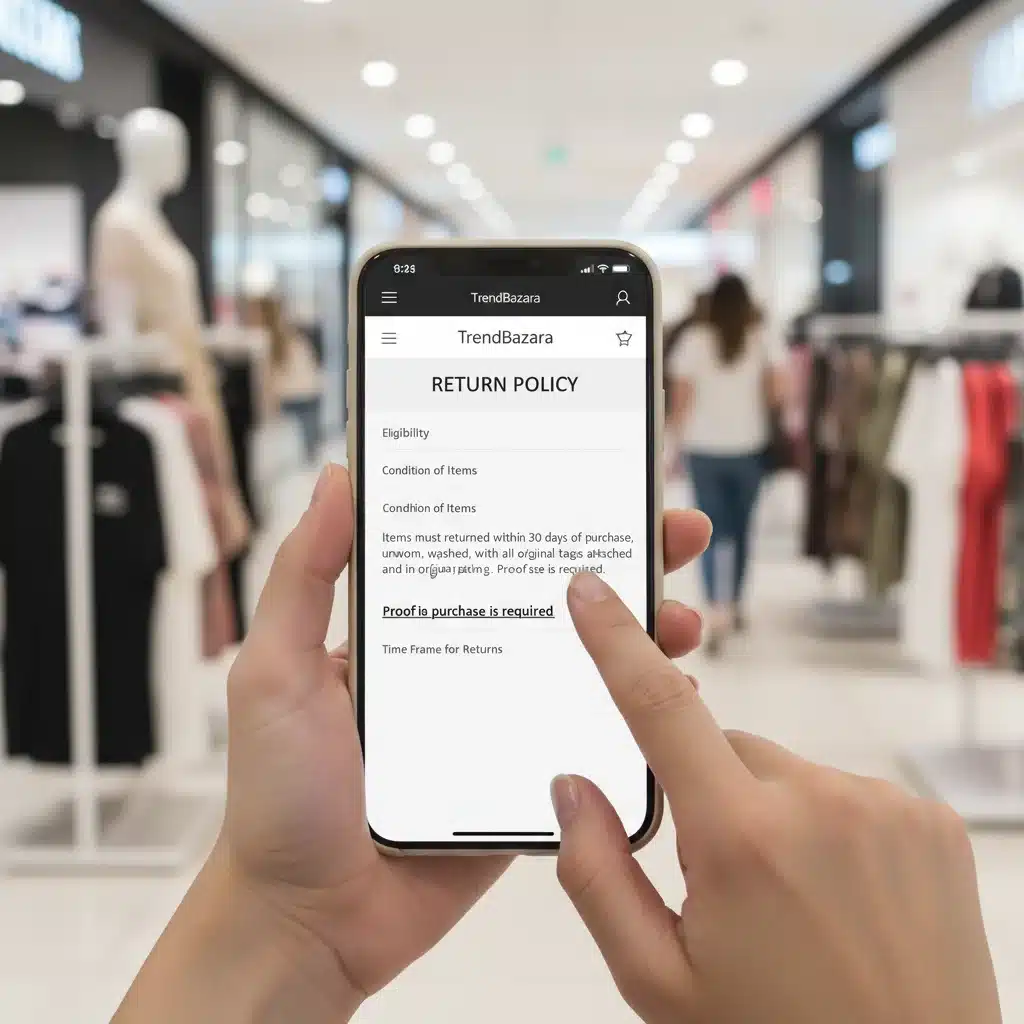
This is perhaps the most critical aspect: how long do you have to return an item? Return windows can vary wildly, from as little as 7 days to 365 days or even a lifetime guarantee in some cases. Common windows include 14, 30, 60, or 90 days. Always check this immediately after purchase, especially for electronics, seasonal items, or gifts.
2. Condition of Item
Most retailers require items to be returned in their original, unused, and resalable condition. This often means with all original tags, packaging, and accessories intact. Some items, like swimwear or intimate apparel, may have stricter rules for hygiene reasons. Opened software or media is also frequently non-returnable.
3. Proof of Purchase
A receipt, packing slip, order confirmation email, or even the credit card used for purchase is usually required. Without proof of purchase, many retailers will only offer store credit at the item’s lowest selling price, if they accept the return at all. Digital receipts are becoming increasingly common and are often easier to track.
4. Refund Method
How will you get your money back? Typically, refunds are issued to the original form of payment. If that’s not possible (e.g., a lost gift card), store credit or a physical check might be offered. Be aware that processing times for refunds can vary, sometimes taking several business days to appear in your account.
5. Restocking Fees
Some retailers, particularly for electronics, furniture, or high-value items, may charge a restocking fee. This fee is designed to cover the costs associated with processing the return and preparing the item for resale. Always check for these fees before making a purchase, as they can significantly reduce your refund amount.
6. Non-Returnable Items
Certain categories of items are often explicitly excluded from return policies. These can include personalized or custom-made goods, perishable items, final sale or clearance items, gift cards, and sometimes even health and beauty products if opened. Always verify these exclusions.
7. Online vs. In-Store Returns
The process for returning an online purchase can differ from an in-store one. Online returns often require a return authorization number, specific packaging, and may involve shipping costs. Many retailers now offer the convenience of returning online purchases to their physical store locations, which can save on shipping fees and expedite the refund process.
Decoding Specific Retailer Policies: A 2026 Snapshot
While we cannot list every single retailer, understanding the general approaches of major players can provide a useful framework for navigating US retailer returns. Policies are subject to change, so always check the most current information directly on the retailer’s website.
Amazon
Amazon’s return policy is generally customer-friendly, offering a 30-day return window for most items from the date of receipt. Items must be in new and unused condition. Some categories, like certain electronics, may have shorter windows. Amazon provides prepaid return labels for many returns, especially if the item is damaged or incorrect. Third-party seller policies can vary, so always check the individual seller’s terms.
Walmart
Walmart typically offers a 90-day return window for most items, with a receipt. Electronics often have a shorter 30-day window. Items must be in their original packaging. Returns can be made in-store or by mail. Without a receipt, store credit may be issued at the current selling price, often requiring a valid ID.
Target
Target generally allows returns within 90 days for most unopened items with a receipt. Target-owned brands often come with a generous one-year return window. Electronics have a 30-day return period. RedCard holders may receive an extended return window on most items. They also offer easy in-store returns for online purchases.
Best Buy
Best Buy’s return policy is usually 15 days for most products for non-My Best Buy members, 30 days for Elite members, and 45 days for Elite Plus members. This shorter window is common for electronics retailers due to rapid technological obsolescence. Drones, cell phones, and some other items have specific, often shorter, return windows. Restocking fees may apply to certain items like drones, cameras, and projectors.
Macy’s / Nordstrom / Department Stores
Many department stores have more lenient policies, often offering 90-day or even open-ended returns for items in original condition, with tags. However, they are increasingly scrutinizing returns for signs of wear or abuse. Proof of purchase is highly recommended. “Final Sale” items are typically non-returnable.
Your Consumer Rights and Protections
While retailers set their own policies, consumers in the US are not without rights. Several federal and state laws offer a baseline of protection, particularly concerning defective products or misrepresentation. Understanding these can be crucial when navigating challenging US retailer returns.
Implied Warranties
Most purchases come with implied warranties, even if not explicitly stated. The two main types are:
- Implied Warranty of Merchantability: This means the item must be fit for its ordinary purpose. A toaster should toast, and a phone should make calls.
- Implied Warranty of Fitness for a Particular Purpose: If you tell a seller you need an item for a specific use, and they recommend a product, it should be fit for that purpose.
These warranties can provide recourse if an item is defective, even if the stated return window has passed. However, proving a breach of implied warranty can sometimes require legal action or strong consumer advocacy.
Deceptive Trade Practices
Federal and state laws prohibit deceptive trade practices. If a retailer misrepresents a product or its return policy, you may have grounds for a return or refund, regardless of their stated policy. This could include false advertising, misleading labeling, or making false promises about product performance.
Credit Card Protections
Many credit card companies offer purchase protection benefits, including extended warranties or return protection. If a retailer denies a valid return, or an item becomes defective shortly after purchase, your credit card company might be able to help. Filing a chargeback for goods not received or as described is another powerful tool, though it should be used judiciously.
State-Specific Regulations
Some states have specific laws regarding return policies. For example, some states require retailers to clearly post their return policies, and if they don’t, consumers may have a default right to return items within a certain period. Always check your local consumer protection laws.
Best Practices for Hassle-Free US Retailer Returns
Prevention is always better than cure. By adopting a few simple habits, you can significantly reduce the likelihood of encountering issues with US retailer returns.
1. Read the Return Policy BEFORE You Buy
This cannot be stressed enough. Before clicking ‘purchase’ or heading to the checkout, take a few minutes to review the retailer’s return policy. Pay special attention to return windows, conditions, and any non-returnable items. If shopping online, look for a link usually found in the footer of the website.
2. Keep All Packaging and Receipts
For physical purchases, keep your receipt in a safe place, perhaps stapled to the item’s original packaging or in a dedicated ‘returns’ folder. For online orders, save the order confirmation email, packing slip, and any shipping labels. Consider taking a photo of your receipt as a digital backup.
3. Inspect Items Immediately
As soon as you receive an item, especially if it’s an expensive or fragile one, inspect it thoroughly. Check for damage, defects, or any discrepancies from the product description. The sooner you identify an issue, the easier it will be to initiate a return within the policy window.
4. Understand ‘Final Sale’ and ‘Clearance’
These terms almost universally mean ‘no returns.’ Be extra cautious when purchasing items marked as such, as you will likely be stuck with them, regardless of their condition (unless they are truly defective and fall under implied warranty protections).
5. Be Polite and Prepared
When making a return, approach the customer service representative politely and have all your documentation ready. A calm and organized approach is more likely to yield a positive outcome than an aggressive one. Clearly state your reason for the return and what resolution you are seeking (refund, exchange, store credit).
6. Document Everything
If you’re dealing with a complex return, especially for online purchases or defective items, keep a record of all communications. This includes dates, times, names of representatives you spoke with, and a summary of the conversation. Email correspondence is particularly useful as it provides a written record.
7. Use Gift Receipts
If purchasing a gift, always ask for a gift receipt. This allows the recipient to return or exchange the item without knowing the purchase price and without you having to provide your personal purchase details.
Common Return Scenarios and How to Handle Them
Even with the best preparation, unique situations can arise. Here’s how to tackle some common US retailer returns challenges:
Returning a Defective Item Beyond the Return Window
If an item is defective due to a manufacturing fault, you often have recourse beyond the standard return window, thanks to implied warranties. First, contact the retailer and explain the defect. If they deny the return, refer to your credit card’s purchase protection or the manufacturer’s warranty. Keep all documentation of the defect.
Lost Receipt or No Proof of Purchase
Many retailers can look up purchases made with a credit or debit card. If that’s not possible, some may offer store credit at the item’s lowest selling price, often requiring a valid ID. Be prepared for a potentially lower refund or refusal without proof of purchase.
Returning a Gift Without a Gift Receipt
This is a common dilemma. If you know where the item was purchased, you might be able to get store credit. Some retailers, especially large department stores, might accept the return for store credit without a receipt, but this is at their discretion and often requires an ID.
Online Returns with Shipping Costs
If you’re returning an item because you simply changed your mind, you’ll likely be responsible for return shipping costs. However, if the item is damaged, defective, or incorrect, the retailer should cover these costs. Always confirm this before shipping the item back.
Dealing with Uncooperative Retailers
If you believe a retailer is unfairly denying a return that falls within their stated policy or violates your consumer rights, escalate the issue. Speak to a manager, contact their corporate customer service, or consider filing a complaint with the Better Business Bureau (BBB) or your state’s Attorney General’s office. Credit card chargebacks are a last resort.

The Future of Returns: What to Expect Beyond 2026
The landscape of US retailer returns is not static. Looking beyond 2026, we can anticipate further innovations and challenges. Retailers will continue to seek ways to optimize the return process, reduce costs, and combat fraud, while consumers will demand greater convenience and transparency.
Increased Personalization
Expect more personalized return policies based on your purchase history and return frequency. Loyal customers might receive more lenient terms, while those with high return rates could face stricter conditions or even be flagged.
Technology-Driven Solutions
Augmented reality (AR) and virtual try-on technologies could reduce returns by helping customers make better purchase decisions upfront. AI-powered chatbots will likely handle more initial return inquiries, streamlining the process.
Sustainability and Environmental Impact
The environmental cost of returns is a growing concern. Retailers may implement incentives for customers to keep items (e.g., small discounts for minor imperfections) or develop more robust recycling and resale programs for returned goods. Expect more emphasis on reducing packaging waste in the return process.
Subscription Services and Returns
As subscription boxes and services grow, their unique return policies will become more prominent. These often involve specific windows for partial refunds or exchanges, differing from standard retail returns.
Enhanced Fraud Detection
Retailers will continue to invest in sophisticated fraud detection systems to identify and deter return abuse, which costs the industry billions annually. This might lead to more stringent verification processes for certain returns.
Conclusion: Empowering Your Shopping Experience
Navigating US retailer returns in 2026 doesn’t have to be a daunting task. By understanding the core components of return policies, knowing your consumer rights, and adopting best practices, you can transform your shopping experience. From pre-purchase research to post-purchase documentation, every step you take contributes to a smoother, more confident return process.
Remember, an informed consumer is an empowered consumer. Take the time to familiarize yourself with the specific policies of the retailers you frequent. Keep your receipts, inspect your purchases, and don’t hesitate to politely advocate for your rights when necessary. With this guide in hand, you are well-equipped to handle any return scenario, ensuring that your hard-earned money and valuable time are always protected.
Happy shopping, and even happier returning!