Top Consumer Drones 2026: Ultimate Buying Guide for US Buyers
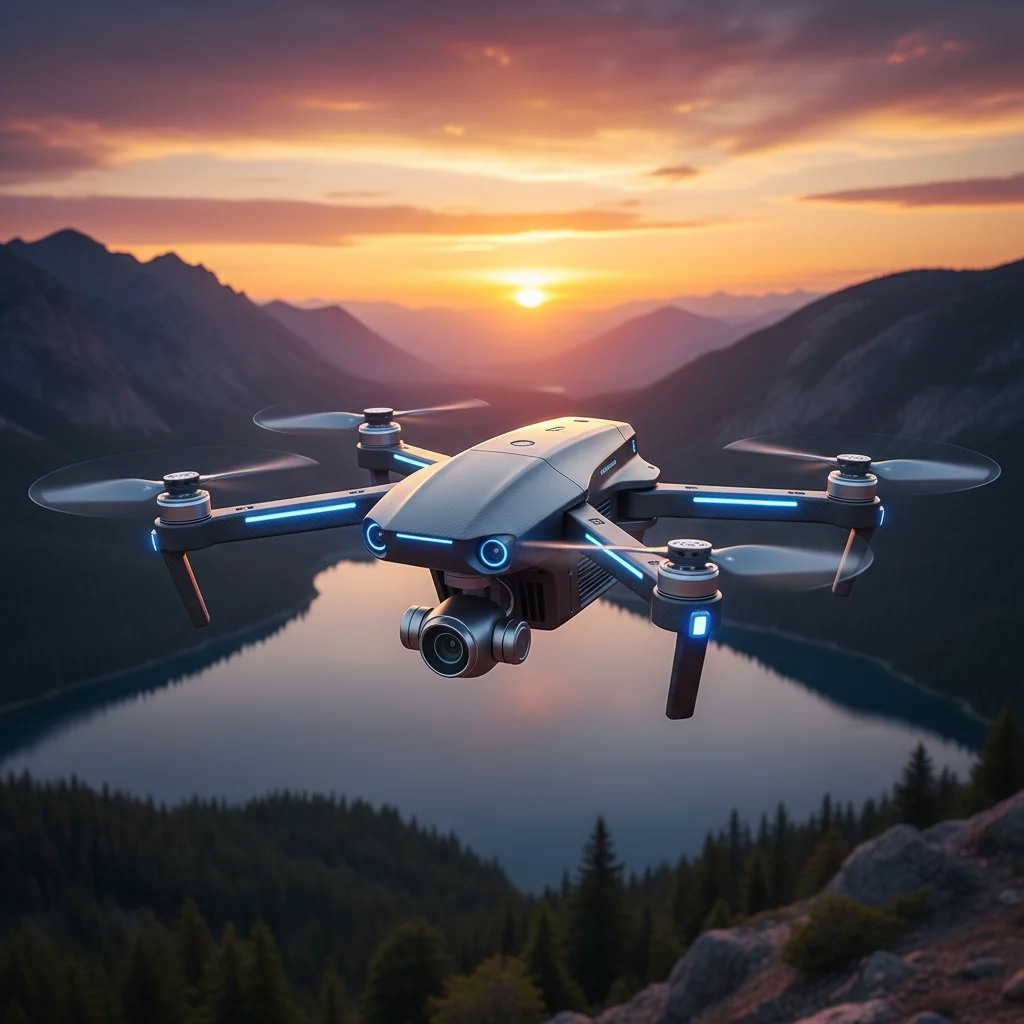
In the rapidly evolving world of unmanned aerial vehicles, staying ahead of the curve is crucial for enthusiasts and professionals alike. As we approach 2026, the market for consumer drones is more vibrant and competitive than ever, offering an astonishing array of features, capabilities, and price points. For US buyers, navigating this landscape requires a keen understanding of technological advancements, regulatory changes, and personal use cases. This comprehensive guide aims to be your definitive resource, helping you identify the best consumer drones 2026 has to offer.
The drone industry has moved far beyond mere toys. Today’s consumer drones are sophisticated pieces of engineering, integrating advanced 카메라 systems, intelligent flight modes, extended battery life, and robust obstacle avoidance. Whether you’re an aspiring aerial photographer, a videographer looking for dynamic shots, a real estate agent seeking stunning property views, or simply a hobbyist seeking the thrill of flight, there’s a drone perfectly suited for your needs. Our focus here is on providing an in-depth analysis of the top contenders, ensuring you make an informed decision that aligns with your budget and aspirations.
We’ll delve into the critical factors that differentiate a good drone from a great one. From camera resolution and sensor size to flight time and transmission range, every specification plays a vital role. Furthermore, we’ll consider the user experience, including ease of control, portability, and the ecosystem of accessories and software support. The regulatory environment in the US, particularly from the FAA, also significantly impacts drone ownership and operation, and we’ll touch upon these considerations to ensure you’re flying legally and safely.
Our selection of the best consumer drones 2026 is based on anticipated technological trends, market innovations, and user feedback. We’ve meticulously researched upcoming models and the continued evolution of current market leaders to provide a forward-looking perspective. So, buckle up, as we prepare to take flight and explore the exciting possibilities that the next generation of consumer drones holds for US buyers.
Understanding the Drone Market in 2026: What’s New?
The drone market in 2026 is characterized by several key trends that significantly influence the design, functionality, and user experience of consumer drones. Understanding these trends is paramount when searching for the best consumer drones 2026.
Advanced Camera Technology
One of the most significant areas of innovation is camera technology. Expect to see higher resolution sensors, with 8K video recording becoming more common even in mid-range consumer drones. Larger sensors, improved low-light performance, and variable aperture lenses will provide unparalleled image quality, making aerial photography and videography more accessible and professional-looking. Advanced computational photography techniques, similar to those found in smartphones, are also making their way into drones, offering features like enhanced HDR, improved digital zoom, and more sophisticated color science.
Extended Flight Times and Range
Battery technology continues to improve, leading to longer flight times. While 30-minute flight times were once considered excellent, 2026 models are pushing towards 40-50 minutes on a single charge for many consumer-grade drones, and even longer for premium models. This means more time in the air capturing footage and less time worrying about battery swaps. Concurrently, transmission technologies are advancing, offering more stable and longer-range connections between the drone and its controller, reducing the risk of signal loss and expanding operational capabilities.
Smarter Obstacle Avoidance and Autonomous Flight
Safety and ease of use are paramount. The best consumer drones 2026 will feature even more sophisticated omnidirectional obstacle avoidance systems, utilizing a combination of visual sensors, ultrasonic sensors, and AI-powered algorithms to detect and react to obstacles in real-time. This significantly reduces the chances of collisions, especially for beginners. Autonomous flight modes are also becoming more intelligent, allowing drones to follow subjects, orbit points of interest, and execute complex cinematic maneuvers with minimal user input. AI and machine learning are enabling drones to understand their environment better and make more intelligent flight decisions.
Improved Portability and Durability
Manufacturers are continually striving to make drones more portable without compromising performance. Foldable designs are standard, and 2026 will see even more compact and lightweight models that are easier to transport. Concurrently, improvements in materials science are leading to more durable drones that can withstand minor impacts and adverse weather conditions, making them more resilient for outdoor adventures.
Regulatory Landscape and Compliance
For US buyers, understanding the FAA regulations is critical. The Remote ID rule, which requires most drones to broadcast identification information, is fully in effect. Future regulations might influence where and how drones can be flown, and manufacturers are designing their drones to be compliant. When choosing the best consumer drones 2026, consider models that offer seamless compliance with these regulations to avoid potential legal issues.
Key Factors to Consider When Buying a Drone in 2026
Before diving into specific models, it’s essential to understand the key specifications and features that will influence your drone buying decision. These factors will help you narrow down your choices and find the perfect drone for your needs.
Camera Quality: Resolution, Sensor, and Gimbal
This is often the most critical factor for many users. Look for:
- Video Resolution: While 4K is standard, 5.4K and 8K are becoming more prevalent, offering more detail and flexibility in post-production.
- Photo Resolution: Higher megapixels (20MP, 48MP) allow for larger prints and more cropping flexibility.
- Sensor Size: Larger sensors (e.g., 1-inch CMOS) capture more light, leading to better low-light performance and dynamic range.
- Frame Rates: Higher frame rates (e.g., 4K at 60fps or 120fps) allow for smooth slow-motion footage.
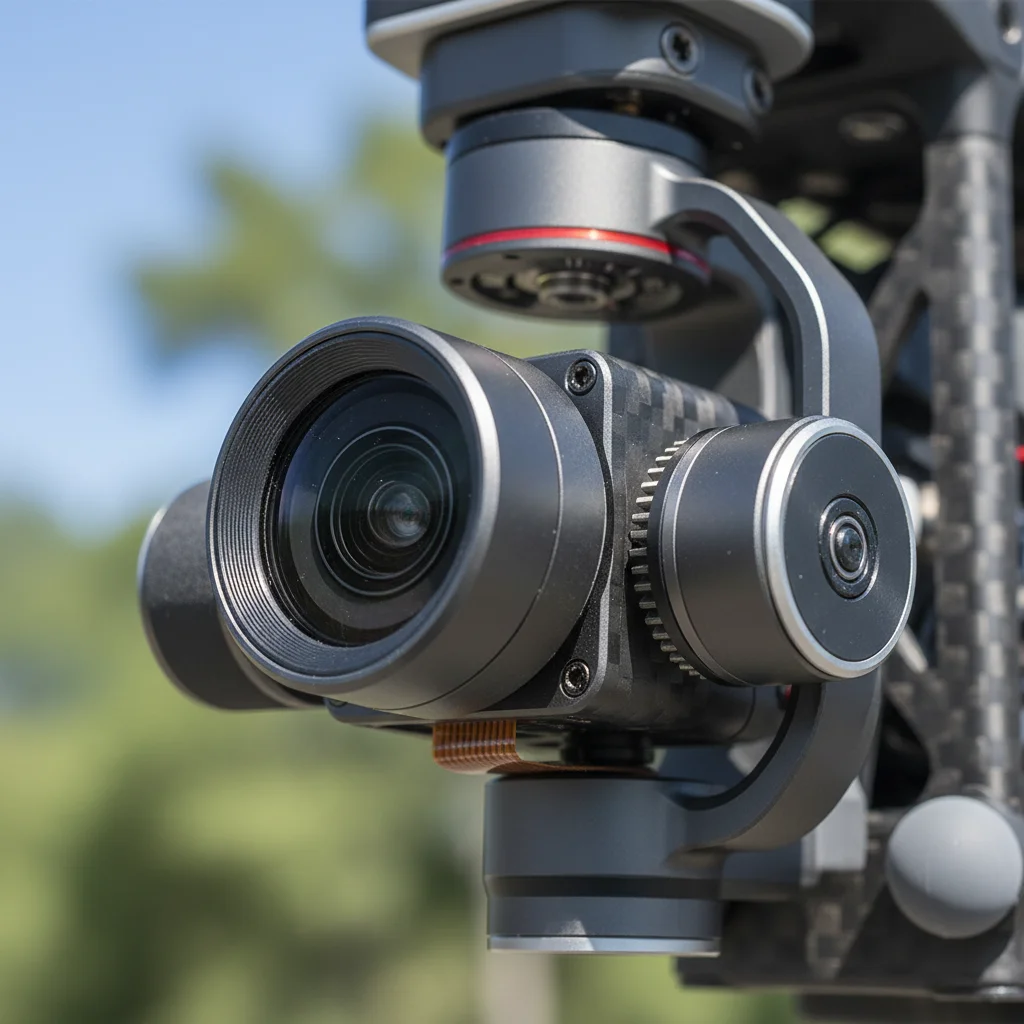
- Gimbal: A 3-axis mechanical gimbal is crucial for stable, shake-free footage, even in windy conditions.
Flight Performance: Battery Life, Range, and Speed
- Flight Time: Aim for drones offering 30 minutes or more of flight time per battery. Consider purchasing extra batteries.
- Transmission Range: How far can the drone fly while maintaining a stable connection? Look for ranges of several miles (e.g., 6-10 miles or more) for professional applications, while recreational users might be comfortable with shorter ranges.
- Max Speed: Important for capturing fast-moving subjects or covering large areas quickly.
- Wind Resistance: A drone’s ability to maintain stability in windy conditions is vital for reliable operation outdoors.
Intelligent Features and Safety
- Obstacle Avoidance: Omnidirectional sensing is highly recommended for beginners and for flying in complex environments.
- GPS and GLONASS: Essential for stable hovering, accurate positioning, and reliable return-to-home functions.
- Smart Flight Modes: Features like ActiveTrack, Waypoints, QuickShots, and Hyperlapse automate complex shots, making them easier to achieve.
- Return-to-Home (RTH): A crucial safety feature that automatically brings the drone back to its takeoff point when battery is low or signal is lost.
Portability and Design
- Foldable Design: Most modern consumer drones are foldable, making them easy to pack and transport.
- Weight: Drones under 250 grams typically have fewer FAA restrictions, which can be a significant advantage for casual users.
- Build Quality: Durable materials and robust construction are important for longevity, especially if you plan to fly in varied environments.
Price and Value
Drone prices vary widely, from a few hundred to several thousand dollars. Consider your budget and what features are most important to you. Often, a mid-range drone offers the best balance of features, performance, and price for most consumers. Don’t forget to factor in the cost of accessories like extra batteries, carrying cases, and ND filters.
Top 4 Best Consumer Drones 2026 for US Buyers (Comparison/Analysis)
Based on anticipated advancements and current market trajectory, here are our top picks for the best consumer drones 2026, catering to different needs and budgets:
1. DJI Mavic 5 Pro (Anticipated Flagship)
Building on the legacy of its highly successful predecessors, the hypothetical DJI Mavic 5 Pro is expected to set new benchmarks for consumer drones. DJI consistently innovates, and the Mavic 5 Pro would likely feature an even more advanced camera system, potentially boasting a larger 1-inch or even 4/3-inch sensor capable of 8K video at high frame rates. Its obstacle avoidance system would be virtually foolproof, relying on next-generation AI and an expanded array of visual and ultrasonic sensors for true omnidirectional sensing, even in challenging lighting conditions.
Expect significant improvements in battery technology, pushing flight times closer to the 45-50 minute mark, complemented by an enhanced OcuSync 5.0 (or equivalent) transmission system offering unparalleled range and stability. The Mavic 5 Pro would likely introduce more sophisticated autonomous flight modes, allowing for complex cinematic sequences with a single tap. Its foldable design would remain, albeit with potential refinements for even greater portability and durability. This drone would be ideal for professional content creators, serious hobbyists, and anyone seeking the absolute best in aerial imaging and flight performance, willing to invest in a premium price point.
Key Features & Anticipated Specs:
- Camera: 8K video (up to 30/60fps), 48MP/60MP photos, 1-inch or 4/3-inch CMOS sensor, variable aperture, advanced low-light performance.
- Flight Time: 45-50 minutes.
- Transmission Range: 10+ miles (FCC compliant).
- Obstacle Avoidance: Omnidirectional, advanced AI-powered sensing.
- Intelligent Features: Next-gen ActiveTrack, MasterShots, Hyperlapse, enhanced Waypoints.
- Portability: Advanced foldable design, robust build.
- Target User: Professional videographers, photographers, serious enthusiasts.
- Estimated Price: $2,000 – $3,000+
2. Autel Robotics EVO Lite+ II (Enhanced All-Rounder)
Autel Robotics has steadily carved out a significant niche with its EVO series, known for robust build quality and excellent camera performance. The anticipated EVO Lite+ II would likely refine its existing strengths, offering a compelling alternative to DJI. We expect an upgraded 1-inch CMOS sensor, potentially with higher megapixel count for photos and improved video capabilities, possibly reaching 6K or even 8K at competitive frame rates. Autel’s commitment to privacy (often operating without mandatory app accounts) remains a strong selling point for some users.
The EVO Lite+ II would feature enhanced obstacle avoidance, likely omnidirectional, providing a safer flying experience. Battery life would see an incremental boost, aiming for 40 minutes or more. Autel’s R&D in transmission technology would ensure a reliable and extended range. This model would appeal to users who value raw camera performance, robust build, and a slightly different user experience than DJI, often at a competitive price point. It’s a strong contender for those seeking high-quality aerial content without necessarily needing every single ‘smart’ feature offered by its main competitor.
Key Features & Anticipated Specs:
- Camera: 6K/8K video, 20MP/48MP photos, 1-inch CMOS sensor, excellent low-light.
- Flight Time: 40+ minutes.
- Transmission Range: 8+ miles.
- Obstacle Avoidance: Omnidirectional.
- Intelligent Features: Dynamic Track, SkyPortrait, Multiple Film Modes.
- Portability: Foldable, sturdy construction.
- Target User: Content creators, enthusiasts looking for an alternative to DJI.
- Estimated Price: $1,500 – $2,500
3. DJI Mini 4 Pro (Ultra-Portable Powerhouse)
The DJI Mini series has revolutionized the sub-250-gram drone category, making high-quality aerial imaging accessible and largely free from complex FAA registration requirements for recreational use. The hypothetical Mini 4 Pro would continue this trend, packing an incredible amount of technology into a featherlight frame. Expect a significantly upgraded camera, possibly a larger 1/1.3-inch or even 1-inch sensor, capable of 4K 60fps or even 5.4K video, with improved dynamic range and low-light performance. Its sub-250-gram weight would be maintained, making it incredibly attractive for travel and casual flying.
The Mini 4 Pro would likely feature omnidirectional obstacle avoidance, a groundbreaking addition for a drone of this size, ensuring unprecedented safety. Battery life would be optimized to hit the 30-35 minute mark, with an extended range transmission system. This drone is perfect for travelers, vloggers, beginners, and anyone who prioritizes portability and ease of use without significantly compromising on camera quality or safety features. It exemplifies how the best consumer drones 2026 can be both powerful and incredibly compact.
Key Features & Anticipated Specs:
- Camera: 4K/5.4K video (up to 60fps), 48MP photos, 1/1.3-inch or 1-inch CMOS sensor, improved low-light.
- Weight: Under 250 grams.
- Flight Time: 30-35 minutes.
- Transmission Range: 7+ miles.
- Obstacle Avoidance: Omnidirectional (a significant upgrade for the Mini series).
- Intelligent Features: Enhanced QuickShots, FocusTrack, True Vertical Shooting.
- Target User: Travelers, vloggers, beginners, casual users prioritizing portability.
- Estimated Price: $800 – $1,200
4. FPV Drone for Cinematic & Acrobatic Flying (Emerging Category)
While traditional camera drones dominate the consumer market, 2026 will see a continued surge in popularity for FPV (First Person View) drones, particularly those designed for cinematic and acrobatic flying. These drones offer an immersive flying experience and the ability to capture dynamic, high-speed footage that traditional drones cannot. We anticipate more ready-to-fly (RTF) FPV options that are easier for beginners to pick up, combining the thrill of FPV with advanced stabilization and high-quality cameras.
These FPV drones would feature integrated 4K or 5.4K cameras with advanced electronic image stabilization (EIS) or even small, integrated gimbals for smoother footage. They would offer varying levels of manual control, from fully acrobatic modes for experienced pilots to stabilized modes for cinematic shots. While obstacle avoidance might not be as comprehensive as on traditional camera drones, some models might incorporate basic forward-facing sensors for added safety. The appeal of FPV lies in its unique perspective and dynamic flight capabilities, opening up new creative possibilities for content creators. These are not your typical ‘point and shoot’ drones but offer a deeply engaging flying experience.
Key Features & Anticipated Specs:
- Camera: Integrated 4K/5.4K camera, advanced EIS or small gimbal.
- Flight Time: 15-25 minutes (inherently shorter for FPV).
- Transmission: High-definition digital video feed (e.g., DJI O3 Air Unit equivalent).
- Control: Manual, Sport, and Stabilized modes.
- Safety: Basic obstacle sensing (forward-facing), GPS for Return-to-Home.
- Target User: FPV enthusiasts, cinematic videographers, adrenaline seekers.
- Estimated Price: $1,000 – $2,000 (bundles with goggles and controller).
Navigating FAA Regulations for US Drone Buyers in 2026
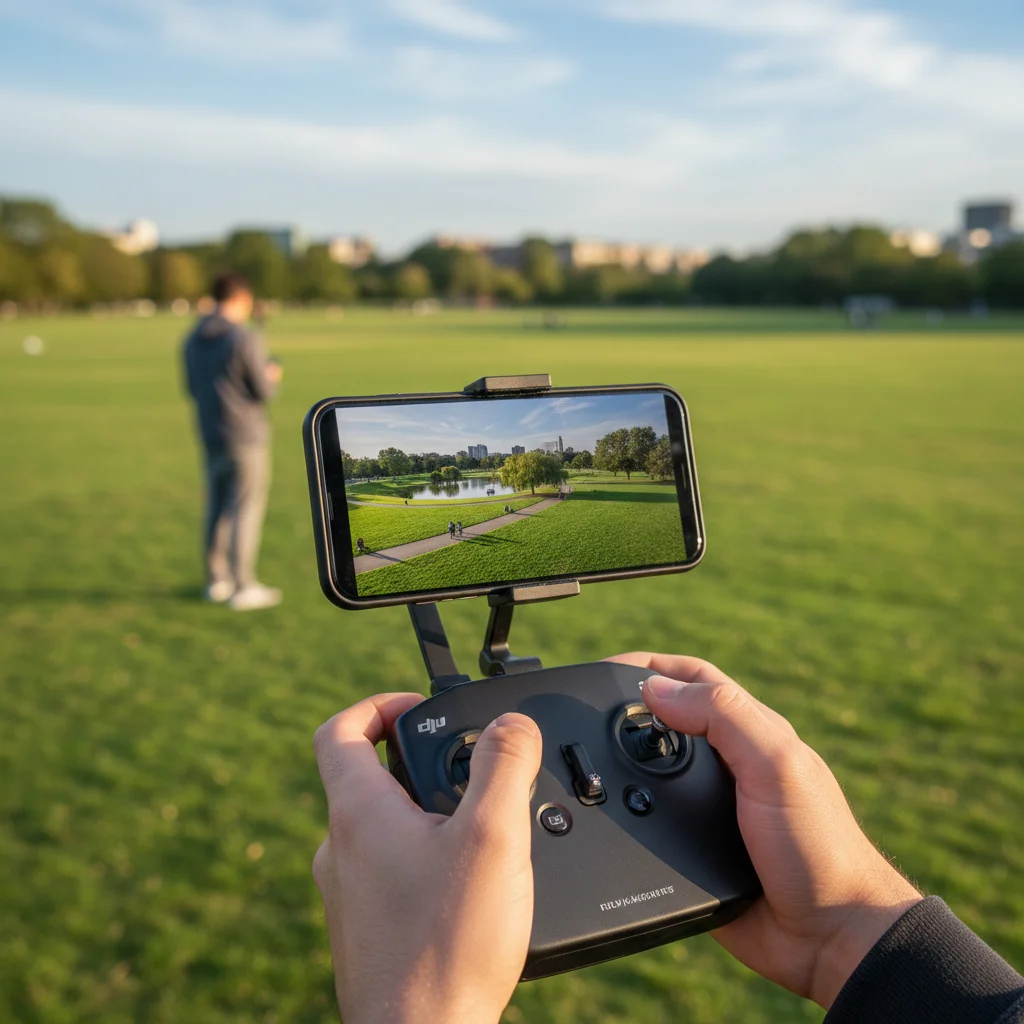
For US buyers, understanding and complying with Federal Aviation Administration (FAA) regulations is not just important, it’s mandatory. These rules ensure the safety of the airspace and protect both drone operators and the public. As of 2026, the primary regulations to be aware of include:
Remote ID
The FAA’s Remote ID rule is fully implemented. This rule mandates that most drones operating in US airspace broadcast identification and location information. There are generally three ways to comply:
- Standard Remote ID Drone: Most new drones manufactured after September 16, 2022, come equipped with built-in Remote ID broadcast capabilities. These are the easiest to use.
- Remote ID Broadcast Module: For older drones or those without built-in Remote ID, an external broadcast module can be attached.
- FAA-Recognized Identification Areas (FRIA): You can fly a drone without Remote ID in specific FAA-recognized areas, typically for model aircraft clubs.
When purchasing one of the best consumer drones 2026, ensure it is a Standard Remote ID Drone for the easiest compliance.
Registration
If your drone weighs 0.55 pounds (250 grams) or more, you must register it with the FAA. This costs a small fee and is valid for three years. The registration number must be marked on your drone. Drones under 250 grams (like the DJI Mini series) do not require registration for recreational use, but they still fall under other FAA rules.
Part 107 vs. Recreational Flying
- Recreational Flyers: If you’re flying purely for fun, you must pass The Recreational UAS Safety Test (TRUST) and carry proof of completion. You must also adhere to community-based organization safety guidelines, fly within visual line of sight, and not interfere with manned aircraft.
- Commercial Operators (Part 107): If you’re flying for any business purpose (e.g., real estate photography, inspections, paid videography), you must obtain a Part 107 Remote Pilot Certificate. This involves passing a knowledge test and adhering to a more extensive set of operational rules, such as maximum altitude, operating near airports, and night flying with proper lighting and anti-collision lights.
Always check the latest FAA guidelines on their official website (faa.gov) as regulations can evolve. Flying responsibly ensures the longevity and safety of the drone hobby and industry.
Maximizing Your Drone Experience: Tips and Accessories
Owning one of the best consumer drones 2026 is just the beginning. To truly maximize your experience and capture breathtaking footage, consider these tips and essential accessories:
Essential Accessories:
- Extra Batteries: The most crucial accessory. More batteries mean more flight time.
- ND Filters (Neutral Density Filters): Like sunglasses for your drone’s camera, ND filters reduce the amount of light entering the lens, allowing for slower shutter speeds in bright conditions, crucial for cinematic motion blur.
- Hardshell Case or Backpack: Protect your investment during transport and storage.
- Landing Pad: Provides a clean and stable surface for takeoff and landing, protecting your drone from dust, dirt, and uneven terrain.
- MicroSD Cards: High-speed, high-capacity cards are essential for recording 4K/8K video and high-resolution photos. Look for U3 or V30 ratings.
- Propeller Guards: Especially useful for beginners or when flying indoors or in confined spaces, protecting both the propellers and surroundings.
- Power Bank: To charge your remote controller or even drone batteries on the go.
Flying Tips for Beginners and Advanced Pilots:
- Start Slow: If you’re new to drones, practice in an open, safe area. Get comfortable with basic controls before attempting complex maneuvers.
- Pre-Flight Checks: Always inspect your drone before each flight. Check propellers, battery levels (drone and controller), and ensure GPS signal is strong.
- Understand Your Environment: Be aware of wind conditions, nearby obstacles, and local airspace restrictions.
- Practice Vision: Learn to anticipate shots. Think about camera angles, movements, and how to tell a story with your footage.
- Post-Processing: Editing is half the battle. Learn video editing software to enhance your footage, color grade, and add music.
- Stay Updated: Keep your drone’s firmware and app updated to benefit from the latest features and bug fixes.
The Future of Consumer Drones Beyond 2026
While we’ve focused on the best consumer drones 2026, it’s exciting to briefly look further into the future. We can anticipate:
- Even Greater Autonomy: Drones that can plan complex missions, identify points of interest, and adapt to changing conditions with minimal human intervention.
- Swarm Intelligence: Multiple drones working collaboratively to capture wider scenes or perform synchronized aerial displays.
- Hybrid Designs: Drones that combine features of traditional quadcopters with fixed-wing aircraft for extended range and endurance.
- Advanced Sensor Integration: Beyond cameras, drones might integrate more sophisticated environmental sensors for various applications, from air quality monitoring to agricultural analysis.
- Improved Human-Drone Interaction: More intuitive control methods, including gesture control or even brain-computer interfaces, could emerge.
The drone industry is still in its infancy compared to its potential. The innovations we see in 2026 will lay the groundwork for even more revolutionary advancements in the decade to come, continually redefining what’s possible in aerial technology.
Conclusion: Choosing Your Ideal Drone in 2026
The landscape of consumer drones in 2026 is rich with innovation, offering an unparalleled range of options for every type of user. From the professional-grade capabilities of a potential DJI Mavic 5 Pro to the ultra-portable convenience of the DJI Mini 4 Pro, and the robust alternatives like the Autel Robotics EVO Lite+ II, not to mention the thrilling world of FPV, the choices are more exciting than ever. Identifying the best consumer drones 2026 for your specific needs comes down to a careful evaluation of camera quality, flight performance, intelligent features, portability, and, of course, your budget.
Remember to always prioritize safety and adhere to FAA regulations, ensuring your flying experience is not only enjoyable but also responsible and legal. By considering the factors outlined in this guide and exploring the top contenders, US buyers are well-equipped to make an informed decision and embark on their next aerial adventure. The sky is no longer the limit; it’s your new playground. Happy flying!