Top Wearable Health Tech: 4 Devices to Watch in Early 2026

The landscape of personal health and wellness is undergoing a seismic shift, driven by relentless innovation in wearable technology. What once seemed like science fiction is now becoming commonplace, with devices promising to offer unprecedented insights into our bodies and minds. As we approach early 2026, the pace of development in wearable health tech shows no signs of slowing down. This article delves into the most anticipated advancements, highlighting four groundbreaking devices that are poised to redefine how we approach health monitoring, preventative care, and overall well-being. These aren’t just incremental upgrades; they represent significant leaps forward, integrating sophisticated sensors, advanced AI, and user-friendly interfaces to provide a holistic view of our health.
The global wearable technology market is projected to continue its exponential growth, fueled by an increasing consumer demand for proactive health management, personalized fitness insights, and convenient access to health data. From sleep patterns to heart rhythm anomalies, and from stress levels to glucose fluctuations, the capabilities of wearable health tech are expanding at an astonishing rate. This evolution is not merely about tracking steps; it’s about empowering individuals with actionable data, enabling early detection of potential health issues, and fostering a more engaged and informed approach to personal health. The devices we’ll explore today are at the forefront of this revolution, embodying the next generation of intelligent, intuitive, and immensely powerful health companions.
As we navigate through the exciting developments in wearable health tech, it’s crucial to understand the underlying principles that make these devices so impactful. Miniaturization, enhanced sensor accuracy, long-lasting battery life, and sophisticated data analytics are all converging to create tools that are not only effective but also seamlessly integrate into our daily lives. These innovations promise to move us beyond reactive healthcare, ushering in an era of truly personalized and preventative health. Let’s dive into the future and examine the four wearable health tech devices that are set to make waves in early 2026.
1. The BioSense Smart Patch: Continuous, Non-Invasive Biomarker Monitoring
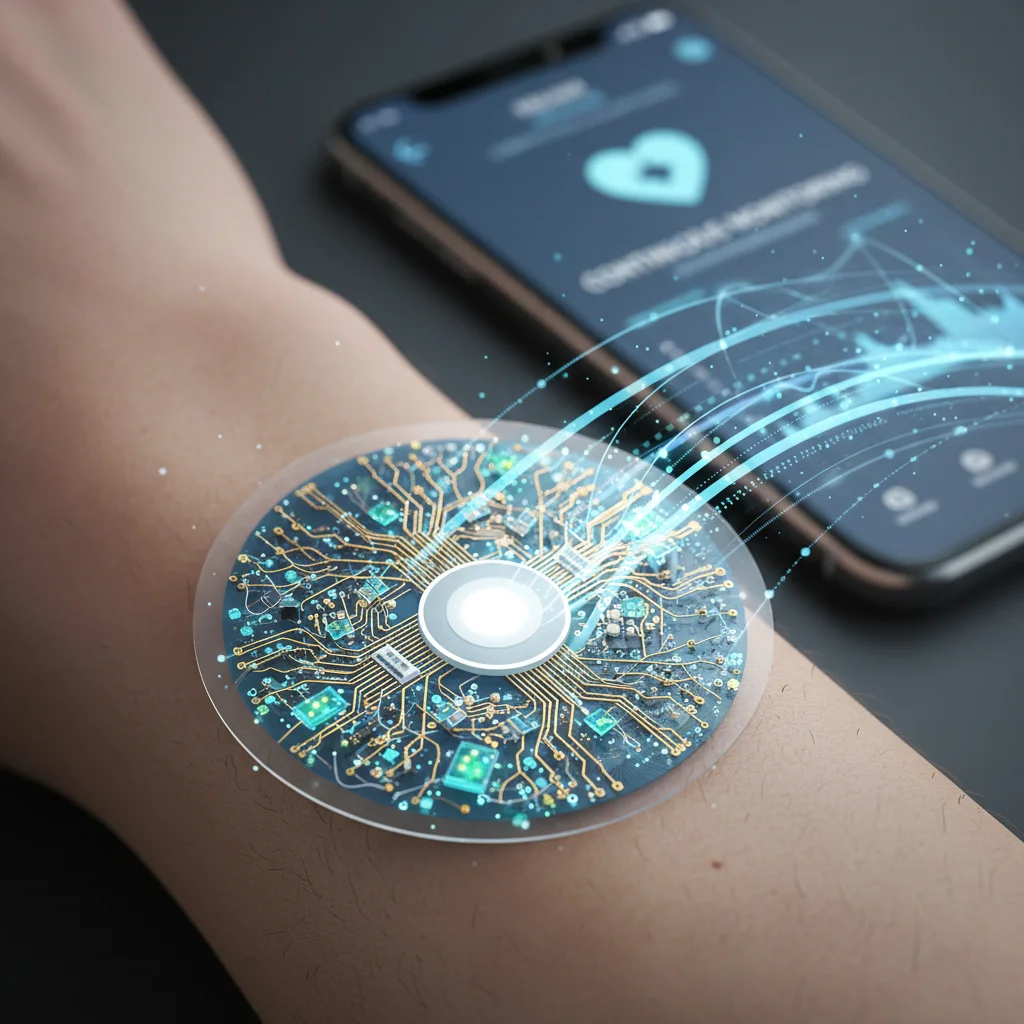
One of the most exciting advancements in wearable health tech comes in the form of the BioSense Smart Patch. Moving beyond traditional wrist-worn devices, the BioSense Smart Patch is a discreet, adhesive patch designed for continuous, non-invasive monitoring of a wide array of biomarkers directly from the skin. Developed by a consortium of biomedical engineers and AI specialists, this device promises to revolutionize how we track critical health indicators outside of clinical settings.
Unprecedented Biomarker Tracking Capabilities
What sets the BioSense Smart Patch apart is its ability to monitor not just heart rate and skin temperature, but also subtle changes in glucose levels (for pre-diabetics and those managing type 2 diabetes), lactate levels during intense physical activity, and even certain inflammatory markers. This is achieved through a combination of micro-needle array technology (for minimally invasive, painless interstitial fluid sampling) and advanced electrochemical sensors, all integrated into a flexible, breathable patch. The data collected is processed by on-board AI algorithms that learn an individual’s baseline and can detect deviations that might indicate stress, illness, or impending health issues.
Integration with AI for Predictive Health Insights
The true power of the BioSense Smart Patch lies in its sophisticated AI. This AI engine doesn’t just present raw data; it analyzes trends, correlates different biomarker readings, and provides personalized, actionable insights. For example, it might detect a subtle rise in inflammatory markers combined with poor sleep quality and elevated stress hormones, prompting a user to take a rest day or consult with their physician. For athletes, it can provide real-time feedback on recovery and overtraining risks. For individuals managing chronic conditions, it offers a continuous, passive way to monitor their condition and share detailed, longitudinal data with their healthcare providers, facilitating more informed treatment plans. This level of predictive health insight is a game-changer in wearable health tech.
User Experience and Practicality
Designed for comfort and ease of use, the BioSense Smart Patch is waterproof and can be worn for up to seven days before needing replacement. Its discreet nature makes it ideal for everyday wear, from daily commutes to strenuous workouts. The accompanying smartphone app provides a clear, intuitive dashboard of health metrics, along with personalized recommendations and alerts. The focus on non-invasiveness and continuous monitoring positions the BioSense Smart Patch as a frontrunner in preventative care, offering a glimpse into a future where our bodies constantly communicate their needs to us, powered by advanced wearable health tech.
2. Aura Ring Pro: The Next Generation of Holistic Wellness
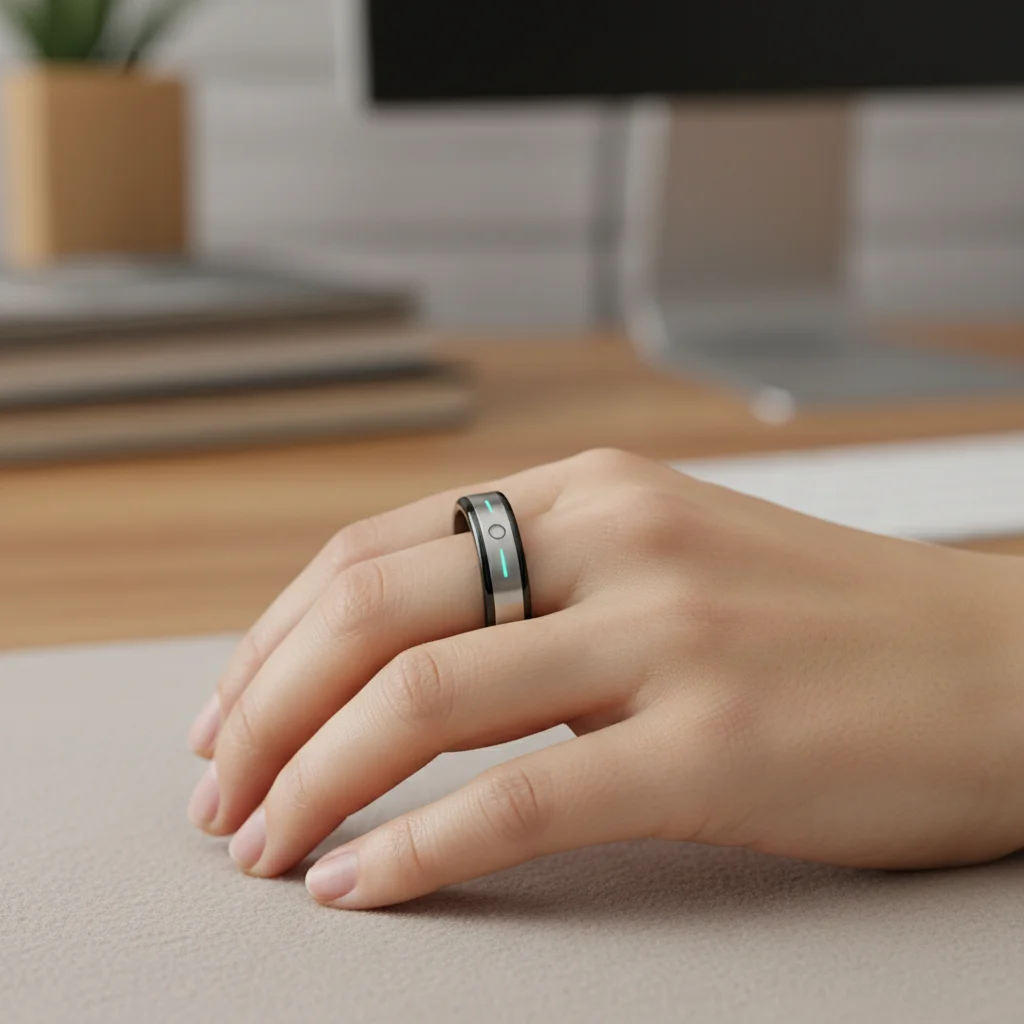
Building on the success of earlier smart rings, the Aura Ring Pro for early 2026 is poised to set a new standard for discreet, comprehensive health monitoring. This tiny yet mighty piece of wearable health tech packs an impressive array of sensors and AI capabilities into a sleek, fashionable design, making it an ideal companion for those who prefer understated technology without compromising on data depth.
Advanced Sleep and Recovery Tracking
While previous smart rings excelled at sleep tracking, the Aura Ring Pro takes this to an entirely new level. It incorporates next-generation photoplethysmography (PPG) sensors for even more accurate heart rate variability (HRV) measurements, combined with advanced accelerometers and gyroscopes to precisely detect sleep stages (REM, light, deep). New to the Aura Ring Pro is its ability to detect subtle changes in breathing patterns during sleep that could indicate sleep apnea risk, providing early warnings and encouraging users to seek medical consultation. Its enhanced body temperature sensors can also track menstrual cycles with greater precision and even predict illness onset by detecting fever-like patterns before symptoms become apparent. This holistic approach to sleep and recovery is a cornerstone of effective wearable health tech.
Enhanced Stress Management and Mental Well-being
The Aura Ring Pro introduces a suite of features dedicated to mental well-being. By continuously monitoring HRV, skin conductance, and even subtle changes in finger temperature, the ring can identify periods of elevated stress. Instead of just alerting the user, it offers real-time, AI-guided interventions. This could range from suggesting short breathing exercises, prompting a mindful break, or recommending personalized meditation sessions based on the user’s stress profile and historical data. The goal is not just to track stress but to provide proactive tools for managing it, making it a truly empowering piece of wearable health tech for mental health.
Seamless Integration and Personalized Insights
The Aura Ring Pro seamlessly integrates with existing health ecosystems and offers a highly personalized experience. Its accompanying app provides intuitive visualizations of data, highlighting trends and offering actionable advice. The AI within the ring learns user habits and preferences, gradually refining its recommendations to be even more relevant. For instance, it might notice that a particular type of exercise improves sleep quality, or that certain times of day are more conducive to focused work based on cognitive load indicators. This level of personalization makes the Aura Ring Pro an indispensable tool for anyone serious about optimizing their overall well-being with wearable health tech.
3. NeuroLink Headband: Advanced Brain Health and Cognitive Performance
Stepping into the realm of neurological monitoring, the NeuroLink Headband represents a significant leap forward in wearable health tech for brain health and cognitive performance. This innovative device, designed to be worn comfortably during specific activities or throughout the day, utilizes advanced electroencephalography (EEG) and near-infrared spectroscopy (NIRS) to provide unprecedented insights into brain activity and blood flow.
Real-time Cognitive Load and Focus Tracking
The primary function of the NeuroLink Headband is to provide real-time feedback on cognitive load, focus, and mental fatigue. Its sophisticated sensors can detect brainwave patterns associated with different mental states. For students, professionals, or anyone engaged in demanding cognitive tasks, this means knowing when they are most productive, when they are losing focus, and when they are approaching burnout. The device’s AI can then offer gentle nudges or suggest short breaks, guided meditations, or specific cognitive exercises to optimize performance and prevent mental exhaustion. This proactive approach to brain health is a revolutionary application of wearable health tech.
Stress Resilience and Emotional Regulation
Beyond focus, the NeuroLink Headband also provides valuable data on stress resilience and emotional regulation. By monitoring brainwave coherence and prefrontal cortex activity, it can identify patterns associated with anxiety and stress. The accompanying app offers biofeedback training modules, allowing users to learn to regulate their brain activity and improve their ability to cope with stress. This could involve guided neurofeedback exercises where users learn to shift their brainwave states, leading to improved calm and emotional balance. For individuals dealing with chronic stress or anxiety, this wearable health tech offers a powerful, non-pharmacological tool for self-management.
Sleep Optimization and Brain Recovery
The NeuroLink Headband also extends its capabilities to sleep, providing deeper insights into brain recovery during rest. By analyzing sleep EEG patterns, it can identify the quality and duration of different sleep stages, particularly deep sleep, which is crucial for cognitive restoration. It can detect sleep disturbances that other wearables might miss and offer personalized recommendations for improving sleep hygiene, such as optimal pre-sleep routines or environmental adjustments. This comprehensive approach to brain health, from waking focus to nighttime recovery, positions the NeuroLink Headband as a transformative piece of wearable health tech.
4. EchoHeart Smart Vest: Clinical-Grade Cardiac Monitoring at Home
For individuals requiring more detailed cardiac monitoring or those with a history of heart conditions, the EchoHeart Smart Vest offers a clinical-grade solution in a comfortable, wearable form factor. This device represents a significant advancement in preventative cardiology and remote patient monitoring, bringing hospital-level precision into the home environment. The EchoHeart Smart Vest is a prime example of how wearable health tech is bridging the gap between consumer devices and medical-grade equipment.
Multi-Lead ECG and Arrhythmia Detection
Unlike standard fitness trackers that offer single-lead ECGs, the EchoHeart Smart Vest features a multi-lead ECG system, providing a more comprehensive view of the heart’s electrical activity. This allows for the detection of a wider range of arrhythmias, including atrial fibrillation, ventricular tachycardia, and other complex heart rhythm disorders, with a level of accuracy comparable to traditional Holter monitors. The vest continuously monitors these parameters, and its on-board AI is trained to identify abnormal patterns, alerting both the user and, if authorized, their healthcare provider to potential issues in real-time. This immediate notification capability is critical for conditions where early intervention can be life-saving.
Advanced Hemodynamic Monitoring
Beyond electrical activity, the EchoHeart Smart Vest also incorporates advanced sensors for hemodynamic monitoring. This includes non-invasive blood pressure tracking, pulse wave velocity (a marker of arterial stiffness), and even early indicators of fluid retention, which can be crucial for managing conditions like congestive heart failure. By combining these data points, the vest provides a holistic picture of cardiovascular health, allowing for early detection of decompensation and enabling timely medical intervention. This level of detailed physiological monitoring is a groundbreaking application of wearable health tech.
Integration with Telemedicine Platforms
Recognizing the increasing importance of remote care, the EchoHeart Smart Vest is designed for seamless integration with telemedicine platforms. All collected data, from ECG waveforms to hemodynamic trends, can be securely transmitted to a user’s physician, allowing for remote review and consultation. This not only reduces the need for frequent in-person visits but also provides doctors with a continuous stream of real-world data, leading to more personalized and effective treatment plans. The vest exemplifies how wearable health tech is transforming the delivery of healthcare, making it more accessible and patient-centric.
The Future Impact of Wearable Health Tech
The four devices discussed—the BioSense Smart Patch, Aura Ring Pro, NeuroLink Headband, and EchoHeart Smart Vest—represent just a snapshot of the incredible innovations emerging in wearable health tech. Their collective impact is poised to be profound, shifting the paradigm from reactive illness care to proactive health management and preventative well-being.
Empowering Individuals with Data
At the core of these advancements is the empowerment of individuals. By providing accessible, understandable, and actionable health data, these devices enable users to take a more active role in their health journey. This self-awareness can lead to healthier lifestyle choices, better adherence to medical advice, and a greater sense of control over one’s well-being. The continuous feedback loop offered by wearable health tech fosters a deeper connection between individuals and their bodies.
Transforming Healthcare Delivery
For healthcare providers, these devices offer invaluable tools for remote patient monitoring, early disease detection, and personalized treatment. The ability to access real-time, longitudinal data from patients’ daily lives can lead to more accurate diagnoses, more effective interventions, and a reduction in hospital readmissions. Telemedicine, augmented by sophisticated wearable health tech, is set to become an even more integral part of the healthcare ecosystem, improving access and efficiency.
Challenges and Considerations
While the promise of wearable health tech is immense, challenges remain. Data privacy and security are paramount, requiring robust encryption and strict adherence to regulations like HIPAA. Accuracy and clinical validation are also crucial, especially for devices making medical claims. Furthermore, ensuring equitable access to these technologies and addressing the digital divide will be important considerations as these devices become more integrated into mainstream healthcare. The ethical implications of continuous health monitoring and the potential for data misuse also warrant careful consideration and ongoing dialogue.
The Road Ahead for Wearable Health Tech
Looking towards the mid-2020s and beyond, we can anticipate even more sophisticated integration of AI, machine learning, and perhaps even nanotechnology into wearable devices. The convergence of these technologies will likely lead to even more precise, personalized, and predictive health insights. Imagine devices that can not only detect early signs of illness but also actively guide interventions, or even administer targeted therapies. The future of wearable health tech is not just about tracking; it’s about intelligent interaction and proactive intervention, creating a truly symbiotic relationship between humans and technology for the betterment of health.
In conclusion, the innovations in wearable health tech set to emerge in early 2026 are nothing short of revolutionary. From continuous biomarker monitoring to advanced brain health tracking and clinical-grade cardiac surveillance, these devices are pushing the boundaries of what’s possible in personal health management. They represent a significant step towards a future where health is not just about treating illness, but about actively cultivating and protecting our well-being every single day. The BioSense Smart Patch, Aura Ring Pro, NeuroLink Headband, and EchoHeart Smart Vest are leading the charge, promising a healthier, more informed future for us all.