The Top 5 Smart Home Security Systems for 2026: An In-Depth Comparison for US Consumers
In an increasingly connected world, safeguarding your home and loved ones has never been more crucial. As technology continues its relentless march forward, smart home security systems have evolved beyond simple alarms, offering sophisticated, integrated solutions that provide peace of mind. For US consumers, the market is brimming with options, making the choice both exciting and daunting. This comprehensive guide will delve into the top 5 smart home security systems for 2026, offering an in-depth comparison to help you make an informed decision for your residence.
The landscape of smart home security systems is dynamic, with new innovations emerging frequently. From artificial intelligence-powered monitoring to seamless integration with other smart devices, today’s security systems are more intelligent, proactive, and user-friendly than ever before. Whether you’re looking for a DIY setup or a professionally installed and monitored service, understanding the nuances of each system is key to selecting the perfect fit for your home and lifestyle.
We’ll explore critical factors such as equipment costs, monthly monitoring fees, ease of installation, smart home compatibility, and the range of features offered by each leading provider. Our goal is to equip you with all the necessary information to navigate the complexities of the market and secure your home with confidence.
Why Smart Home Security is Essential in 2026
The reasons for investing in smart home security systems extend far beyond deterring burglars. While crime prevention remains a primary concern, modern systems offer a holistic approach to home safety and management. Here’s why they are more important than ever:
- Enhanced Deterrence: Visible cameras, yard signs, and window decals act as powerful deterrents, making your home a less attractive target for potential intruders.
- Real-time Monitoring and Alerts: Receive instant notifications on your smartphone for any suspicious activity, from triggered motion sensors to opened doors or windows. Many systems also offer professional monitoring services that dispatch emergency services on your behalf.
- Remote Access and Control: Manage your security system from anywhere in the world using a mobile app. Arm or disarm your system, check live camera feeds, lock doors, and adjust settings with ease.
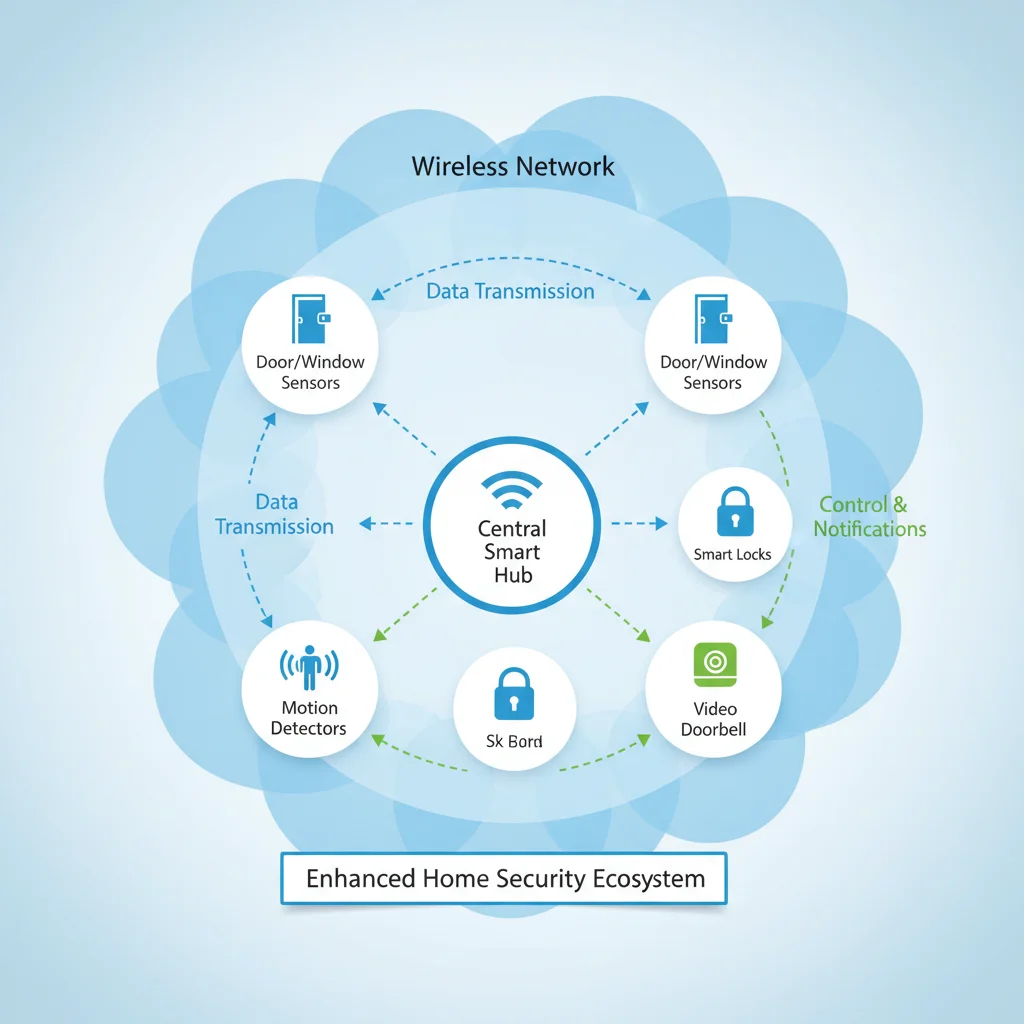
- Integration with Smart Home Ecosystems: Modern systems seamlessly integrate with other smart devices like smart lighting, thermostats, and voice assistants, creating a truly automated and responsive home environment. Imagine your lights turning on automatically if a motion sensor is triggered, or your doors locking when you arm your system.
- Environmental Monitoring: Beyond intrusion detection, many systems include sensors for smoke, carbon monoxide, water leaks, and extreme temperatures, providing comprehensive protection against various household hazards.
- Peace of Mind: Knowing your home is protected 24/7, whether you’re at work, on vacation, or asleep, offers invaluable peace of mind for you and your family.
As we move further into 2026, the sophistication and accessibility of these systems continue to grow, making them an indispensable part of modern home ownership.
Key Considerations When Choosing a Smart Home Security System
Before diving into our top picks, it’s essential to understand the criteria that differentiate one smart home security system from another. These factors will significantly influence your satisfaction and the effectiveness of your chosen system.
1. Monitoring Options: DIY vs. Professional
- DIY Monitoring: You receive alerts directly on your smartphone and are responsible for contacting emergency services. This option typically has lower or no monthly fees but requires you to be vigilant.
- Professional Monitoring: A central station monitors your system 24/7. If an alarm is triggered, they verify the threat and dispatch appropriate emergency services (police, fire, medical). This comes with a monthly fee but offers a higher level of security and peace of mind.
2. Equipment Costs and Installation
- Upfront Equipment Costs: Some systems require a significant initial investment for hardware, while others offer starter kits at lower prices with options for expansion.
- Installation: DIY systems are designed for easy self-installation, saving on labor costs. Professionally installed systems involve technicians setting up and configuring everything, often included in the overall package or as a separate fee.
3. Contract Lengths and Fees
- No-Contract Options: Many modern providers offer month-to-month monitoring, giving you flexibility.
- Long-Term Contracts: Some traditional providers still require multi-year contracts, which can sometimes come with lower monthly rates but less flexibility.
- Hidden Fees: Always inquire about activation fees, cancellation fees, and equipment warranties.
4. Smart Home Integration and Ecosystem
- Compatibility: Does the system work with popular smart home platforms like Amazon Alexa, Google Assistant, Apple HomeKit, or Samsung SmartThings?
- Proprietary Ecosystem: Some systems operate within their own closed ecosystem, which can offer seamless integration but limit choices for third-party devices.
5. Types of Sensors and Devices Offered
- Standard: Door/window sensors, motion detectors, control panel.
- Advanced: Glass break sensors, flood sensors, smoke/CO detectors, smart locks, video doorbells, indoor/outdoor cameras.
- Environmental: Temperature sensors, freeze sensors.
6. Camera Features
- Resolution: 1080p, 2K, 4K.
- Field of View: Wide-angle vs. narrow.
- Night Vision: Infrared or color night vision.
- Two-Way Audio: Communicate with visitors or intruders.
- Cloud Storage: How much storage is included, and for how long? Are there additional fees?
- AI Features: Person detection, facial recognition, package detection.
Our Top 5 Smart Home Security Systems for 2026 (US Focus)
After extensive research and evaluation of current market trends, technological advancements, and consumer reviews, we present our top 5 smart home security systems for US consumers in 2026.
1. SimpliSafe: The Flexible DIY Champion
SimpliSafe continues to be a perennial favorite for its blend of affordability, ease of use, and robust protection. It’s particularly appealing to those who prefer a DIY approach without sacrificing professional monitoring options.
- Pros: No long-term contracts, easy DIY installation, affordable professional monitoring plans, wide range of sensors, cellular backup, good smart home integration (Alexa, Google Assistant, Apple Watch).
- Cons: Limited camera options compared to some competitors, app can be basic for advanced users, some features require higher-tier plans.
- Key Features: Entry sensors, motion sensors, glass break sensors, smoke detectors, carbon monoxide detectors, water sensors, indoor and outdoor cameras, video doorbell, panic button. Offers 24/7 professional monitoring with police dispatch.
- Pricing: Equipment kits start from around $200-$500, with individual components available. Professional monitoring plans range from approximately $15-$30 per month, with no contracts.
- Best For: Renters, homeowners looking for a flexible, affordable, and easy-to-install system with reliable professional monitoring.
2. Ring Alarm Pro: The All-in-One Connectivity Hub
Ring, a subsidiary of Amazon, has evolved its security offerings significantly. The Ring Alarm Pro stands out by integrating a powerful Eero Wi-Fi 6 router directly into its base station, offering not just security but also robust home network connectivity and backup internet options. This makes it a compelling choice for the modern connected home.
- Pros: Integrated Eero Wi-Fi 6 router, optional 24/7 professional monitoring, cellular and battery backup, affordable equipment, extensive range of Ring and Amazon smart home device compatibility, optional backup internet with Ring Protect Pro.
- Cons: Requires a Ring Protect subscription for full features (video recording, professional monitoring), some privacy concerns associated with Amazon, can be overwhelming with too many device options.
- Key Features: Base station with Eero Wi-Fi 6, contact sensors, motion detectors, keypad, range extender, indoor/outdoor cameras, video doorbells, smart lighting integration.
- Pricing: Starter kits begin around $250-$400. The Ring Protect Pro plan, which includes professional monitoring and Eero Secure features, costs approximately $20-$30 per month.
- Best For: Amazon ecosystem users, those needing robust Wi-Fi coverage, and homeowners seeking integrated security and smart home solutions.
3. Arlo Security System: Advanced Camera-Centric Security
While Arlo is renowned for its industry-leading wireless cameras, its full security system now offers a comprehensive suite of sensors and smart features. If high-quality video surveillance is your top priority, Arlo’s integrated system is a formidable contender.
- Pros: Exceptional wireless cameras (4K HDR options, color night vision), AI-powered detection (person, vehicle, animal, package), integrated siren and spotlight, flexible monitoring options, strong privacy features.
- Cons: Higher upfront cost for cameras, professional monitoring is an add-on, battery life can vary significantly with heavy use, requires an Arlo Smart subscription for advanced features and cloud storage.
- Key Features: All-in-one multi-sensor (motion, door/window, smoke/CO listener, water leak, freeze, light/sound), keypad, siren, Arlo cameras (Pro, Ultra, Essential series), video doorbells.
- Pricing: Starter kits with a hub and sensors start around $200-$300, but adding high-end cameras can push the cost much higher. Arlo Secure plans (required for cloud storage and advanced AI) range from $9.99 to $14.99 per month per camera or up to $19.99 for unlimited cameras; professional monitoring is an additional $15 per month.
- Best For: Consumers prioritizing top-tier video surveillance, those who already own Arlo cameras, and tech-savvy users comfortable with a slightly higher initial investment.
4. ADT Pulse/Control: The Established Professional Choice
ADT remains a titan in the home security industry, known for its extensive professional monitoring network and long-standing reputation. Their modern offerings, like ADT Pulse and ADT Control, integrate smart home technology with their traditional robust security. While often pricier, ADT provides a comprehensive, professionally installed and monitored experience.
- Pros: Reputable brand, professional installation, 24/7 professional monitoring with quick response times, cellular backup, extensive equipment options, good smart home integration (Z-Wave devices, Google Nest compatibility).
- Cons: Typically requires long-term contracts (36 months or more), higher monthly fees, less flexible than DIY options, equipment costs can be high or bundled into contracts.
- Key Features: Control panel, door/window sensors, motion detectors, glass break sensors, smoke/CO detectors, indoor/outdoor cameras, video doorbells, smart locks, smart thermostats, professional installation and maintenance.
- Pricing: Equipment costs vary widely and are often financed through monthly payments. Professional monitoring plans typically start from $40-$60 per month, depending on the features and monitoring level.
- Best For: Homeowners seeking a fully managed, professionally installed, and monitored solution with a trusted brand, willing to commit to a contract for comprehensive coverage.
5. Wyze Home Monitoring: Budget-Friendly Smart Security
Wyze has carved a niche for itself by offering incredibly affordable smart home devices without significantly compromising on features. Their Home Monitoring system extends this philosophy, providing a highly cost-effective entry point into smart home security, particularly for those comfortable with a DIY approach.
- Pros: Extremely affordable equipment and monitoring fees, easy DIY installation, strong integration with other Wyze devices (cameras, smart bulbs, plugs), no contracts required for monitoring.
- Cons: Limited advanced features compared to premium systems, professional monitoring is basic, customer support can be slower, relies heavily on Wi-Fi (though some cellular backup is available).
- Key Features: Sense Hub, motion sensors, contact sensors, keypad, Wyze cameras (Cam v3, Pan Cam), video doorbell, smoke/CO alarm listener, professional monitoring via Noonlight.
- Pricing: Starter kit often under $100. Professional monitoring is around $5-$10 per month with an annual subscription.
- Best For: Budget-conscious consumers, small apartments or homes, those new to smart home security, and users already invested in the Wyze ecosystem.
Comparative Analysis: A Closer Look
To help you visualize the differences, let’s break down some critical aspects across these top 5 smart home security systems.
Installation & Flexibility
- DIY Champions: SimpliSafe, Ring Alarm Pro, Arlo, Wyze. These systems are designed for easy self-setup, often taking less than an hour. They offer flexibility in adding components as needed.
- Professional Installation: ADT. While ADT offers robustness, it comes with the commitment of professional installation and often, a longer contract.
Monitoring Costs & Contracts
- No-Contract/Flexible: SimpliSafe, Ring Alarm Pro, Arlo, Wyze. All offer monthly monitoring with the ability to cancel anytime, providing excellent flexibility. Wyze is by far the cheapest.
- Contract-Based: ADT. Expect a multi-year commitment, which can be a drawback for some but provides stability and often includes equipment financing.
Smart Home Ecosystem Integration
- Broad Compatibility: SimpliSafe (Alexa, Google Assistant, Apple Watch), ADT (Z-Wave, Google Nest). These systems play well with various third-party devices.
- Ecosystem Focused: Ring (Amazon Alexa, other Ring devices), Arlo (Alexa, Google Assistant, specific Arlo devices), Wyze (Wyze ecosystem). These systems shine brightest within their own brand’s ecosystem. Ring’s Eero integration is a unique advantage.
Camera Quality & Features
- Premium Cameras: Arlo leads with superior camera options, including 4K HDR and advanced AI.
- Solid Performance: Ring and SimpliSafe offer reliable 1080p cameras with essential features.
- Budget-Friendly: Wyze provides excellent value for its price point, though not always matching the high-end features of Arlo.
Future Trends in Smart Home Security
Looking beyond 2026, the evolution of smart home security systems promises even more sophisticated and integrated solutions. Here are a few trends to watch:
- AI and Machine Learning: Expect more advanced AI for predictive analysis, false alarm reduction, and hyper-personalized security responses. Facial recognition for authorized entry, anomaly detection, and even anticipating potential threats based on learned patterns will become standard.
- Edge Computing: More processing will happen directly on devices (cameras, sensors) rather than solely in the cloud, leading to faster response times, enhanced privacy, and reduced bandwidth usage.
- Interoperability and Open Standards: While proprietary ecosystems exist, there’s a growing push for greater interoperability between different brands and platforms, allowing consumers more freedom in building their smart homes. Matter and Thread protocols are paving the way for this.
- Biometric Authentication: Fingerprint and facial recognition for accessing your home or disarming your system will become more commonplace, offering enhanced convenience and security.
- Drone and Robotic Surveillance: Though still nascent, autonomous drones for perimeter patrol and indoor robots for monitoring could become a reality for high-end residential security.
- Cybersecurity for Smart Homes: As more devices connect, the focus on securing the entire smart home network from cyber threats will intensify, with security systems acting as central guardians.
Making Your Final Decision
Choosing the right smart home security system in 2026 boils down to a few critical questions:
- What is your budget? Consider both upfront equipment costs and ongoing monthly monitoring fees.
- Do you prefer DIY or professional installation? Your comfort level with technology and time availability will guide this.
- How important is professional monitoring to you? Are you willing to pay a monthly fee for 24/7 peace of mind?
- What smart home devices do you already own or plan to buy? Ensure the security system seamlessly integrates with your existing ecosystem.
- What level of camera quality and advanced features do you need? Basic motion detection or high-resolution AI-powered surveillance?
- How flexible do you need your contract to be? Month-to-month or a multi-year commitment?
By carefully evaluating these points against the strengths and weaknesses of SimpliSafe, Ring Alarm Pro, Arlo Security System, ADT Pulse/Control, and Wyze Home Monitoring, you can confidently select the best smart home security systems to protect what matters most to you.
Conclusion
The market for smart home security systems in 2026 offers an unprecedented array of choices for US consumers. From the flexible and affordable DIY options like SimpliSafe and Wyze, to the integrated connectivity of Ring Alarm Pro, the camera prowess of Arlo, and the professional reassurance of ADT, there’s a system tailored to almost every need and budget.
Investing in a robust security system is an investment in your safety, convenience, and peace of mind. Take the time to assess your specific requirements, compare the features and costs outlined in this guide, and choose a system that provides comprehensive protection for your home in the years to come. The future of home security is smart, and with the right choice, your home can be too.