
In the dynamic landscape of modern retail, where online shopping reigns supreme and consumer choices are virtually limitless, understanding and navigating return policies has become more crucial than ever. As we look towards 2026, the complexity of these policies is only set to increase, with retailers constantly adapting to market demands, technological advancements, and evolving consumer behavior. For the savvy shopper, mastering Smart Return Policies isn’t just about convenience; it’s about safeguarding your hard-earned money and avoiding the frustrating reality of losing up to 10% of your purchase value due to overlooked clauses or missed deadlines. This comprehensive guide will equip you with the knowledge and strategies to confidently approach any return scenario, ensuring you’re always on the winning side.
The average consumer, often caught in the excitement of a new purchase, tends to gloss over the fine print of return policies. This oversight can prove costly. Imagine buying a high-tech gadget, only to discover it’s not quite what you expected, or a piece of clothing that doesn’t fit perfectly. Without a clear understanding of the store’s return rules, you might find yourself stuck with an unwanted item, or worse, facing restocking fees, store credit instead of a refund, or outright rejection of your return. These seemingly minor inconveniences can quickly accumulate, chipping away at your budget and leading to significant financial losses over time. Our goal is to empower you to be a proactive consumer, one who understands the nuances of Smart Return Policies and uses them to their advantage.
The retail environment of 2026 is characterized by a blend of traditional brick-and-mortar stores and advanced e-commerce platforms. Both have distinct, yet sometimes overlapping, return protocols. E-commerce, in particular, has introduced new layers of complexity, from return shipping labels and packaging requirements to digital return authorization processes. Staying informed about these variations is key to a seamless return experience. This article delves deep into the strategies and insights necessary to navigate these waters effectively, transforming potential losses into successful resolutions.
The Evolving Landscape of Return Policies in 2026
The retail world is a constantly shifting entity, and nowhere is this more evident than in its approach to returns. What was once a simple exchange or refund process has become a sophisticated, data-driven operation for retailers. In 2026, we see several key trends shaping Smart Return Policies. Firstly, personalization is on the rise. Retailers are leveraging AI and machine learning to analyze individual customer return histories. This means that frequent returners might face stricter conditions or different offers compared to those who rarely return items. This personalized approach aims to reduce return fraud and improve profitability, but it also necessitates consumers being more aware of their own return habits and how they might be perceived.
Secondly, sustainability is playing a larger role. The environmental impact of returns, particularly in e-commerce (think of the carbon footprint of shipping items back and forth), is a growing concern. Some retailers are experimenting with incentives for customers to keep items (e.g., small discounts for not returning) or offering options for local drop-offs to consolidate shipments. Others are implementing stricter rules around packaging and item condition to ensure returned goods can be resold, thereby reducing waste. Understanding these eco-conscious policies is part of being a responsible and Smart Return Policies consumer.
Thirdly, the integration of physical and digital retail continues to blur the lines. Many online purchases can now be returned to physical stores, and vice versa. While this offers convenience, it can also lead to confusion if the in-store and online policies differ. For instance, an item purchased online might have a 30-day return window, but if returned in-store, it might only qualify for store credit if the original payment method isn’t present. Always clarify these cross-channel policies before making a purchase, especially for high-value items.
Finally, subscription services and rental models are introducing their own unique set of return challenges. These often have very specific terms regarding cancellations, damaged goods, or the return of used items. A thorough review of these specialized policies is paramount to avoid unexpected charges or forfeiture of deposits. By staying abreast of these evolving trends, you can better anticipate potential hurdles and strategize your approach to returns, ensuring a smoother and more financially sound outcome.
Decoding the Fine Print: Key Elements of Smart Return Policies
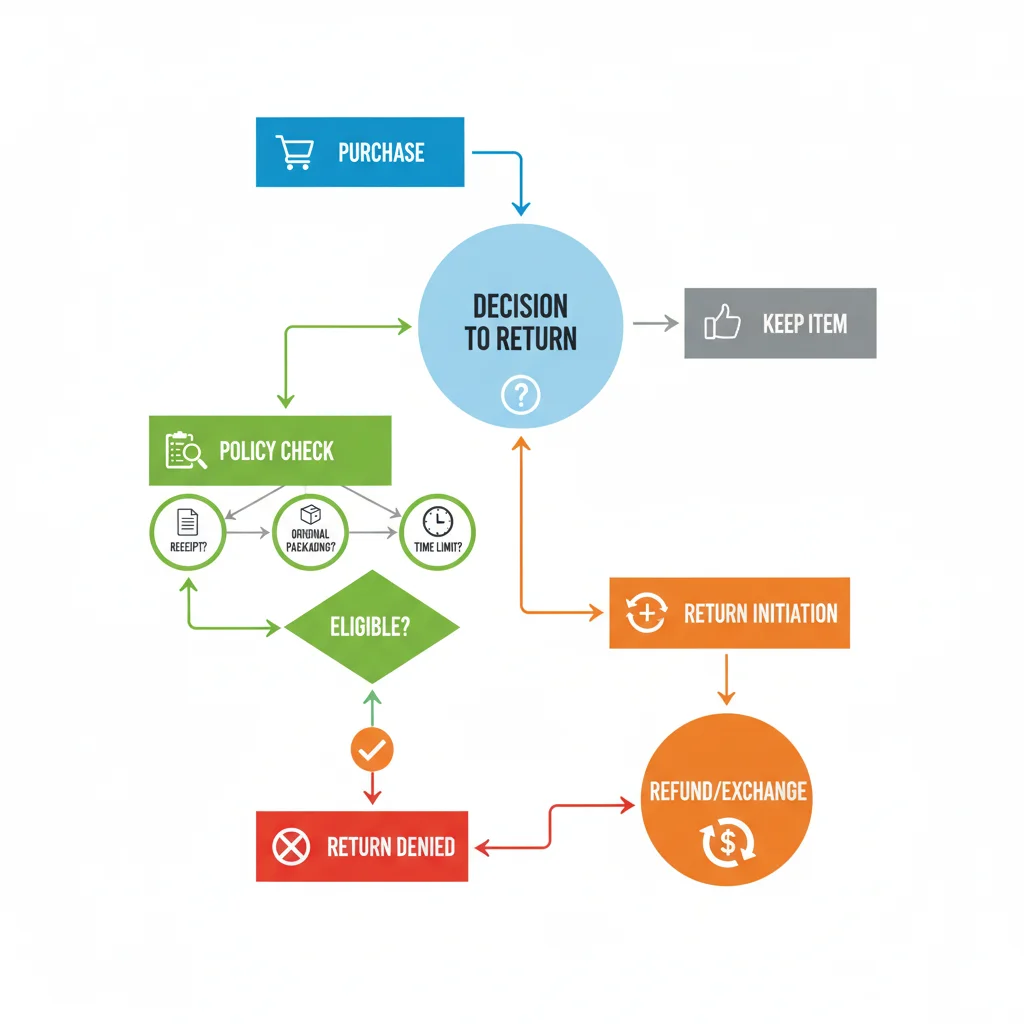
The devil, as they say, is in the details, and this holds especially true for return policies. Many consumers make the mistake of assuming all policies are similar, leading to costly surprises. To truly master Smart Return Policies, you need to understand the critical components that define them. These elements are the building blocks of a successful return and can significantly impact your ability to get a refund or exchange.
Return Window: Time is of the Essence
The most common and often overlooked aspect is the return window. This refers to the period, typically measured in days from the date of purchase or delivery, during which an item can be returned. Common windows range from 14 to 90 days, but some items, especially electronics or seasonal goods, might have much shorter windows. Always check this first. A missed deadline, even by a day, can render your item ineligible for return, regardless of its condition. Mark your calendars or set reminders for high-value purchases.
Condition of the Item: As Good As New?
Most retailers require items to be returned in their original condition, meaning unused, unworn, and with all original tags and packaging intact. Some may allow returns of opened items if they are defective or if the product inherently requires opening (e.g., software), but this is not a universal rule. Be meticulous about keeping packaging, manuals, and accessories. A missing component or a damaged box can lead to a partial refund, store credit, or even a denial of the return.
Proof of Purchase: Your Golden Ticket
A receipt, either physical or digital, is almost always required as proof of purchase. Without it, your options are severely limited. Some stores might offer store credit at the lowest selling price without a receipt, but a full refund to your original payment method is unlikely. Keep all receipts organized, perhaps by creating a dedicated digital folder or a physical envelope for important purchases. Loyalty program members often have their purchases tracked, which can sometimes serve as proof of purchase, but it’s always safer to have the original receipt.
Restocking Fees: The Hidden Cost
This is a particularly frustrating aspect for many consumers. Some retailers, especially for electronics, furniture, or specialized items, charge a restocking fee for returned products. This fee, typically a percentage of the item’s price (e.g., 15-25%), is deducted from your refund. Always check for these fees before making a purchase, especially if you’re unsure about keeping the item. They can significantly eat into your refund and are a prime example of how not understanding Smart Return Policies can lead to losses.
Refund Method: Cash, Credit, or Store Credit?
The way you receive your refund can vary. Most retailers aim to refund to the original payment method. However, without a receipt, or if the return is outside the standard window but still accepted, you might only be offered store credit or a gift card. Understand the store’s policy on refund methods, especially if you prefer cash or a direct credit to your bank account. Some payment methods, like gift cards or promotional credits, might have specific non-refundable clauses.
Exceptions and Exclusions: Not Everything Can Be Returned
Certain items are often non-returnable. These commonly include: final sale or clearance items, personalized or custom-made goods, underwear, swimwear (for hygiene reasons), perishable goods, gift cards, and sometimes opened software or media. Always look for disclaimers about non-returnable items, as these are absolute and cannot be circumvented. Knowing these exceptions is a cornerstone of Smart Return Policies.
Proactive Strategies for Smart Return Policies
Being reactive in a return situation often puts you at a disadvantage. The key to avoiding losses and ensuring smooth transactions lies in adopting proactive strategies. By integrating these habits into your shopping routine, you’ll be well on your way to mastering Smart Return Policies and protecting your purchases.
Read Before You Buy: The Ultimate Precaution
This might seem obvious, but it’s astonishing how many consumers skip this crucial step. Before clicking ‘purchase’ or heading to the checkout counter, take a few minutes to read the return policy. Don’t just skim; look for specific details regarding return windows, conditions, fees, and exceptions. If shopping online, the policy is usually linked in the footer of the website or on the product page. In physical stores, it’s often posted near the checkout or customer service desk. If anything is unclear, ask a sales associate for clarification. A few minutes of reading can save you hours of frustration and potential financial loss.
Keep Everything: Packaging, Tags, and Receipts
It cannot be stressed enough: maintain all original packaging, tags, labels, and of course, your receipt. For online purchases, this includes any original shipping labels or packing slips. Many retailers will flat-out refuse a return if an item is not in its original, resalable condition, which often means having the packaging. Consider having a designated ‘return box’ at home for items you’re unsure about, where you can temporarily store packaging and receipts until you’ve decided to keep the item permanently.
Understand Different Return Channels (Online vs. In-Store)
As mentioned, the rise of omnichannel retail means you can often return items bought online to a physical store, and vice versa. However, the policies might differ. An item bought online might have a longer return window if shipped back, but a shorter one if returned in-store. Always verify the specific rules for the channel you intend to use. Some retailers might offer free return shipping if initiated online, while others might charge for it. Knowing these distinctions is vital for making informed decisions.
Document Everything: Photos and Communication Logs
Especially for high-value items or purchases from unfamiliar retailers, it’s wise to document the condition of the item upon arrival and before sending it back. Take photos or even a short video. If you communicate with customer service, keep a log of dates, times, names of representatives, and summaries of conversations. This documentation can be invaluable if a dispute arises, providing concrete evidence to support your claim and demonstrating your adherence to Smart Return Policies.
Know Your Consumer Rights: Beyond Retailer Policies
While retailer policies are important, consumer protection laws often provide a baseline of rights that supersede individual store rules. These laws vary by region and country but generally cover issues like defective products, items not as described, or products that fail to meet reasonable quality standards. Familiarize yourself with the basic consumer rights in your area. For example, in many places, a product that is faulty within a reasonable time frame, even if outside the store’s return window, might still be eligible for a repair, replacement, or refund under statutory consumer guarantees. Leveraging these rights is a powerful aspect of Smart Return Policies.
Navigating Common Return Challenges and Solutions
Even with the best preparation, return situations can sometimes present unforeseen challenges. Knowing how to troubleshoot these issues effectively is part of developing Smart Return Policies expertise. Here are some common problems and practical solutions:
Lost or Missing Receipt: What to Do?
This is a frequent hurdle. If you’ve lost your physical receipt, check your email for a digital copy, especially for online purchases or if you opted for an e-receipt in-store. If you paid with a credit or debit card, the transaction might appear on your bank statement, which some retailers accept as proof of purchase, although this often limits you to store credit or an exchange. If you’re a loyalty program member, your purchase history might be accessible through your account. As a last resort, politely explain your situation to customer service; some may offer a one-time exception or a goodwill gesture.
Damaged or Defective Item: Steps to Take
If an item arrives damaged or becomes defective shortly after purchase, document the issue immediately with photos and videos. Contact the retailer’s customer service as soon as possible, clearly explaining the problem. Most retailers have specific policies for damaged or defective goods that differ from standard returns, often offering replacements or full refunds without restocking fees. Be clear that the item was not damaged by you and arrived in that condition or failed due to a manufacturing defect. This falls under consumer rights for faulty goods, which usually overrides standard return policies.
Beyond the Return Window: Seeking Exceptions
While strict adherence to the return window is generally expected, there are rare instances where exceptions might be made. This usually applies to loyal customers, during holiday seasons with extended return periods, or for items that are clearly defective but discovered just outside the window. Your best bet is always to contact customer service, explain your situation politely, and ask if any exceptions can be considered. Do not demand; rather, inquire with respect. Highlighting your customer loyalty can sometimes help.
Disputes Over Item Condition: Proving Your Case
Sometimes, a retailer might claim an item is not in its original condition, even if you believe it is. This is where your documentation (photos, videos) becomes invaluable. If you have evidence that the item was returned in the condition specified by the policy, present it. If the dispute escalates, and you believe the retailer is unfairly denying your return, you might need to involve consumer protection agencies or review sites to share your experience, which can sometimes prompt a resolution.
Understanding E-commerce Return Shipping
For online returns, clarify who pays for return shipping. Some retailers offer free returns, often by providing a prepaid shipping label. Others require the customer to bear the cost, which can be significant for large or heavy items. Always check this before initiating a return. If an item is defective or incorrect due to a retailer error, they are typically responsible for return shipping costs. Packaging for return shipping is also crucial; use sturdy boxes and adequate padding to prevent further damage during transit, which could jeopardize your refund.

Leveraging Technology for Smart Return Policies in 2026
The year 2026 brings with it advanced technological solutions that can significantly streamline the return process and help you maintain Smart Return Policies. Embracing these tools can save you time, reduce stress, and prevent financial losses.
Digital Receipt Management Apps
Gone are the days of overflowing wallets with crumpled paper receipts. Numerous apps are available that allow you to scan and store digital copies of all your receipts. Many also integrate with your bank accounts to automatically track purchases. These apps make it incredibly easy to retrieve proof of purchase when needed, ensuring you never miss a return opportunity due to a lost receipt. Some even have features to alert you when a return window is closing.
AI-Powered Customer Service Bots
Many retailers now employ AI chatbots on their websites and messaging platforms. These bots are often the first point of contact for return inquiries. While they might not be able to resolve complex issues, they can quickly provide information on return policies, generate return labels, and guide you through the initial steps of the return process. Learning to effectively interact with these bots can expedite your return requests and get you answers faster, which is key for timely returns under Smart Return Policies.
Personalized Return Dashboards
As retailers collect more data, personalized customer portals are becoming more sophisticated. These dashboards, accessible through your online account, often display your purchase history, the return policy specific to each item, and the status of any ongoing returns. Utilizing these dashboards can provide a centralized hub for managing all your return-related activities, making it easier to track deadlines and monitor refund statuses.
Augmented Reality (AR) and Virtual Try-On Tools
While not directly related to the return process itself, AR and virtual try-on tools are revolutionizing how consumers shop, thereby reducing the likelihood of returns. By allowing you to virtually ‘try on’ clothes, visualize furniture in your home, or test out products in a simulated environment, these technologies help ensure a better fit and suitability before purchase. Fewer unsuitable purchases mean fewer returns, which is the ultimate goal of Smart Return Policies – to make informed decisions upfront.
Blockchain for Supply Chain Transparency
In more advanced retail ecosystems, blockchain technology is being explored to create immutable records of product origins, quality checks, and movements. While still nascent in consumer returns, this could eventually provide irrefutable evidence of an item’s condition at various stages, helping to resolve disputes between consumers and retailers regarding damaged or defective goods. Keep an eye on how this technology develops, as it could further empower consumers in advocating for their return rights.
The Economic Impact of Returns and Why Smart Policies Matter
Understanding the economic realities behind returns provides a broader context for why Smart Return Policies are so crucial, not just for consumers, but for the entire retail ecosystem. Returns are a massive logistical and financial burden for retailers, costing billions annually. This cost is ultimately passed on to consumers through higher prices or stricter policies.
The Cost to Retailers
When an item is returned, it incurs costs beyond just the loss of the initial sale. These include reverse logistics (shipping, handling, processing), inspection, repackaging, restocking, and often, markdown losses if the item cannot be resold at full price. For some categories, like apparel, the return rate can be as high as 30-40% for online purchases. This ‘returns problem’ is a significant challenge for retailers, leading them to develop more sophisticated and sometimes stringent return policies.
Impact on Consumer Prices
To offset the costs associated with returns, retailers often build these expenses into their pricing models. This means that consumers who rarely return items are effectively subsidizing those who return frequently. By adopting Smart Return Policies and making informed purchasing decisions, consumers can collectively reduce the overall return rate, potentially leading to more competitive pricing and more lenient policies in the long run.
Environmental Footprint
The environmental impact of returns is increasingly recognized. The transportation of returned goods, packaging waste, and the disposal of items that cannot be resold contribute significantly to carbon emissions and landfill waste. Being mindful of your returns and striving to make fewer, more informed purchases aligns with sustainable consumption practices, demonstrating another facet of Smart Return Policies.
The Psychology of Returns
From a psychological perspective, easy returns can encourage impulse buying, as consumers feel less risk. However, this can lead to ‘wardrobing’ (buying items to use once and return) or simply purchasing more than needed with the intention to return. While retailers want to encourage purchases, they also need to balance this with the financial and environmental costs of returns. Your understanding and responsible use of Smart Return Policies contribute to a healthier and more sustainable retail environment for everyone.
Final Thoughts: Empowering Your Shopping Journey in 2026
As we’ve explored, mastering Smart Return Policies in 2026 is an essential skill for any discerning consumer. It’s not just about getting your money back; it’s about making informed decisions, protecting your financial interests, and engaging with retailers in a way that fosters trust and efficiency. By adopting a proactive mindset, understanding the intricate details of return policies, leveraging available technology, and knowing your consumer rights, you transform from a passive shopper into an empowered consumer.
The 10% loss mentioned in our initial premise is not an exaggeration for many consumers who repeatedly overlook the nuances of returns. These losses accumulate from restocking fees, non-refundable shipping costs, buying items that can’t be returned, or simply missing return windows due to lack of awareness. With the strategies outlined in this guide, you are now equipped to minimize these risks and ensure that every purchase is a confident one.
Remember, the goal is not to avoid returns entirely, as sometimes they are genuinely necessary due to faulty products or honest mistakes. Instead, the goal is to make returns a smooth, predictable, and financially neutral process when they do occur. By making Smart Return Policies a cornerstone of your shopping habits, you’re not just saving money; you’re becoming a more astute, responsible, and effective participant in the modern retail economy. Happy shopping, and may your returns always be hassle-free!