Extended Warranties 2026: Worth the Cost or Waste of Money?

In an increasingly complex consumer landscape, the offer of an extended warranty often accompanies significant purchases. From the latest smartphones and cutting-edge home appliances to essential vehicles, retailers and manufacturers are quick to present these additional protection plans. But in 2026, with rapid technological advancements and evolving consumer rights, the perennial question remains: Is an extended warranty value truly worth the extra cost, or is it an unnecessary expenditure?
This comprehensive guide aims to demystify extended warranties, providing you with the knowledge and insights to make informed decisions. We’ll explore what extended warranties entail, their pros and cons, and offer a detailed analysis of when they make financial sense and when your money might be better spent elsewhere. Understanding the nuances of an extended warranty value is crucial for protecting your investments and ensuring peace of mind.
What Exactly is an Extended Warranty? Understanding the Basics
Before diving into the intricate details of whether an extended warranty value holds up, let’s establish a clear understanding of what these agreements are. An extended warranty, also known as a service contract or protection plan, is a prolonged warranty offered to consumers in addition to the standard warranty on new items. The standard warranty is typically provided by the manufacturer and covers defects in materials or workmanship for a specified period, often one to three years.
Extended warranties, conversely, are usually purchased separately and kick in after the manufacturer’s warranty expires. They are designed to cover the cost of repairs or replacements for specific components or issues that may arise during the extended coverage period. These plans can be offered by the manufacturer, the retailer, or a third-party provider, and their terms and conditions can vary significantly.
Types of Extended Warranties
The market for extended warranties is diverse, with several types tailored to different products and consumer needs:
- Manufacturer Extended Warranties: These are offered directly by the product’s manufacturer and often provide coverage similar to the original factory warranty. They can be a good option as the manufacturer’s authorized service centers are typically well-versed in their own products.
- Retailer Extended Warranties: Many large retail chains offer their own protection plans. While convenient to purchase at the point of sale, these might have different terms than manufacturer warranties and often use third-party repair services.
- Third-Party Extended Warranties: Independent companies specialize in providing extended warranty coverage across a range of products. These can sometimes offer more flexible terms or competitive pricing, but it’s crucial to thoroughly vet the provider’s reputation and financial stability.
- Vehicle Service Contracts: Specifically for automobiles, these are often referred to as extended warranties and cover mechanical breakdowns beyond the factory warranty. They can range from comprehensive ‘bumper-to-bumper’ coverage to more limited plans covering only major components.
The scope of coverage also varies. Some plans are ‘exclusionary,’ meaning they list what isn’t covered, implying everything else is. Others are ‘inclusionary,’ detailing precisely what is covered. Understanding these distinctions is critical when assessing an extended warranty value.
The Allure of Protection: Why Consumers Consider Extended Warranties
The primary appeal of an extended warranty is the promise of peace of mind. In an age where electronics, appliances, and vehicles are increasingly sophisticated and expensive to repair, the thought of an unexpected breakdown can be daunting. Here are some key reasons why consumers often lean towards purchasing these plans:
Mitigating Unexpected Repair Costs
Modern gadgets and appliances are complex. A simple repair on a high-end refrigerator, a sophisticated laptop, or an advanced vehicle can easily run into hundreds or even thousands of dollars. An extended warranty acts as a financial buffer, potentially saving you from these significant out-of-pocket expenses. For many, this perceived financial security is a strong motivator when evaluating the extended warranty value.
Convenience and Simplicity
Dealing with product malfunctions can be a hassle. An extended warranty often streamlines the repair process, providing a single point of contact for service, sometimes including pick-up and delivery, or access to a network of authorized technicians. This convenience factor can be a significant draw, especially for busy individuals.
Protection Against Product Defects Beyond Manufacturer Warranty
While manufacturers’ warranties cover initial defects, some products are known to develop issues shortly after the standard warranty expires. Consumers might purchase an extended warranty to specifically guard against these known ‘lemon’ tendencies or simply to extend the period of coverage for items they expect to last longer than the factory warranty.
Resale Value Enhancement
For certain high-value items, particularly vehicles, an extended warranty can be transferable to a new owner, potentially increasing the resale value. A buyer might be more willing to pay a premium for a used car that still has years of comprehensive coverage remaining.
Weighing the Downsides: When an Extended Warranty Might Not Be Worth It
Despite the attractive promises, extended warranties are not a guaranteed win. There are significant drawbacks and situations where the extended warranty value is questionable or even non-existent. It’s crucial to consider these factors before committing to a purchase.
High Cost vs. Actual Usage
A significant portion of the cost of an extended warranty is profit for the seller. Many consumers pay for coverage they never use. The statistical likelihood of a product breaking down outside the manufacturer’s warranty but within the extended warranty period, and for a covered reason, might be lower than you think. Often, the cost of the warranty itself can be a substantial percentage of the product’s original price.
Overlapping Coverage and Existing Protections
Many consumers unknowingly have existing protection that negates the need for an extended warranty. Credit card companies, for instance, often offer extended warranty benefits on purchases made with their cards, typically adding an extra year or two to the manufacturer’s warranty for free. Homeowner’s insurance may cover certain types of damage to appliances. Furthermore, consumer protection laws in some regions provide implied warranties that offer basic coverage for a reasonable product lifespan.
Exclusions and Fine Print
The devil is always in the details. Extended warranty contracts are notorious for their extensive fine print, exclusions, and limitations. Common exclusions include:
- Cosmetic damage
- Damage from misuse, accidents, or acts of nature
- Consumable parts (e.g., batteries, bulbs)
- Pre-existing conditions
- Specific components not listed as covered
These exclusions can significantly diminish the perceived extended warranty value, as many common issues might not be covered. It’s vital to read the contract thoroughly before signing.
Deductibles and Service Fees
Some extended warranty plans come with deductibles, meaning you have to pay a certain amount out-of-pocket each time you make a claim. There might also be service fees or limitations on the number of claims you can make. These additional costs can quickly erode the financial benefit of the warranty.
Company Solvency and Reliability
If a third-party warranty provider goes out of business, your warranty coverage could become worthless. Even reputable companies can have poor customer service or slow claims processing, turning a supposed ‘peace of mind’ into a frustrating ordeal. Researching the provider’s reputation is as important as understanding the terms.
When is an Extended Warranty Value Genuinely High? Product-Specific Analysis
The decision to purchase an extended warranty is rarely universal. Its value largely depends on the specific product, its reliability, repair costs, and your personal financial situation. Let’s break down product categories where an extended warranty value might be more pronounced.
High-End Electronics (Laptops, Smartphones, TVs)
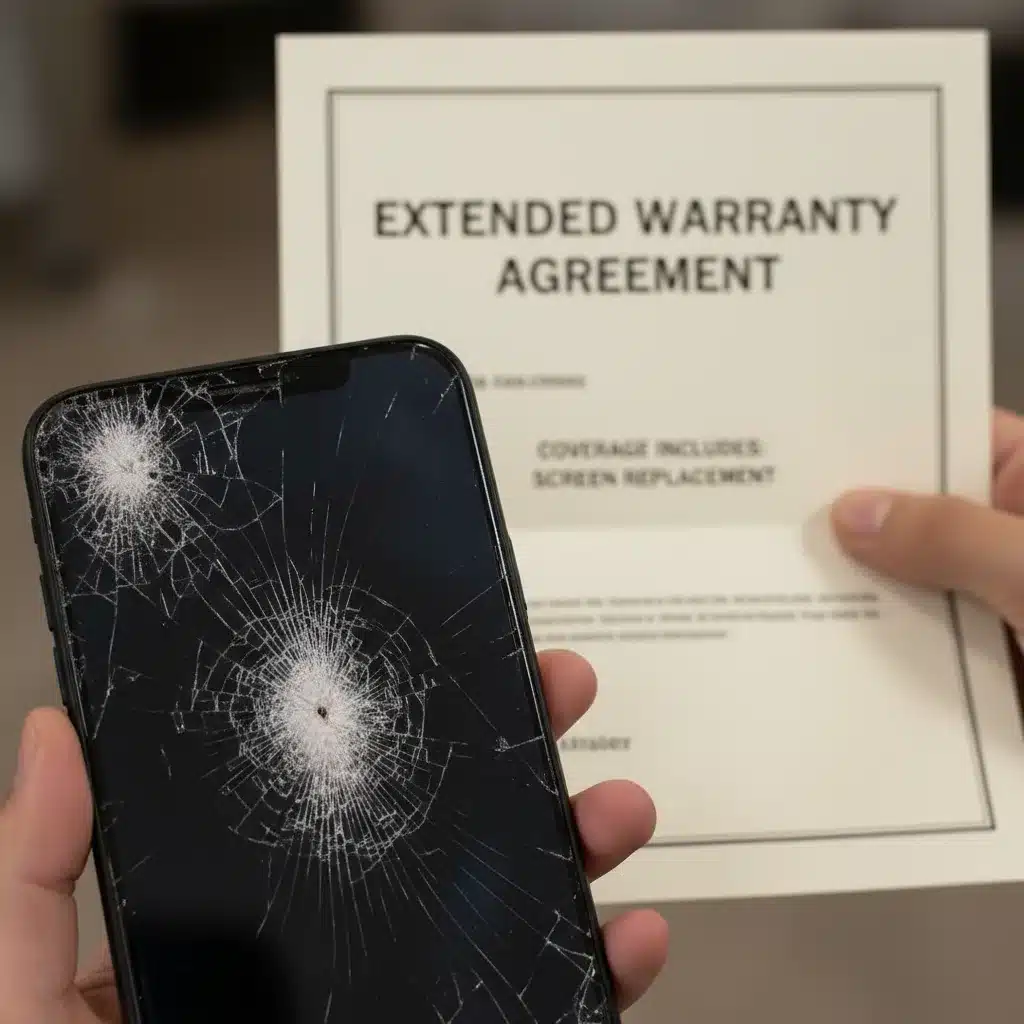
Modern electronics are often expensive and prone to accidental damage or intricate component failures. For items like premium laptops, flagship smartphones, or large OLED/QLED TVs, repair costs can be exorbitant. A cracked screen on a smartphone, a logic board failure in a laptop, or a panel replacement on a TV can cost as much as a new device. In these cases, especially if the warranty includes accidental damage protection, the extended warranty value can be considerable. However, always check if your credit card already offers similar protection.
Major Home Appliances (Refrigerators, Washers, Dryers)
These are essential household items that are expected to last many years. While many appliances are reliable, a critical component failure (e.g., compressor in a refrigerator, motor in a washing machine) can lead to significant repair bills. Given the disruption a broken appliance causes, and the high cost of specialized repairs, an extended warranty for major appliances, particularly those with complex electronics or high-tech features, can offer good extended warranty value. Look for warranties that cover parts and labor for a reasonable duration beyond the manufacturer’s warranty.
Automobiles (Especially Used Cars and Complex New Vehicles)
This is arguably where extended warranties (vehicle service contracts) see some of their strongest arguments. Modern cars are packed with sophisticated electronics and complex mechanical systems that are expensive to diagnose and repair. For a new car, a manufacturer’s extended warranty can be a good option if you plan to keep the vehicle beyond the factory coverage. For used cars, where the original warranty has expired or is nearing its end, a reputable third-party service contract can provide immense peace of mind against major component failures. The extended warranty value here is often tied to the potential for very high repair costs, especially for luxury or performance vehicles. Always compare coverage, deductibles, and the provider’s reputation.
Items with Known Reliability Issues
If a particular brand or model has a documented history of reliability problems or common failure points just outside the manufacturer’s warranty period, then an extended warranty becomes a more attractive proposition. Researching product reviews and consumer reports can help identify such products.
When to Skip the Extended Warranty: Lower Value Scenarios
Just as there are situations where an extended warranty shines, there are many where it offers minimal or no real extended warranty value. Knowing when to save your money is just as important as knowing when to spend it.
Low-Cost Items
For inexpensive electronics, small kitchen appliances, or tools, the cost of the extended warranty might be a significant percentage of the item’s purchase price. If the item costs less than a few hundred dollars, it’s often more economical to simply replace it if it breaks down rather than paying for a warranty that may or may not cover the issue. The extended warranty value diminishes rapidly for low-cost goods.
Products with High Reliability or Simple Mechanics
Some products are inherently reliable or have simple mechanical designs that are easy and inexpensive to repair. For example, a basic toaster, a simple blender, or certain types of furniture typically don’t justify an extended warranty. Their failure rate is low, and if they do break, the repair or replacement cost is often minimal.
When You Have Adequate Emergency Savings
A common financial strategy is to ‘self-insure’ for potential breakdowns. By maintaining a robust emergency fund, you can cover unexpected repair or replacement costs yourself. This approach means you keep the money that would otherwise go to warranty premiums, allowing it to grow or be used for other financial goals. If you have the financial capacity to absorb a few hundred or even a couple of thousand dollars in unexpected repairs, the extended warranty value for you might be negligible.
Credit Card Extended Warranty Benefits
As mentioned, many premium credit cards automatically extend the manufacturer’s warranty on eligible purchases at no extra charge. Before even considering a paid extended warranty, check your credit card benefits. This free coverage can often provide all the ‘extended’ protection you need, rendering a purchased warranty redundant and offering zero additional extended warranty value.
Short Product Lifespans or Frequent Upgrades
For products that are frequently upgraded or have a naturally short lifespan (e.g., entry-level smartphones, gaming consoles for avid upgraders), an extended warranty might outlast your ownership of the product. If you typically replace your phone every two years, a five-year extended warranty offers little practical benefit beyond the initial period.
Maximizing Your Extended Warranty Value: Smart Strategies for 2026
If you decide an extended warranty is right for you, there are several strategies to ensure you get the most out of your investment and truly maximize its extended warranty value.
Read the Fine Print (Seriously!)
This cannot be stressed enough. Before purchasing, obtain a sample copy of the contract and read every word. Pay close attention to:
- Coverage: What exactly is covered and, more importantly, what is excluded?
- Deductibles and Fees: Are there any out-of-pocket costs for claims?
- Claim Process: How do you file a claim? What documentation is required?
- Repair Network: Who performs the repairs? Are they authorized service centers?
- Transferability: Can the warranty be transferred if you sell the product?
- Cancellation Policy: Can you cancel the warranty and get a prorated refund if you change your mind or sell the product early?
Compare Providers and Plans

Don’t jump at the first offer. Shop around. Compare plans from the manufacturer, the retailer, and reputable third-party providers. Look at not just the price, but also the coverage specifics, the provider’s reputation (check reviews with the Better Business Bureau, consumer forums, etc.), and their claims history. A cheaper warranty with poor service or restrictive terms offers little extended warranty value.
Negotiate the Price
Extended warranty prices are often negotiable, especially at dealerships for cars or with persistent sales associates for electronics. Don’t be afraid to ask for a discount or to walk away if the price isn’t right. Sometimes, waiting a few days after the initial purchase can even lead to better offers as retailers follow up.
Understand Your Existing Protections
Reiterate this point: know what your credit card offers, what your homeowner’s/renter’s insurance covers, and what consumer laws apply in your region. You might already have sufficient protection without spending extra on an extended warranty.
Consider the Product’s Reliability and Repair Costs
Research the specific product’s reliability. Websites like Consumer Reports, JD Power, and various tech review sites provide invaluable data on product longevity and common issues. If a product is known to be highly reliable and has affordable repair parts, the extended warranty value is likely low.
Evaluate Your Risk Tolerance
Your personal financial situation and risk tolerance play a significant role. If an unexpected $500 repair bill would cause significant financial strain, an extended warranty might be a worthwhile investment for peace of mind, even if the statistical odds of using it are low. If you have ample savings, you might prefer to take the risk and keep your money.
The Future of Extended Warranties in 2026 and Beyond
As technology continues to evolve at a breakneck pace, so too will the landscape of extended warranties. We can anticipate several trends influencing the extended warranty value proposition:
- Increased Personalization: Expect more tailored warranty plans based on individual usage patterns, product reliability data, and even consumer behavior, potentially leading to more transparent and fairer pricing.
- Integration with Smart Devices: Future warranties might integrate with IoT devices, allowing for predictive maintenance and proactive issue resolution, enhancing the preventative aspect of coverage.
- Focus on Sustainability: As consumers become more environmentally conscious, warranties that emphasize repair over replacement, and cover certified refurbished parts, could gain traction.
- Blockchain for Transparency: The use of blockchain technology could bring greater transparency to warranty contracts, making terms and claims processes immutable and easily verifiable.
- Subscription Models: We might see a shift towards subscription-based protection plans that cover multiple devices or appliances under a single, flexible monthly fee.
These developments could potentially increase the perceived and actual extended warranty value, making them more attractive options for consumers in the coming years.
Conclusion: Making the Smart Choice for Your Extended Warranty Value
The decision to purchase an extended warranty is a personal one, with no single right answer for everyone or every product. It requires careful consideration of the product’s cost, anticipated reliability, potential repair expenses, your existing financial safety nets, and the specific terms of the warranty itself. While often sold as an essential safeguard, the true extended warranty value can range from invaluable protection to an unnecessary drain on your finances.
In 2026, empower yourself with knowledge. Read the fine print, compare your options, understand your existing coverage, and honestly assess your financial risk tolerance. By doing so, you can confidently navigate the world of extended warranties, ensuring your hard-earned money is spent wisely, providing genuine peace of mind and protection where it truly matters.