
In the rapidly evolving landscape of 2026, where technology advances at an unprecedented pace, consumers are constantly faced with a crucial decision: to invest in brand-new electronics or opt for their often more affordable, refurbished counterparts. The allure of unboxing a pristine, never-before-used gadget is undeniable, yet the pragmatic appeal of saving a significant chunk of change—sometimes up to 30% or more—on a device that performs just as well is increasingly compelling. This comprehensive guide aims to dissect the ‘refurbished vs. new electronics 2026’ dilemma, providing you with the insights needed to make an informed, economically savvy, and environmentally conscious choice.
The market for refurbished electronics has matured considerably, shedding its old stigma of being synonymous with ‘used’ or ‘faulty’ goods. Today, the ‘refurbished electronics 2026’ market is a sophisticated ecosystem, offering high-quality, thoroughly tested, and often certified devices that stand toe-to-toe with their brand-new counterparts in terms of performance and reliability. As we delve deeper, we will explore the nuances of what ‘refurbished’ truly means, the benefits it offers, potential pitfalls to avoid, and how to navigate this market effectively.
Understanding ‘Refurbished’ in 2026: More Than Just ‘Used’
The term ‘refurbished’ can be a bit nebulous, often leading to misconceptions. In 2026, ‘refurbished electronics’ typically refers to devices that have been previously owned or used, returned to a manufacturer or certified refurbisher, and then restored to a ‘like-new’ or ‘excellent’ working condition. This process involves a rigorous inspection, repair (if necessary), cleaning, and testing to ensure full functionality. The reasons for an item being refurbished can vary widely:
- Customer Returns: Many items are returned shortly after purchase, often due to buyer’s remorse, minor cosmetic blemishes, or simply because the customer changed their mind. These items may have seen minimal to no actual use.
- Demonstration Models: Devices used for display in retail stores or at trade shows are often sold as refurbished once their demonstration period is over.
- Minor Defects: Products with small, fixable manufacturing defects that are returned under warranty are repaired and then sold as refurbished.
- Shipping Damage: Items that sustain minor cosmetic damage during shipping but are otherwise fully functional can be refurbished.
- Open-Box Items: Products where the packaging has been opened but the item itself might be unused or used for a very short period.
Crucially, a reputable refurbisher will put these items through a stringent process that often includes diagnostics, component replacement (e.g., batteries, screens), thorough cleaning, and a final quality assurance check. This level of scrutiny often surpasses the initial quality control for mass-produced new items, making ‘refurbished electronics 2026’ a surprisingly robust option.
The Allure of Savings: Why Refurbished Electronics Make Financial Sense
One of the primary drivers behind the growing popularity of ‘refurbished electronics 2026’ is the significant cost savings. As mentioned, consumers can expect to save anywhere from 15% to 30%, and sometimes even more, compared to the price of a brand-new device. This is particularly appealing for high-value electronics such as premium smartphones, laptops, tablets, and gaming consoles, where a 30% discount can translate into hundreds of dollars in savings.
Consider a flagship smartphone released just a year ago. While a new model might still command a premium price, its refurbished counterpart could be available at a substantially lower cost, allowing you to access high-end features and performance without breaking the bank. These savings can then be allocated to accessories, extended warranties, or even other tech upgrades, making your overall tech budget stretch further.
Furthermore, the depreciation of electronics is rapid. A new device begins to lose value the moment it’s unboxed. By purchasing refurbished, you’re essentially buying into a value curve that has already seen its steepest drop, meaning your investment retains its relative value for longer.
Performance and Reliability: Debunking Myths About Refurbished Devices
A common misconception is that refurbished devices are inherently less reliable or perform worse than new ones. This simply isn’t true, especially when dealing with reputable sellers and certified refurbished programs. In 2026, the standards for ‘refurbished electronics’ are higher than ever.
Many refurbished items undergo more extensive testing than new products. For instance, a new product typically undergoes batch testing, where a sample from a production run is checked. A refurbished product, however, is often individually inspected and tested to ensure every component functions as intended. This rigorous process can sometimes mean a refurbished device has fewer initial flaws than a new one straight off the assembly line.
Key aspects contributing to the reliability of ‘refurbished electronics 2026’ include:
- Certified Refurbishment: Look for products that are ‘certified refurbished’ by the original manufacturer or an authorized third party. This guarantees that the device has been restored to factory standards using genuine parts.
- Warranty: Reputable refurbished electronics often come with a warranty, sometimes even comparable to a new product’s warranty. This provides peace of mind and protection against unforeseen issues.
- Quality Components: When parts are replaced, certified refurbishers use high-quality, often OEM (Original Equipment Manufacturer) parts, ensuring the device’s integrity and performance.
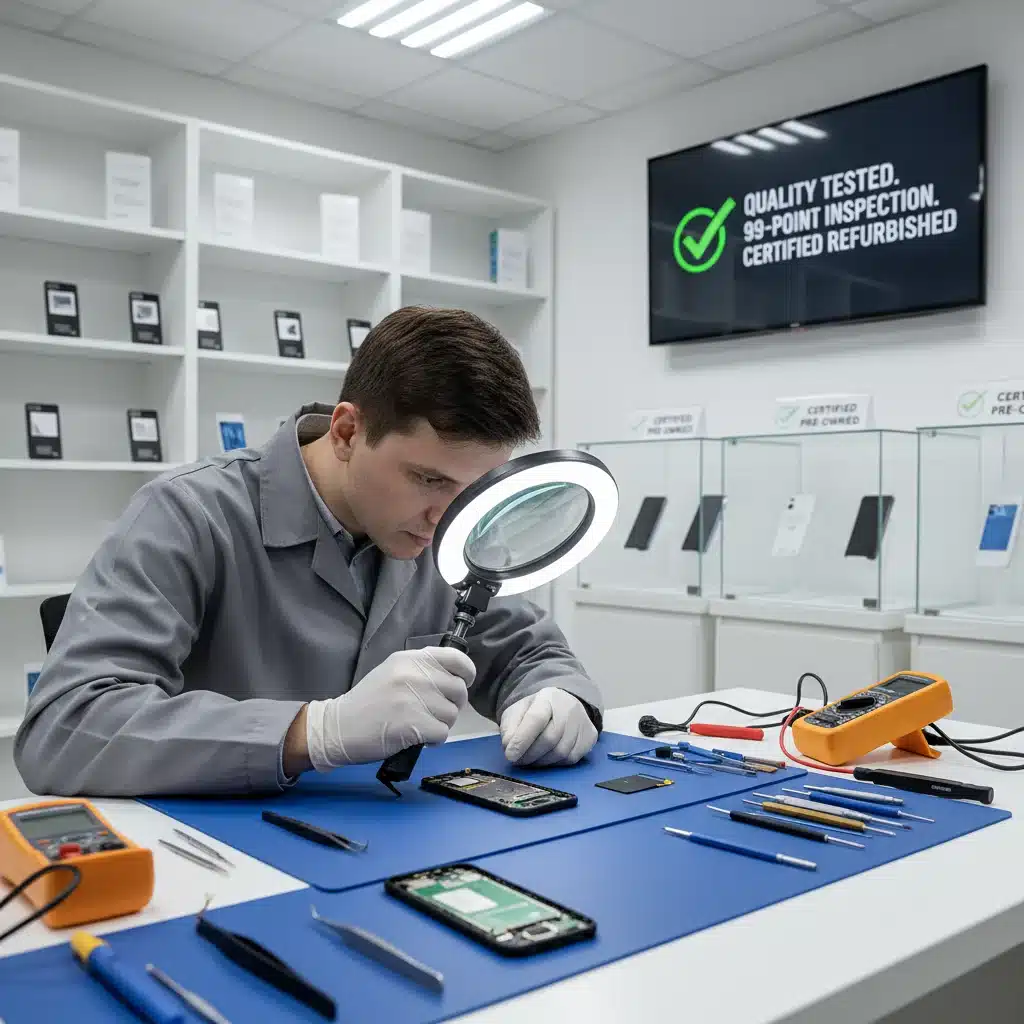
Therefore, when you choose a properly refurbished device, you’re not compromising on performance or reliability; you’re simply making a smarter financial decision for your ‘refurbished electronics 2026’ purchase.
Environmental Impact: A Sustainable Choice for 2026
Beyond the financial benefits, choosing ‘refurbished electronics 2026’ has a significant positive impact on the environment. The production of new electronics is resource-intensive, requiring vast amounts of raw materials, energy, and water. It also generates considerable electronic waste (e-waste), which is a growing global concern.
By opting for a refurbished device, you are directly contributing to the circular economy. You extend the life cycle of existing products, reducing the demand for new manufacturing and subsequently lowering carbon emissions, conserving resources, and minimizing landfill waste. This makes refurbished electronics a truly sustainable choice for the environmentally conscious consumer in 2026.
- Reduced E-Waste: Every refurbished device sold is one less device ending up in a landfill prematurely.
- Lower Carbon Footprint: The energy and resources required to refurbish an item are significantly less than those needed to manufacture a new one.
- Resource Conservation: Less demand for new products means fewer raw materials (precious metals, rare earth elements) need to be mined.
As sustainability becomes an increasingly critical factor in consumer decisions, ‘refurbished electronics 2026’ offers a compelling way to align your tech purchases with your ecological values.
Where to Buy Refurbished Electronics in 2026: Trusted Sources
The key to a positive refurbished experience lies in purchasing from reputable sources. In 2026, several channels offer reliable ‘refurbished electronics’:
- Manufacturer’s Refurbished Programs: Many major manufacturers like Apple, Dell, HP, Samsung, and Microsoft have their own refurbished stores. These are often the safest bets, as products are refurbished by the original manufacturer, come with genuine parts, and typically include a good warranty.
- Certified Third-Party Refurbishers: Companies specializing in refurbishment, such as Amazon Renewed, Back Market, and Decluttr, have established stringent quality control processes and offer warranties. Look for certifications and strong customer reviews.
- Retailers: Large electronics retailers sometimes offer refurbished sections, particularly for open-box or display models.
- Marketplaces with Buyer Protection: Platforms like eBay can be viable, but always prioritize sellers with high ratings, clear return policies, and detailed product descriptions. Ensure they offer some form of buyer protection.
Always verify the seller’s reputation, read reviews, and understand their return and warranty policies before making a purchase. This due diligence is paramount for a satisfactory ‘refurbished electronics 2026’ acquisition.
What to Look for When Buying Refurbished Electronics
To ensure you’re getting a good deal and a reliable product, keep the following in mind when shopping for ‘refurbished electronics 2026’:
1. Warranty and Return Policy
A solid warranty (ideally 90 days to one year) and a clear, hassle-free return policy are non-negotiable. This is your primary safeguard against any unforeseen issues. Manufacturers’ refurbished programs often offer warranties comparable to new products.
2. Certification
Look for ‘certified refurbished’ labels. This indicates that the device has undergone a professional refurbishment process and meets specific quality standards.
3. Grading System
Some sellers use a grading system (e.g., A-grade, B-grade) to indicate the cosmetic condition of the device. ‘A-grade’ usually means near-perfect, while lower grades might have more visible wear and tear, often at a further discount.
4. Battery Health
For devices with integrated batteries (laptops, smartphones), inquire about the battery’s health or if it has been replaced. A new or near-new battery significantly enhances the value of a refurbished device.
5. Accessories
Check what accessories are included. Sometimes, refurbished items come with generic chargers or no accessories at all, which might add to your overall cost.
6. Software
Ensure the device comes with a legitimate operating system and any necessary drivers. It should be wiped clean of previous user data.
7. Detailed Description and Photos
A reputable seller will provide a comprehensive description of the item’s condition, including any cosmetic imperfections, and clear photos. For ‘refurbished electronics 2026’, transparency is key.
The Future of Refurbished Electronics in 2026 and Beyond
The trajectory of the ‘refurbished electronics 2026’ market is one of continued growth and sophistication. As consumers become more environmentally aware and financially savvy, and as technology continues to evolve at a rapid pace, the appeal of high-quality, affordable refurbished devices will only strengthen.
We can expect to see:
- Increased Manufacturer Involvement: More manufacturers will likely invest in robust refurbished programs, seeing it as a sustainable business model and a way to reach budget-conscious consumers.
- Advanced Refurbishment Technologies: Innovations in diagnostics and repair will make the refurbishment process even more efficient and effective, leading to higher quality products.
- Greater Consumer Trust: As standards become more uniform and certifications more widespread, consumer confidence in refurbished electronics will continue to rise.
- Broader Product Categories: While popular for smartphones and laptops, the refurbished market will expand to include a wider array of electronics, from smart home devices to specialized professional equipment.
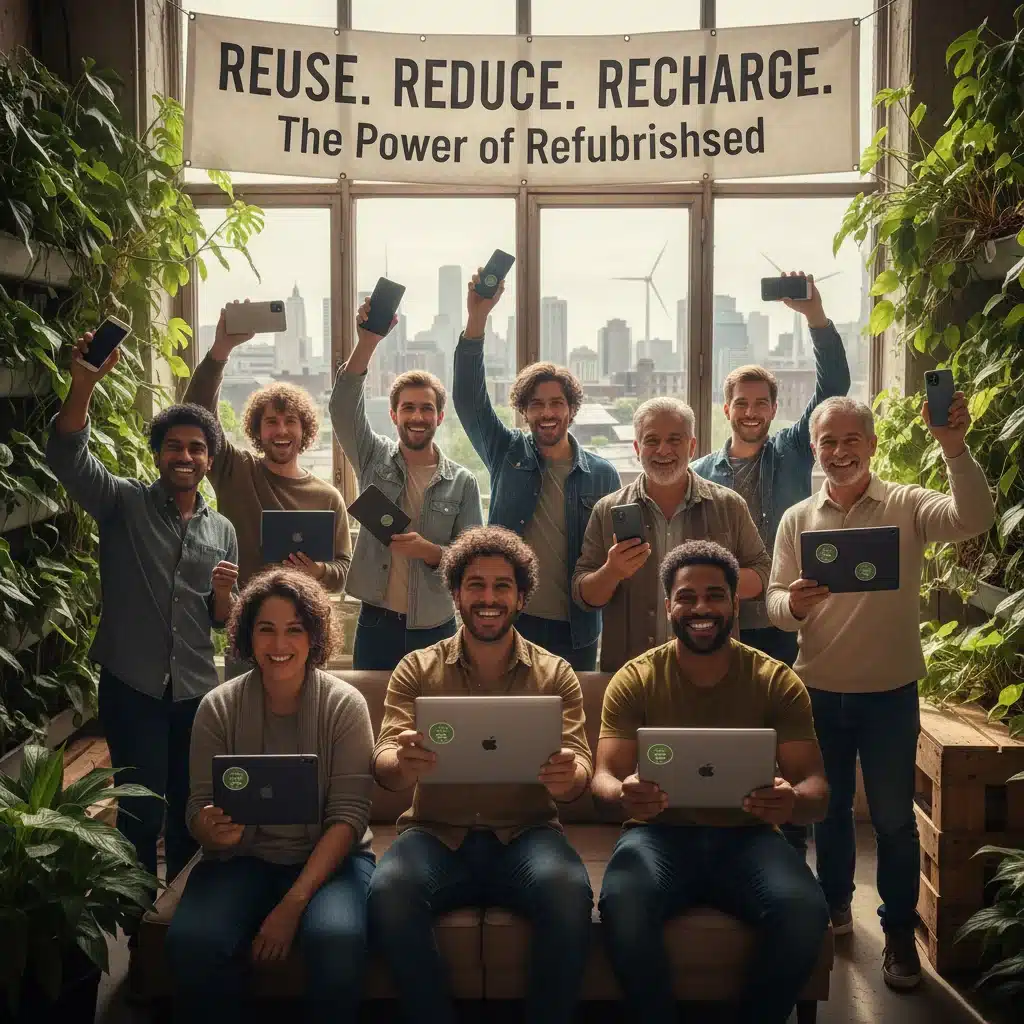
The shift towards a circular economy is not just a trend but a necessity, and ‘refurbished electronics 2026’ are at the forefront of this movement, offering a compelling alternative to the traditional linear model of consumption.
Conclusion: Making the Smart Choice in 2026
The ‘refurbished vs. new electronics 2026’ debate is no longer a clear-cut case of quality versus cost. With advancements in refurbishment processes, stringent quality controls, and robust warranty options, refurbished electronics have emerged as a highly viable, often superior, option for many consumers. You can enjoy significant savings, sometimes up to 30%, without compromising on performance or reliability, all while making a positive impact on the environment.
By understanding what ‘refurbished’ truly means, knowing where to buy from trusted sources, and being aware of what to look for, you can confidently navigate the ‘refurbished electronics 2026’ market. Whether you’re upgrading your smartphone, acquiring a new laptop, or seeking other tech gadgets, considering refurbished options is not just a financially astute move; it’s a responsible one for our planet. Make 2026 the year you embrace smart tech choices and discover the incredible value that refurbished electronics have to offer.