Consumer Wearables in 2026: Beyond Fitness Trackers, Exploring 4 Key Innovations for Health Monitoring
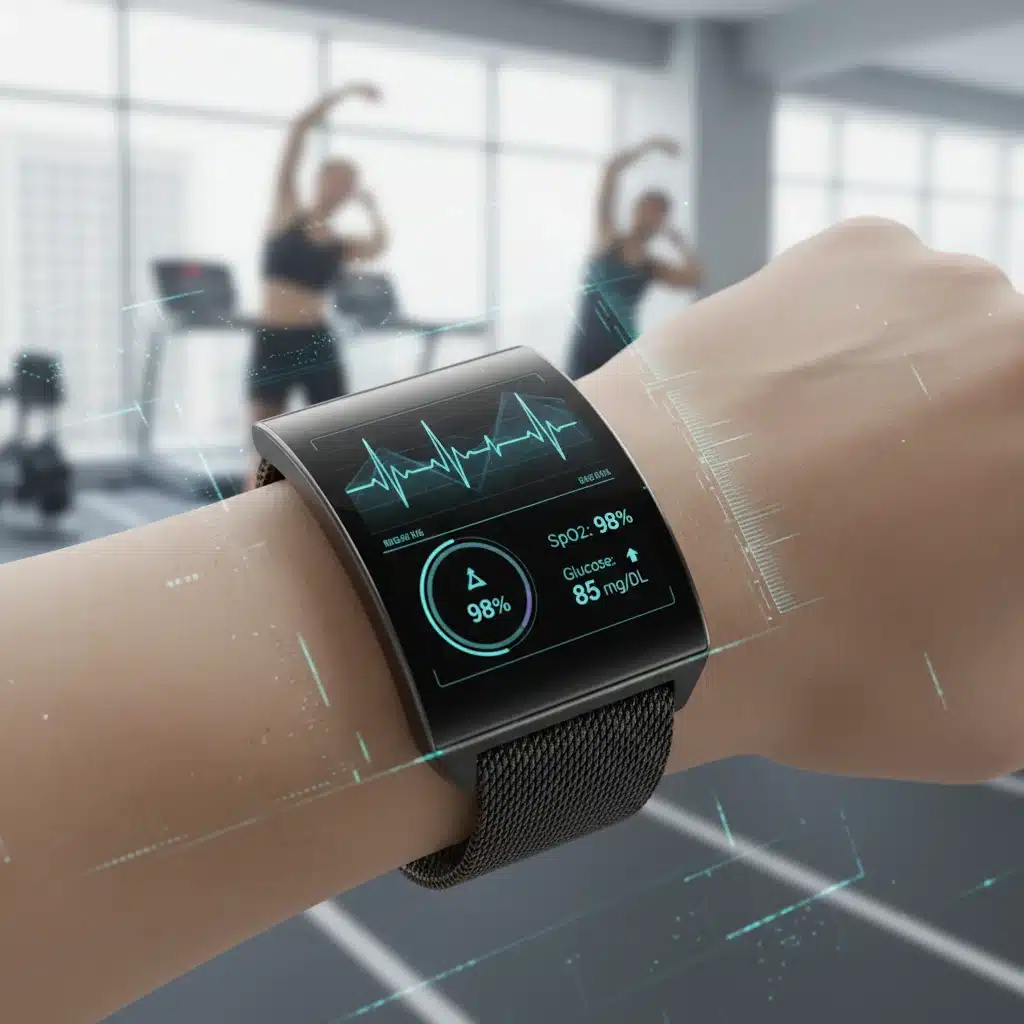
The year is 2026, and the humble fitness tracker of yesteryear has undergone a profound metamorphosis. What once simply counted steps and estimated calories burned has evolved into an indispensable, sophisticated health companion. The realm of consumer wearables is no longer confined to the wrists of athletes; it has permeated every facet of daily life, offering unprecedented insights into our physiological and psychological well-being. This evolution is driven by relentless innovation, pushing the boundaries of what is possible in personal health monitoring. We are standing at the precipice of a new era where proactive health management is not just a lofty ideal but a tangible reality, powered by cutting-edge wearable health innovations.
The shift from reactive healthcare to proactive wellness is one of the most significant trends reshaping the industry. Consumers are increasingly seeking tools that empower them to take charge of their health, detect potential issues early, and optimize their lifestyles for longevity and vitality. Wearable technology, with its continuous, non-invasive data collection capabilities, is perfectly positioned to fulfill this demand. By 2026, these devices will be more integrated, intelligent, and personalized than ever before, offering a holistic view of our health status.
This article will delve into the exciting future of consumer wearables, exploring four pivotal wearable health innovations that are set to redefine how we monitor and manage our health. These advancements are not merely incremental improvements but represent fundamental shifts in technology, data analysis, and user experience. From advanced biometric sensing to AI-driven predictive analytics, the future of personal health is smart, connected, and deeply personal.
1. Non-Invasive Continuous Glucose Monitoring (CGM) via Wearables
For millions worldwide living with diabetes, the daily routine of finger-prick blood tests is a constant, often painful, reminder of their condition. While existing continuous glucose monitors (CGMs) have revolutionized diabetes management, they typically involve a small, inserted sensor. By 2026, one of the most anticipated wearable health innovations will be the widespread availability of truly non-invasive CGMs integrated into consumer wearables.
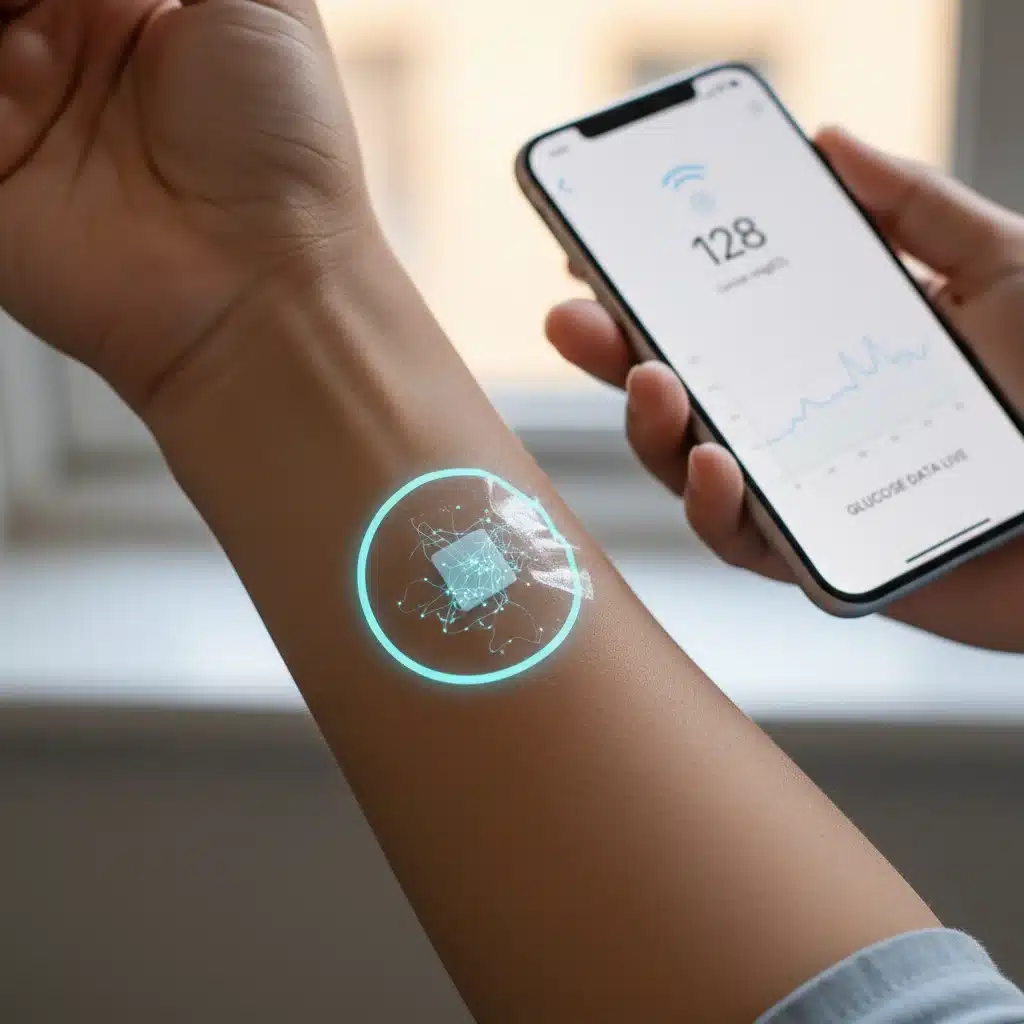
Imagine a smartwatch or a discreet patch that can accurately track blood glucose levels in real-time, without any skin penetration. This breakthrough is being fueled by advancements in optical sensing technologies, such as Raman spectroscopy, near-infrared spectroscopy, and even micro-needle arrays that are so tiny they don’t register as invasive. These technologies analyze light interaction with interstitial fluid or skin components to infer glucose concentration, offering a pain-free and convenient monitoring solution.
The impact of non-invasive CGM cannot be overstated. For individuals with diabetes, it means enhanced quality of life, better adherence to management plans, and significantly improved glycemic control, reducing the risk of long-term complications. But the utility extends far beyond diabetes management. Non-invasive CGM could become a powerful tool for pre-diabetics, helping them make timely lifestyle changes to prevent the onset of type 2 diabetes. Furthermore, for general wellness enthusiasts, understanding their glucose response to different foods and activities can optimize diet, exercise, and energy levels, contributing to overall metabolic health.
The challenges in developing accurate non-invasive CGM have been substantial, primarily due to the complex nature of light interaction with biological tissues and the need for robust calibration. However, ongoing research and significant investment by tech giants and medical device companies are rapidly overcoming these hurdles. Expect to see devices that are not only accurate but also highly integrated with other health metrics, providing a comprehensive picture of metabolic health. This particular advancement truly embodies the transformative potential of wearable health innovations.
2. Advanced Multi-Parameter Biometric Patches and Smart Skins
While smartwatches have dominated the wearable market, the future of health monitoring will increasingly involve more specialized, often imperceptible, devices. Enter advanced multi-parameter biometric patches and smart skins – a key area of wearable health innovations set to flourish by 2026. These are not merely glorified bandages; they are sophisticated, flexible electronic systems designed for continuous, high-fidelity data collection directly from the skin.
These patches, often thinner than a human hair and adhering comfortably to the skin, can monitor a wider array of biomarkers than traditional wearables. Think beyond heart rate and steps. We’re talking about continuous core body temperature, hydration levels, sweat electrolytes, skin conductivity (a proxy for stress), respiratory rate, and even early detection of certain infections or inflammatory responses through biochemical analysis of sweat. Some advanced prototypes are even exploring microfluidic channels to collect and analyze tiny samples of sweat for more complex biomarker detection.
The beauty of these smart skins lies in their discreet nature and their ability to be worn for extended periods without discomfort. They are ideal for sensitive populations like infants (monitoring SIDS risks), the elderly (fall detection, vital sign tracking), and patients recovering from surgery or managing chronic conditions. For athletes, these patches can provide real-time insights into performance, fatigue, and recovery, optimizing training regimes. For the average consumer, they offer an unobtrusive way to gain deeper insights into their body’s responses to environmental factors, stress, and sleep patterns.
The development of flexible electronics, miniaturized sensors, and biocompatible materials has been crucial to this innovation. By 2026, expect these patches to communicate wirelessly with smartphones or dedicated hubs, processing data with on-board AI for immediate feedback and alerts. The data collected by these devices will be invaluable for both personal health management and for contributing to larger datasets that can advance medical research. This represents a significant leap in personalized, preventative healthcare, driven by cutting-edge wearable health innovations.
3. AI-Powered Predictive Analytics and Personalized Health Coaching
Raw data, no matter how abundant, is only as useful as the insights it provides. By 2026, the true power of wearable health innovations will be unlocked by sophisticated Artificial Intelligence (AI) and machine learning algorithms. These intelligent systems will move beyond simply presenting data to offering personalized, predictive analytics and actionable health coaching.
Imagine a wearable that doesn’t just tell you your heart rate is elevated, but analyzes patterns over weeks and months, correlates it with your sleep, stress levels, and activity, and then predicts an impending cold or a period of high fatigue. Or a device that learns your unique physiological responses to different foods and exercises, then offers tailored recommendations to optimize your energy, mood, and long-term health goals. This is the promise of AI-powered predictive analytics.
These AI systems will integrate data from multiple sources – not just your wearable, but also your diet logs, sleep diaries, environmental data (like air quality), and even genetic information (with user consent). They will identify subtle deviations from your personal baseline, flag potential health risks before symptoms appear, and suggest interventions. For instance, if your sleep patterns consistently show fragmentation and your stress markers are high, the AI might recommend specific relaxation techniques, suggest a change in evening routine, or even prompt you to consult a healthcare professional.
Personalized health coaching, delivered through conversational AI interfaces, will become a standard feature. These digital coaches will provide motivation, education, and support, guiding users towards healthier habits based on their real-time physiological data and long-term objectives. The goal is to move from generalized health advice to hyper-personalized, dynamic recommendations that adapt to an individual’s evolving needs and circumstances. This deep integration of AI is perhaps the most transformative of all wearable health innovations, turning data into wisdom.
4. Smart Textiles and Embedded Sensors for Holistic Body Monitoring
The future of wearables isn’t just about devices worn on the wrist or as patches; it’s about integrating sensing capabilities directly into the fabric of our lives – quite literally. Smart textiles and clothing with embedded sensors represent a significant frontier in wearable health innovations by 2026. This technology aims to make health monitoring seamless, comfortable, and almost invisible.
Imagine your everyday t-shirt, sports bra, or even pajamas, subtly monitoring your vital signs, posture, gait, and even muscle activity. These smart garments incorporate conductive fibers, miniaturized sensors, and flexible electronics directly into the fabric, turning ordinary clothing into sophisticated health monitoring systems. The advantage is clear: comfort, discretion, and the ability to capture data from larger surface areas of the body, offering a more holistic view than a single wrist-worn device.
Applications are vast. For athletes, smart sportswear can track form, muscle strain, and recovery, providing real-time feedback to prevent injuries and optimize performance. For individuals with chronic conditions, smart sleepwear could monitor sleep apnea, heart rhythm abnormalities, or even nocturnal seizures, alerting caregivers or medical professionals if anomalies are detected. For the general population, smart clothing can offer continuous posture correction, stress monitoring through skin conductivity, and even environmental sensing (e.g., UV exposure, air quality).
The challenges involve ensuring durability of the embedded electronics through washing cycles, maintaining comfort and breathability of the fabric, and developing robust power solutions. However, advancements in material science, nanotechnology, and wireless power transfer are rapidly addressing these issues. By 2026, smart textiles will be more affordable, comfortable, and aesthetically pleasing, making continuous health monitoring an integral, yet unobtrusive, part of our daily attire. This represents a paradigm shift in how we interact with technology for our health, marking a pivotal moment for wearable health innovations.

The Ethical and Privacy Landscape of Future Wearables
As wearable health innovations become more sophisticated and collect increasingly intimate data, the ethical and privacy implications become paramount. By 2026, discussions around data security, user consent, and the potential for misuse of highly personal health information will intensify. Companies developing these technologies, alongside regulatory bodies, will face immense pressure to establish robust frameworks that protect user privacy while harnessing the immense potential of the data for public health good.
Key considerations will include transparent data policies, ensuring users understand exactly what data is being collected, how it’s being used, and with whom it might be shared. Strong encryption protocols and anonymization techniques will be non-negotiable. Furthermore, the concept of ‘data ownership’ will gain traction, empowering individuals to control their health data and even monetize it if they choose, for research purposes, for example. The balance between innovation and protection will be a delicate one, but crucial for the widespread adoption and trust in these advanced health technologies.
Another ethical dimension relates to algorithmic bias. As AI plays a larger role in interpreting health data and providing recommendations, ensuring these algorithms are fair, inclusive, and free from biases related to race, gender, or socioeconomic status will be critical. Regular auditing and transparency in AI model development will be necessary to prevent exacerbating existing health disparities. The development of these wearable health innovations must go hand-in-hand with a strong commitment to ethical principles and user advocacy.
Challenges and Opportunities Ahead
While the future of wearable health innovations looks incredibly promising, several challenges remain. Accuracy and reliability of data will always be a primary concern, especially as devices venture into more complex biometric measurements. Regulatory approval processes will need to adapt to the rapid pace of technological development, ensuring safety and efficacy without stifling innovation. Interoperability between different devices and health platforms will also be crucial to create a cohesive health ecosystem, allowing data to flow seamlessly and securely where needed.
However, the opportunities far outweigh the challenges. These advancements promise a future where healthcare is more personalized, preventative, and accessible. Early detection of diseases, better management of chronic conditions, and enhanced personal well-being will become the norm. The integration of wearables with telehealth services, digital therapeutics, and personalized medicine will create a powerful synergy, transforming the entire healthcare landscape. Individuals will be empowered with unprecedented control over their health journeys, leading to a healthier, more informed global population.
The economic impact will also be substantial, creating new markets and job opportunities in health tech, data science, and personalized medicine. Insurance companies might offer incentives for users who actively engage with their wearable health data, potentially leading to lower premiums for healthier lifestyles. The collective data gathered, when anonymized and aggregated, could also provide invaluable insights for public health initiatives, disease outbreak prediction, and understanding population-level health trends.
Furthermore, the democratization of advanced health monitoring will reduce healthcare disparities. Access to sophisticated health insights, once confined to clinical settings, will become available at a consumer level, enabling individuals in remote areas or those with limited access to traditional healthcare to monitor their well-being more effectively. This global reach of wearable health innovations will be a powerful force for good, fostering a more equitable approach to health and wellness worldwide.
Conclusion: A Healthier Future, Worn on Your Sleeve
By 2026, consumer wearables will have transcended their origins as simple fitness gadgets to become sophisticated, intelligent, and indispensable health partners. The four key wearable health innovations discussed – non-invasive continuous glucose monitoring, advanced multi-parameter biometric patches, AI-powered predictive analytics, and smart textiles – are just a glimpse into a future where personal health management is proactive, personalized, and seamlessly integrated into daily life.
This revolution in health monitoring promises not only to extend our lifespans but also to dramatically improve our healthspans – the number of years we live in good health. As these technologies mature and become more accessible, they will empower individuals to make informed decisions about their well-being, fostering a global culture of proactive health management. The journey towards a healthier future is literally being worn on our sleeves, and by 2026, the impact of these incredible wearable health innovations will be profoundly felt across society.
Embrace the future of personal health; it’s smarter, more connected, and more personalized than ever before. The era of truly intelligent self-care is not just coming; it’s already here, evolving rapidly with every passing year. The potential for these devices to transform lives, prevent illness, and optimize human performance is immense, marking a new chapter in the ongoing story of human health and technological progress.