Unlock Extra Rewards: Maximize Loyalty Programs at US Retailers
Unlock Extra Rewards: Maximize Loyalty Programs at US Retailers
In today’s competitive retail landscape, loyalty programs have evolved beyond simple punch cards. They are sophisticated systems designed to incentivize repeat business, offering a myriad of benefits to savvy consumers. For shoppers in the United States, understanding how to truly maximize loyalty programs can translate into significant savings, exclusive perks, and an enriched shopping experience. Imagine consistently getting an extra 5% or even more back on your everyday purchases – it’s not just a dream, it’s an achievable reality with the right strategies.
This comprehensive guide will delve deep into the art and science of leveraging retail loyalty programs. We’ll explore the nuances of various program structures, uncover advanced techniques for stacking rewards, and provide actionable advice to help you transform your ordinary shopping habits into a highly rewarding endeavor. Whether you’re a seasoned deal-hunter or just starting to explore the world of rewards, this article will equip you with the knowledge to make every dollar count.
Understanding the Landscape of US Retail Loyalty Programs
Before we can master the art of maximizing rewards, it’s crucial to understand the diverse ecosystem of loyalty programs offered by US retailers. These programs aren’t one-size-fits-all; they come in various forms, each with its own set of rules, benefits, and redemption options.
Points-Based Programs
Perhaps the most common type, points-based programs award a certain number of points for every dollar spent. These points can then be redeemed for discounts, free products, or gift cards. Examples include:
- Kohl’s Rewards: Earn 5% Kohl’s Cash on every purchase.
- Starbucks Rewards: Earn stars for every dollar spent, redeemable for free drinks and food.
- Ulta Beauty Ultamate Rewards: Earn points based on spending tiers, redeemable for discounts on beauty products.
The key to maximizing these programs lies in understanding the point-to-dollar conversion rate and looking for bonus point opportunities.
Tiered Programs
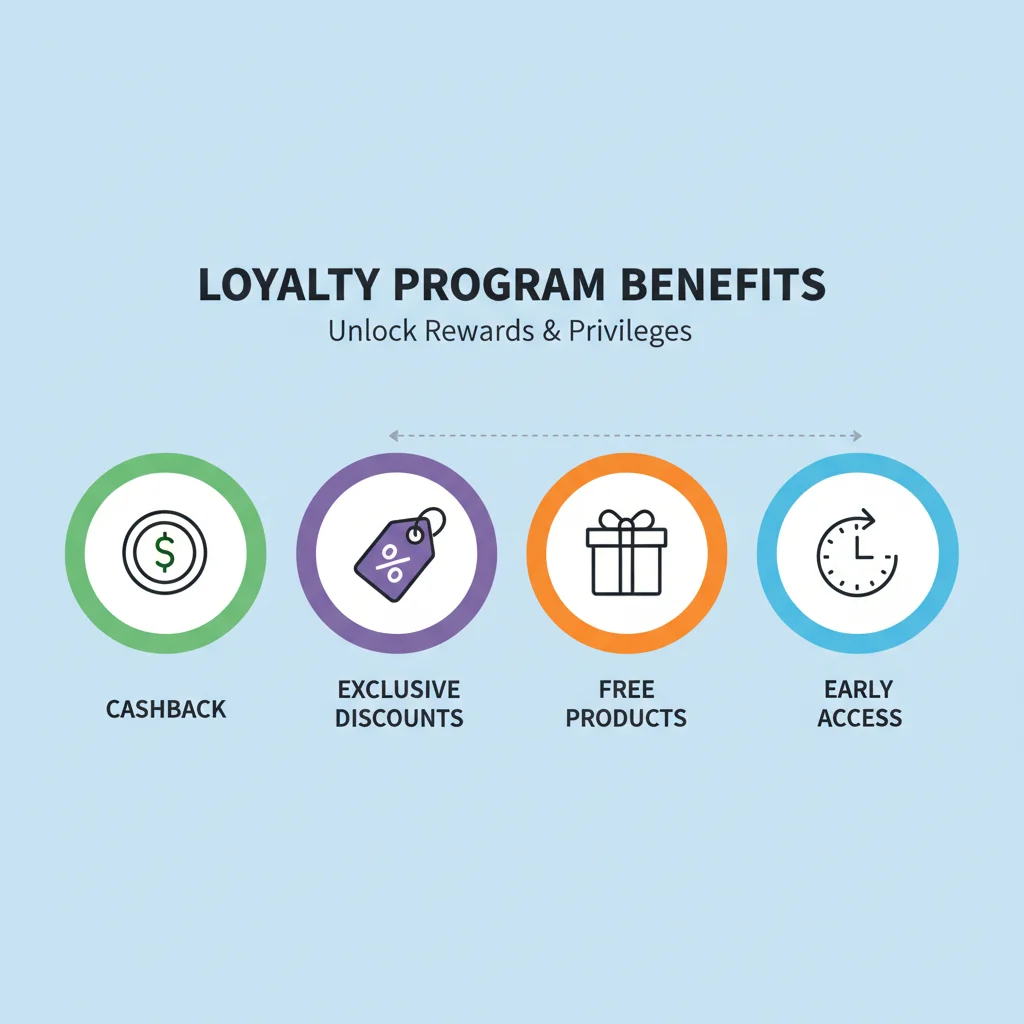
Tiered loyalty programs reward customers based on their spending level over a specific period. As you spend more, you move up to higher tiers, unlocking increasingly valuable benefits. These benefits often include:
- Higher earning rates (e.g., 1.25x or 1.5x points per dollar).
- Exclusive discounts and early access to sales.
- Free shipping or expedited service.
- Birthday rewards or special gifts.
Sephora’s Beauty Insider program (Insider, VIB, Rouge) and Macy’s Star Rewards are prime examples of tiered structures that encourage customer loyalty through escalating perks.
Cashback Programs
Some retailers offer direct cashback on purchases, either as a percentage back or as a fixed amount after reaching a spending threshold. While less common as standalone loyalty programs, they are often integrated with credit card rewards or external shopping portals.
Subscription-Based Programs
A growing trend, subscription-based loyalty programs require an annual or monthly fee but offer premium benefits in return. Amazon Prime is the quintessential example, providing free expedited shipping, streaming services, and exclusive deals. Other retailers like Walmart+ offer similar models, bundling benefits like fuel discounts and free delivery.
Strategic Enrollment: Choosing the Right Programs
It’s tempting to sign up for every loyalty program imaginable, but true maximization comes from strategic enrollment. Focus on programs from retailers where you already spend money regularly. Consider:
- Your spending habits: Do you frequent a particular grocery store, pharmacy, or clothing brand?
- Program benefits: Are the rewards valuable to you? Cashback on gas might be great if you drive a lot, but less so if you rely on public transport.
- Ease of redemption: Are points easy to redeem, or do they expire quickly?
Don’t clutter your digital wallet with programs you’ll rarely use. A focused approach allows you to concentrate your spending and reach higher reward tiers faster with the programs that truly matter to you.
Advanced Strategies to Maximize Loyalty Programs
Now, let’s dive into the core strategies that will help you squeeze every last drop of value from your loyalty memberships. This is where the ‘extra 5%’ (and often more) comes into play.
1. Stacking Rewards: The Ultimate Maximization Technique
The concept of ‘stacking’ involves combining multiple reward mechanisms on a single purchase. This is arguably the most powerful strategy for maximizing your returns.
Credit Card Rewards + Retail Loyalty + Shopping Portals
This is the holy grail of stacking. Here’s how it works:
- Credit Card Rewards: Use a credit card that offers bonus points or cashback on the specific purchase category (e.g., a card with 3% back on groceries at a grocery store).
- Retail Loyalty Program: Ensure your retail loyalty ID is linked or scanned at checkout to earn points directly from the store.
- Shopping Portal: Start your online shopping journey through a cashback or points portal (e.g., Rakuten, TopCashback, airline/hotel shopping portals). These portals offer an additional percentage back or points for purchases made through their links.
For example, buying a $100 item:
– Credit card: 2% cashback = $2
– Retailer loyalty program: 5% back in rewards = $5
– Shopping portal: 3% cashback = $3
Total rewards: $10, or 10% back on your purchase!
Always check the terms and conditions, as some retailers or portals may have exclusions when combining offers.
2. Leverage Bonus Offers and Promotions
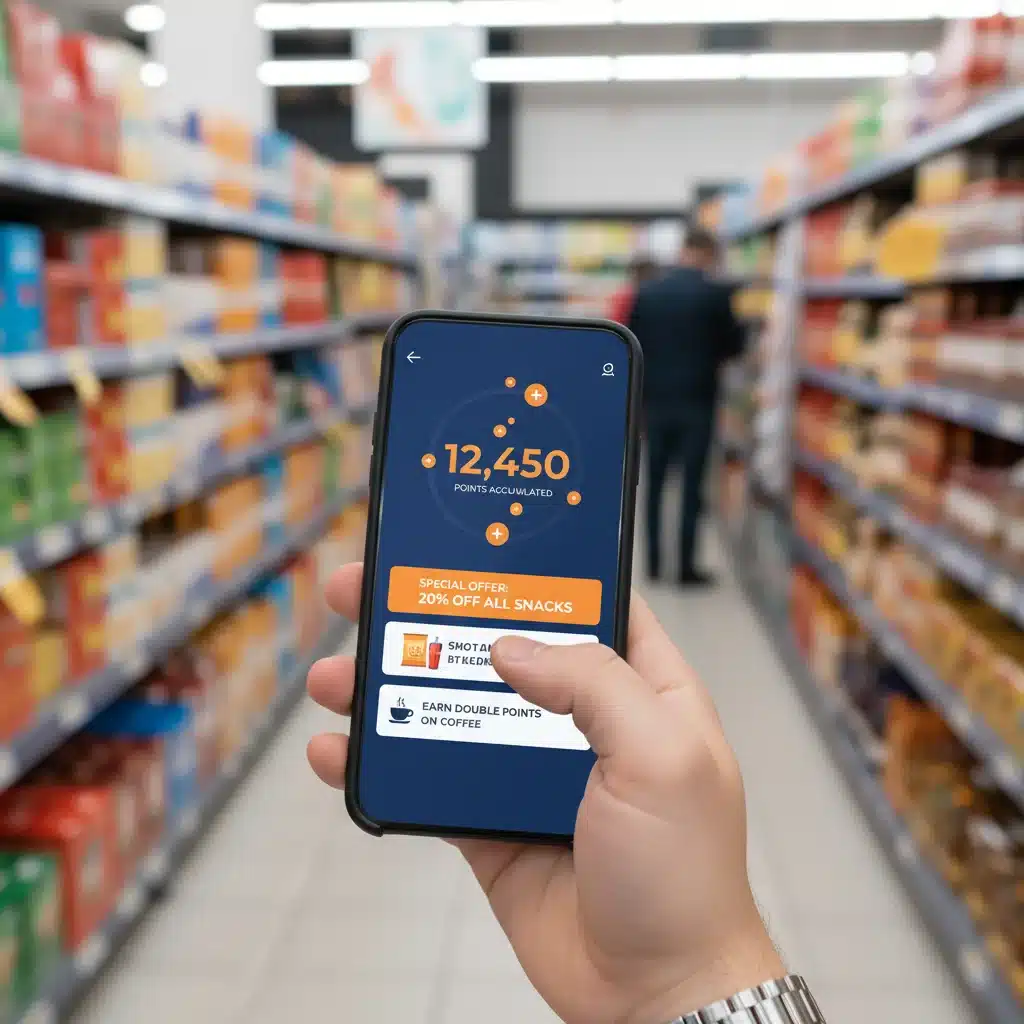
Loyalty programs frequently offer bonus points, multipliers, or special discounts to their members. Keep an eye out for:
- Double/Triple Point Events: Many retailers offer these during holidays or special promotions.
- Personalized Offers: Check your email and loyalty app for targeted discounts based on your purchase history.
- Category Bonuses: Some programs offer extra points on specific product categories for a limited time.
- App-Exclusive Deals: Download and regularly check the retailer’s app for deals not advertised elsewhere.
Timing your purchases to coincide with these offers can significantly accelerate your reward accumulation.
3. Maximizing Credit Card Synergy
Your choice of credit card plays a pivotal role in maximizing loyalty programs. Beyond stacking with retail programs, consider:
- Store-Branded Credit Cards: Many retailers offer their own credit cards, often providing higher reward rates at their stores (e.g., Target RedCard for 5% off, Amazon Prime Rewards Visa for 5% back). Be mindful of interest rates if you carry a balance.
- Category-Specific Credit Cards: Cards that offer bonus rewards on groceries, gas, or dining can complement your retail loyalty earnings.
- Sign-Up Bonuses: When opening a new credit card, the initial sign-up bonus can be incredibly lucrative, often worth hundreds of dollars in rewards.
Always pay your credit card balance in full to avoid interest charges that would negate your rewards.
4. Understanding and Utilizing Program Tiers
For tiered programs, strategically planning your spending to reach the next tier can unlock disproportionately better benefits. If you’re close to a higher tier, consider consolidating a larger purchase at that retailer to cross the threshold. The enhanced earning rates and exclusive perks of a higher tier can quickly outweigh the effort.
5. Gift Card Arbitrage and Reselling
This advanced strategy involves buying discounted gift cards or earning bonus rewards when purchasing gift cards, then using those gift cards for your regular shopping. For example:
- Buy a $100 gift card for $90 (10% discount).
- Use a credit card that gives 5% back at grocery stores, and many grocery stores sell gift cards. So, buy the $100 gift card at a grocery store for $95 (after 5% credit card reward).
You effectively get an additional discount before even applying loyalty program benefits. Some retailers also offer bonus points when you purchase their gift cards.
6. Refer-a-Friend Programs
Many loyalty programs reward you for referring new customers. If you have friends or family who could benefit from a program, sharing your referral link can earn both of you bonus points or discounts.
Common Pitfalls to Avoid
While maximizing loyalty programs can be highly rewarding, there are common traps that can diminish your efforts.
Ignoring Expiration Dates
Points and rewards often have expiration dates. Set reminders or regularly check your account balances to ensure you redeem them before they vanish. Some programs allow you to extend the life of your points by making a small purchase.
Overspending to Earn Rewards
The golden rule: never spend money you wouldn’t have spent otherwise just to earn rewards. The small percentage back rarely justifies purchasing unnecessary items or going into debt.
Not Reading the Fine Print
Terms and conditions can change. Stay informed about program updates, exclusions, and redemption policies. Forgetting a specific exclusion can lead to missed rewards.
Data Security Concerns
When signing up for multiple programs, be mindful of the personal data you’re sharing. Use strong, unique passwords and be cautious about sharing excessive information.
Real-World Examples: US Retailers and Their Loyalty Program Opportunities
Let’s look at how some popular US retailers offer opportunities to maximize loyalty programs:
Target Circle
- Core Benefit: Earn 1% on eligible purchases to redeem later, plus personalized deals and a 5% birthday discount.
- Maximization: Combine with a Target RedCard for an additional 5% off every purchase (stacking 1% Circle earnings with 5% RedCard discount is not possible on the same item, but RedCard gives an upfront discount). Use a cashback portal when shopping online. Look for Circle offers that can be stacked on top of RedCard discounts.
CVS ExtraCare
- Core Benefit: Earn ExtraBucks Rewards on eligible purchases, receive personalized coupons, and get a birthday reward.
- Maximization: Scan your card every time. Opt-in for email and app notifications to receive personalized coupons. These coupons often stack with manufacturer coupons and ExtraBucks. Look for ‘Spend X, Get Y ExtraBucks’ promotions.
Kroger (and affiliated stores) Rewards
- Core Benefit: Fuel points for every dollar spent, redeemable for discounts at their gas stations. Digital coupons and personalized offers.
- Maximization: Load digital coupons to your card before shopping. Purchase gift cards for other retailers at Kroger to earn fuel points on those purchases. Watch for 2x or 4x fuel point promotions on gift cards.
Best Buy My Best Buy Rewards
- Core Benefit: Earn points on purchases, with higher tiers offering better earning rates and exclusive benefits.
- Maximization: Use the My Best Buy Credit Card for additional financing options and bonus rewards. Look for special promotions on specific product categories to earn accelerated points. Check cashback portals before making large online purchases.
Tools and Resources to Aid Your Maximization Efforts
Staying organized and informed is key to successfully maximizing your loyalty programs. Fortunately, several tools and resources can help:
Loyalty Program Management Apps
Apps like Stocard or Key Ring allow you to store all your loyalty cards digitally, so you never miss out on points because you forgot your physical card. Some also track points balances.
Cashback and Deal Websites/Browser Extensions
Install browser extensions from services like Rakuten, Honey, or Capital One Shopping. These automatically search for coupon codes and cashback opportunities when you’re shopping online, ensuring you don’t miss out on extra savings or points.
Financial Tracking Software
Tools like Mint or Personal Capital can help you track your overall spending, which can inform your loyalty program strategy by identifying where most of your money goes.
Online Communities and Forums
Websites like r/churning or FlyerTalk (though more focused on travel, principles apply) are treasure troves of information. Experienced users share tips, tricks, and alerts about lucrative deals and loyalty program changes. These communities are invaluable for staying ahead of the curve.
Email Newsletters and App Notifications
Sign up for retailer email newsletters and enable app notifications for your most frequented stores. This ensures you’re among the first to know about sales, bonus point events, and personalized offers.
The Psychological Aspect of Loyalty Programs
It’s worth briefly touching on the psychology behind loyalty programs. Retailers design these programs to foster a sense of connection and reward, encouraging repeat purchases. As consumers, understanding this can help us navigate them more effectively. The ‘endowment effect’ (valuing something more once we own it) and the ‘gamification’ of earning points can be powerful motivators. By consciously engaging with these programs, we turn what could be a passive spending habit into an active strategy for financial gain.
The thrill of seeing your points accumulate, the satisfaction of redeeming a significant discount, or the joy of a free product can make shopping feel less like a chore and more like a rewarding pursuit. This positive reinforcement can subtly influence your choices, reinforcing loyalty to brands that treat you well. However, always remember the earlier warning: don’t let the pursuit of rewards lead to unnecessary spending. The goal is to maximize the value of your *necessary* spending.
Future Trends in Loyalty Programs
The world of retail loyalty is constantly evolving. Expect to see more personalization driven by AI and big data, offering deals that are hyper-tailored to your individual shopping habits. Gamification elements, where consumers complete challenges or achieve milestones for extra rewards, are likely to become more prevalent. Furthermore, integration with emerging technologies like blockchain for more secure and transferable loyalty points could be on the horizon, though widespread adoption is still some way off.
Subscription models, like Amazon Prime or Walmart+, which bundle a variety of benefits for a recurring fee, will also continue to grow. These programs offer a compelling value proposition for frequent shoppers, moving beyond simple points to encompass convenience, entertainment, and exclusive access.
As these trends develop, the core principles of maximizing loyalty programs will remain relevant: understanding the program, actively engaging with offers, and strategically combining different reward mechanisms. Staying informed about these changes will ensure you can adapt your strategies to continue earning maximum value.
Conclusion: Make Every Purchase Count
In conclusion, simply signing up for a loyalty program is just the first step. To truly maximize loyalty programs and unlock an extra 5% or more in rewards from your favorite US retailers, you need a strategic approach. This involves understanding the different types of programs, actively seeking out bonus offers, skillfully stacking rewards with credit cards and shopping portals, and being diligent about redeeming your hard-earned points.
By implementing the strategies outlined in this guide – from strategic enrollment and leveraging bonus offers to understanding program tiers and avoiding common pitfalls – you can transform your everyday shopping into a highly efficient reward-generating machine. Make it a habit to check for deals, link your cards, and always ask yourself: ‘How can I get the most out of this purchase?’ With a little effort and smart planning, those small percentages add up to significant savings and valuable perks over time, making your loyalty truly pay off.
Start today by reviewing the loyalty programs you’re already a part of and identify opportunities to apply these maximization techniques. Your wallet will thank you!